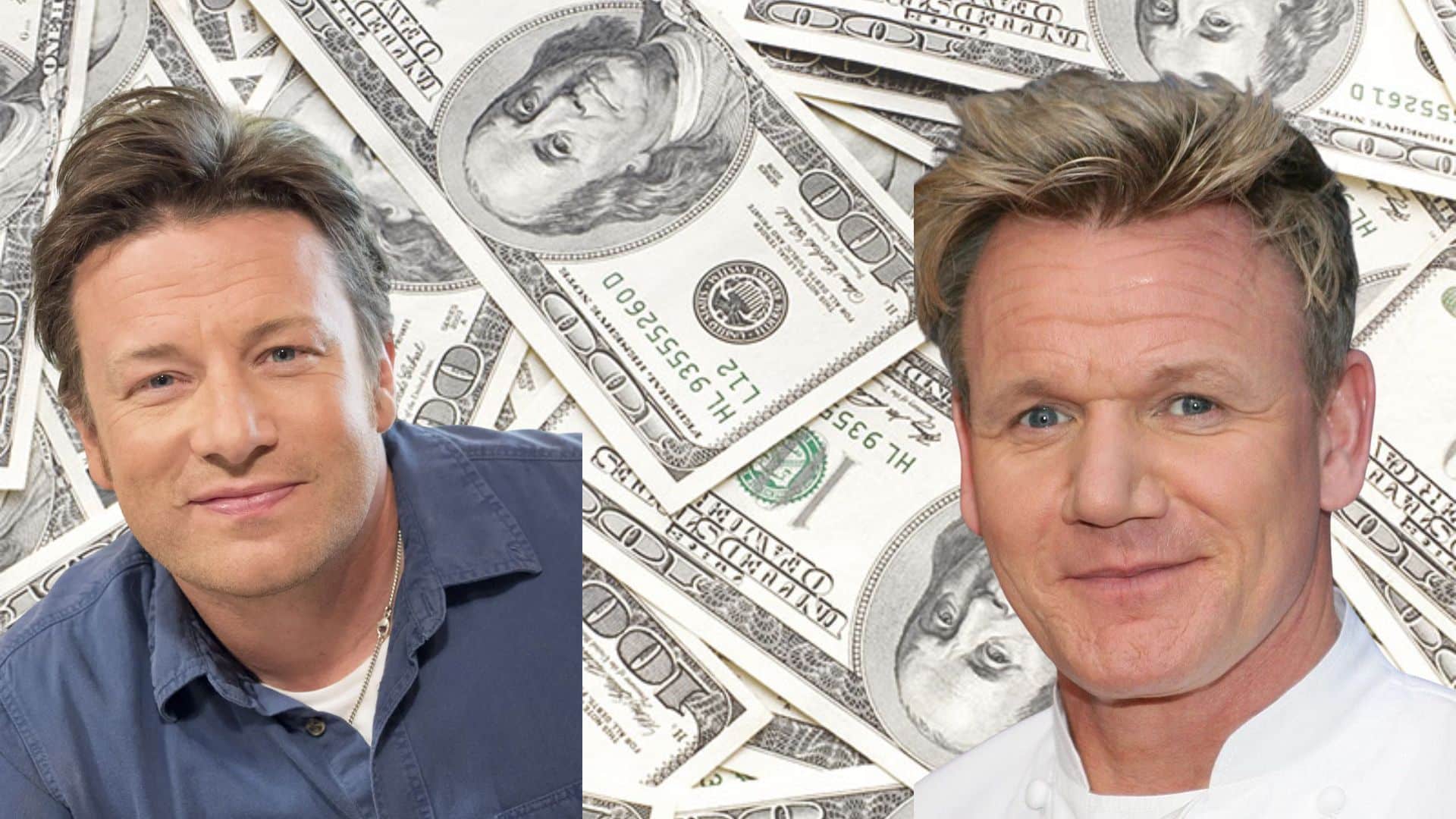
Few rivalries in the culinary world capture public imagination quite like Jamie Oliver versus Gordon Ramsay.
Both are British, both rose to global fame through television, and both built empires stretching far beyond restaurant kitchens into TV studios, publishing houses, and brand licensing deals worth tens of millions.
For years, the question of who was richer felt genuinely difficult to answer.
Then 2019 happened. Oliver’s restaurant chain collapsed, taking over 1,000 jobs and a significant portion of his personal fortune with it.
Meanwhile, Ramsay was quietly evolving from chef to television producer, from restaurateur to global brand licensor.
The answer in 2026 is clearer than most people expect.
The Numbers: What Each Chef Is Worth in 2026
According to Celebrity Net Worth and multiple financial trackers, Gordon Ramsay’s net worth stands at approximately $220 million as of 2026.
His annual income is estimated at between $45 million and $60 million, primarily from television production and contracts.
Forbes previously ranked Ramsay among the world’s highest-paid celebrities, with annual earnings peaking at $70 million in 2020, placing him 19th on their list that year.
Jamie Oliver’s figures are more contested. Celebrity Net Worth places his fortune at approximately $200 million, while sources that factor in the catastrophic collapse of Jamie’s Italian restaurant chain in 2019 suggest the real number may be closer to $60 million, after accounting for reported personal losses tied to the bankruptcy.
The restaurant chain had grown to 25 branches across the UK, employing over 1,000 people, before entering administration. Oliver reportedly injected millions of his personal savings in an attempt to save it before the collapse.
On the most widely cited pure net worth figures, Gordon Ramsay leads with $220 million, compared with an estimated $200 million for Oliver.
But the income gap is more dramatic. Ramsay’s diversified, TV-first business model generates significantly more annual cash flow.
How Ramsay Built a $220 Million Fortune
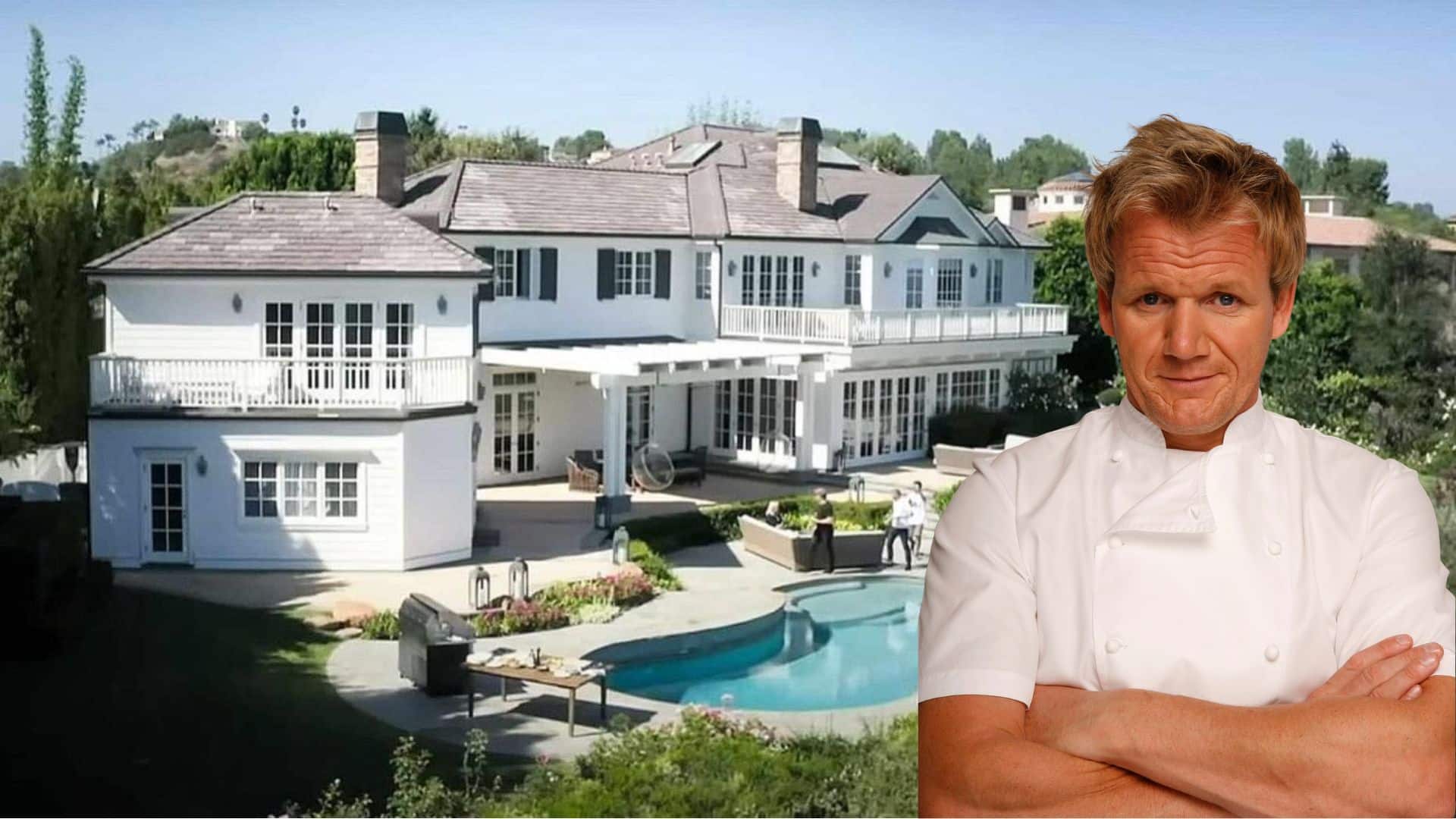
Gordon Ramsay’s financial strategy is arguably more sophisticated than his on-screen persona suggests.
While he is famous for shouting at contestants on Hell’s Kitchen, the business architecture behind that persona is carefully constructed.
Television is the engine. Ramsay earns an estimated $225,000 per episode across his shows, which include Hell’s Kitchen, MasterChef, MasterChef Junior, and Next Level Chef.
His production company, Studio Ramsay Global, has moved him from talent to producer, meaning he captures back-end revenue from the shows he creates, not just appearance fees; his shows air in over 120 countries, generating international licensing income that most celebrity chefs never access.
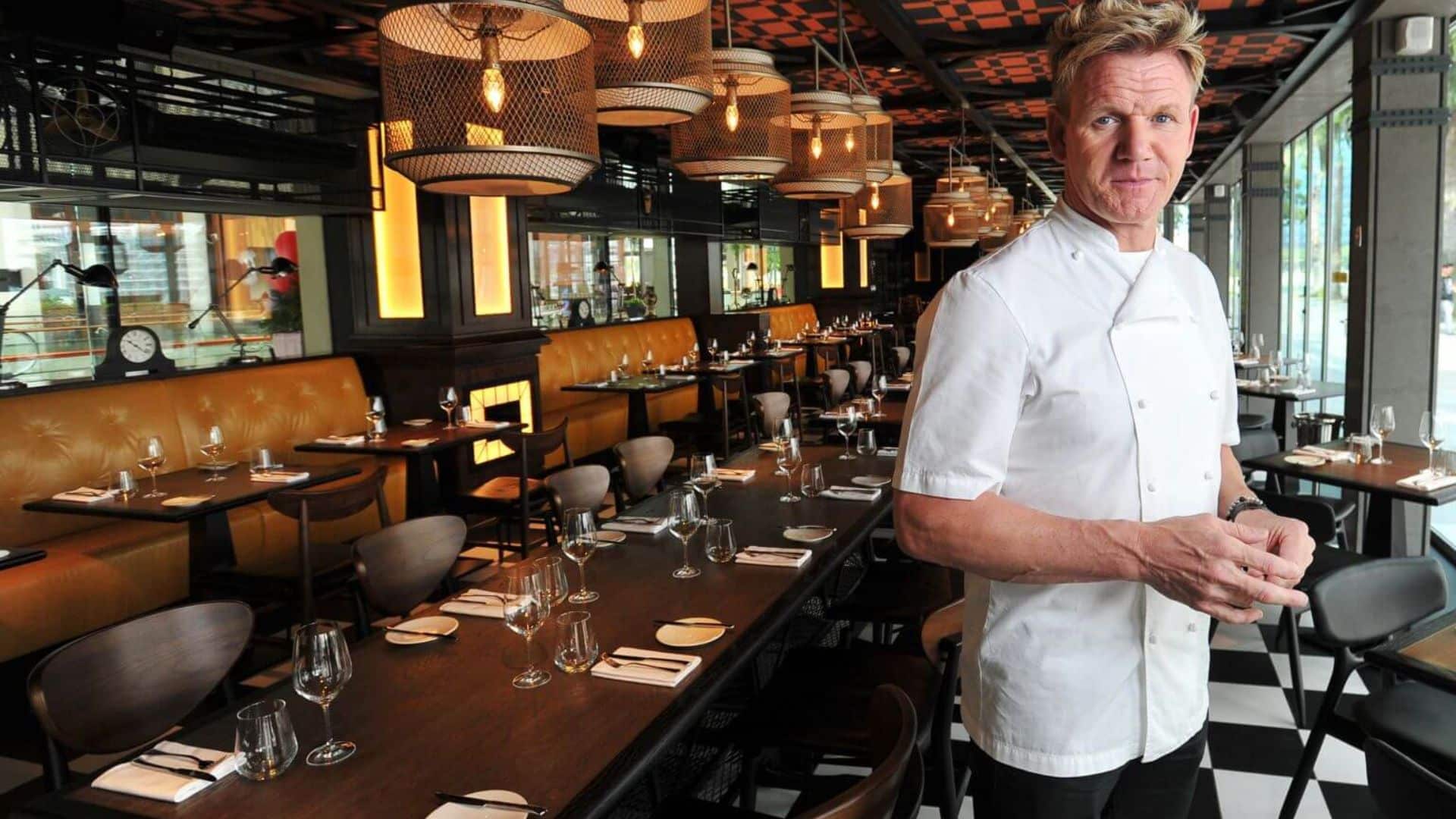
The restaurant empire is the prestige layer. His group operates more than 80 restaurants worldwide across the UK, the US, Dubai, and Asia.
In June 2019, Ramsay struck a $100 million deal with Lion Capital, a private equity firm, to form Gordon Ramsay North America and aggressively expand his US presence.
COVID-19 adjusted original targets, but the partnership remains a cornerstone of his growth strategy.
Product licensing has also become a major source of income. Ramsay reportedly invested $100 million in HexClad cookware, serving as both an investor and a global brand ambassador.
He also has exclusive frozen food lines at Walmart, a premium wine collection, and multiple endorsement deals that convert his on-screen authority into passive income year-round.
A chef who once lost two Michelin stars overnight knows better than anyone that prestige is fragile, which is why his Chelsea flagship has held three stars since 2001 without a single lapse.
That same obsessive protection of his brand ultimately drove the Gino fallout; protecting his name has always come before preserving a TV partnership.
How Jamie Oliver Built and Partially Lost His Fortune
Jamie Oliver’s story is one of an extraordinary rise followed by a painful mid-chapter correction.
He emerged as The Naked Chef on the BBC in 1999 and quickly became one of the most beloved food personalities in British television history.
His cookbooks, more than 40 to date, have made him one of the best-selling cookbook authors in the world, a category where he comfortably outpaces Ramsay.
At his financial peak, Oliver’s net worth was estimated by some sources at $400 million.
He had restaurants, a media empire, branded merchandise, and a global following. Then came the restaurant implosion. In 2019, Jamie’s Italian went into administration, taking with it over 1,000 jobs and the majority of its 25 UK restaurant locations.
Two other food businesses closed simultaneously. The personal financial losses were never fully disclosed, but multiple reports suggested Oliver lost tens of millions of pounds of his own money in the collapse.
Since then, Oliver has refocused on what he does best. He continues to produce television content, write cookbooks, and sell branded products.
In November 2023, he opened a new London restaurant, Catherine St, signaling a cautious return to the restaurant space.
His media royalties and product lines ensure significant ongoing income, but the restaurant’s collapse fundamentally changed the trajectory of his net worth.
It is a reminder that even the most famous culinary names are not immune to financial turbulence.
Ramsay himself knows this well, having faced his family court battles that cost him over a million pounds in legal fees alone.
The Real Difference: Business Model Philosophy
The numbers tell one story; the philosophy behind them tells a more instructive one. Ramsay treats his celebrity as an asset to be leveraged across high-margin, globally scalable businesses, such as TV production, licensing, and fine dining.
Oliver built his brand on accessibility and relatability, which translated brilliantly into cookbook and merchandise sales but proved harder to defend when a mass-market restaurant chain needed to scale and compete.
Ramsay has also been more careful about brand licensing since the 2013 Michelin star debacle.
He learned, at great expense, that attaching his name to operations he no longer controls can damage the premium perception on which his entire financial model depends.
Oliver’s brand has always been warmer and less premium-positioned, which has made his restaurants popular but also more vulnerable to market pressure.
It is worth noting that both chefs have faced very public personal scrutiny alongside their business pressures.
The Verdict in 2026
Based on the most consistent and widely cited figures available, Gordon Ramsay leads the net worth comparison at approximately $220 million versus Jamie Oliver’s estimated $200 million.
More importantly, Ramsay’s annual income, driven by television production and global brand licensing, pulls significantly ahead of Oliver’s ongoing earnings.
The gap will likely widen if Ramsay’s North American restaurant expansion continues as planned. Oliver, meanwhile, is rebuilding more carefully, with cookbooks and media remaining his strongest financial assets.
On screen, their rivalry exists within a broader world of British celebrity chef tensions, and their fallouts show that, in this industry, business strategy and personal values are rarely kept separate for long.
Frequently Asked Questions
Who Is Britain’s Richest Chef?
Gordon Ramsay: $220 million is the richest chef in Britain.
Is Jamie Oliver Still Rich?
His restaurants went bankrupt. He’s still worth $200 million.
Who Is the 3rd Richest Chef in The World?
Jamie Oliver is ranked third among the world’s richest chefs.