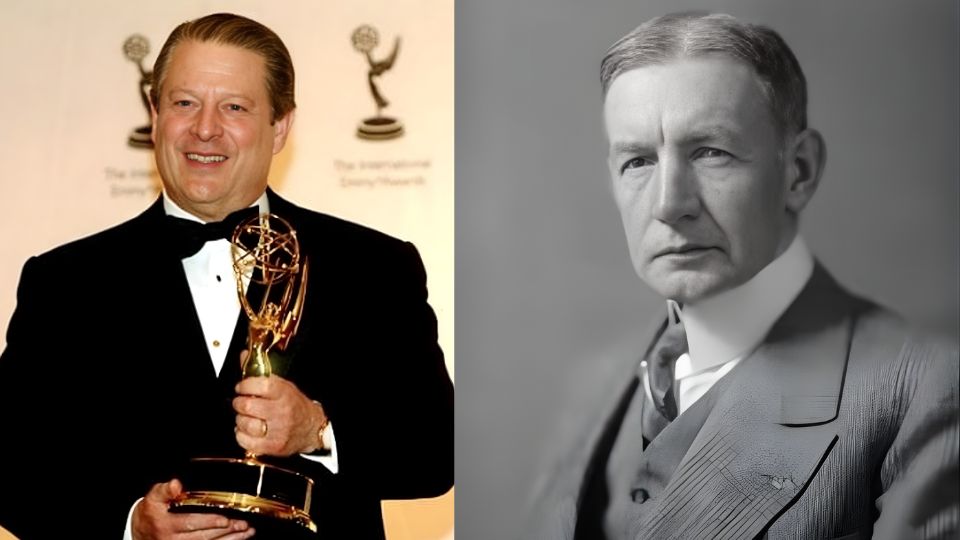
Only two American vice presidents have won the Nobel Peace Prize. Charles Dawes earned it in 1925.
Al Gore received it in 2007. The two men won for completely different reasons, decades apart.
Al Gore received the Nobel Peace Prize for his climate change activism.
He spent years educating people about global warming. His work changed how the world views environmental threats.
Charles Dawes: The First VP to Win
Charles Dawes served as vice president under Calvin Coolidge from 1925 to 1929. He won the Nobel Peace Prize in 1925. The award recognized his work on European financial recovery after World War I.
Germany owed massive war reparations to France and Belgium. The country couldn’t pay. Tensions rose between the nations. Some feared another war.
Dawes chaired a committee of experts in 1924. The group created the Dawes Plan. It restructured Germany’s debt payments. American loans helped Germany rebuild its economy.
France agreed to withdraw its occupying troops from the Ruhr region.
The plan worked. It reduced tensions between France and Germany. It prevented economic collapse in Europe. Dawes shared the 1925 Nobel Peace Prize with British Foreign Secretary Austen Chamberlain.
Dawes had an interesting life beyond politics. He was a self-taught pianist and composer. His composition “Melody in A Major” became a pop hit years later. With lyrics added, “It’s All in the Game” reached number one in 1958.
Al Gore’s Environmental Awakening
Al Gore became interested in climate change as a Harvard student. A professor taught him about carbon dioxide and global warming. The topic stuck with him.
As a congressman in the late 1970s, Gore held hearings on climate change. Most Americans knew nothing about the issue at the time. Gore saw it as a serious threat.
He continued this environmental focus throughout his congressional career and vice presidency. His work on technology and environmental issues became a major reason for his selection as a VP to the national office.
In 1992, Gore published “Earth in the Balance.” The book outlined an international plan to address environmental crises. It became a national bestseller. Critics praised his willingness to tackle complex scientific issues.
As vice president from 1993 to 2001, Gore championed environmental causes. He pushed for policies to reduce greenhouse gas emissions. He spoke at international climate conferences. He became known as the most environmentally focused vice president in history.
After Politics: A New Mission
Following his departure from elected office in 2001, Gore needed a new purpose. He found it in climate education.
Gore began giving presentations about global warming. He traveled the world with a slide show. The presentations explained climate science in simple terms.
He showed data, charts, and predictions. Audiences were often shocked by what they learned.
His message was urgent. Climate change threatens human civilization. The world needed to act immediately. Delay would make the problem worse.
Gore gave his presentation thousands of times. He spoke to small groups and large audiences. He talked to students, business leaders, and politicians. His dedication was relentless.
An Inconvenient Truth Changes Everything
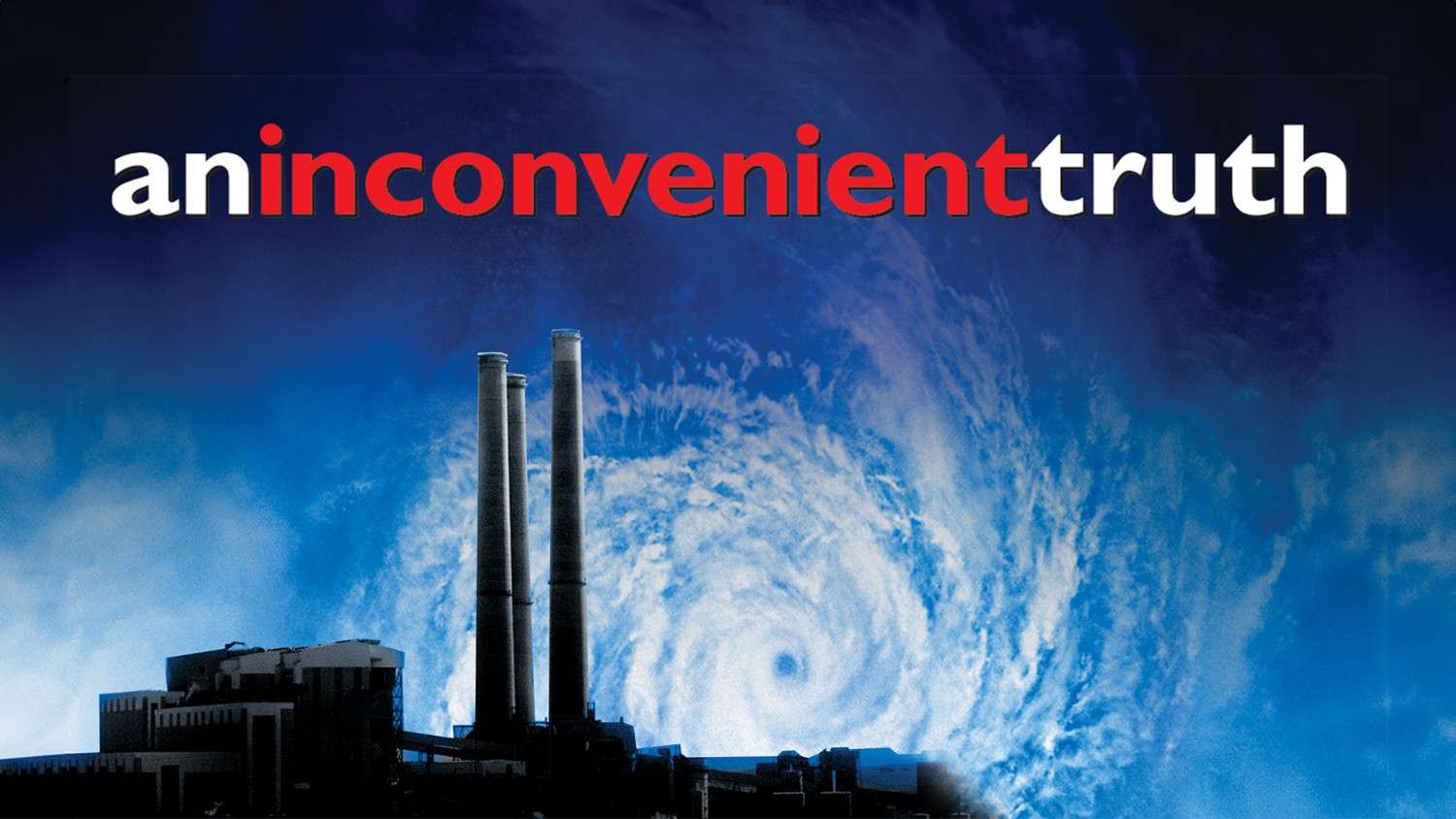
In 2006, director Davis Guggenheim turned Gore’s presentation into a documentary. “An Inconvenient Truth” premiered at the Sundance Film Festival in January. It opened in theaters nationwide in May.
The film was powerful. It showed glaciers melting and sea levels rising. It explained how human activities caused global warming. It warned about future consequences if action wasn’t taken.
“An Inconvenient Truth” became one of the highest-grossing documentaries ever. People who never thought about climate change watched it. The film started conversations worldwide.
Critics praised the documentary. Audiences responded emotionally. The film made climate change feel real and urgent. It wasn’t just data anymore. It was a planetary crisis.
On February 25, 2007, “An Inconvenient Truth” won the Academy Award for Best Documentary. Melissa Etheridge won Best Original Song for “I Need to Wake Up.” Gore’s profile as an environmental leader soared.
The film helped spark the green movement across America. Media coverage of climate change increased. Politicians began discussing environmental policy more seriously. Gore’s educational campaign was working.
The 2007 Nobel Peace Prize
On October 12, 2007, the Norwegian Nobel Committee made its announcement. Al Gore and the Intergovernmental Panel on Climate Change (IPCC) would share the Nobel Peace Prize.
The award recognized “their efforts to build up and disseminate greater knowledge about man-made climate change.” The committee said Gore was “probably the single individual who has done most” to create worldwide understanding of climate threats.
The Nobel Committee connected climate change to peace and security. They warned that climate change could alter living conditions. This might cause mass migration. It could lead to conflicts over resources. Wars might follow.
Gore was deeply honored. He shared the prize with the IPCC, a scientific body dedicated to climate research. Thousands of scientists had contributed to IPCC reports over two decades.
Gore donated his share of the prize money, about $750,000, to the Alliance for Climate Protection. He wanted the funds to continue educating people about climate change.
The award ceremony took place in Oslo on December 10, 2007. Gore delivered a powerful Nobel Lecture. He called climate change “a threat that is real, rising, imminent and universal.” He warned that “the earth has a rising fever and it will not heal by itself.”
What the Prize Meant
The Nobel Peace Prize validated Gore’s decades of environmental work. It showed that climate activism could be recognized as peacemaking. The connection between environment and security became clearer.
Gore became only the second American vice president to win the honor. He joined Charles Dawes in this exclusive club. The two men won 82 years apart for vastly different reasons.
The prize brought more attention to climate change. Gore’s voice carried even more weight. World leaders took notice. The award elevated environmental issues on the global stage.
For Gore, it marked a personal transformation. He had gone from politician to global advocate.
His life after electoral politics found new meaning and purpose. His personal journey continued to evolve in unexpected ways.
Critics still attacked him. Some questioned his personal energy consumption. Others said he profited from green investments. Gore defended his work. He argued the climate crisis required everyone’s involvement, including his own.
Gore’s Continued Advocacy
Gore didn’t stop after winning the prize. He founded the Climate Reality Project. The organization trains people to give presentations about climate change. Thousands of volunteers now spread his message worldwide.
He continued speaking at climate conferences. He advised governments and companies. He invested in clean energy technologies. His work never slowed down.
In 2017, Gore released “An Inconvenient Sequel: Truth to Power.” The follow-up documentary showed how climate change had progressed. It also showed how solutions were becoming available.
Gore’s legacy extends beyond awards. He changed how millions of people think about the environment. He made climate science accessible. He connected environmental health to human survival.
Conclusion
Two American vice presidents won the Nobel Peace Prize. Charles Dawes earned it for preventing war through financial diplomacy. Al Gore received it for fighting climate change through education.
Gore’s 2007 prize recognized decades of environmental work. His transformation from politician to climate advocate inspired millions.
The award validated his message that environmental protection is essential to peace.
Today, climate change is a mainstream concern. Gore’s tireless advocacy helped make that happen.
His Nobel Peace Prize stands as recognition that protecting the planet protects humanity.