Senior living has entered a reset phase. The old assumptions about what later life should look like have been replaced by something more grounded and far more interesting. Today’s older adults are not shopping for a retreat from the world. They are looking for places that respect their independence, protect their dignity, and support a life that still feels active and personal. The conversation has shifted from care alone to quality, agency, and trust, and that shift is long overdue.
Choice and Control Still Matter Deeply
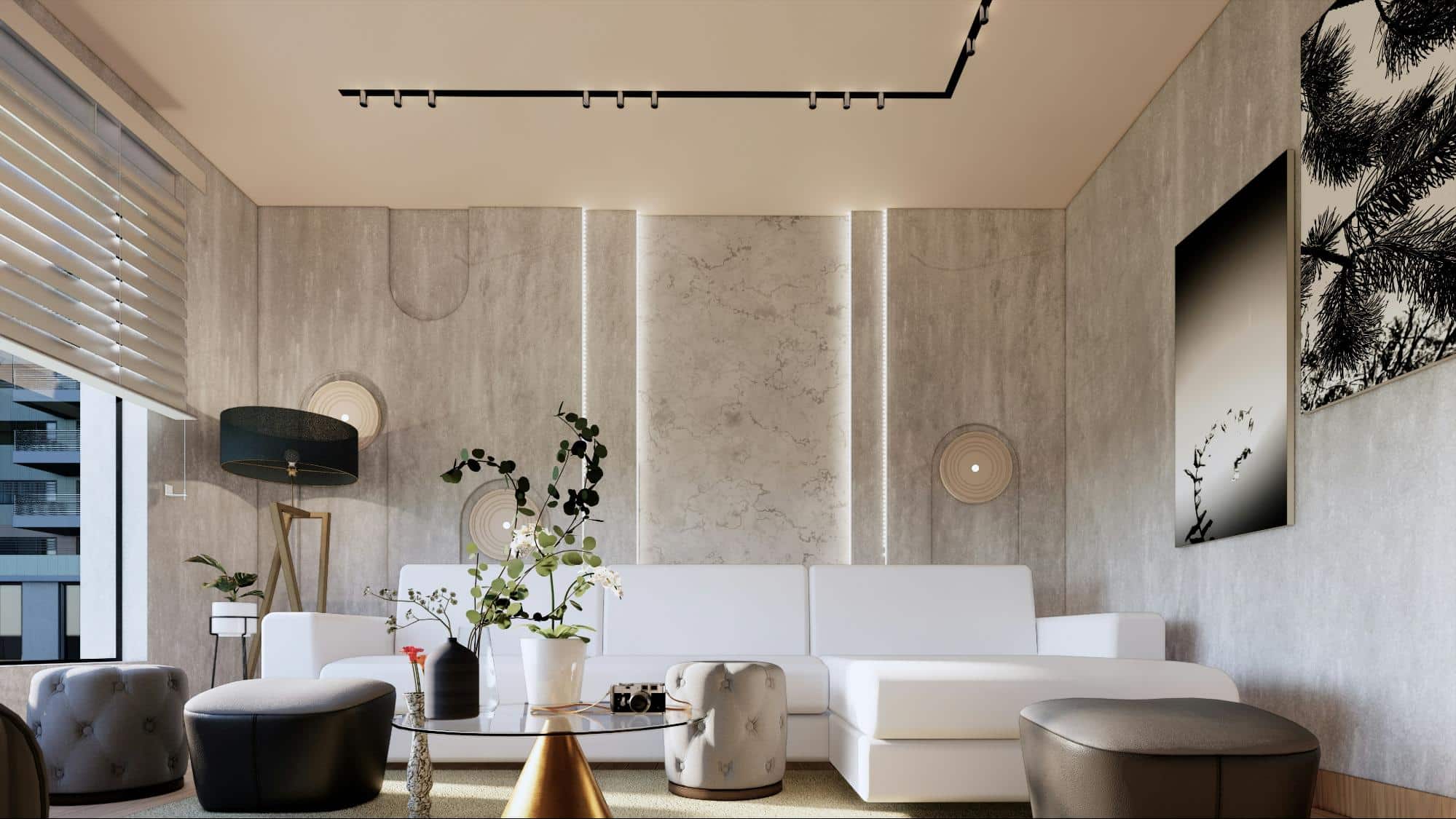
One of the clearest signals from today’s seniors is that autonomy does not stop being important with age. Residents want real choices, not prepackaged routines that treat everyone the same. That means flexible dining schedules, optional activities instead of mandatory programming, and the ability to personalize living spaces so they feel like home rather than a hotel room. Many want to come and go freely, host family on their own terms, and maintain the rhythms that have shaped their lives for decades.
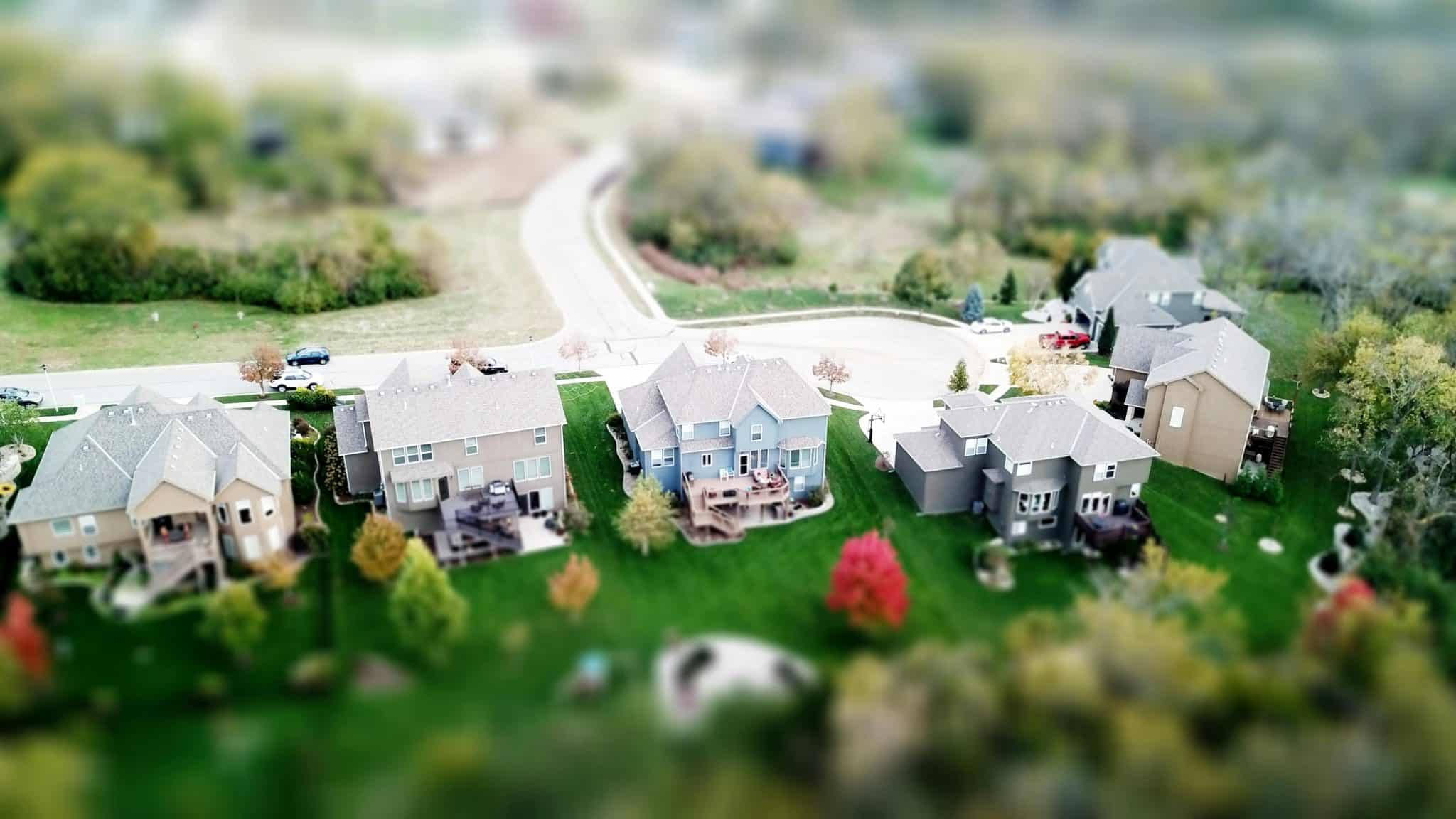
Geography plays into this sense of control as well. Proximity to familiar places, doctors, and loved ones matters, whether that’s a senior living community in Hingham, D.C. or anywhere in between. Location is not just about convenience. It is about continuity, staying connected to the parts of life that still feel essential.
Community Without Pressure
Connection matters, but forced togetherness does not. Seniors are increasingly drawn to environments that offer social opportunities without social obligation. They want spaces that make it easy to meet people naturally, through shared interests or casual moments, rather than structured mixers that feel awkward or performative.
This is where thoughtful design makes a difference. Comfortable common areas, walkable outdoor paths, and multipurpose rooms encourage organic interaction. Residents want to feel welcomed into a community, not managed by one. The goal is belonging that develops over time, at a pace that feels comfortable and human.
Health Support That Feels Integrated, Not Intrusive
Access to healthcare remains a priority, but the expectations around it have evolved. Seniors want support that fits into daily life, not care that dominates it. On site wellness services, coordination with trusted providers, and preventive programs are valued when they feel seamless rather than clinical.
Mental and emotional well being are also part of this equation. Opportunities for learning, creative expression, and physical movement are no longer viewed as extras. They are seen as essential to staying engaged and resilient. Communities that recognize this tend to attract residents who are thinking about longevity in a broader sense, not just medical outcomes.
Trust, Transparency, and Financial Safety
Trust has become a defining factor in senior living decisions. Families and residents alike are paying closer attention to how communities handle contracts, pricing, and financial oversight. Clear communication around costs, policies, and resident rights is no longer optional. It is expected.
This focus is tied to a growing awareness of financial abuse to seniors, an issue that has gained visibility as families become more involved in decision making. Communities that demonstrate strong safeguards, ethical leadership, and transparent financial practices stand out. Seniors want to know their resources are protected and that their independence will not make them vulnerable.
Technology That Supports, Not Overwhelms
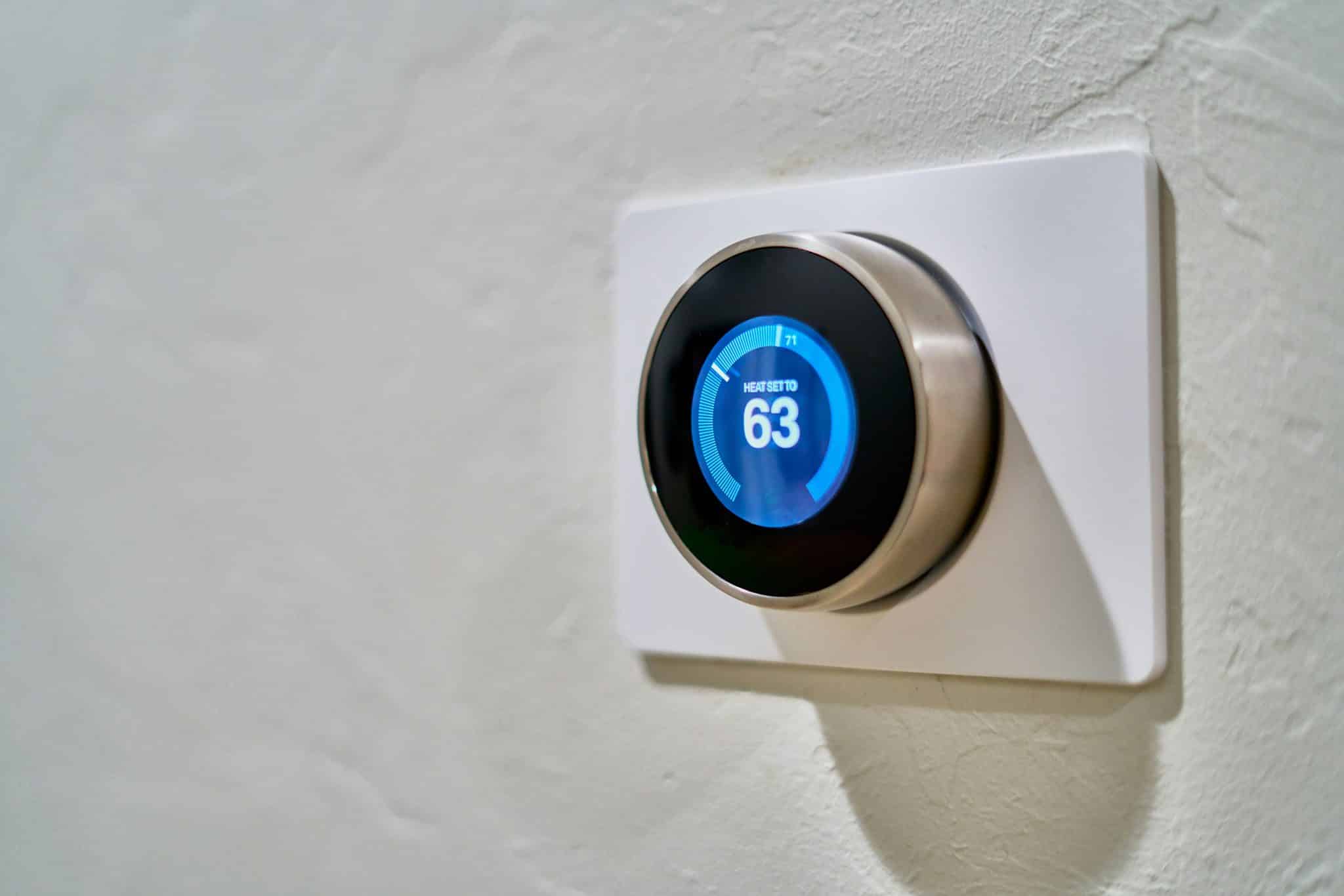
Technology has found its place in senior living, but only when it serves a clear purpose. Residents appreciate tools that enhance safety, simplify communication, and support health monitoring, as long as those tools are intuitive and optional. Complicated systems that feel imposed tend to miss the mark.
The most successful communities use technology quietly in the background, improving response times, streamlining logistics, and making it easier for residents to stay in touch with family. The emphasis is on usefulness, not novelty. Seniors are not looking to be impressed. They are looking to be supported.
A Sense of Purpose Beyond Amenities
Amenities still matter, but they are no longer the headline. What many seniors are really seeking is a sense of purpose. Opportunities to volunteer, mentor, or contribute to the broader community can be just as appealing as a fitness center or a chef driven dining program.
Communities that create pathways for residents to share their skills and experiences tend to foster deeper satisfaction. This might look like partnerships with local schools, support for resident led clubs, or simply space for personal projects. The message is simple. Life does not pause at a certain age, and senior living should reflect that truth.
The modern senior living community is less about providing an escape and more about offering a solid, respectful foundation for the years ahead. Seniors want choice, connection, and clarity. They want environments that feel alive, not sheltered. Communities that listen closely to these expectations are not just keeping up with the moment. They are redefining what later life can look like, with dignity and intention at the center.