
Big rims are a statement. They command attention. In the world of street and show cars, size often feels like everything. Moving from 18s to 20s, or even 22s, is a common dream. The visual impact is undeniable.
But is it the right move for your specific ride? Like any major modification, going bigger comes with a mix of benefits and drawbacks. Let’s break down the reality of supersized wheels for your street machine or showstopper.
The Ultimate Pro: Unmatched Visual Impact
Let’s start with the obvious. Huge rims look incredible. They fill the wheel wells completely.
They give any car a dramatic, aggressive, and expensive presence. For a show car, this is often the primary goal. The right set of wheels can make a stock vehicle look like a custom build. They are the centerpiece.
Enthusiasts often build the entire car’s aesthetic around the wheels. A truck or SUV can achieve a truly imposing look with a massive, well-chosen set.
Think of the bold stance achieved with a set of 22 inch Chevy rims on a Silverado or Tahoe. The visual transformation is instant and total.
The Handling Illusion (And Some Reality)
This is a tricky one. Bigger rims usually mean lower-profile tires. These tires have stiffer sidewalls. This can reduce tire flex during hard cornering. The initial steering response might feel sharper. The car can feel more “planted” on smooth, perfect pavement.
For a show car that only rolls onto a trailer and into a convention center, this is irrelevant.
For a street car that sees canyons or track days, the benefit is real but narrow. The improvement only exists on glass-smooth asphalt. The downside appears everywhere else.
The Major Con: The Ride Quality Sacrifice
This is the biggest daily compromise. Low-profile tires are terrible shock absorbers. They have very little rubber to cushion impacts. Every crack, pebble, and tar strip is transmitted directly into the chassis. The ride becomes harsh and jarring.
For a car driven regularly on public roads, this gets old very fast. It is exhausting.
It can make you dread uneven roads. A show car might tolerate this. A true street car, meant for enjoyment, can become unpleasant to drive. Comfort is often the first casualty of the big rim upgrade.
The Increased Risk of Damage
Big, beautiful rims are expensive. They are also vulnerable. The thin sidewall of a low-profile tire offers almost no protection. A minor encounter with a pothole or curb can result in catastrophic damage.
A bent rim is common. A cracked rim is a real possibility.
This turns normal city driving into a constant obstacle course. You will find yourself swerving to avoid minor road imperfections. The anxiety of damaging a multi-thousand-dollar set of wheels can overshadow the joy of owning them.
The Performance Trade-Offs
Bigger rims are almost always heavier. This is critical unsprung weight. Your suspension must control this extra mass. The result? Worse acceleration.
Your engine works harder to spin the heavier wheels. Braking distances can increase slightly. Overall handling can suffer on anything but perfect roads. The suspension becomes less responsive.
The car can feel less agile. You gain a small potential benefit in ultimate grip on perfect pavement. You lose responsiveness and acceleration everywhere.
The Cost Equation: Upfront and Ongoing
The financial hit is significant. The rims themselves are a major investment. The special low-profile tires they require are much more expensive than standard sizes. They also tend to wear out faster.
Replacing a single damaged 22-inch tire can cost as much as a full set of standard tires. Alignment becomes more critical and sensitive. The costs are not a one-time event. They are a permanent increase in your vehicle’s maintenance budget.
The Fitment and Modification Headache
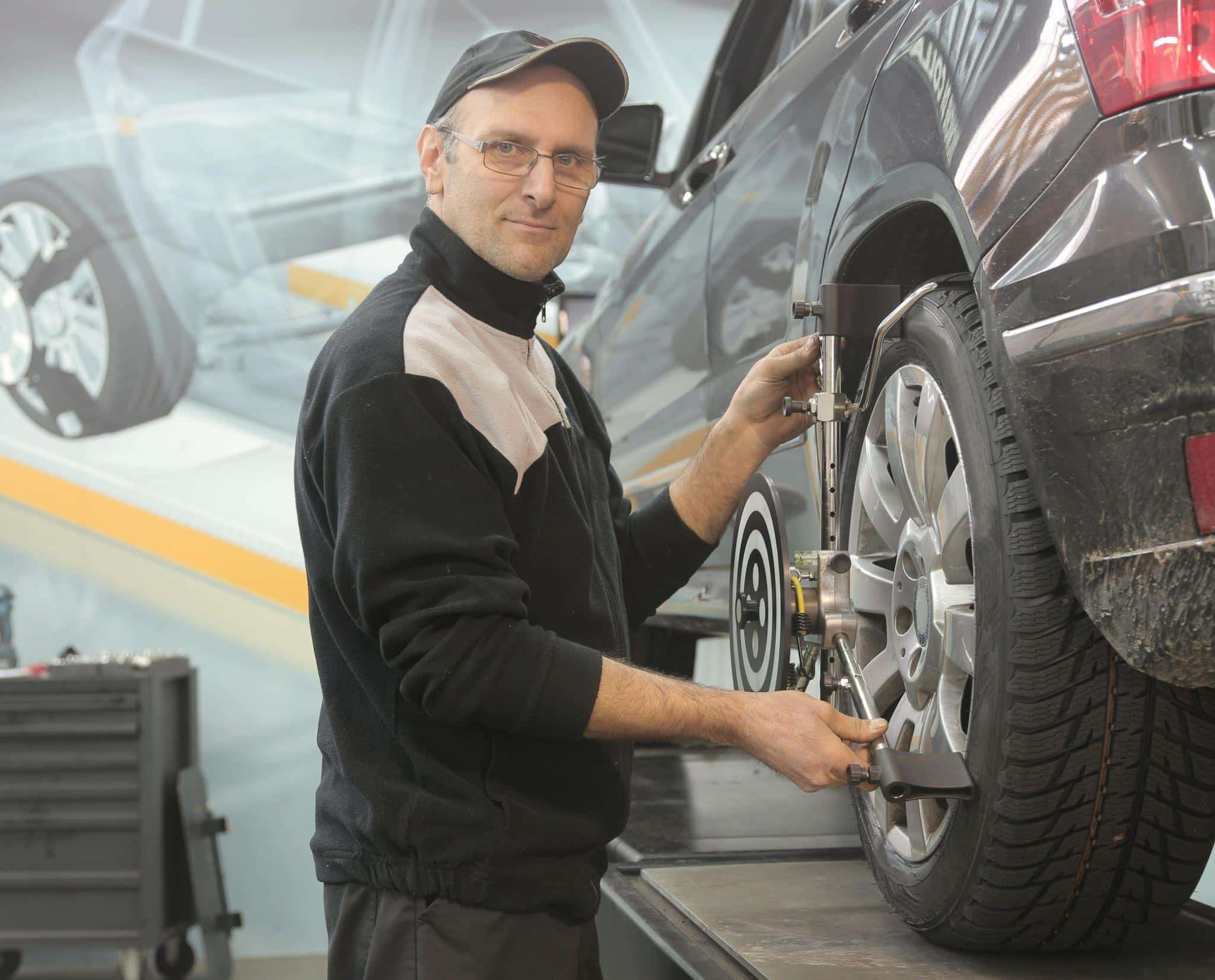
Cramming very large rims under a car not designed for them is complex. It often requires rolling or pulling the fenders. You might need to modify the suspension.
The wheel may rub against the inner liner or suspension components at full lock.
Getting the perfect “stance” without rubbing requires precise calculation and often, professional installation. A simple bolt-on upgrade this is not. It can become a project with unexpected complications and costs.
The Verdict: Know Your Purpose
The choice boils down to a single question: Is your car for showing or for going?
- For a show car: Big rims are a fantastic, often essential, choice. The visual payoff is worth the drawbacks. The car is not driven enough for ride quality or tire wear to matter.
- For a true street car: Proceed with extreme caution. Consider your local roads. Honestly assess your tolerance for a firm ride. Think about your budget for replacements. A little more conservative size, like a 20-inch rim, can often provide 90% of the look with 50% of the hassle.
Going bigger is a powerful style move. It just comes with a very real list of compromises. Make sure you are willing to live with them before you take the plunge. Your back, your wallet, and your driving enjoyment will thank you for thinking it through.