Organising a messy warehouse feels like trying to solve a puzzle where the pieces keep changing shape. Space disappears fast when items are just tossed onto shelves without a clear plan.
Mastering the layout helps teams move faster and keeps the inventory numbers accurate. Efficiency in the supply chain depends on how quickly a worker can find, pick, and pack an order. Every extra step taken on the floor adds up to lost minutes and higher labor costs over time.
Smart Space Utilization
Floor space is expensive and limited in most facilities. Managers often look upward to find extra room for their goods. Using a vertical lift module can help save floor space by storing items in a tall, compact tower.
These systems bring parts directly to the worker at an ergonomic height. High density storage like this allows companies to keep more stock without needing a larger building footprint.
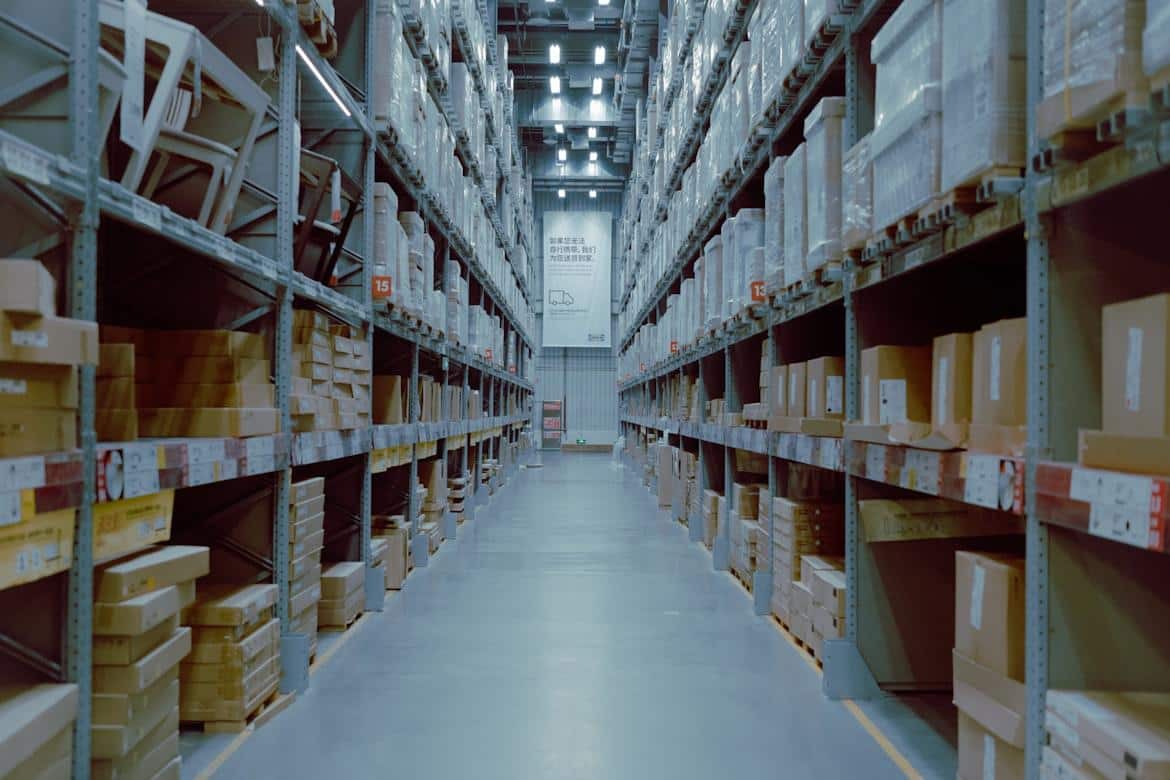
Racking systems should be inspected often to ensure they can handle the weight of the inventory. Heavy items belong on the bottom levels to keep the center of gravity low and prevent rack failure. Using the full height of the room can recover up to 85% of floor space that usually goes to waste. When items are stacked properly, the risk of products falling and getting damaged drops significantly.
Strategic Product Placement
Not every item in the building moves at the same speed. Fast-moving goods should sit near the shipping docks to reduce travel time for staff. An ABC analysis helps categorize stock by its value or how often people buy it.
Placing popular items in easy-to-reach spots cuts down on the physical strain for workers. Slotting optimization is another way to assign locations based on specific demand patterns.
Managing Seasonal Shifts
Demand for certain products changes throughout the year. Winter gear might sit idle in July, but fly off the shelves in December. A flexible storage plan allows staff to move these items to the front of the warehouse before the rush starts.
This proactive approach prevents the team from feeling overwhelmed when order volume spikes. It also ensures that slow-moving stock does not take up prime real estate near the loading bay.
Workflow and Layout Design
The way a warehouse is shaped dictates how smoothly the day goes. Many high-volume centers use a U-shaped design to keep receiving and shipping separate but close. This flow prevents bottlenecks where people might bump into each other. A recent article noted that layout optimization improves both safety and the speed of daily tasks. Clear paths for forklifts and pedestrians are a must for any busy operation.
- Standardized bin sizes reduce wasted gaps on shelves.
- Clear labeling helps new hires find parts without getting lost.
- Adjustable racking systems accommodate different pallet heights.
- Regular audits catch ghost inventory before it becomes a problem.
Leveraging Technology for Accuracy
Pen and paper are no longer enough to manage a modern supply chain. Software helps track every pallet as it moves from the truck to the shelf. Automation takes over the repetitive tasks that often lead to human error.
Digital tools also allow managers to forecast demand by looking at past sales records. Real-time data gives the office a clear picture of what is actually on the shelves at any moment.
The Role of Robotics
Robots are becoming more common in large distribution centers. They can move heavy pallets or carry small bins to picking stations without getting tired. These machines work alongside humans to speed up the fulfillment process. They are especially useful for repetitive tasks like sorting or long-distance transport within the building. As the technology gets cheaper, even smaller warehouses are starting to adopt these automated helpers.
Improving Storage Density
Maximizing every square inch requires specialized equipment and creative thinking. One industry report mentioned that a leading retailer increased its storage capacity by 25% through effective storage density optimization.
Private warehouses currently hold over 65% of the market because they can customize their setups for specific needs. These facilities often use narrow aisle racking to fit more rows into the same amount of square footage.
Cross-docking is another method to save space and time. This involves moving goods directly from the receiving dock to the shipping dock with little to no storage time in between. It works best for items that are already sold or have a very high turnover rate. By skipping the shelving step, the warehouse stays less cluttered, and orders get to customers much faster.
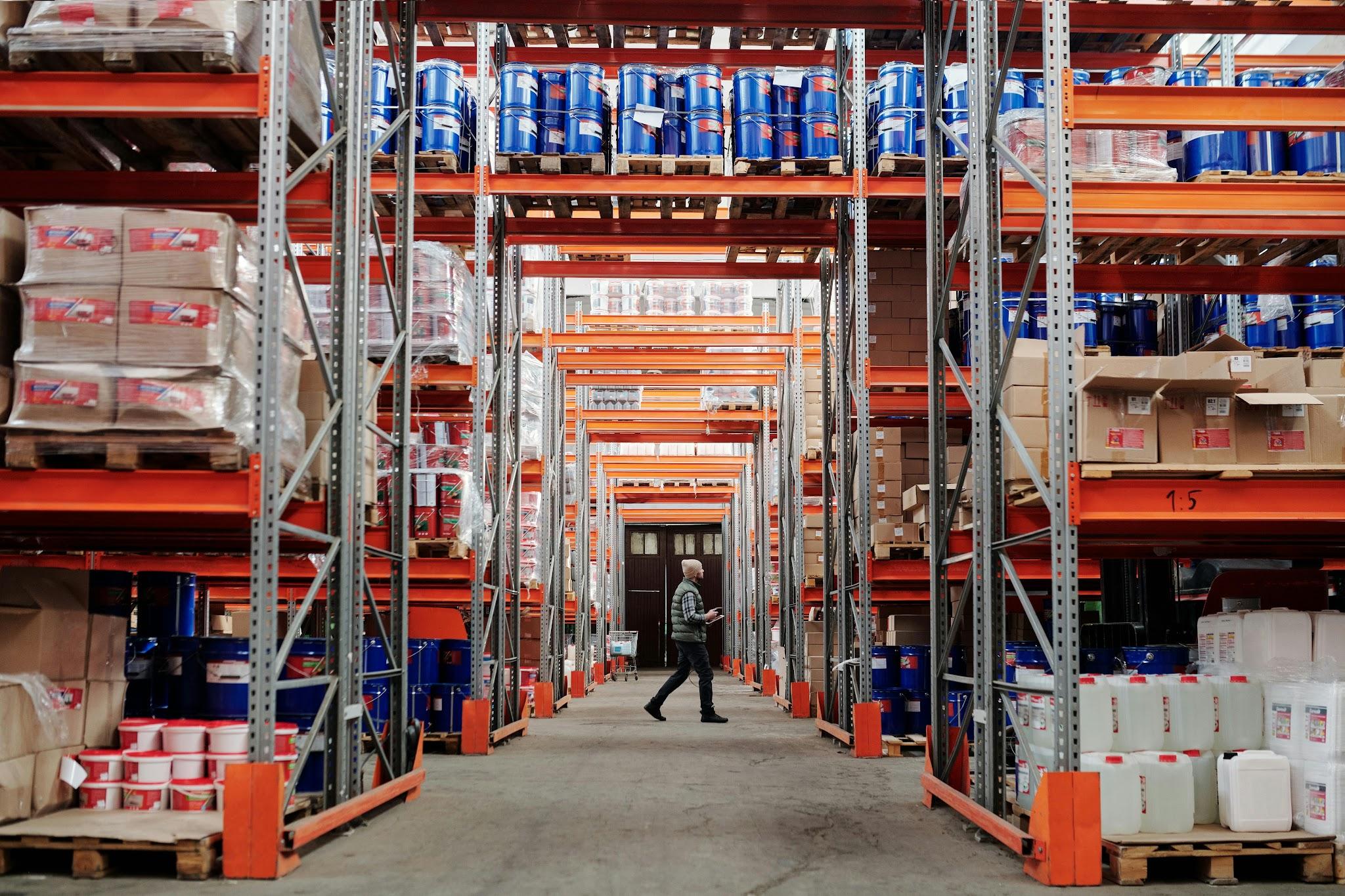
Keeping a warehouse organized is a constant cycle of cleaning, measuring, and adjusting. As the business grows, the storage strategy must grow with it to stay efficient.
Clear aisles and smart tech make the workday easier for everyone involved. Investing in the right tools and layout today prevents massive headaches and lost revenue tomorrow. Simple steps lead to a much more productive and profitable operation for years to come.