Better rest starts long before you crawl into bed. Your evening environment sets the stage for how you will function tomorrow. A calm space helps your mind leave daily stress behind.
Small shifts in your home tell your brain it is time to slow down. Build a quiet sanctuary to relax. This is a big step for your health.
Mastering The Dimming Process
Bright overhead lights can trick your mind into thinking it is still the middle of the afternoon. This keeps your internal clock from shifting into its natural rest mode when you need it most. You might feel wide awake even if your body is physically tired after a long shift.
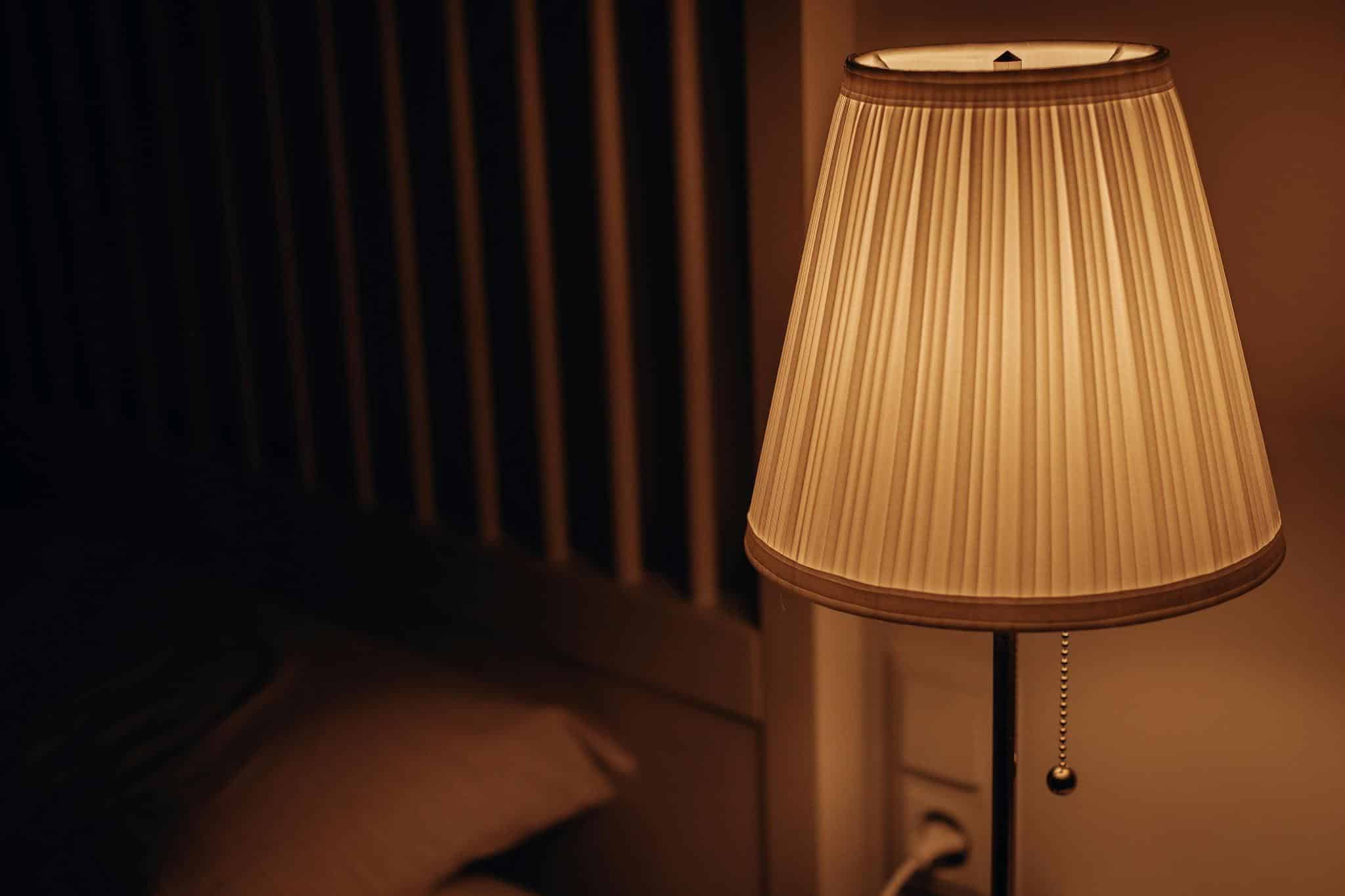
Bright lights can be very jarring when you are trying to wind down. Your eyes will adjust better when you use a non-blue light night lamp to navigate your home since it does not cause a sudden wakeful surge. A simple switch lets your mind settle down without the harsh glare of standard bulbs.
You might try dimming the main lights in your living areas about 2 hours before you plan to go to bed. Gradual change mimics the natural setting of the sun and helps your system transition.
Understanding Your Natural Rhythms
Your body uses chemicals to signal when it is time to feel tired. Light manages these internal cues all day and into the night. Your brain needs darkness to start the recovery process for your mind.
One news report noted that room lighting can lower early-night melatonin levels by 70% compared to dim settings. This drop makes it harder to fall into a deep sleep. You might lie awake for much longer than you intended.
Lowering the brightness in your home protects these hormone levels. This builds a smoother path to a restful night. You will notice a change in how fast you drift off.
Navigating The House At Night
Waking up for a quick trip to the kitchen or bathroom can often disrupt your progress toward a restful night. Using bright lights during these moments can wake your brain up completely. It resets your internal clock and makes you feel like the day has already started before the sun is up.
Advice from a federal health agency suggests using a dim red nightlight to find your way safely. Red tones do not disrupt your rest as much as white or blue light sources do.
Keep these small lights in hallways or bathrooms to stay safe without ruining your internal clock. This keeps your environment functional without destroying your sleep quality. It makes it much easier to fall back asleep immediately after you finish your trip.
Finding The Perfect Temperature
A room that is too hot causes hours of restlessness. Your core temperature must drop to reach deep sleep stages. If your room is sweltering, your body struggles to find a healthy balance for rest.
Data from a medical school suggests keeping your bedroom between 65 and 68 degrees. This range helps your body stay cool all night. It stops you from waking up sweaty or feeling uncomfortable at night.
Adjusting your thermostat or using a fan helps you hit this target easily. This step pays off with higher rest quality and less tossing. You will wake up less often in the crisp air.
Organizing Your Sleeping Space
Clutter in your room creates a mental load that follows you into your dreams. A tidy space helps your mind feel at peace at the end of the day. You should keep your surfaces clear to avoid feeling stressed.
- Clear off your nightstand of any electronics or work papers.
- Keep your laundry in a closed basket instead of on the floor.
- Use blackout curtains to block out bright streetlights.
These habits create a room that feels like a true peaceful getaway for you. This removes physical distractions that pull focus away from your deep rest tonight. A clean room supports your daily health and fitness goals.
Managing Sound And Noise
Sudden noises from outside can jerk you out of a deep sleep cycle and leave you feeling groggy. Even small sounds, like a ticking clock, can become distracting when you are trying to rest. Your brain remains alert to sounds even when you are fully asleep.
You might find that a white noise machine helps mask these background interruptions. Constant sounds are much easier for your brain to ignore than sudden spikes in volume. It creates a steady wall of sound that protects your rest from the outside world.
Adding soft rugs or heavy curtains can help dampen the echo in a large or empty room. These additions make the space feel cozy and quiet for a much better midnight rest.
Improving your environment does not need to happen overnight. Try changing 1 or 2 small things to see how your mood shifts. These tiny adjustments lead to better health and more energy.
Good rest helps you focus on your goals each morning. Setting up the right space is the first step toward feeling great. You deserve to wake up refreshed.