
A fleet’s engine choice shapes uptime, safety, and cost from day one. When powertrains age, the replace-or-repower decision becomes a choke point for performance. The right call can reduce fuel spend, cut unplanned stops, and keep drivers confident behind the wheel.
This isn’t only about horsepower. It’s about matching torque to routes, aligning parts support, and planning for new rules on emissions and fuels. With clear targets for uptime, TCO, and safety, engine strategy becomes a lever that moves the whole business.
Total Cost Of Ownership Starts With The Powertrain
Every mile carries fuel, maintenance, and depreciation. Engines sit at the center of all three. A modern or well-matched repower can lower fuel burn and stretch service intervals, while a tired engine drives the opposite pattern and pulls cost forward.
The replacement line isn’t a fixed odometer reading. It depends on duty cycle, payload, climate, and idle time. When idling is common, or grades are steep, an engine that looks fine on paper can age faster in the real world.
Modeling the total cost of ownership works best when you set thresholds. Map performance by asset class, then compare the repair run rate to a replacement payment. If the repair curve keeps rising and uptime dips, you’re close to a tipping point.
Downtime Math And The Engine Decision
Downtime penalties stack fast. Missed deliveries hit revenue, while rentals, overtime, and customer credits erode margins. An engine nearing overhaul can double the chances of roadside events, and each event ripples across schedules.
One practical test is to compare planned shop days after a repower with the historical unplanned stops. If repower cuts those events and stabilizes coolant, oil, and pressure flags – especially in classic iron such as CAT 3306 engines – the ROI can arrive sooner than simple fuel math suggests. That is why the decision should weigh reliability gains alongside fuel savings. The cheapest option on paper can be the costliest once the tow truck is involved.
Build scenarios with real clock time. Include travel to the shop, parts wait, technician availability, and the backfill plan. When you price those minutes honestly, the better engine choice is often obvious.
Fuel Economy, Torque Curves, And Route Mix
Fuel economy is not only a highway metric. Stop-and-go routes benefit from torque at low RPM, where a well-chosen engine can shift less and work cooler. That keeps gearboxes happy and minimizes brake use.
Grade, wind, and temperature matter. If you move heavy loads over hills, prioritize torque spread and cooling package compatibility. On flat lanes, prioritize steady-state efficiency and smart cruise features that hold speed without hunting.
Repower can reduce driver fatigue. An engine that pulls smoothly at the right RPM band cuts downshifts, keeps noise down, and creates a calmer cab. Calm cabs keep drivers focused and reduce near-miss events.
Regulatory Compliance And Future-Proofing
Rules change, and engines must keep pace. Whether it’s emissions limits, idle restrictions, or fuel content mandates, noncompliance raises risk and cost. Replacement can be the simplest path to meet the next rule set.
Think beyond today’s compliance letter. Choose engines that are certified for the regions and duty cycles where you plan to grow. That reduces permitting delays and avoids rushed retrofits later.
- Confirm certification labels and documentation for each jurisdiction.
- Validate fuel compatibility and required aftertreatment.
- Align the extended warranty to the compliance timeline you expect.
Data-Driven Maintenance And Predictive Signals
Sensors now see early warning signs long before a breakdown. Temperature spikes, oil viscosity shifts, and boost deviations often precede a failure by weeks. Engines that surface clean data let maintenance teams act before the tow.
Large fleet operators show how powerful that dataset can be. A recent business report noted that a national rental and maintenance provider collects hundreds of millions of vehicle data points each day, scaling toward tens of billions per year. That scale of telemetry supports predictive models that flag issues early and trim shop time, which makes a strong case for engines that integrate well with your diagnostics stack.
Better data sharpens warranty claims. When you can prove conditions and care with logs, you resolve disputes faster and get trucks back to work.
Operator Experience And Safety After Repower
Drivers feel the difference first. Clean throttle response and steady pull reduce second-guessing at merges and on ramps. When the engine does the work with less drama, drivers stay ahead of traffic and conserve attention.
Cab vibration and heat matter too. An engine matched to mounts and cooling keeps the cab quiet and temperatures stable. That lowers fatigue and helps drivers maintain consistent habits over a long shift.
Safety systems depend on power quality. ADAS features need a stable voltage and clean idle behavior to perform. If a repower improves electrical stability, lane keeping, and collision warnings tend to behave more predictably.
Lifecycle Planning And Residual Value
Depreciation doesn’t stop during shop time. When you plan engine decisions by lifecycle stage, you keep value and uptime in balance. Early replacement can save money if it avoids a string of big-ticket fixes late in life.
A well-documented repower can lift resale value. Buyers pay for reliability they can verify. Maintenance logs, dyno sheets, and parts lists make that proof easy to share with the next owner.
Make-Replace-Repower Framework
Use a simple fork. If major components beyond the engine are sound, repower. If frames, wiring, or cabs are at the end of life, replace the whole unit. If neither condition holds, keep making incremental repairs and track the trend line closely.
Spec Alignment And Parts Availability
Great engines fail when parts don’t arrive. Before you commit, check stocking levels, shipping times, and dealer network depth. A strong network shortens downtime more than any single spec on the sheet.
Cross-compatibility saves time. Choose engines that keep common filters, belts, and sensors across the fleet. Fewer unique part numbers mean fewer mistakes on the shelf.
- Confirm lead times for high-failure items.
- Map nearby service points and mobile support.
- Standardize fluids to reduce mix-ups during night shifts.
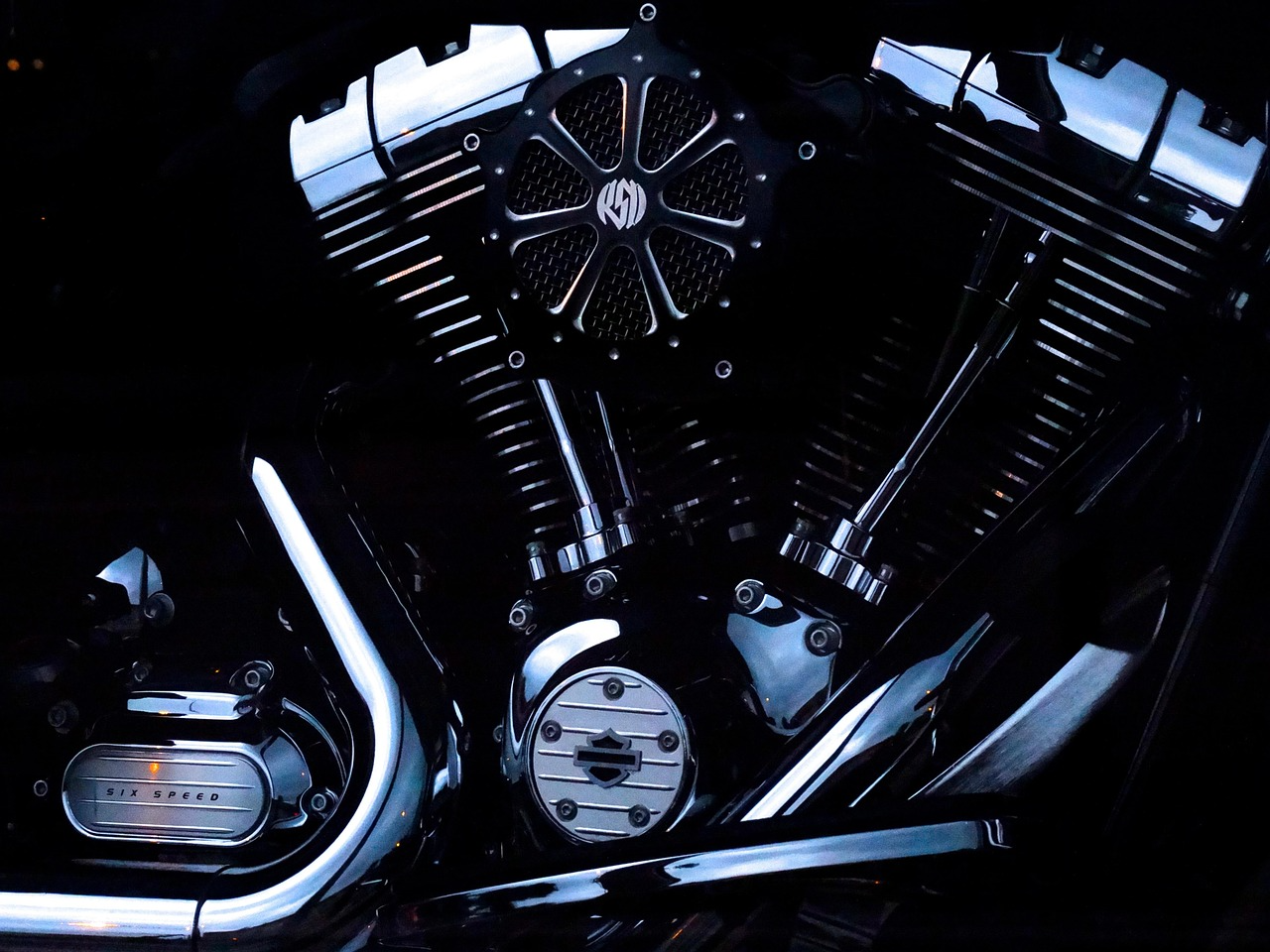
Upgrading or replacing an engine is a chance to reset performance, not just repair it. When you balance cost, uptime, driver experience, and data, the right choice becomes a force multiplier for the whole fleet.
Treat the decision like a product launch. Set goals, verify results, and share the wins. A steady engine strategy builds a fleet that is predictable, safe, and ready for growth.