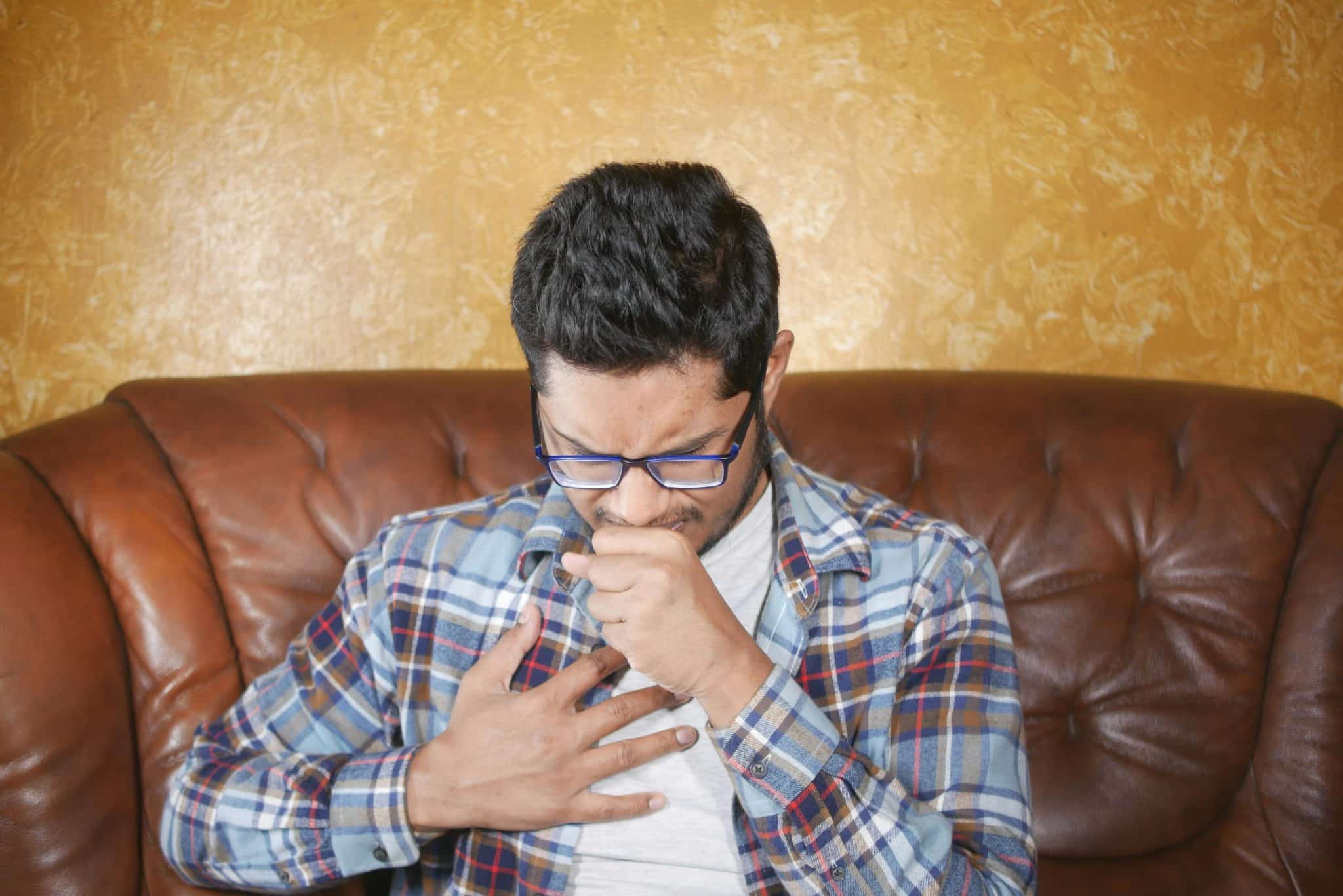

Abdominal pain can often be caused by gas. Many people experience sudden bloating, cramping, or sharp stomach pain and immediately worry it’s something serious. While abdominal pain can have many causes, gas is a common and usually harmless culprit. Understanding how gas forms, why it causes discomfort, and ways to relieve it can help you manage symptoms effectively.
In rare cases, if the pain is severe or persistent, it’s important to get a proper medical evaluation at a trusted facility like St. Michael’s Elite Hospital to ensure there are no underlying health issues. Getting timely care can provide peace of mind and help prevent complications.
What Causes Gas in the Abdomen?
Gas in the digestive tract is a normal byproduct of swallowing air and breaking down food. However, excess gas can cause discomfort and even sharp abdominal pain. If you notice persistent or severe gas-related pain, it’s important to contact us to rule out any underlying issues.
- Swallowed Air: Eating quickly, chewing gum, or drinking carbonated beverages can introduce extra air into the stomach.
- Food Choices: Beans, lentils, broccoli, cabbage, dairy, and high-fiber foods can increase gas production.
- Digestive Issues: Conditions like lactose intolerance, irritable bowel syndrome (IBS), or malabsorption problems can lead to more gas.
- Artificial Sweeteners: Sorbitol and other sugar substitutes in sugar-free foods can produce gas as they are digested.
How Gas Causes Abdominal Pain
Gas can lead to abdominal discomfort in different ways, and the intensity can vary from mild bloating to sharp, crampy pain. Understanding the mechanisms behind gas-related pain can help you recognize symptoms and find effective relief. Let’s break down the main causes:
Trapped Gas
Sometimes, gas gets trapped in the intestines and cannot move along the digestive tract smoothly. This buildup creates pressure, which can lead to sharp or cramping pain in various areas of the abdomen.
- The pain often shifts or moves around the stomach, making it feel unpredictable or uncomfortable.
- People commonly experience tightness or a bloated sensation along with the pain.
- Passing gas or having a bowel movement typically relieves the pressure, providing noticeable comfort.
Excess Gas Production
Excessive gas can occur when the body produces more gas than usual during digestion. This can happen due to certain dietary choices or digestive conditions.
- Foods high in fiber, beans, lentils, dairy, or carbonated drinks can cause bloating, rumbling, and discomfort in the stomach.
- Digestive conditions like irritable bowel syndrome (IBS), lactose intolerance, or other malabsorption issues can make it harder for the intestines to process gas, intensifying the pain.
- Overproduction of gas may also be accompanied by burping, belching, or frequent passing of gas as the body tries to relieve the pressure.
Slow Digestion or Constipation
If food moves slowly through the digestive tract, gas can become trapped behind it, causing discomfort and increased pressure. Slow digestion is often linked to dehydration, low fiber intake, or sedentary lifestyle habits.
- This can result in bloating, cramps, and a feeling of fullness in the lower abdomen.
- Gentle exercise, staying well-hydrated, and eating high-fiber foods help stimulate intestinal movement and reduce gas buildup.
- In some cases, addressing slow digestion or constipation can prevent recurring abdominal pain caused by trapped gas.
Symptoms to Watch For
Gas-related abdominal pain has some typical signs:
- Bloating or swelling in the stomach
- Sharp, crampy, or intermittent pain
- Belching or burping to release trapped air
- Passing gas relieves discomfort
- Nausea or mild indigestion after meals
Treatment Options
There are several effective ways to relieve gas-related abdominal pain:
- Over-the-Counter Remedies: Simethicone can help break up trapped gas.
- Dietary Adjustments: Reduce foods that trigger gas, eat slowly, and avoid carbonated drinks.
- Probiotics: Help improve digestion and balance gut bacteria, which may reduce gas.
- Gentle Exercise: Walking or light activity encourages gas movement and eases discomfort.
- Hydration: Drinking plenty of water aids digestion and prevents constipation-related gas.
When to See a Doctor?
While gas is often harmless, seek medical attention if you experience:
- Severe, persistent, or unexplained abdominal pain
- Pain accompanied by fever, vomiting, or diarrhea
- Blood in stool or urine, or unexplained weight loss
- Pain that does not improve with over-the-counter remedies or lifestyle changes
Gas Isn’t Always Just a Minor Discomfort
Most abdominal pain caused by gas is temporary and harmless, but it can still be uncomfortable and disruptive. By understanding the causes, from swallowed air and diet to digestive issues, and adopting simple remedies, you can manage symptoms effectively. Persistent or severe pain, however, should never be ignored. Proper evaluation ensures that underlying conditions are addressed promptly, giving you peace of mind and lasting relief.