Streaks feel meaningful because your brain treats clusters as information. You can observe this in reality when playing a game: a few similar outcomes land close together, your attention narrows, and your next decision starts carrying an extra hidden goal. Not “play well,” but “continue the pattern.”
When you see a streak, it might feel like there is some predictable pattern appearing, but instead, you’re just seeing natural variance. Recognize that, and the last 5 minutes stop rewriting the whole night.
A lot of different elements can affect how people feel about randomness, and it’s worth recognizing each one. Event frequency is how quickly results arrive. Decision density is how many meaningful choices you make between results. Faster feedback makes streaks feel louder. More choices make streaks feel personal because your mind can blame, praise, and replay each decision. That is why 10 quick outcomes can feel more intense than 20 slower ones, even when both just reflect normal variance.
Where Variance Becomes Obvious in Real Play

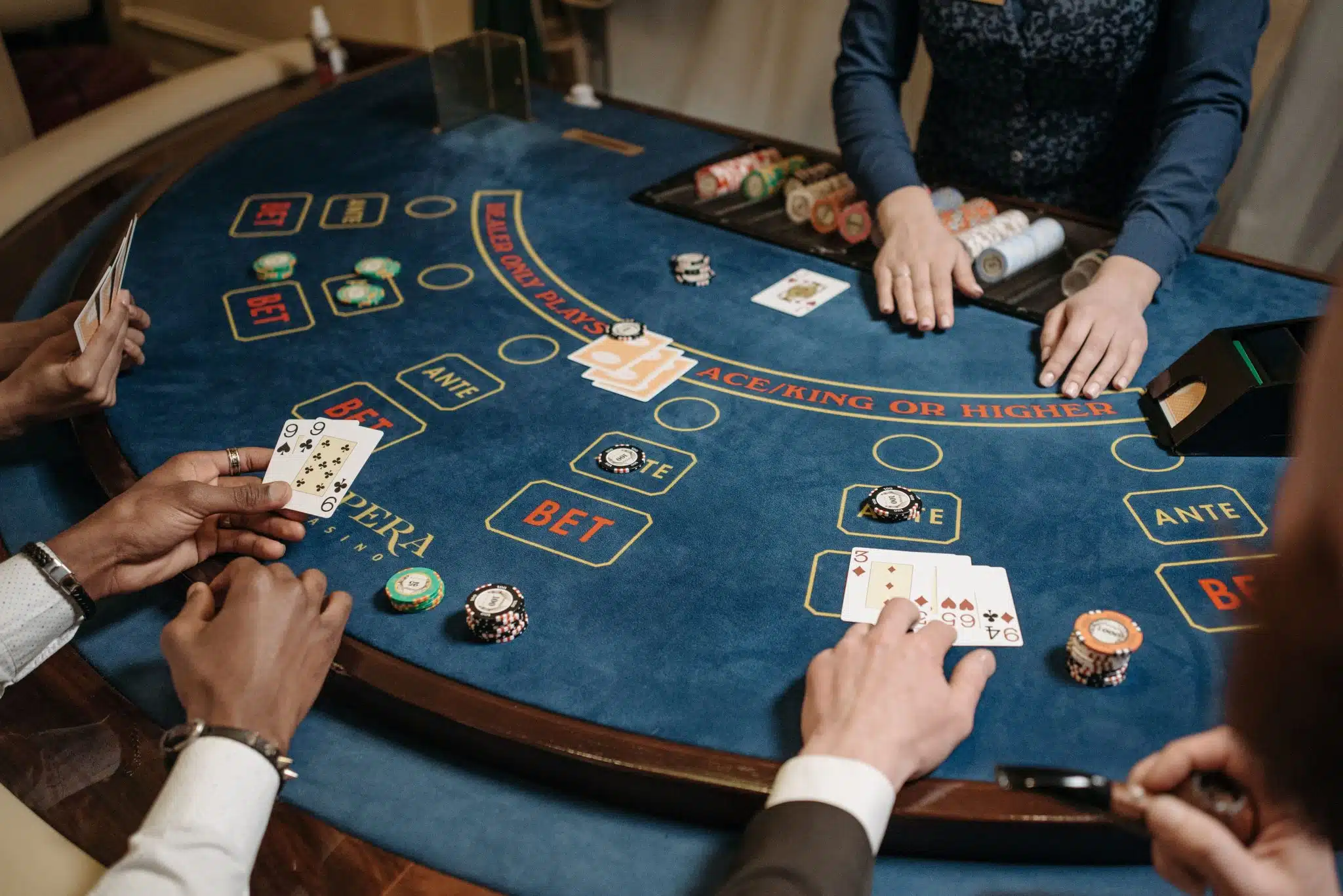
Once you understand the things that change your perception of randomness, the fastest way to internalize this knowledge is to compare how different table formats package uncertainty through pace and choice. This casino table games online page is a useful reference because it groups games into different categories, making it easy to find options to compare. Each group changes the feel of variance. For example, roulette resolves quickly, so clusters might feel more noticeable than in a game like poker.
The page even lists both American and European roulette, which is a neat reminder that some formats differ in wheel layout. Card games, such as blackjack and baccarat, add decision points or repeated hands, which increases decision density and makes you mentally replay your own choices. Dice games can swing sharply, so a few rolls can feel dramatic. Poker-inspired table games add phases and reads, so the mind starts building a narrative, instead of just tracking outcomes.
To turn this into something you can really get to grips with, pick a category, commit to a steady pace for 10 rounds, and write a short note after each: “fast or slow,” “many choices or few,” and “story volume 0 to 3.” Next, switch to a contrasting category and repeat. You will see why casino table games online can make the same variance feel totally different, depending on rhythm and decision load, even when randomness is at the core of each game.

In that sense, it helps to borrow a few mental tools that stop you from seeing patterns that don’t exist, and instead help you focus on the knowledge that these games are random. This short video on poker psychology focuses on skills you can apply anywhere, like breathing, reframing thoughts, patience, and tilt control:
Why Your Brain Overreacts to Hot and Cold Runs
The mind is built to detect patterns because pattern detection is often helpful in daily life. In random sequences, however, it spots patterns that aren’t actually meaningful. Clustering bias makes people assume that normal random clumping is being caused by something. Recency pull makes the last 5 rounds feel more important than the previous 50. Story protection makes you selectively notice outcomes that support your current narrative, while the counterexamples slide past unnoticed.
This is why streaks change confidence levels fast. A cold run is not a verdict on your judgment. A hot run is not proof that you have found a hidden technique. They are small samples doing what small samples do.
A Consistency Contract That Survives Streaks
So, how do you deal with the fact that your mind always wants to find patterns, even when patterns don’t exist? Well, the answer is to come up with consistent rules you can adhere to throughout each game. For example: “I will evaluate my decisions using the same lens, regardless of the last result.”
After any round that spikes your emotions, run a 2-question check: First, reflect on decision-quality by asking, “With the information I had, was my choice still reasonable?” Second, check for tempo control: “Did I keep my pace steady, or did I change pace to chase a feeling?”
If the answers are “yes” and “steady,” you are still anchored to your process. If the answers slide toward “not sure” and “rushed,” pause for 20 seconds. Label the moment: “This is variance, not a message.” Then reset your pace before you continue.
Keep the Fun, Drop the Fiction
Understanding variance shouldn’t suck the fun out of your games. It should help you explain why you sometimes see patterns in games that you know are random, and stop you from being affected by those apparent patterns. When you understand variance, a hot run stops feeling like proof, and a cold run stops feeling like punishment. You can still enjoy the rhythm of the table, but you stop letting the last streak write the next decision.