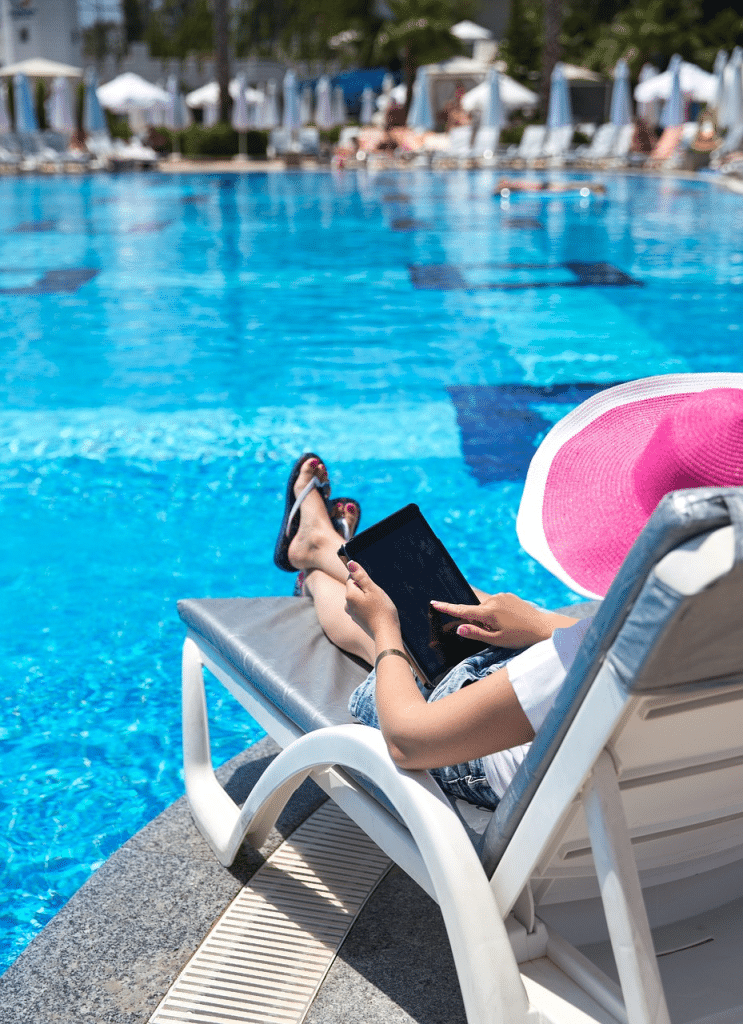
The pool deck is a harsh little microclimate. Sun, heat, splash, and chemicals test every surface, seam, and screw.
Good furniture can last because it is designed for this reality. The right pieces resist fading, drain fast, stay stable on wet pavers, and feel comfortable after hours in the sun.
The Poolside Environment Is Tough On Furniture
Sunlight breaks down fibers and finishes. Chlorine, salt, and sunscreen add to the load. Daily wet-dry cycles stress joints and fasteners.
Heat expansion and standing water can accelerate wear. Unsealed steel can rust, and bargain wicker can crack or sag. Even great materials fail if the design traps water.
Look for airflow in the seat and back, smart drainage paths, and solid footings. These small choices prevent puddles, wobbles, and early damage. They make cleaning simpler as well.
Materials That Stand Up To Sun And Splash
At the pool, only a few proven materials do the heavy lifting. Lightweight aluminum and UV-stable fabrics pair well with lounge forms from Bean Bags R Us because they dry fast and resist fading. HDPE lumber and teak offer shape retention when temperatures swing.
Resin wicker built on a rigid frame handles spray better than natural fibers. Teak weathers to a silver tone but stays strong when cared for. HDPE laughs off moisture and needs only a quick rinse.
Powder-coated frames add extra defense. Tight weaves and thicker denier fabrics improve abrasion resistance. Lighter colors also stay cooler to the touch.
Frames And Finishes That Fight Corrosion
Pool furniture frames live in a fine mist of minerals and chemicals. Joints, welds, and hardware are some of the weak points. The best designs protect these zones and keep water moving.
Research summarized in MDPI reported that pre-anodizing aluminum before powder coating produced very low measured corrosion rates in lab tests. That two-step approach helps surfaces resist pitting in harsh environments.
A guide from The Spruce points out that aluminum itself is rust-resistant and holds up in cold, wet conditions. That makes it a practical choice for frames that will see splash, rain, and off-season storage.
Smart Cushion Choices For Wet Areas
Cushions are comfortable, but they can be the first thing to fail. Quick-dry or reticulated foams let water pass through rather than sit inside. Mesh underliners keep airflow moving.
Solution-dyed acrylic and similar UV-stable fabrics keep color longer. Open-weave bottoms, vented panels, and discreet grommets encourage drainage. Strapped or sling bases support cushions without blocking airflow.
Removable covers make maintenance simple. Zippers with covered plackets keep grit out. Piped seams and reinforced corners reduce wear at high-stress points.
Ergonomics And Safety By The Water
Pool decks get slick. Wide feet and low-slung profiles improve stability. Chairs should feel secure when you sit down wet.
Rounded edges reduce bumps and snags on swimwear. Arm heights that support a smooth stand-up motion matter for all ages. Non-slip glides protect pavers and limit skids.
Movable pieces help you chase shade or face the breeze. Wheels tucked into chaise legs keep a clean silhouette. Side tables with weighty bases stay put when bumped.
Aesthetics, Layout, And Flow Around The Pool
Design sets the mood. Repeating shapes and colors tie the deck, waterline tile, and garden together. A calm palette reads cool, while high-contrast accents feel lively.
Use this quick layout checklist:
- Keep at least 1 m of clear walking path around the pool.
- Allow 60 to 75 cm between loungers for elbow room.
- Place umbrellas so that 2 to 3 seats share shade.
- Group 3 to 5 chairs to spark conversation.
- Leave sightlines open to steps and ladders.
Traffic flow matters. Angle chaises toward views and away from splash zones. Position dining upwind from grills to keep smoke off seats.
Care, Storage, And Long-Term Value
Simple habits keep furniture looking fresh. Rinse frames weekly, then wipe with a soft cloth. Check feet and hardware every 3 months.
Covers help when storms roll in. Storage chests keep cushions dry without compressing foam. If space is tight, stackable frames save time during off-season shifts.
Durable pieces cost more upfront but return value over 5 to 10 years. Lower maintenance means fewer replacements, less waste, and less hassle. The real win is consistent comfort, season after season.
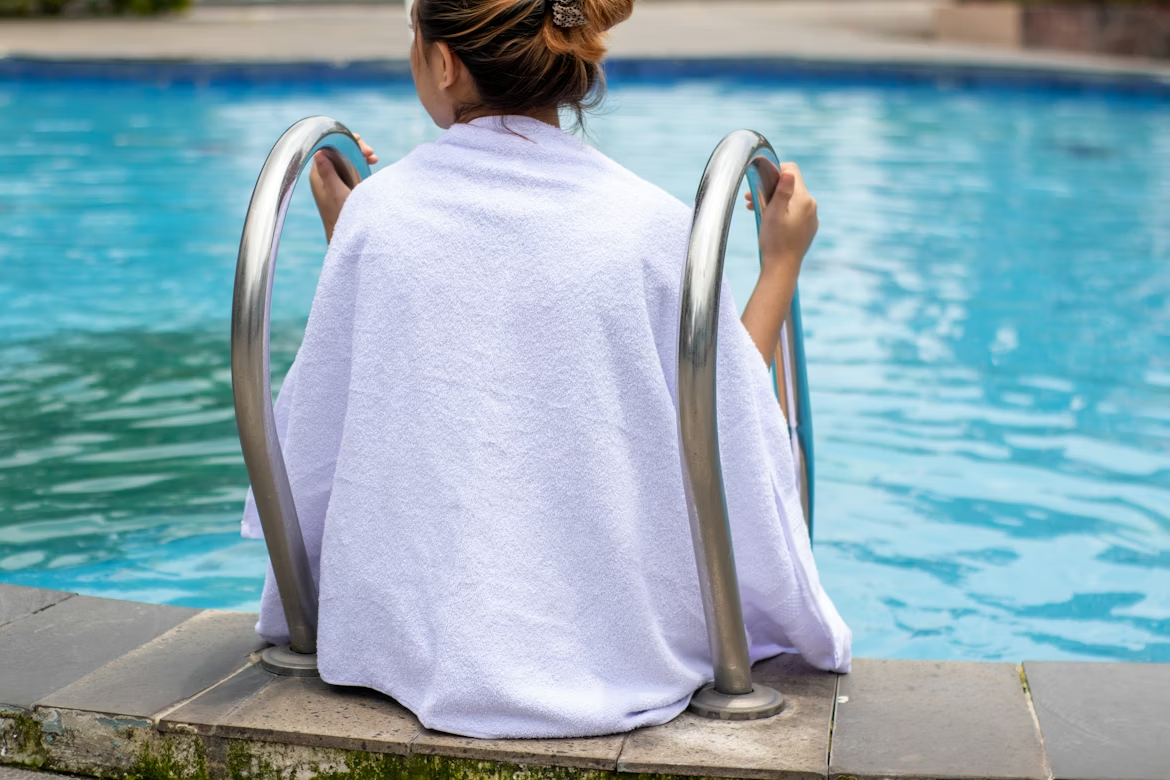
Thoughtful design and tough materials work together. When frames resist corrosion, fabrics shrug off UV, and cushions dry fast, the whole setup lasts longer.
That is how poolside spaces stay comfortable and low-stress. Prioritize durability in the small details, and your deck will stay ready for every swim, snack, and sunset.