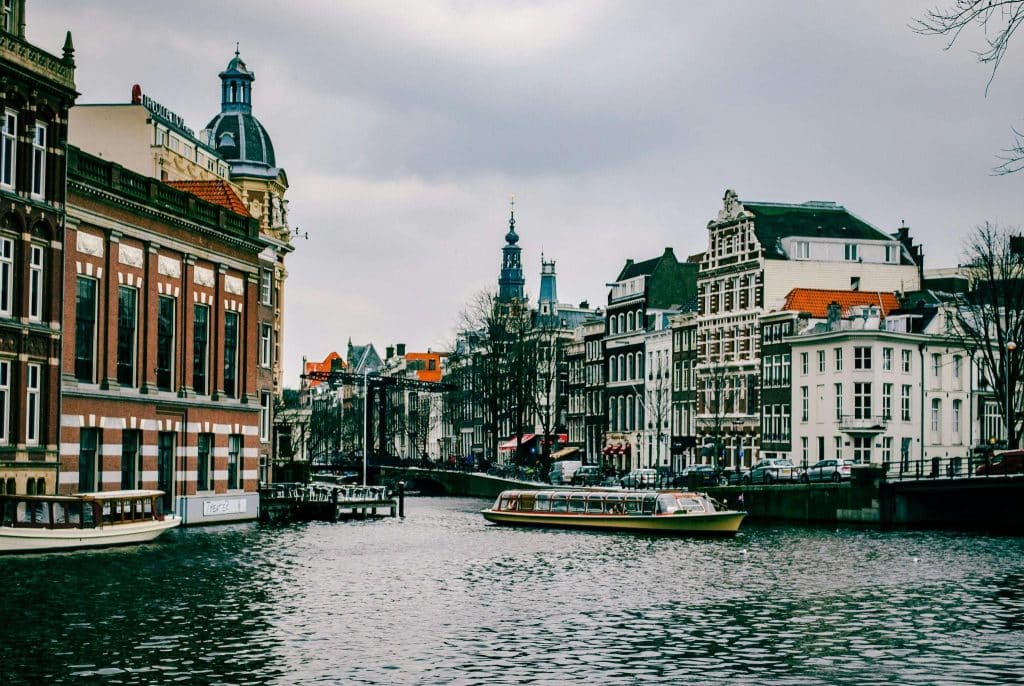
Amsterdam behaves differently when viewed from a boat. The canals run like veins through the city, but they don’t reveal everything at once.
From land, you see postcard views. From water, you see the seams of the city: crooked merchant houses leaning with dignity, bridges so low you instinctively duck, bicycles stacked in tangles, the occasional scent of warm stroopwafel drifting along the surface of the canal.
Sailing here isn’t merely an activity. Amsterdam turns the water into a stage. A canal cruise is not only a practical introduction to the city layout. It changes how you move through Amsterdam for the rest of your trip.
After the slow pace of a boat, the streets feel different. The city starts speaking a language you understand intuitively.
The Canals Reveal Amsterdam’s Oldest Stories
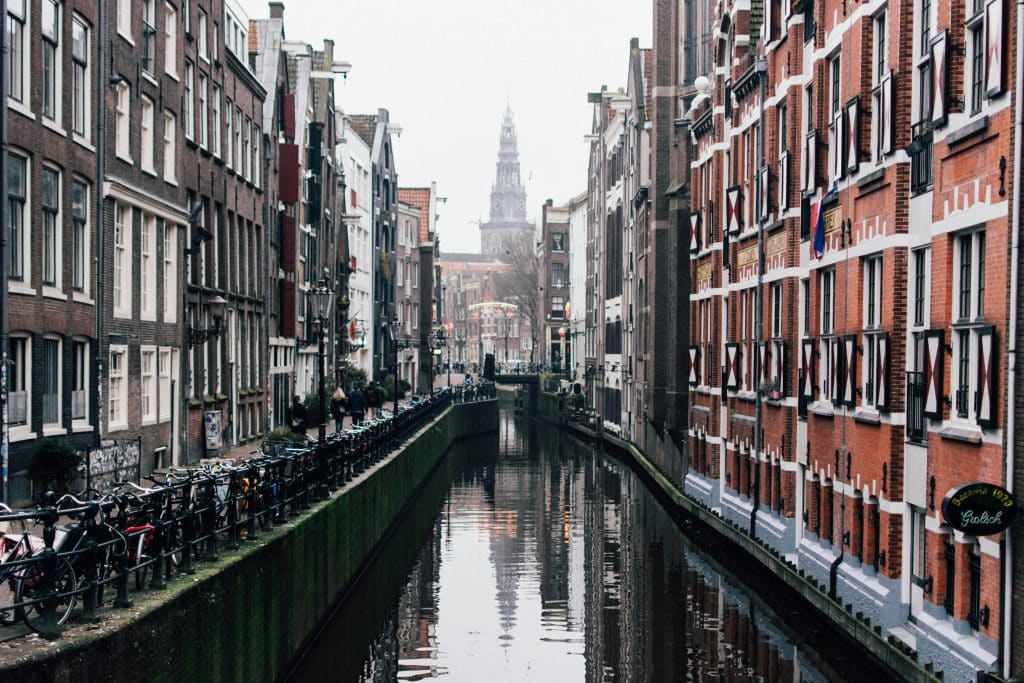
From the boat, the city stops being a polished travel brochure. It becomes layered, textured, lived-in. The first stretch most visitors glide through is the UNESCO-listed canal ring. This is where Amsterdam first learned to be wealthy, strategic, and beautiful in its own practical way.
The Golden Curve: Where Amsterdam Shows Off
The Gouden Bocht — the Golden Bend — is the exact point where the architecture shifts. Merchant mansions stretch themselves like they remembered their former status. The windows reach too high from street level, the facades ornamented to the point of arrogance.
This is the part of the cruise where you understand that Amsterdam was once the world’s commercial heart. A boat is the only place where these buildings feel complete, as if they were designed to be seen from the water first.
You don’t need to memorize every house name or canal, but take note of one detail: many foundations rest on wooden piles driven into soft soil. Centuries later, some houses lean forward as if they are still listening for returning ships.
The Skinny Bridge and the Amstel
The Amstel River breaks away from the tighter canal geometry and opens into broader movement. Locals love the Magere Brug — the Skinny Bridge — for a simple reason: it looks fragile, but has survived more than the city has ever admitted publicly.
At night it glows under delicate lights, and passing underneath turns into a quiet moment of the trip. No need for commentary, the city does the talking.
From here, the boat route feels less like sightseeing and more like entering the everyday life of Amsterdam. Rowers train in the early morning. People sit with a coffee cup balanced dangerously on the edge of the quay. Couples lock bikes and disappear into narrow streets.
Neighborhoods That Were Built With the Water in Mind
A canal cruise isn’t one neighborhood. It’s a sequence of identities. Amsterdam doesn’t hide this. It lets you see where history shifts from elegant to playful to gritty and modern.
Jordaan: Where Art and Life Blend
Jordaan from the water looks like someone forgot to stop celebrating. Flower boxes spill from balconies. Windows sit open even on cold days. This area used to be working-class and cramped. Today it’s the soul of Amsterdam: galleries, cafés, and courtyards that feel like secrets. Cruising past the houseboats here is when you realize many are not novelty attractions — people live in them year-round.
If you dock anywhere nearby, explore by foot. There are streets that feel like they were carved specifically to be discovered slowly: Westerstraat, Tweede Egelantiersdwarsstraat, and the small squares where you can drink coffee or beer right by the canal edge.
Eastern Docklands: A Different Amsterdam Entirely
Further east, the canals widen into what feels like an architectural experiment. Modern buildings meet industrial history, and suddenly the cruise shifts into a different mood. Java Island and KNSM Island are full of sharp lines, steel bridges, and unexpected silence. The views here are not historic charm — they’re urban, open, a little dramatic.
This is the moment you realize Amsterdam isn’t just quaint canals and museums. It’s constantly redesigning itself.
The Canals Connect Amsterdam’s Greatest Attractions
A cruise doubles as transportation. It places major sights along the edge of your route, like stepping stones.
Anne Frank House
From the water, the Anne Frank House looks entirely ordinary. That’s the point. It sits close to the canal, so everyday life passed right by without understanding what was happening inside. Seeing it this way gives context no museum display can.
Rijksmuseum and Museum Quarter
Boats often pass by the rear side of the museum, which isn’t the part tourists pose in front of. The view from the canal shows the structure’s scale — the way the building stretches along the water reminds you it was designed to handle big ideas and even bigger collections.
The Seven Bridges View
One of the most photographed perspectives in the city appears and disappears in a matter of seconds. Seven stone bridges line up perfectly before you like arches inside arches. The effect is simple but unforgettable. You can’t see it properly from land.
Choosing Where to Stop: The Canal Is a Map, Not a Loop
Use the cruise to make decisions for the rest of your trip. The boat gives you a preview. Then you decide where to return on foot.
The Places Worth Stepping Off
- Nine Streets (De Negen Straatjes): independent boutiques, tiny cafés, vintage shops.
- Vondelpark: a short walk inland and suddenly the city becomes quiet.
- Hermitage Amsterdam area: one of the best riverfront strolls.
Each stop looks different from the water. It’s the difference between looking at a shop window and walking into the shop itself.
A Few Unexpected Surprises From the Canal
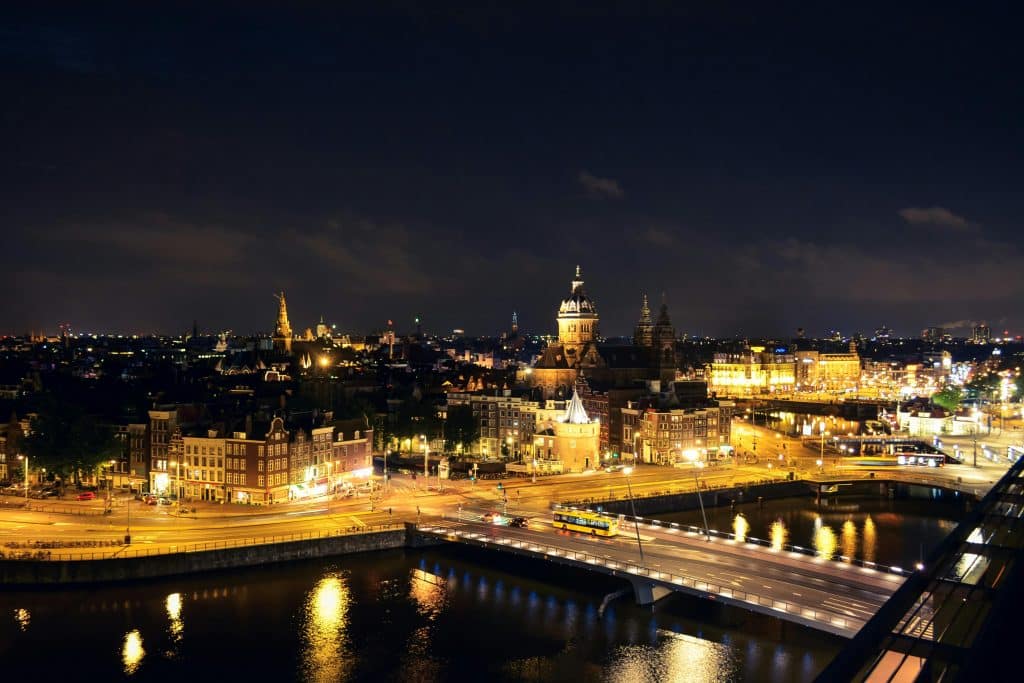
Amsterdam doesn’t perform only for tourists. If you’re lucky, you’ll see locals celebrating on open-deck boats, music flowing through quiet waterways, or an entire floating fleet of kayaks passing by in complete silence.
There are bridges covered in padlocks. Swans drift by like they own the place. A delivery boat will slide under a bridge with no hesitation. The canals are still a working system, not a museum.
When Day Turns Into Evening
If there is one moment that stays with you, it’s the transition between afternoon and night. The lights reflect on the surface of the water. The bridges take on a thin row of glowing dots. People say Amsterdam becomes romantic at night — from the canals, it becomes architectural poetry.
A sunset cruise doesn’t feel staged. It feels like the city lowers its voice.
The Cruise Is Only the Beginning
Stepping off the boat changes how you walk the city. Streets you passed earlier become familiar. Distances shrink. Neighborhoods connect. And you’ll start to choose routes that follow the canal edges, because your mind has been rewired by the water.
Amsterdam is best understood from a boat not because the canals are beautiful — everyone already knows that — but because the view from the water gives you permission to move through the city differently.
And once you’ve seen Amsterdam that way, every bridge, every street, every café visit carries the memory of the canals with it.