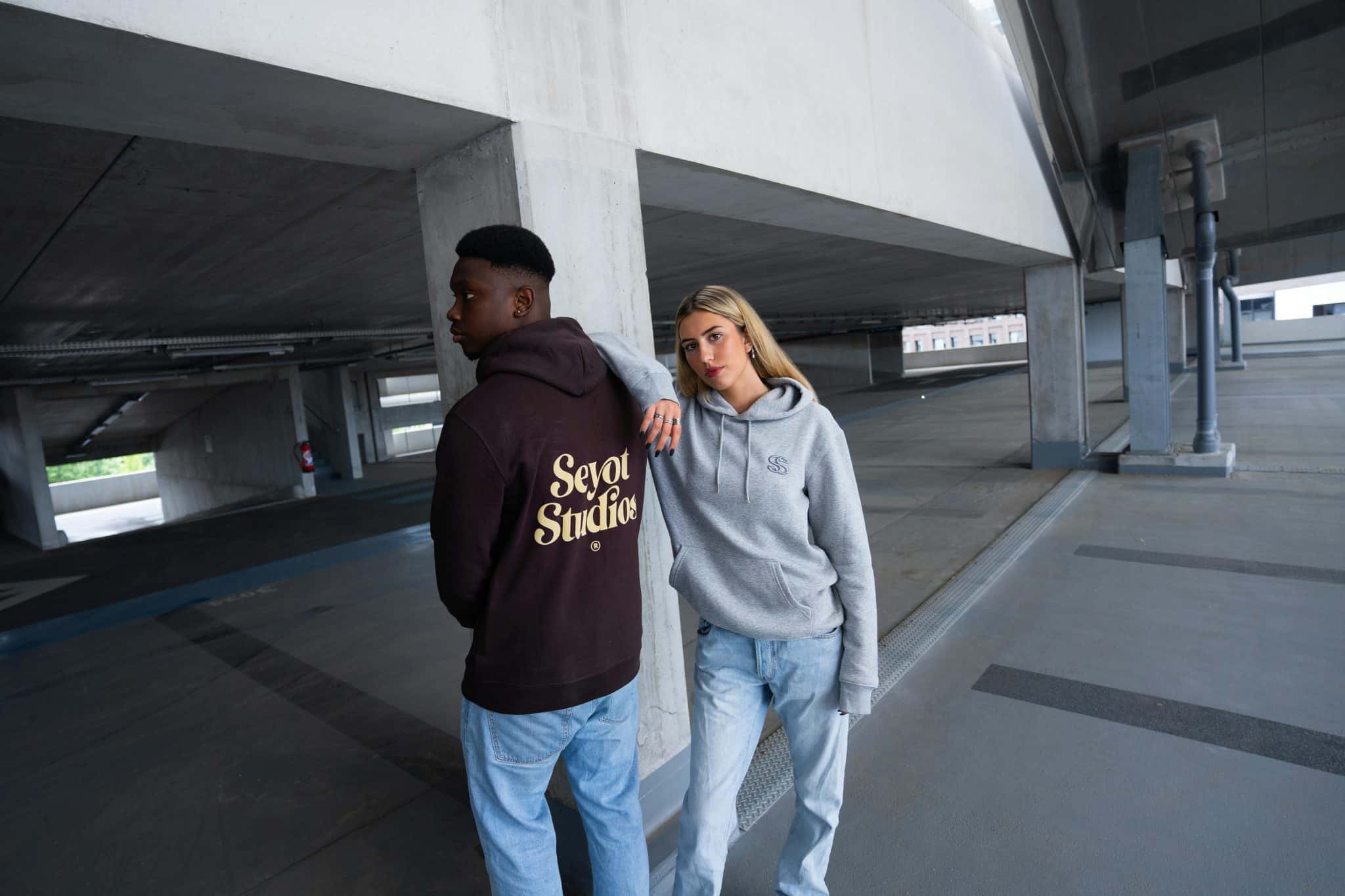
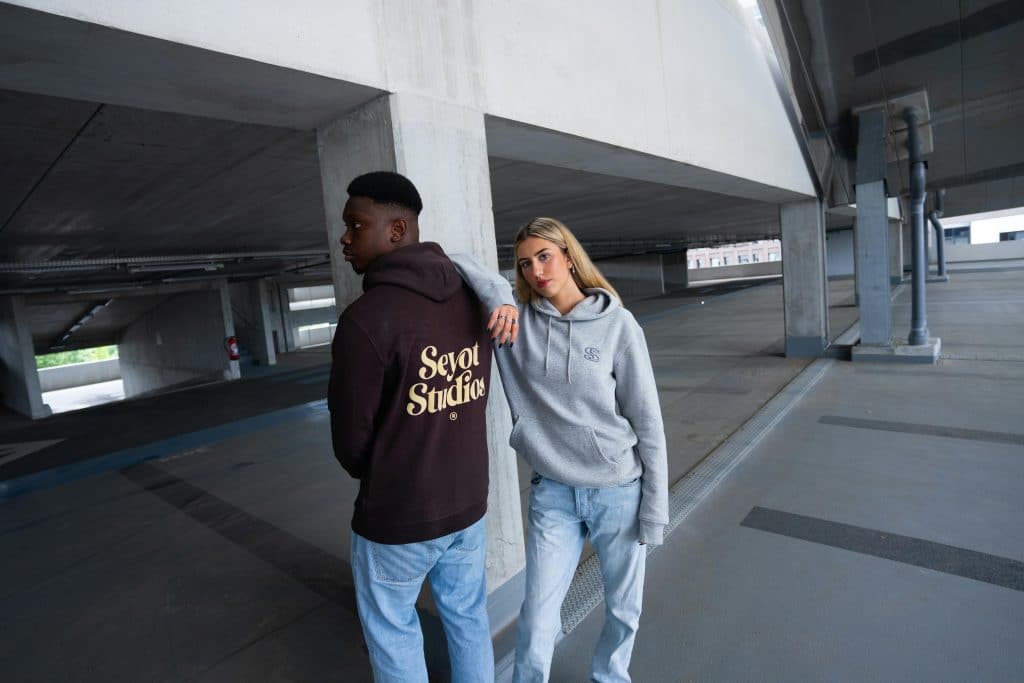
Something interesting is happening in workplaces across the country. Status doesn’t look the way it used to. Gone are the days when a prominent logo or a rigid dress code told you everything you needed to know about where someone stood professionally. Instead, people are gravitating toward something more deliberate – more personal. You can see it in the growing popularity of items like personalized hoodies, which manage to feel relaxed and intentional at the same time. These aren’t promotional giveaways. They’re becoming genuine expressions of who someone is, and who they work for.
The shift from visibility to intentionality
For a long time, professional status was loud. Big logos, formal attire, strict dress codes – these were the signals people used to read a room and understand the hierarchy. But workplaces have changed, and the markers of success have changed with them. What matters now is less about recognition and more about intention. Are your choices thoughtful? Do they reflect something real about who you are and what you value?
Personalized apparel fits right into that mindset. It moves away from the generic and toward the considered. A subtle embroidery detail, a carefully chosen color palette, a clean and refined design – these things say something without shouting it. And in today’s professional environments, that kind of quiet communication carries a lot of weight.
Personalization as a reflection of brand identity
What people wear at work has always told a story. Personalized clothing just gives businesses more control over what that story says. Rather than defaulting to standard uniforms or forgettable off-the-shelf options, companies can create apparel that actually reflects their personality – their tone, their values, the way they want to be seen.
This matters especially in fields where perception is everything. Creative agencies, hospitality businesses, consulting firms – in these spaces, the details do a lot of the talking. A well-designed piece of clothing can signal professionalism, warmth, or creativity before a single word is spoken. And when that visual language stays consistent across different touchpoints, it adds up to something meaningful. Clients and partners start to recognize a coherence that feels deliberate, because it is.
The influence of workplace culture
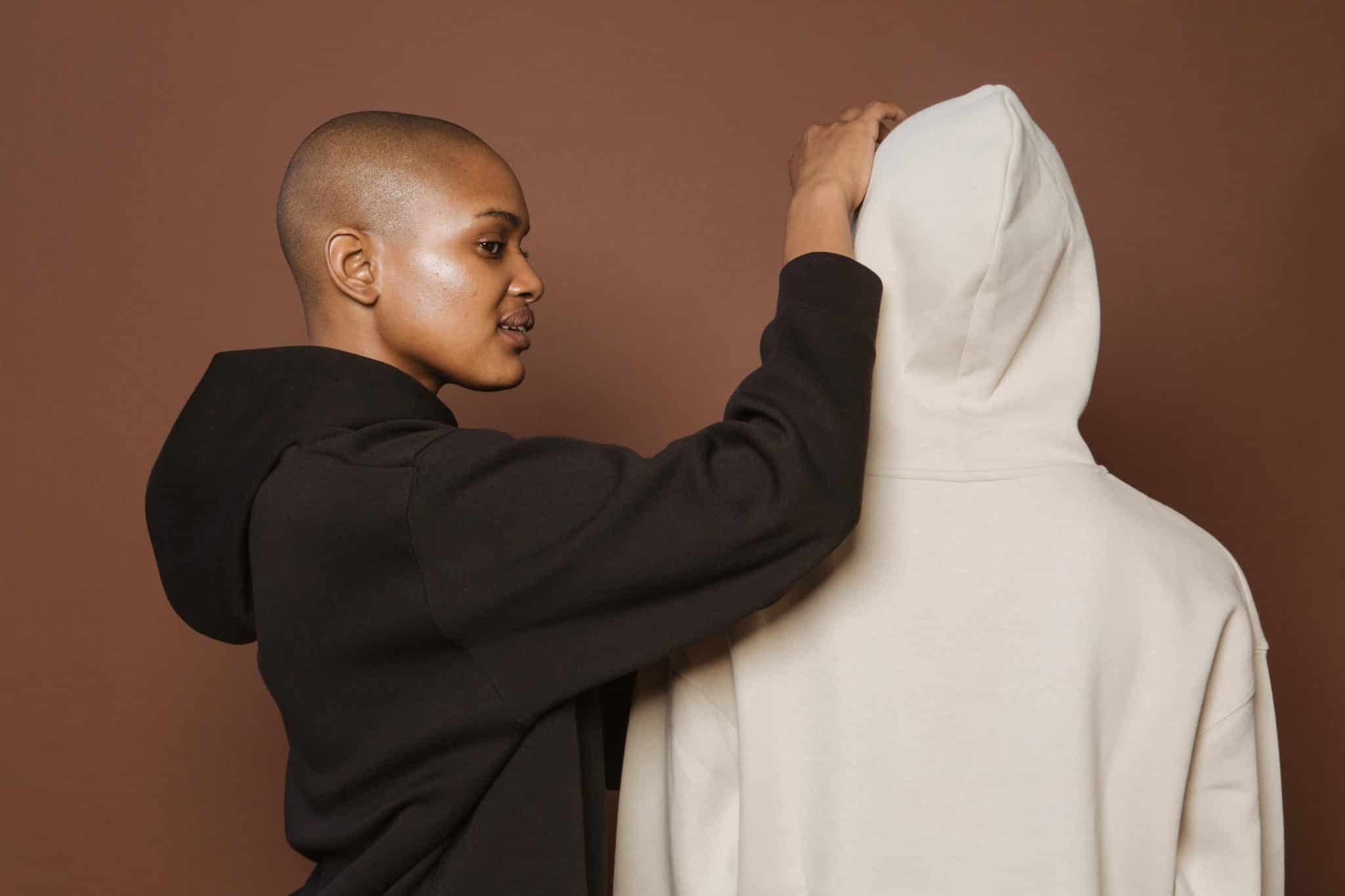
Shifting workplace culture has a lot to do with why personalized apparel is gaining ground. Dress codes have loosened considerably, and that’s opened up space for a different kind of professionalism – one that blends comfort with purpose. Employees don’t have to choose between feeling like themselves and representing their organization well. Personalized clothing lets them do both.
Remote and hybrid work has pushed this even further. When teams are scattered and there’s no shared physical space to anchor a sense of identity, businesses have had to find other ways to maintain connection. A piece of clothing that everyone on the team has, designed specifically for that organization, can do more than you might expect. It’s a small thing, but small things add up.
And it doesn’t require everyone to look identical. The best approaches allow for individual variation within a shared visual framework – enough structure to feel cohesive, enough freedom to feel human.
Status through subtle differentiation
Here’s what modern status often looks like: it’s not the loudest thing in the room. It’s the most considered. Professionals are distinguishing themselves through nuance – the quality of what they wear, the coherence of how it all comes together, the sense that nothing was chosen by accident.
Personalized apparel supports exactly that. These pieces are specific to one organization. They can’t be picked up anywhere else, and they weren’t designed for everyone. That exclusivity is real, even when the garments themselves are understated. The status comes through in what the clothing represents – care, specificity, a refusal to settle for the default option.
The role of practicality and versatility
Practicality matters too, and it shouldn’t be overlooked. Modern work doesn’t happen in one setting anymore. People move between client meetings, team check-ins, casual Fridays, and off-site events – sometimes all in the same week. Clothing has to keep up with that.
Well-designed personalized pieces tend to be built with versatility in mind. Neutral tones, clean silhouettes, styles that don’t scream any one occasion – these qualities make it easy for employees to wear the same item across very different contexts without it feeling out of place. And because the customization is usually subtle rather than splashy, the connection to the brand stays intact no matter where the garment ends up being worn.
Building a sense of belonging
Status isn’t purely external. A big part of it is internal – how connected someone feels to the organization they’re part of, how aligned they are with its purpose and values. Personalized apparel can quietly reinforce that connection in a way that’s easy to underestimate.
When someone wears something that was made specifically for their team, it says something. It’s a small, consistent reminder that they’re part of something intentional. In workplaces where collaboration and shared purpose are central – and that’s most good workplaces – those kinds of signals matter more than people often realize. They contribute to culture in ways that are hard to measure but very real.
A long-term perspective
This isn’t a trend that’s going to fade out. Personalized apparel is becoming part of a broader, lasting shift toward more experience-driven, intentional branding. Businesses are thinking more carefully about every element of how they show up in the world – and clothing is one of those elements.
The status that comes with personalized apparel isn’t tied to how flashy it is. It comes from what it stands for: thoughtfulness, alignment, and a genuine effort to move beyond the generic. In a professional landscape that’s constantly evolving, those qualities are increasingly hard to fake – and increasingly worth having.
When you step back and look at the bigger picture, what’s really changing is the definition of status itself. It’s no longer about what’s most visible. It’s about what’s most deliberate.