Planning a fishing trip should feel exciting, not stressful. The fastest way to keep it fun is to research your location before you pack the truck. A little prep helps you match the right water, season, and access to your goals.
Good research saves money and time. You can avoid closed roads, sold-out campgrounds, and surprise rule changes. Most of all, you arrive with a clear plan and a better shot at steady action.
Define Your Goals And Match Them To Water
Start by choosing the experience you want. Trophy hunting feels different from teaching a friend to cast. Rivers, lakes, and surf each require specific gear and skills. Be honest about your time, budget, and comfort.
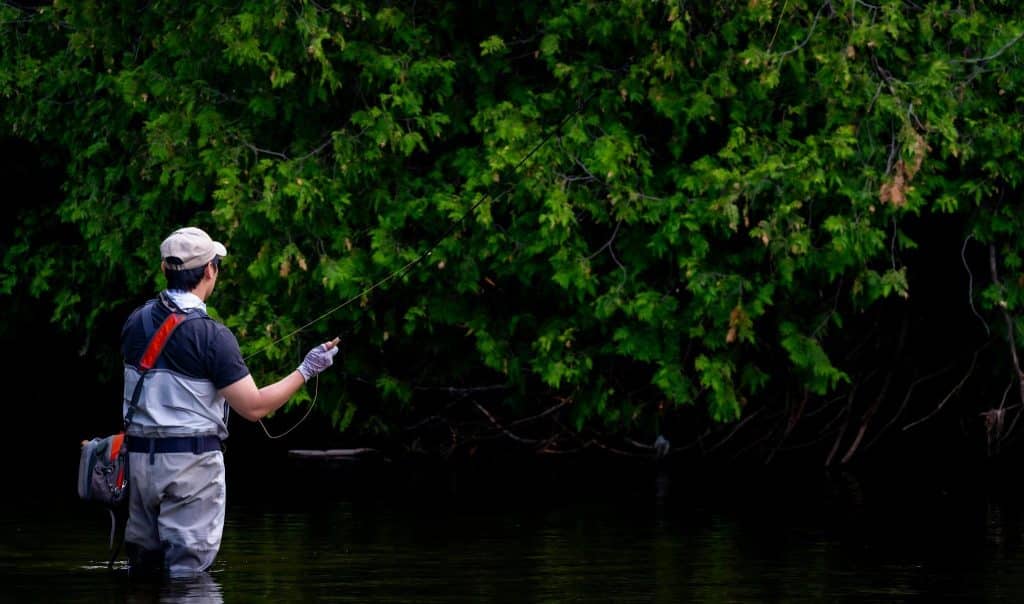
Maybe you dream of sight fishing for giant cutthroat from a ladder. Target big alkaline lakes with shore structure and spring migration, like Fly Fishing Pyramid Lake Nevada, when fish move shallow. Note how wind, clarity, and access shape where you can reach fish.
Check maps for drive times, ramps, and public easements to test the plan. Make sure your water fits your travel window. If it does not, pivot early while options remain open.
Time Your Trip With Weather Windows
Fishing success tracks water temperature, clarity, and wind. A bluebird sky is nice for photos, but a soft chop can turn the bite on. Use forecasts to place your longest sessions on the best-looking days.
Study how storms affect your chosen water. Lakes may fish better on prefront pressure dips. Rivers might color up and push fish to the edges, where you can reach them safely.
Have a plan for sudden changes. If lightning moves in, you should know where to shelter and how far it is. If the wind jumps, shift to a leeward bank or a smaller cove with cleaner lanes.
Read The Water Before You Arrive
Scout the main features you will fish. On lakes, note drop-offs, points, and wind lanes. On rivers, look for seams, shelves, and safe wading routes.
Use satellite imagery to mark likely ambush spots. Compare those marks with prevailing wind and sun angles. You want places that fish well in the morning and still hold shape in an afternoon blow.
Layer in flows, levels, and recent changes. Federal water tools provide mapping that helps you visualize flooding and assess risk, which is useful for low-lying approaches and river crossings. An overview explained that flood-inundation maps now reach a large share of the U.S. population, making pre-trip risk checks far easier.
Build Around Permits, Seasons, And Local Rules
Before you finalize dates, confirm what paperwork you need and when the seasons open. Some waters run on tribal or special regulations, with unique closures and permit windows. Others require site reservations for day use.
One national reservation platform notes you can book experiences across thousands of facilities and tens of thousands of individual sites. That means popular campgrounds near marquee fisheries can sell out fast around holiday weeks. Treat permits and reservations as the backbone of your plan.
Use a quick checklist to stay organized:
- License or permit requirements and where to buy them.
- Season dates, slot limits, and gear rules.
- Campground or access reservations and release times.
- Boat inspection or decontamination details.
- Backup sites if your first pick is full.
Lock In Lodging And Access Early
Once your dates line up with the rules, secure a place to sleep near the water you want to fish. Short drives mean more casts and safer returns in bad weather. If you need a slip, ladder spot, or guided day, get it on the calendar now.
Pay attention to booking windows. Some state systems open inventory on a rolling basis. Guidance from one system explains that reservations can typically be made months ahead and new inventory opens each morning, so setting a reminder boosts your odds.
Double-check parking, day-use hours, and gate codes. If a storm closes a road, you need a backup entrance or a second lake nearby. Save offline maps in case cell service drops.
Plan For Safety, Backup Spots, And Gear
Safety is part of the plan. Cold water, high wind, and slick rocks can end a day fast. Pack layers, lights, and a simple first aid kit.
Build a short list of secondary waters within an hour. If your main lake blows out, a sheltered pond or tailwater can save the trip. Mark those routes and access points in advance.
Match gear to the location you researched. Long leaders for spooky flats, stout tippet for big fish in surf, or fast-sinking lines for deep ledges. Pack spares so a broken rod tip does not erase the second day.
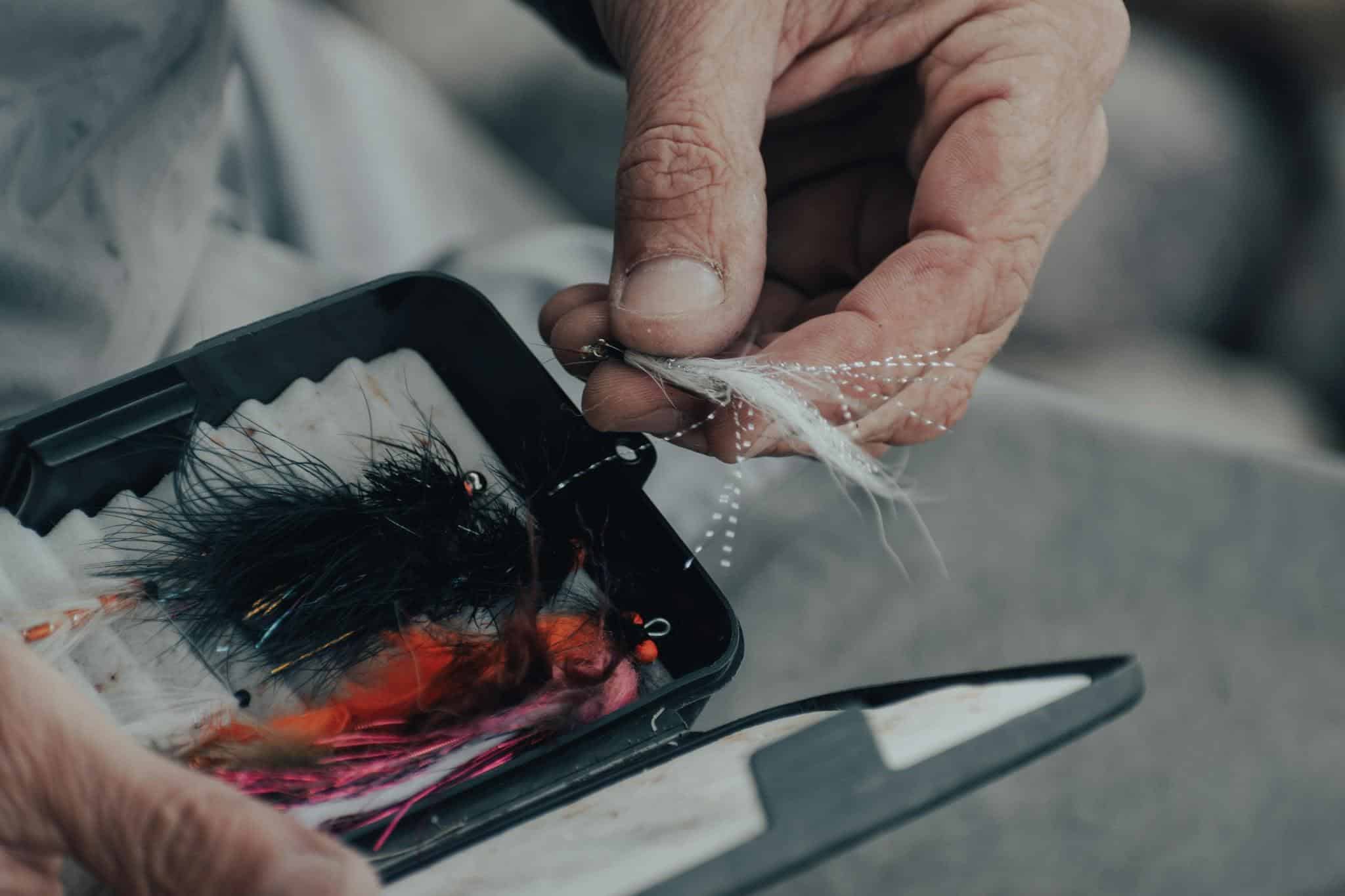
Planning the right location shapes the whole experience. When your goals, water type, and timing align, you can focus on the rhythm of casting and the feel of the take. You get more shots in good water and fewer headaches on shore.
Do the homework once, then enjoy it all trip long. With a clear plan, you will spend less time guessing and more time fishing. That is the payoff for smart location research.