

Judges deny bond in murder cases for serious legal reasons. The decision isn’t random or personal. Courts follow specific guidelines when determining who gets released before trial.
Bond denial happens frequently in violent crime cases. Statistics show 80% of defendants charged with murder face high bail or complete denial.
The numbers are lower for other crimes. Rape charges see 34% denial rates, while robbery sits at 30%.
YNW Melly’s bond was denied after his arrest in February 2019. He remains in custody awaiting retrial.
His case demonstrates how the system works for serious charges. Understanding these decisions helps explain why some defendants stay locked up for years.
This article breaks down the main reasons judges deny bond. You’ll learn about flight risk, public safety concerns, and other legal factors that influence these critical decisions.
Severity of the Crime Matters Most
The crime itself is the biggest factor in bond decisions. Murder charges almost always result in bond denial. Judges view these cases differently from minor offenses.
First-degree murder carries heavy penalties. Sentences range from life in prison to the death penalty. The stakes are extremely high. Someone facing these consequences has a strong motivation to run.
Courts prioritize public safety over individual freedom. When serious violence is involved, judges lean toward keeping defendants in custody. The risk to the community outweighs the defendant’s right to pretrial release.
Violent crimes signal potential danger. A person accused of killing someone might harm others if released. Judges must consider this possibility. Their job includes protecting the public.
Capital offenses traditionally never allowed bond. In some states, this rule still applies. The death penalty connection makes flight risk too high to ignore.
Flight Risk Assessment
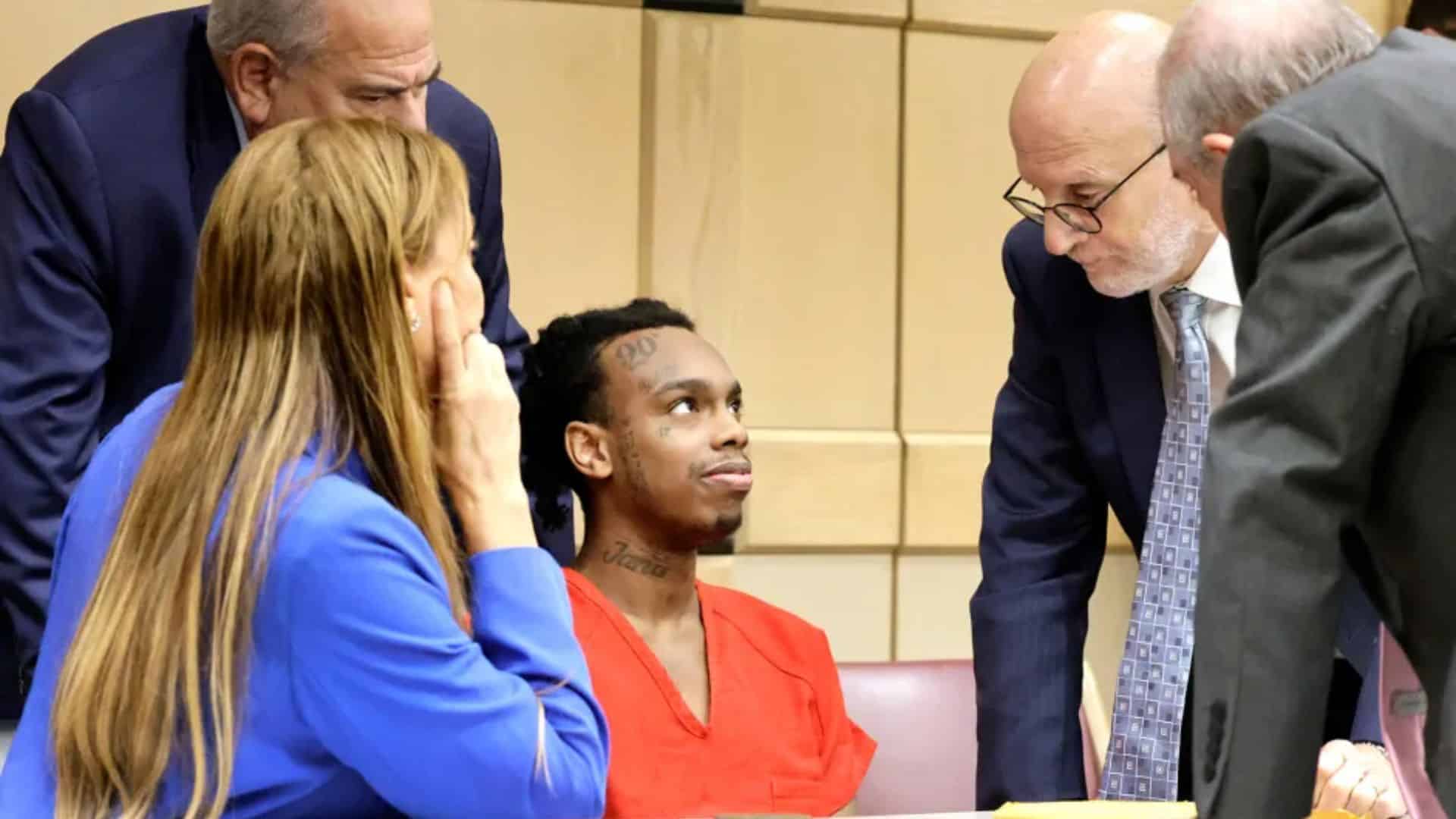
Image source: BillBorad
Alt text:YNW-Melly-in-a-red-jail-uniform-speaking-with-attorneys-in-a-courtroom-setting.
Flight risk is a primary concern for judges. They evaluate whether defendants will appear in court. Several factors influence this assessment.
Financial resources matter significantly. Someone with money can disappear easily. They can buy plane tickets, rent apartments under fake names, or leave the country. High bail amounts try to prevent this.
Community ties affect decisions, too. Defendants with strong local connections are less likely to flee. Family, jobs, and property ownership all count as ties. Someone with nothing keeping them local presentsa higher risk.
A history of prior court appearances tells judges a lot. Missing past court dates raises red flags. Even one failure to appear makes future bond unlikely. Judges need proof of reliability.
Criminal history also plays a role. Repeat offenders are more likely to run. First-time offenders have a better chance of bond approval.
YNW Melly’s case included flight risk considerations. Judge John Murphy denied his bond request in September 2023. The severity of charges and ongoing legal issues influenced the decision.
Danger to the Community
Public safety concerns often override other factors. Judges must protect communities from potentially dangerous individuals. This responsibility weighs heavily in violent crime cases.
Murder charges suggest extreme danger. Someone willing to kill once might do it again. Courts can’t risk releasing them. The potential harm outweighs the defendant’s freedom.
Threat assessment includes examining past behavior. A history of violence makes bond denial more likely. Previous assaults, threats, or aggressive incidents count against defendants.
Victim and witness safety also matters. If someone threatened witnesses or showed intimidation tactics, judges deny bond. The legal process requires honest testimony. Protecting witnesses is essential.
In 2023, Melly faced additional witness tampering charges. Prosecutors claimed he ordered gang members to prevent testimony. These accusations strengthen arguments against the bond. They pose a potential danger to the legal process itself.
Prior Criminal History and Violations
Past behavior predicts future actions. Judges carefully review criminal records before making bond decisions. A long rap sheet reduces bond chances significantly. An active criminal justice status is critical.
Defendants on probation or parole who commit new crimes face harsher consequences. They already violated trust once. Courts won’t risk it again.
Statistics show that these defendants are four times as likely to have their bond set at zero. Someone with one prior felony conviction has double the denial rate of first-time offenders.
Previous bond violations eliminate future chances. Missing court dates, contacting victims, or committing new crimes while on bond destroy credibility. Judges remember these failures.
Melly had prior arrests before his 2019 murder charges. In 2015, he faced assault charges. In 2017 and 2018, additional arrests occurred. This history didn’t help his bond requests.
Legal Process Protection
Courts must maintain justice system integrity. Some defendants pose risks to the legal process itself. Judges deny bond to prevent interference.
Witness tampering is a major concern. If defendants might threaten or influence witnesses, they stay in custody. Honest testimony requires witness safety and confidence.
Evidence destruction is another risk. Someone free on bond could destroy crucial evidence. They might hide weapons, delete messages, or intimidate others to lie.
Jury intimidation can happen, too. High-profile cases attract attention. Defendants with resources might try to influence jurors. Keeping them in custody prevents this possibility.
These concerns apply strongly to Melly’s case. His witness tampering charges directly relate to process protection. Courts take these accusations very seriously.
How YNW Melly’s Case Illustrates These Principles
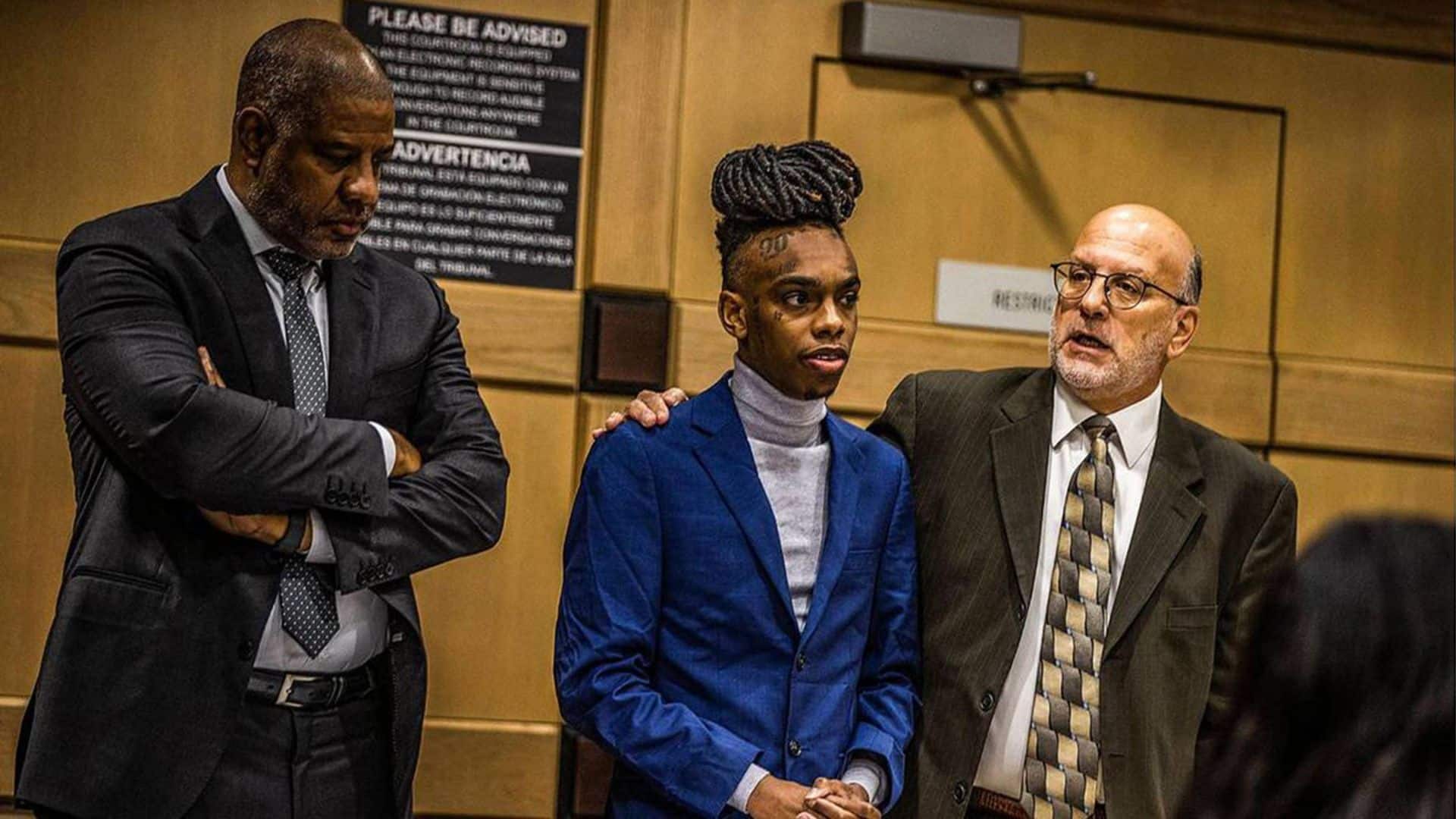
Melly’s murder charges and continued custody demonstrate all these factors working together. The severity of double murder charges creates an immediate likelihood of denial. His retrial date keeps pushing back, extending his time behind bars.
Before his arrest, his song Dangerously in Love reflected struggles that would later define his reality.
The rapper’s case shows how bond denial affects defendants for years. His recent decision to cut his dreads came after nearly six years in custody. Physical changes reflect the long wait for trial.
His situation isn’t unique. Thousands of defendants face similar circumstances. The system prioritizes caution over convenience in serious cases.
Conclusion
Judges deny bond in murder cases for clear legal reasons. The severity of the charges, flight risk, community danger, and criminal history all matter. The decision protects public safety and ensures defendants appear for trial.
Murder charges carry the highest bond denial rates at 80%. The stakes are too high to risk release. Courts balance individual rights against community protection.
Understanding these factors helps explain why some defendants remain in custody for years. Bond denial isn’t punishment before conviction.
It’s risk management for the most serious accusations. The legal system follows established guidelines to make these difficult decisions fairly.