Have you ever noticed something different about David Bowie’s eyes?
That hypnotic stare became one of the most talked-about features in rock history.
Some people swore he had two different colored eyes. Others claimed it was makeup or special effects. The truth is far more interesting than most people realize.
His gaze wasn’t just genetics or artistic choice. There’s a real medical explanation behind the look that defined his entire career. The story involves an unexpected event that changed everything.
In this blog, I’ll show you the truth behind David Bowie’s eyes. You’ll learn the real cause, the medical facts, and why this feature became so important to his legacy.
Also read: The David Bowie Mugshot That Became Pop Culture Gold
What Was Unique About David Bowie’s Eyes?
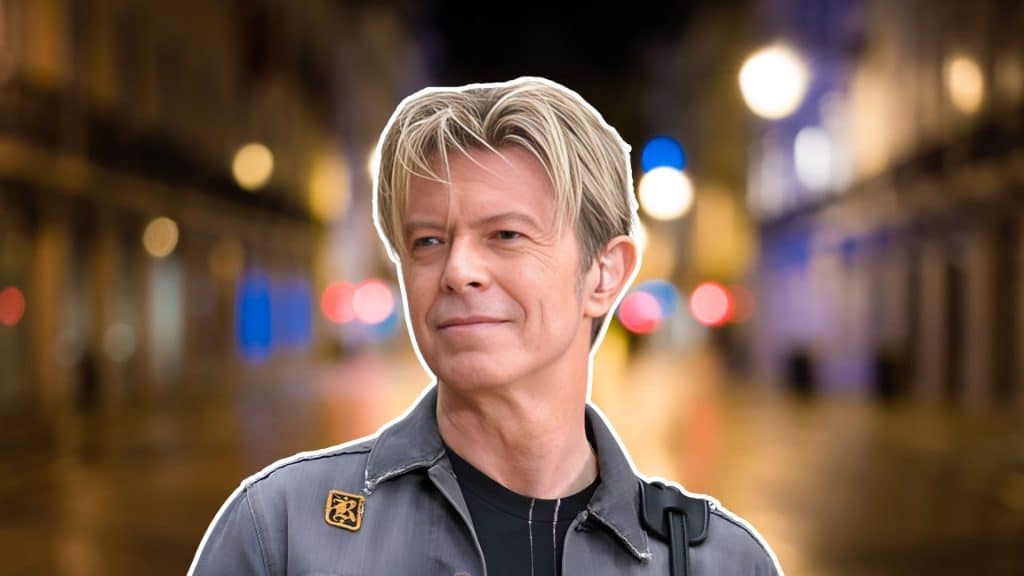
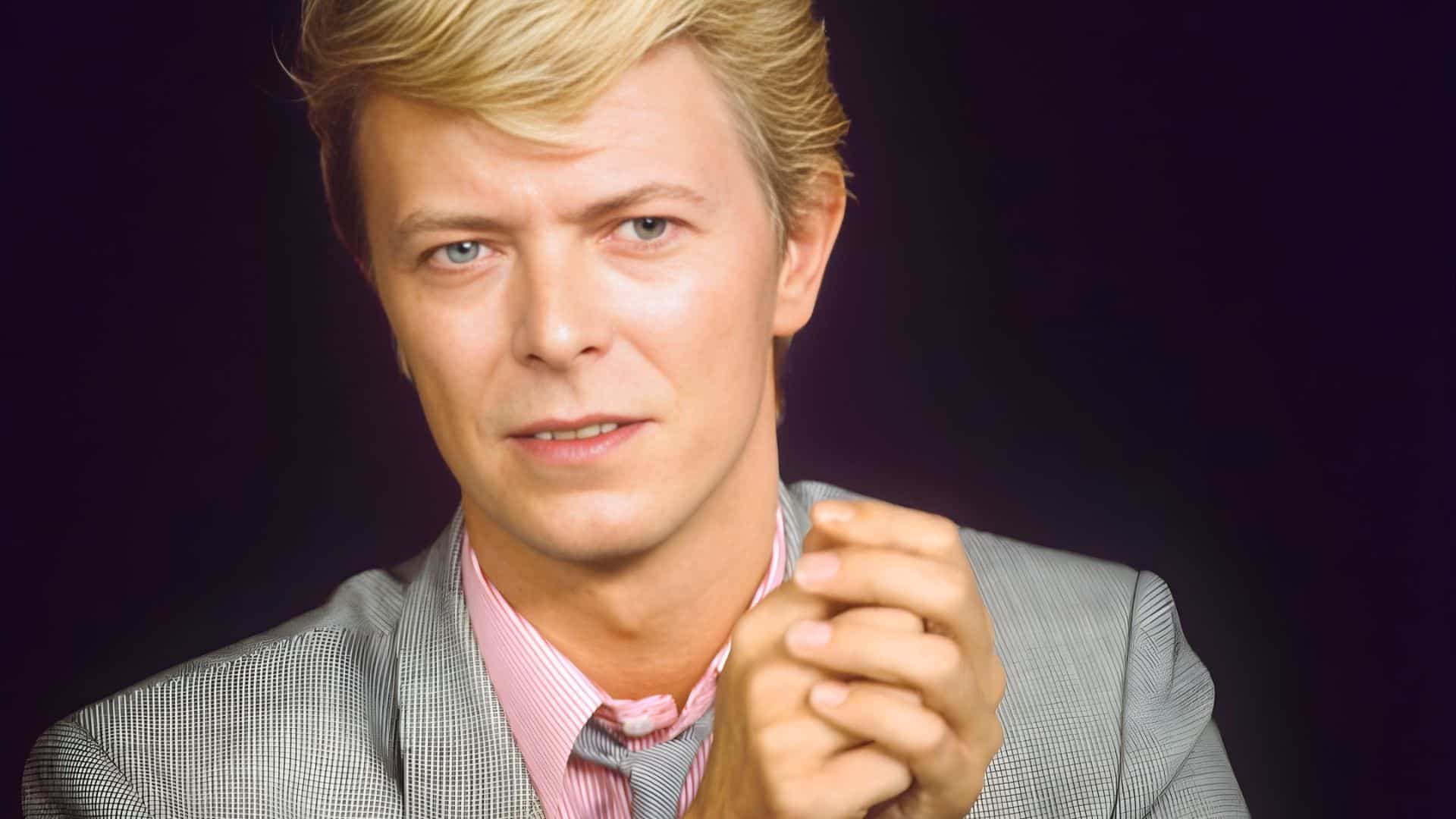
Bowie’s gaze became iconic due to its odd asymmetry. One pupil remained much larger and darker than the other, creating a striking optical illusion.
His left pupil remained fixed and wide open. It absorbed more light, making that eye look shadowy and dark in photos. The right pupil worked normally.
This gave Bowie an alien-like stare that fit his stage characters perfectly. He later said it added “a kind of mystique” to his look. The feature became his trademark for five decades.
What Actually Happened: David Bowie’s 1962 Eye Injury
In early 1962, a teenage fight changed David Bowie’s life forever. The 15-year-old, then known as David Jones, argued with his school friend George Underwood. Both boys liked the same girl.
→ Underwood punched Bowie during the fight
→ His fingernail scratched Bowie’s left eye
→ The cornea and iris muscles were damaged
But what followed was intense.
Bowie received treatment at Farnborough Hospital and needed emergency surgery two days later. He spent four months recovering from multiple procedures.
The damage was irreversible. The iris muscle responsible for pupil size ceased to function entirely, leaving his left pupil permanently dilated.
Despite the incident, the two remained lifelong friends. Underwood eventually contributed artwork to Bowie’s early albums, and Bowie later thanked him for giving him that unique edge.
Medical Reason Behind His Different-Looking Eyes
Bowie had anisocoria, meaning unequal pupil sizes. People confused it with heterochromia for decades. He rarely corrected them, letting the mystery add to his appeal.
The Science Behind the Look:
His iris sphincter muscle stopped working after the injury. This tiny muscle controls how your pupil responds to light. Without it, his left pupil stayed permanently wide open.
Why did it look dark?
The wide pupil absorbed more light and made the eye look black or shadowy.
Both irises remained the same brilliant blue shade throughout his life. Only the pupil size changed, creating the two-tone effect that fans noticed.
It was purely cosmetic, resulting from nerve and muscle damage with no genetic factors involved.
How Bowie’s Eyes Shaped His Image and Stage Persona?
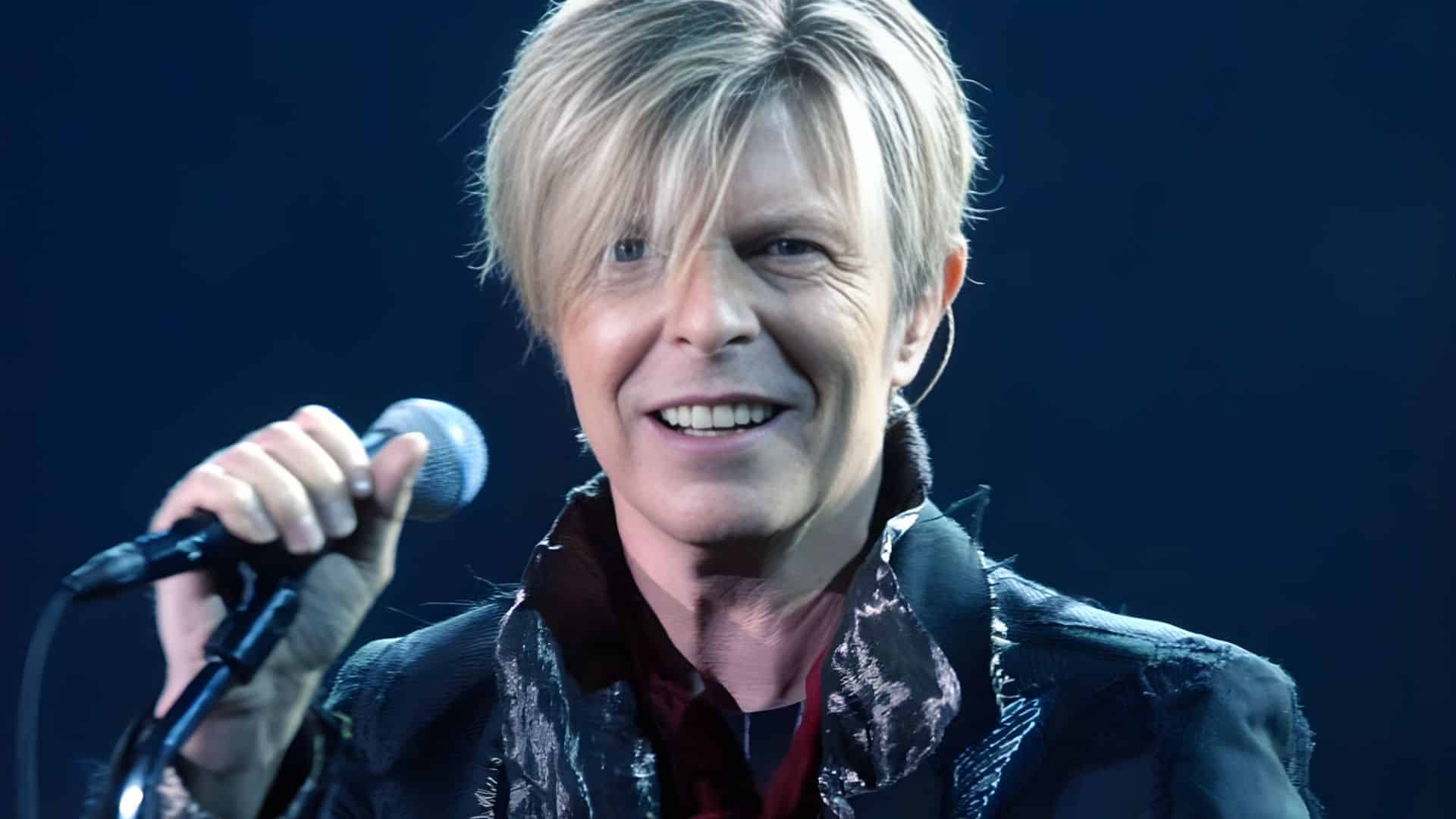
The unchanging pupil became a core element of Bowie’s visual identity, complementing his alien personas like Ziggy Stardust perfectly.
Stage Enhancement:
✓ Dramatic makeup highlighted the asymmetry
✓ Lightning bolt designs drew attention to his face
✓ Close-up shots emphasized the difference
✓ Stage lighting increased the contrast effect
Photographers used specific angles to make one eye look darker, which worked brilliantly on album covers like Aladdin Sane and Heroes.
Bowie turned a tragic injury into his iconic visual trademark. The asymmetry of his pupils gave him a captivating stare that no one could imitate.
His gaze took on an otherworldly, slightly unsettling quality, which fans found magnetic. This enigmatic stare helped fuel his mystique during the glam rock era.
Did His Eye Condition Affect His Vision or Health?
Yes, it did affect his vision throughout his life. The injury left him with permanent challenges he learned to manage over time.
What Was Impacted?
- His left eye had reduced depth perception and blurry vision
- Judging distances became difficult.
- Light sensitivity made bright environments uncomfortable.
- Tasks requiring spatial awareness needed extra focus.
The Problems He Faced and How He Managed:
Catching objects, driving, and stage movement became challenging. He wore sunglasses outdoors to reduce glare. Performances required careful attention to positioning.
Surgery saved his sight, so he wasn’t blind. No serious health issues like glaucoma developed.
Bowie rarely discussed these struggles. He kept performing high-energy shows throughout his career, never letting practical difficulties stop his creative work or artistic focus.
David Bowie’s Eyes in Pop Culture and Legacy
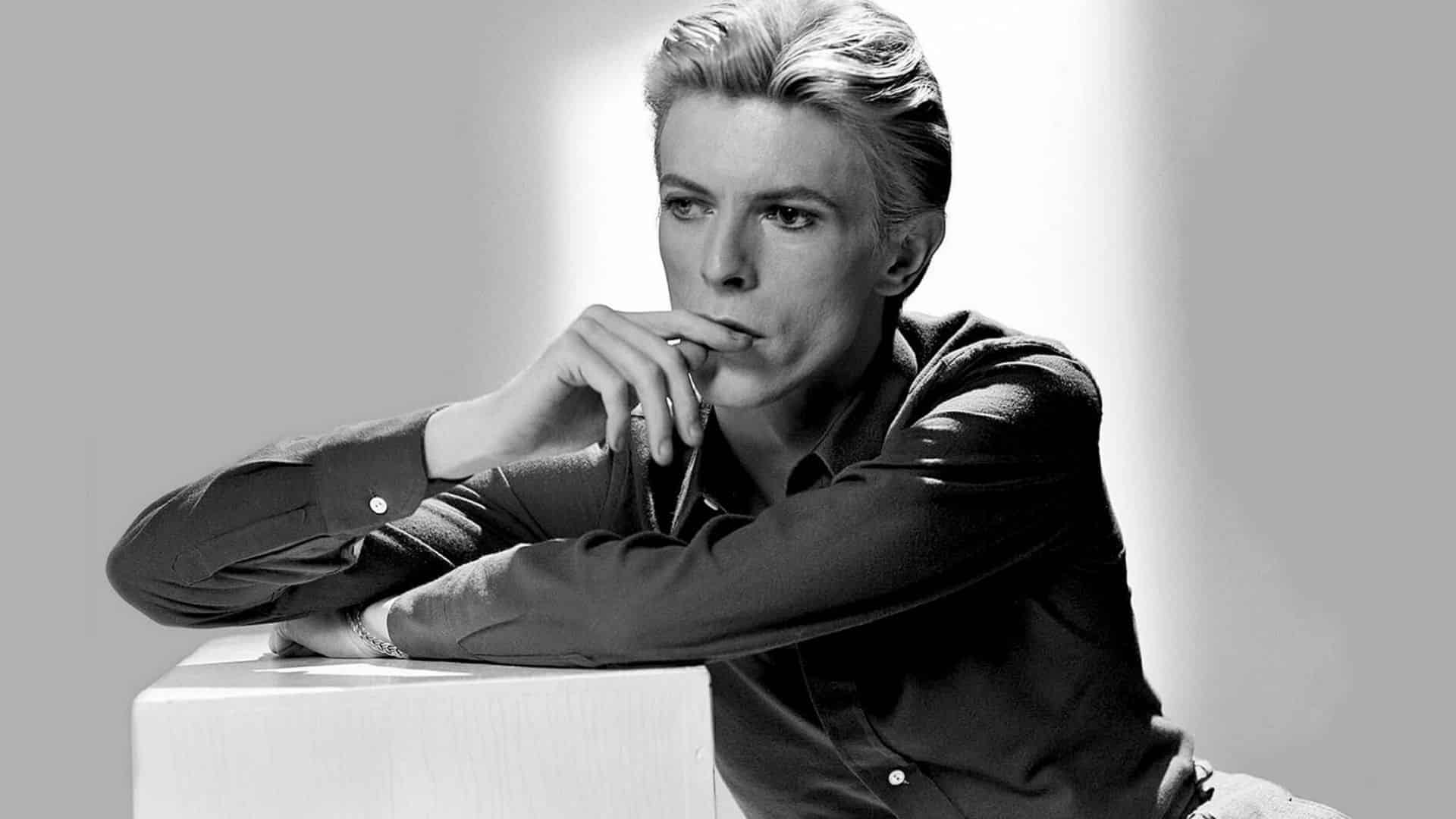
Bowie’s anisocoria became a powerful symbol of accepting differences and celebrating what makes people unique. After his 2016 death, tributes flooded social media and public spaces worldwide.
Cultural Impact:
→ Fan art featuring his distinctive stare appeared across platforms.
→ Costume tributes at concerts and festivals honored his look.
→ References in films like Velvet Goldmine kept his image alive.
→ Artists like Lady Gaga adopted asymmetrical styling in performances.
Ten years later, in 2026, fans still visit the Brixton mural to pay respects. Radio stations play documentaries celebrating his influence.
The ‘Bowie gaze’ symbolizes an outsider identity and changeover, proving how what seems like a flaw can become a strength.
His look continues to inspire fashion designers, photographers, and musicians worldwide. The asymmetry remains iconic and timeless across generations.
Disclaimer: The information shared here is based on publicly available sources and current estimates. This content is for general informational purposes only and should not be taken as exact or official data.
Wrapping It Up
David Bowie’s eyes tell a remarkable story of turning an accident into an advantage and becoming a symbol that defined an entire era.
What started as a schoolyard fight became one of music’s most memorable visual signatures that perfectly matched his artistic vision and philosophy of celebrating differences.
The asymmetry represented his entire approach to being unique and owning it without apology or explanation.
Decades later, his gaze still captivates new generations and proves that what makes you different can become your greatest strength in ways no one could have predicted at the time.
What’s your favorite David Bowie memory or song? Share your thoughts in the comments below!