Buying a used car is part research project, part gut check. Brand reputation sits at the center since it blends data, history, and how a vehicle feels to live with day to day. Get the reputation signals right, and the rest of the purchase becomes simpler.
Why Reputation Matters In The Used Market
Reputation compresses risk. Strong brands tend to build vehicles that age predictably, which means fewer surprise repairs and steadier resale. That stability draws more shoppers, helping prices stay rational when it is time for you to sell.
It is not about badges for their own sake. A trusted name often reflects parts availability, dealer know-how, and a long record of engineering choices that hold up past 100,000 km. Those traits show up as calmer ownership.
Shortlist By Reputation Signals
Start with the use case. List what you need the car to do, then match brands known for that lane: quiet commuters, family haulers, or rugged weekenders. Make a short list of models that fit the job first, so you are not swayed by trim names or cosmetics.
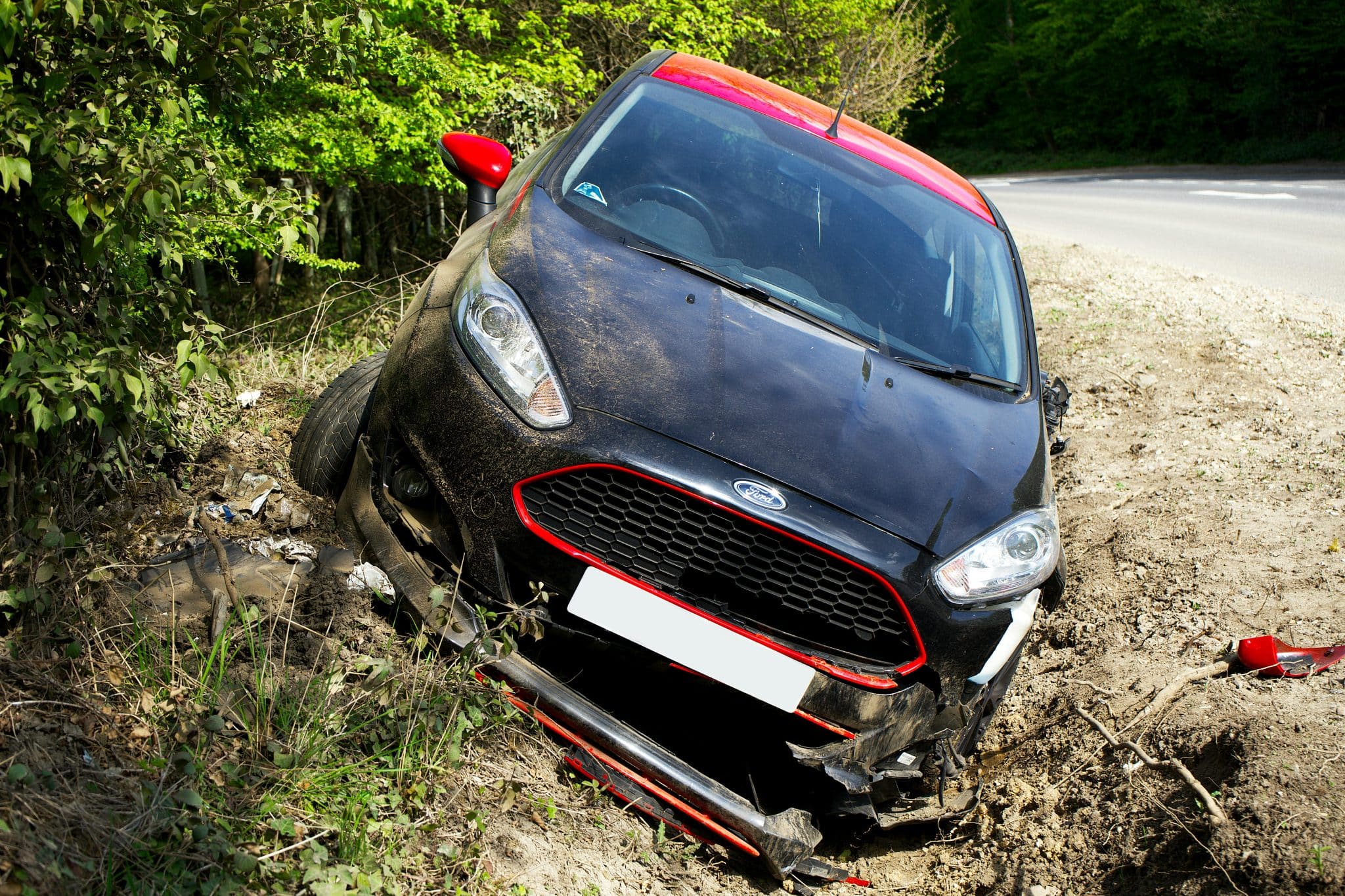
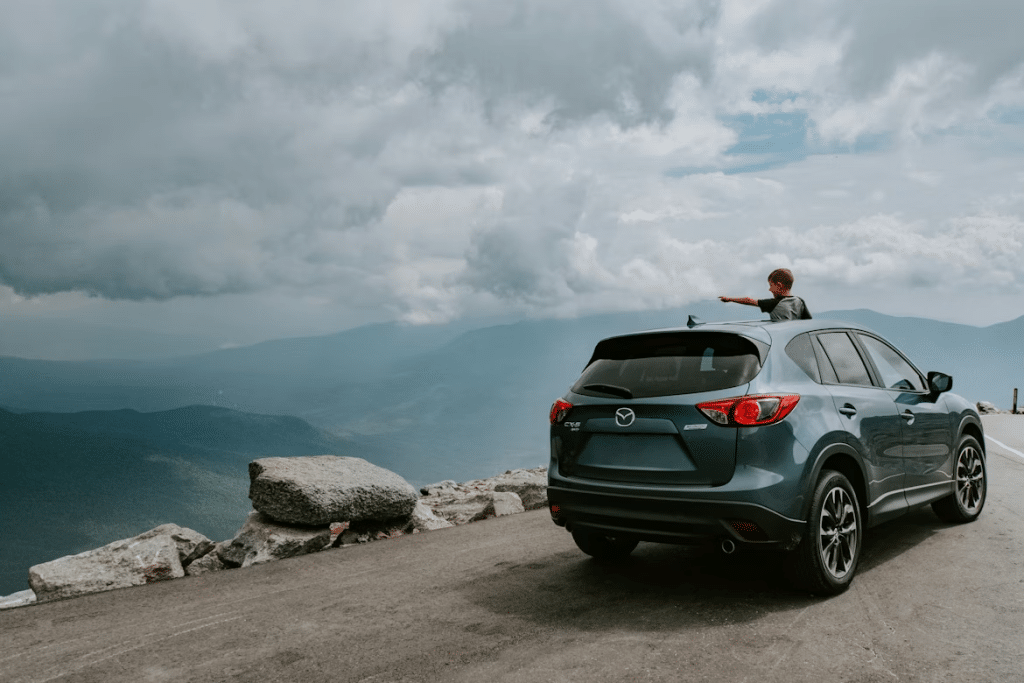
If you are exploring SUVs or hatchbacks from a couple of makers, compare trims and seat layouts on pages that let you browse Ford vehicles online, Mazda ones, or similar options in one place. Then return to local listings with a tighter target so you can focus on condition and price. A clear scope keeps you from chasing every shiny ad.
Price should not lead your list alone. Treat a tempting low number from an iffy brand as a flag to slow down. Pay a little more for a model with a solid track record, and you often save it back in repairs and time.
Reliability, Recalls, And Ownership Stories
Independent testing groups track long-term reliability by brand and model. One recent review from Consumer Reports noted that some makers consistently score higher for predicted reliability and others trail the pack.
Use that kind of ranking to nudge your choices toward brands with fewer chronic issues.
Balance the charts with ground truth. Search for common problems by model year and read what owners report at higher mileage.
Recalls are not deal breakers if the fixes were done, but a pattern of unresolved campaigns is a sign to walk. Reputation here means fewer known weak points and quicker fixes when they do show up.
Total Cost And Resale Confidence
A good brand reputation lowers your total cost over time. Insurance can be cheaper for models with strong safety records and affordable parts. Independent shops see common issues more often on popular, durable nameplates, so diagnostics and repairs tend to be faster.
Resale is another quiet win. When you choose a respected brand and keep records, you attract better buyers later. That market trust shows up as more messages when you list and fewer requests for big discounts. Think of it as the interest you earn for choosing well at the start.
- Track real-world fuel economy from owners, not only stickers
- Price common wear items like brakes and tires for your trim
- Check timing belt or chain intervals and parts availability
- Compare insurance quotes before you commit
Safety And Trust In The Badge
Reputation includes how a brand handles safety. Look for consistent crash test scores and wide availability of driver aids like automatic emergency braking, blind spot monitoring, and lane keeping on the trims you can afford.
A brand known for prioritizing safety usually pushes those features down the lineup sooner.
Trust comes from after-sales support. Brands with responsive parts networks and clear technical bulletins help both used and new buyers. When a repair is needed, you want a service bay that has seen your issue before and can get you back on the road quickly.
Test, Verify, And Decide Calmly
Bring the reputation research to the driveway. Compare two or three candidates from brands with solid records and drive them back-to-back on the same loop. Reputation should match the feel: tight steering, smooth shifts, and a cabin that still feels well-crafted.
Verify before you buy. Get a pre-purchase inspection, confirm open recalls are closed, and read maintenance records for regular service. A brand with a strong name gives you a head start, but the specific car still has to earn your trust on paper and on the road.
Brand reputation is a shortcut that points you toward calmer ownership. Use it to filter choices, then let condition, maintenance history, and a thorough drive seal the deal. Do that, and your used car will feel like a smart decision every time you turn the key.