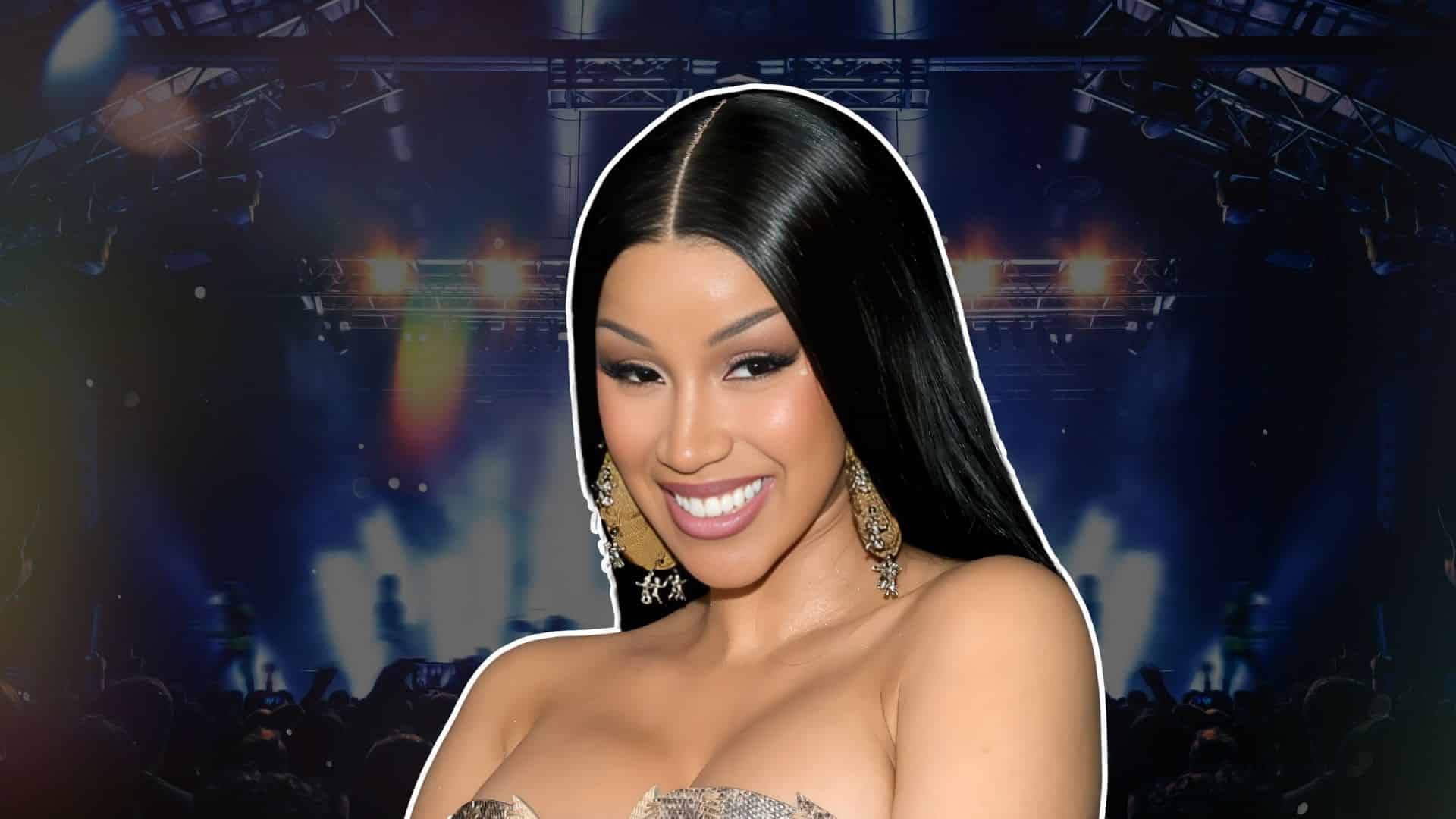
Have you ever wondered where Cardi B really comes from?
Her background sparks constant debates online. Some call her Dominican. Others insist she’s Black. Many get confused about what her passport says versus where her family roots lie.
The truth is more interesting than most people realize.
Her story involves two Caribbean islands, multiple cultures, and a childhood in immigrant communities. Simple labels don’t capture the full picture.
In this blog, I’ll show you what Cardi B’s nationality is, explain her ethnic heritage, and clear up why people mix these terms. You’ll see how she describes herself and why her roots matter.
What is Cardi B’s Nationality?
Cardi B is American by nationality. Born Belcalis Marlenis Almánzar on October 11, 1992, she entered the world in Washington Heights, Manhattan, New York City.
- Born in the United States
- Gained citizenship through birthright (14th Amendment)
- Raised in the Bronx’s Highbridge neighborhood
- No dual citizenship on record
Her childhood unfolded in immigrant-rich communities. This shaped her identity, but doesn’t change her legal status. She’s a native New Yorker through and through.
Cardi B’s Ethnic Background and Family Roots

Cardi B’s ethnicity tells a much richer, more detailed story than her nationality alone can reveal about her family background.
Cardi B’s Father’s Side:
Carlos Almánzar → From Santiago, Dominican Republic.
His ancestry includes African, Spanish, and indigenous Taíno roots. He immigrated to the U.S. in 1990 and worked as a taxi driver in NYC.
Cardi B’s Mother’s Side:
Clara (Belkis Duran) Almánzar → Trinidadian with African-Spanish heritage.
She lived in Trinidad before moving to the Dominican Republic. Later, she worked in retail in New York.
Her family background reflects Caribbean colonial history. Slavery and Spanish rule created this ethnic blend. Cardi’s darker features come from her grandparents, especially on her mother’s side.
Her sister, Hennessy Carolina, shares this Afro-Caribbean heritage. Together, their roots tell a story of migration and culture.
Is Cardi B Dominican or Afro-Latina?
She’s both, and these terms describe different parts of her identity that work together rather than against each other in any way.
Dominican refers to her cultural connection to the Dominican Republic through family history, while Afro-Latina describes her Black ancestry within Latin culture.
The term Afro-Latina exists because millions of Black people live throughout Latin America with African roots from the Caribbean’s complex colonial history.
She doesn’t choose one label over the other but instead embraces both proudly as they represent her complete heritage and lived experience.
What Has Cardi B Said About Her Identity?
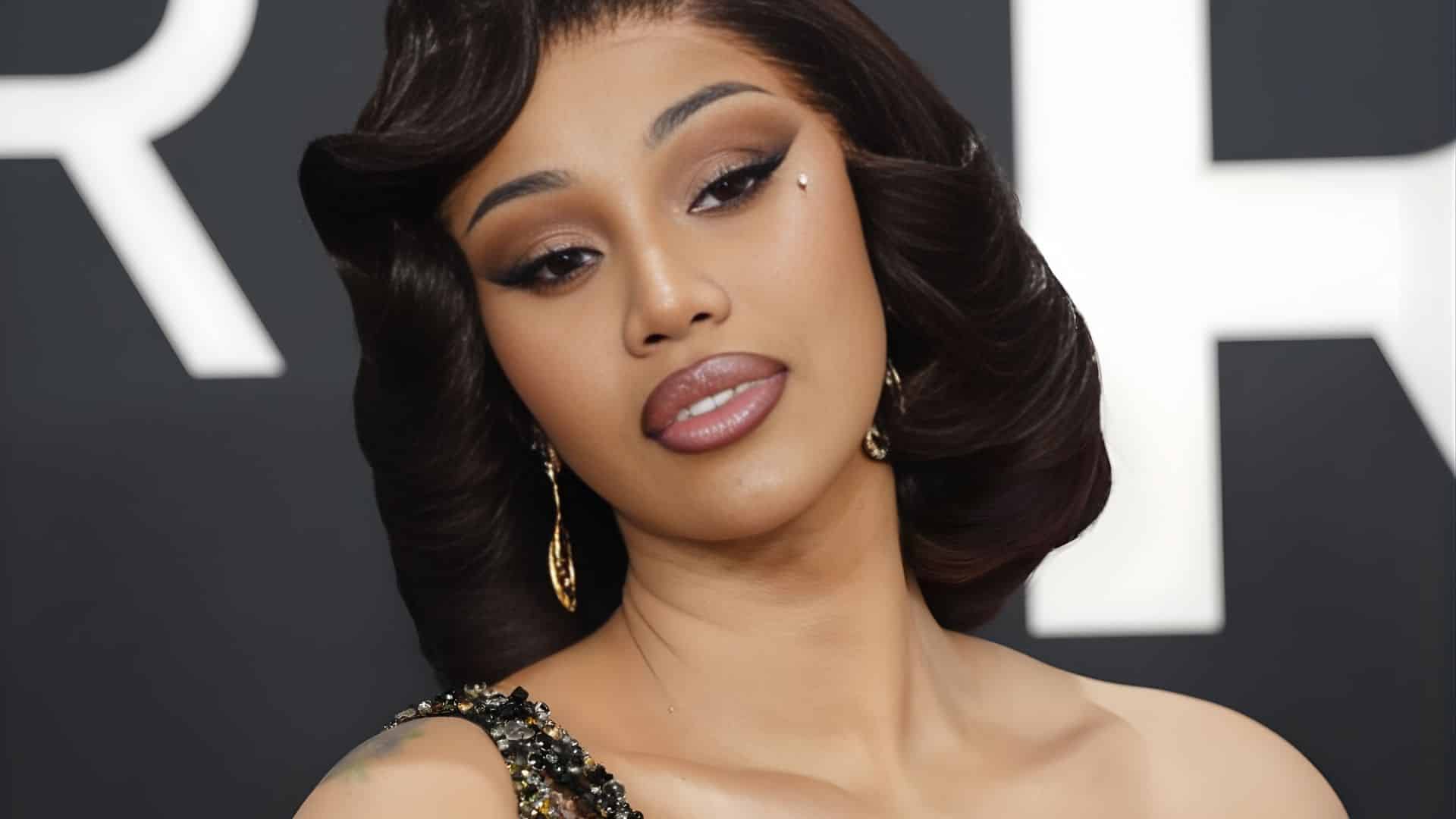
Cardi speaks openly about who she is, and she corrects misconceptions regularly on social media and in interviews.
From 2017 to 2026, Cardi B’s social media and interviews consistently highlight her Afro-Latina identity, dispelling misconceptions and proudly sharing her heritage.
She often shares her Afro-Caribbean roots, clarifying her identity in response to critics, particularly with her focus on race versus ethnicity.
Her social media platforms and interviews reflect the continuous embrace of her diverse heritage, from her family background to her pride in Afro-Latina culture.
How Cardi B’s Heritage Influences Her Music?
Her Afro-Caribbean background isn’t just part of her story. It’s woven into every beat, rhythm, and lyric she creates.
Musical Influences
Dominican Sounds → Bachata and merengue rhythms add spice to tracks like “Bodak Yellow,” which went diamond and hit number one.
Trinidadian Energy → Soca and calypso beats bring bounce to her flow. These Caribbean styles make her music feel different from typical rap.
“I Like It” (2018) mixed reggaeton with Latin trap. She worked with Bad Bunny and J Balvin. The song topped charts and earned diamond certification.
Her album Invasion of Privacy won a Grammy for Best Rap Album. It blended Bronx street stories with Latino cultural pride throughout.
Collaborations with artists like Ozuna and Shaggy showcase her roots. She fuses hip-hop with island vibes, creating crossover appeal that reaches global audiences.
How the Public Perceives Cardi B’s Nationality and Heritage?
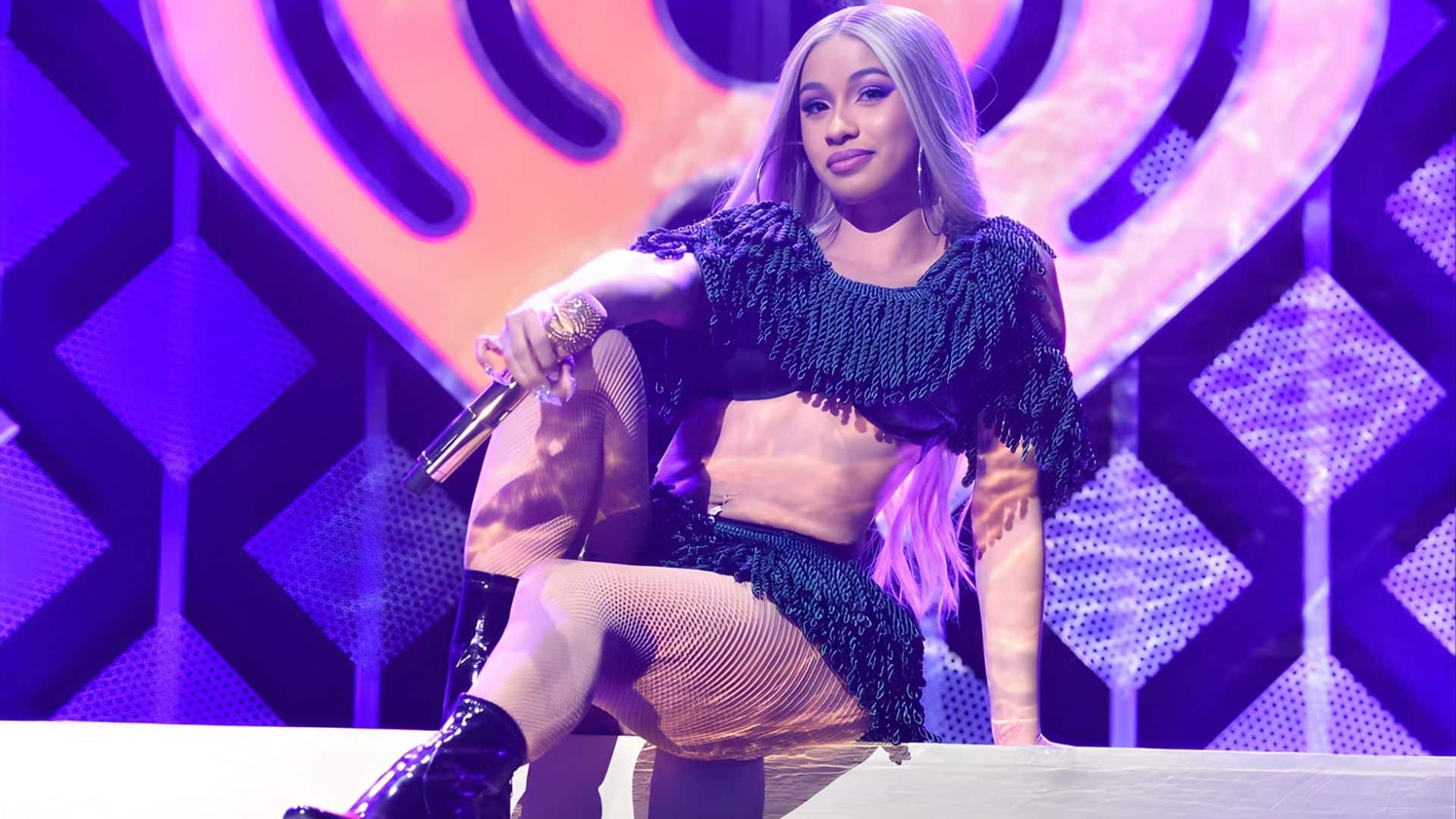
Cardi B is often viewed through different perspectives, with some highlighting her Dominican background and others emphasizing her Black roots, while the media tends to oversimplify her identity.
On social media, constant debates arise over her identity, with some challenging the authenticity of her claims and others defending her right to embrace both her Dominican and Afro-Latina roots.
Public Perceptions:
Mainstream media → Labels her “Dominican rapper” while ignoring Trinidadian heritage.
Black community → Mixed reactions from full embrace to questions about authenticity.
Latino community → Pride in success mixed with colorism debates.
Rather than avoiding tough conversations, Cardi B actively engages with her followers, educating them about the complexities of race, ethnicity, and the Caribbean identity.
Celebrity status turns her family posts into teaching moments about Afro-Latino identity for millions of followers who engage with every statement she makes.
Disclaimer: The information shared here is based on publicly available sources and current estimates. This content is for general informational purposes only and should not be taken as exact or official data.
Wrapping It Up
Cardi B’s nationality is American, but her ethnic story runs much deeper through Caribbean history and culture that shaped generations before her.
Her Dominican and Trinidadian roots define who she is as both a person and an artist who refuses to hide any part of her background.
The confusion around her identity teaches us that race, ethnicity, and nationality represent different things that people often mix together without proper context.
Caribbean heritage doesn’t fit into neat American categories, and her openness about this reality helps millions better understand Afro-Latino identity across communities.
What’s your take on how heritage shapes an artist’s work? Drop your thoughts in the comments below!