The idea of a high-tech home has shifted over the past few years. It is no longer about futuristic gadgets that look impressive but rarely get used. Today, a truly high-tech home is one that quietly supports your daily life. It works in the background, stays reliable, and adapts as your needs change.
Whether you are building from scratch or upgrading an existing space, the most important decisions are often the least visible ones. A smart home that feels seamless depends on infrastructure, thoughtful device choices, and systems that can grow with you instead of needing constant replacement. Let’s check out what actually matters when you want to build a home that feels modern, connected, and dependable.
Start With the Right Foundation
Every high-tech home begins with a strong network. Without it, even the best smart devices become frustrating. Dead zones, dropped connections, and lag quickly undermine the experience.
Nowadays a mesh network is essential if you want your technology to work at home. Unlike traditional routers that broadcast from a single point, mesh systems use multiple access points that work together to provide consistent coverage throughout your home. This approach is especially valuable in larger houses, multi-story layouts, or homes with thick walls.
Solutions are out there that are designed specifically to make whole-home connectivity feel effortless. Instead of manually managing extenders or constantly troubleshooting weak signals, a mesh network dynamically routes traffic and adjusts performance as devices move around your space.
The practical benefit is stability. Video calls do not freeze when someone starts streaming. Smart cameras stay connected. Voice assistants respond quickly instead of timing out. A strong mesh foundation makes every other smart upgrade more reliable.
Choosing Smart Home Devices You Can Actually Rely On
Once your network is solid, the next step is deciding which devices deserve a place in your home. The smartest homes are not the ones with the most gadgets. They are the ones with devices that work consistently and integrate well with each other.
This is where reliability matters more than novelty. Devices that perform well day after day often come from brands that focus on stability, software updates, and long-term support rather than flashy features.
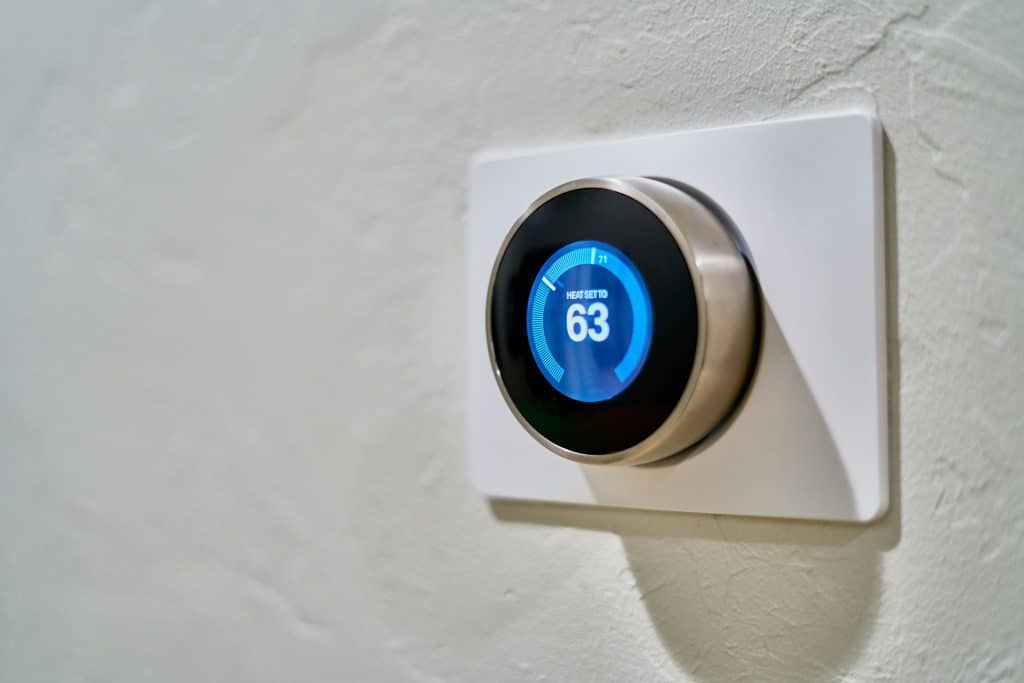
Smart locks, lighting systems, thermostats, and security devices should reduce mental load, not add to it. Choosing smart home products with proven track records helps ensure your home feels dependable rather than experimental.
Designing Automation That Fits Real Life
Automation is often marketed as the centerpiece of a high-tech home, but poorly designed automation can feel intrusive or unnecessary. The most effective setups are subtle and context-aware.
Lighting that adjusts naturally throughout the day, climate controls that respond to occupancy, and routines that align with your schedule create a sense of flow without drawing attention to themselves. The goal is not to automate everything, but to automate the right things.
Good automation starts with understanding how you already live in your space. When technology supports existing habits instead of forcing new ones, it feels intuitive rather than overwhelming.
Prioritizing Security Without Sacrificing Convenience
As homes become more connected, digital security becomes just as important as physical security. Smart cameras, doorbells, and locks offer real benefits, but they also require thoughtful setup.
Strong passwords, two-factor authentication, and regular software updates are essential. Many modern systems now make these practices easier by design, but they still require attention during setup.
A high-tech home should feel safe without being complicated. Centralized management apps and clear device permissions help keep control in your hands without turning security into a full-time job.
Planning for Scalability and Longevity
One of the most overlooked aspects of building a high-tech home is planning for growth. New devices, new standards, and changing needs are inevitable.
Choosing platforms and ecosystems that play well with others gives you flexibility. It allows you to add new devices gradually instead of replacing everything when one component becomes outdated.
Scalability also applies to your physical infrastructure. Thoughtful placement of access points, wiring where possible, and space for future hardware upgrades can save significant time and money later.
Keeping the Human Experience Front and Center
Technology should enhance comfort, not dominate attention. The best high-tech homes feel calm, responsive, and unobtrusive.
This means avoiding overcomplication. If a feature requires constant tweaking or troubleshooting, it may not belong in your home. A well-designed system fades into the background and simply works.
High-tech living is ultimately about creating an environment that supports focus, rest, and connection. When technology serves those goals, it feels like an upgrade rather than a distraction.