
Haircut skill is not just a craft. It is a set of choices that can separate one chair from the next in a crowded salon.
A strong cutter earns repeat clients, smoother days, and more control of a book. The edge comes from turning instinct into repeatable habits, then protecting the body that does the work.
Skill Is A Business Asset
A great cut shows in the mirror, then shows up again weeks later in how the hair grows out. That grow-out is the real test, and clients feel it without naming the reason.
The U.S. Bureau of Labor Statistics counted about 575,200 jobs for hairdressers, hairstylists, and cosmetologists in 2024, which hints at how many peers are competing for local demand. In a field that size, tiny differences in finish, timing, and comfort can shift a career.
Skill becomes an advantage when it stays consistent across hair types and mood shifts. Clients remember the calm hands, the clean perimeter, and the way the cut sits at home.
Tool Choice And Ergonomics Matter
Clean technique gets harder when the hands hurt. Grip, thumb position, and elbow height shape the cut and the body load.
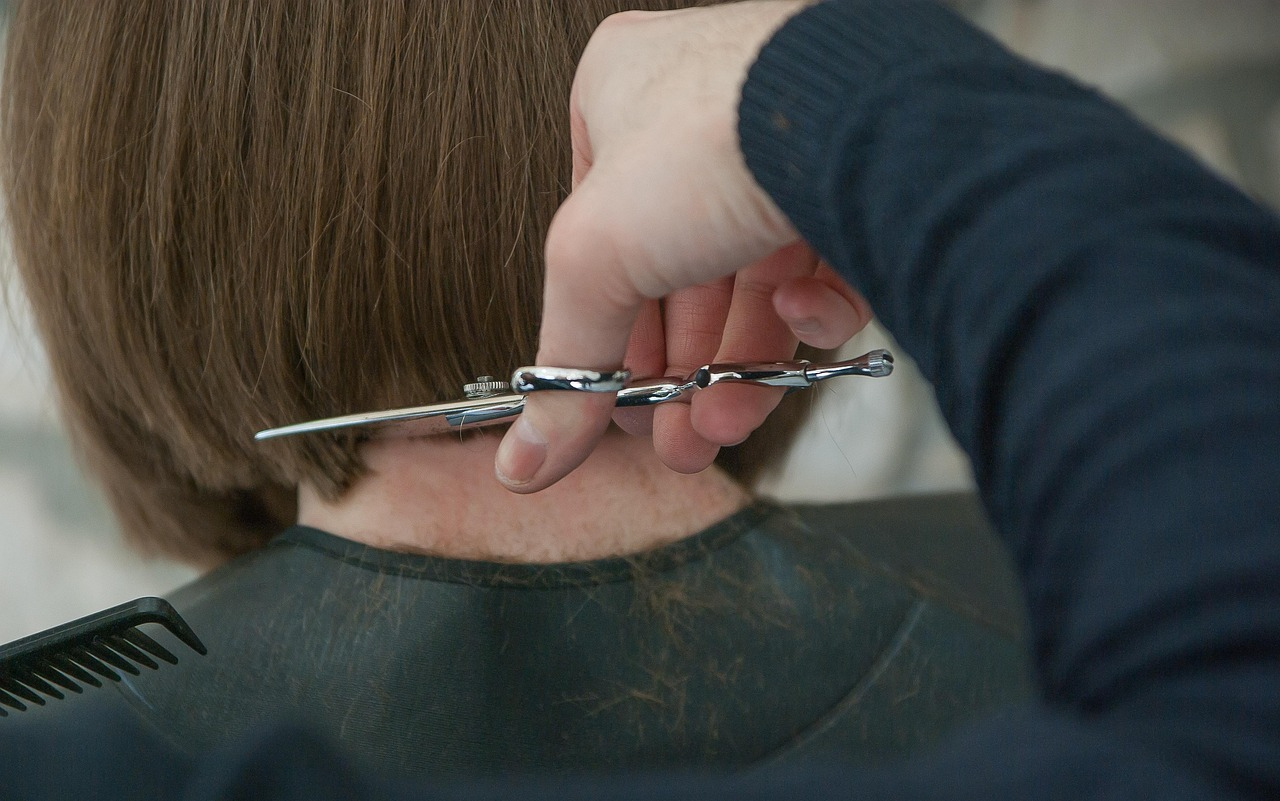
Try a short scissor test on dry hair, then on wet hair. A rotating thumb design, such as swivel shears for stylists, lets the hand follow the line without twisting at the wrist. Steadier movement often leads to cleaner tips and less strain during detail work.
Match tools with a matching pace. Slow down for precision lines, then speed up for bulk removal with clear sectioning, so tension stays even.
Sharpening and tension checks belong in the routine, not as a rescue. A slightly dull edge can push a cutter into extra pressure, which shows up in choppy ends and tired fingers.
Build A Repeatable Cut System
Consistency beats luck. A system keeps quality steady on busy days, with new clients, and with hair that fights back.
Start with a quick plan that stays simple. Use the same checkpoints every time:
- Face shape and growth patterns
- Weight lines and fall points
- Sectioning map
- Guide placement
- Finish the check in the natural fall
Write the plan in plain terms that fit in a few words. A note like “soft square, internal layers, keep perimeter dense” can guide the full service.
Standardize the finish. Use the same drying direction and the same final cross-check, so the last 5 minutes feel calm on a packed day.
Set a mid-service pause, then reset posture and eyes. A 10-second check at the crown, fringe, and perimeter can catch drift before it turns into a fix at the end.
Turn Precision Into Client Trust
Trust builds when the client can predict the result. Predictability comes from the consultation and from the way the cut holds shape after wash day.
A salon management guide from Zenoti reported that 42% of loyal clients can drive 80% of sales, a reminder that retention carries real weight. A cutter who delivers the same outcome each visit makes rebooking feel safe, not risky.
Keep the language concrete. Talk in outcomes like “less width at the sides” or “more lift at the crown,” then confirm in the mirror before committing to a big change.
Photos help align expectations. A quick look at past cuts, cowlick spots, and styling habits can save minutes and prevent the classic “shorter than planned” moment.
Practice Like A Technician
Practice can be small and still pay off. Ten minutes of focused drills can tighten results more than a long day of random cutting.
Pick one variable per session. Work on tension, then on elevation, then on point cutting, rather than mixing every technique in one run. Film the hands and watch for extra motion that wastes time.
Use mannequins for repetition, then test on real hair with one clear target. Aim for cleaner lines, faster blending, or better symmetry, one at a time.
Feedback loops make practice stick. A quick note after each haircut on what went right and what felt awkward can guide the next drill session.
Measure Progress With Simple Metrics
Skill improves faster when it gets tracked. Simple numbers can show if the work is sharper, faster, or more consistent.
Use a small set of metrics that match cutting, not hype. Track rebook rate, haircut timing, redo frequency, and how often clients ask for “the same cut” at the next visit. Notes on grow-out at 6 to 8 weeks can reveal weak points in the blend.
Pair numbers with one visual check. Take a single photo angle at the end of each cut, then compare after 20 services to spot patterns in weight lines and balance.
Review the pattern monthly and adjust the system. A tiny change in sectioning or guide choice can remove the same flaw across dozens of haircuts.
Stronger haircut skills come from small, repeatable moves. A clear system, body-friendly tools, and steady practice build results clients can count on. When the work holds up between visits, confidence rises on both sides of the mirror.