
What dishes bring good luck and prosperity to your New Year’s Day table?
Food traditions shape how we celebrate the first day of the year.
Cultures across the globe serve specific meals believed to bring fortune, health, and happiness, passed down through generations.
Some foods symbolize wealth while others represent long life. Families gather around tables filled with these special recipes that promise success ahead.
Each culture has unique ways to welcome the new year through food. From simple soups to elaborate feasts, these meals connect us to our heritage and carry symbolic value.
In this blog, I’ll show you a list of traditional New Year’s Day meals from different parts of the world.
31 Traditional New Year’s Day Meals
People around the world prepare special dishes to mark the first day of the year with optimism and positive expectations for the months ahead.
1. Hoppin’ John
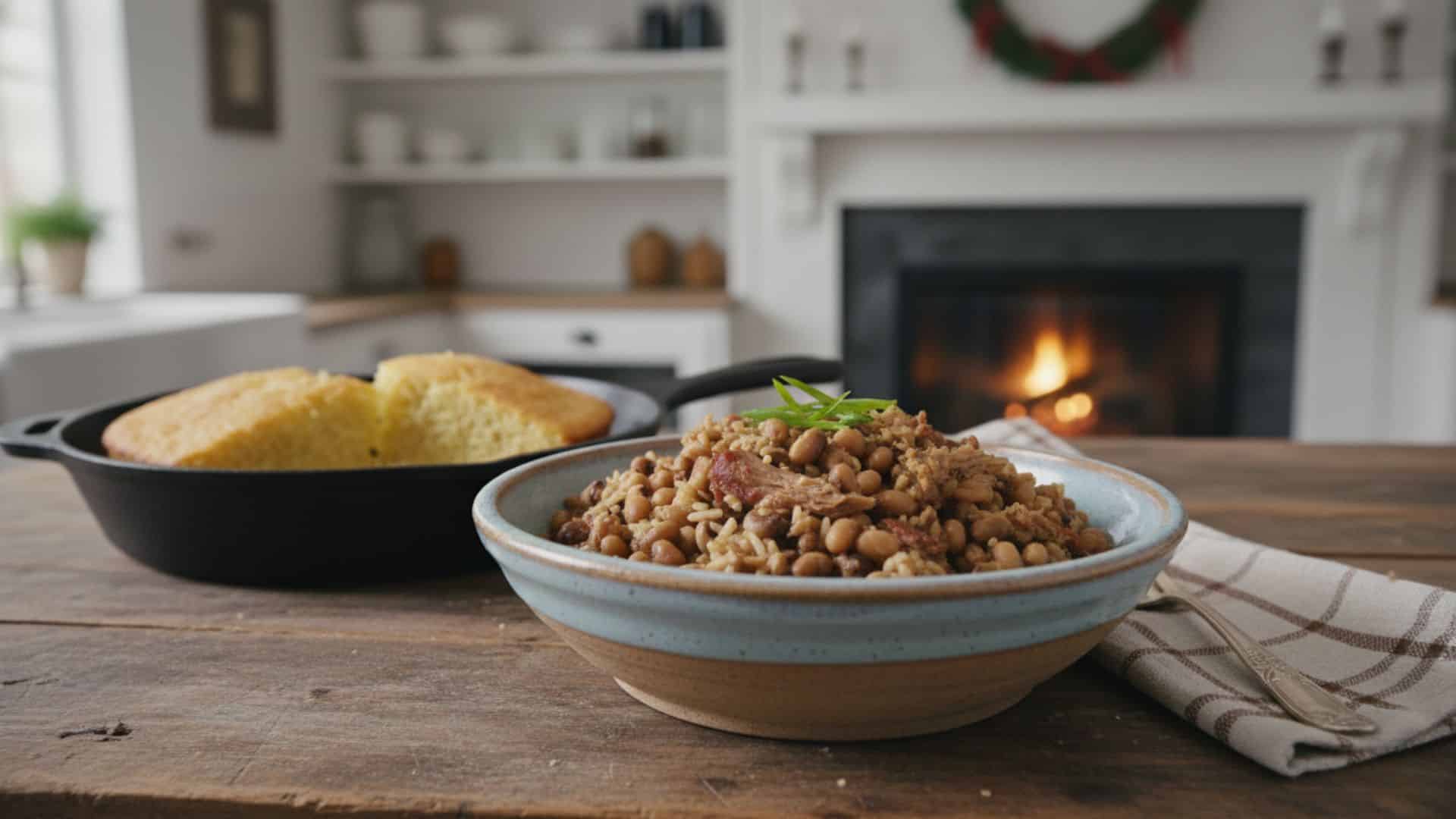
This Southern American classic combines black-eyed peas, rice, and pork for a hearty start to the year. The peas are seen as signs of financial growth and abundance.
Families serve this dish hot with cornbread on the side. The tradition dates back centuries in the American South and remains popular today.
2. Black-Eyed Peas with Rice
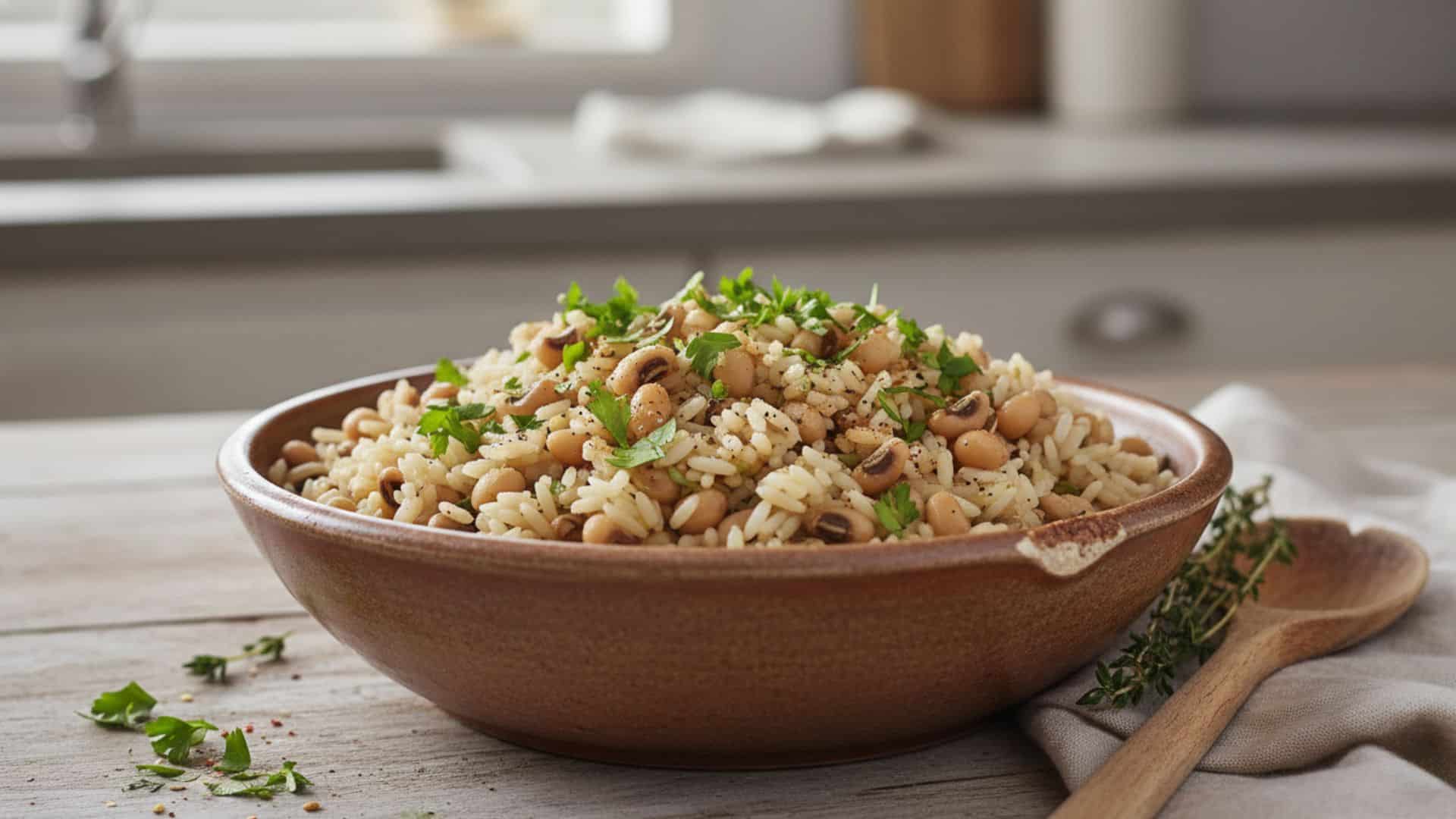
Black-eyed peas cooked with seasoned rice create a meaningful yet straightforward meal for New Year’s celebrations across many households. Each pea stands for a small unit of wealth.
Preparing this meal is simple and serves many people at once. Cooks often include onions, garlic, and various spices to boost the overall taste.
3. Collard Greens and Pork
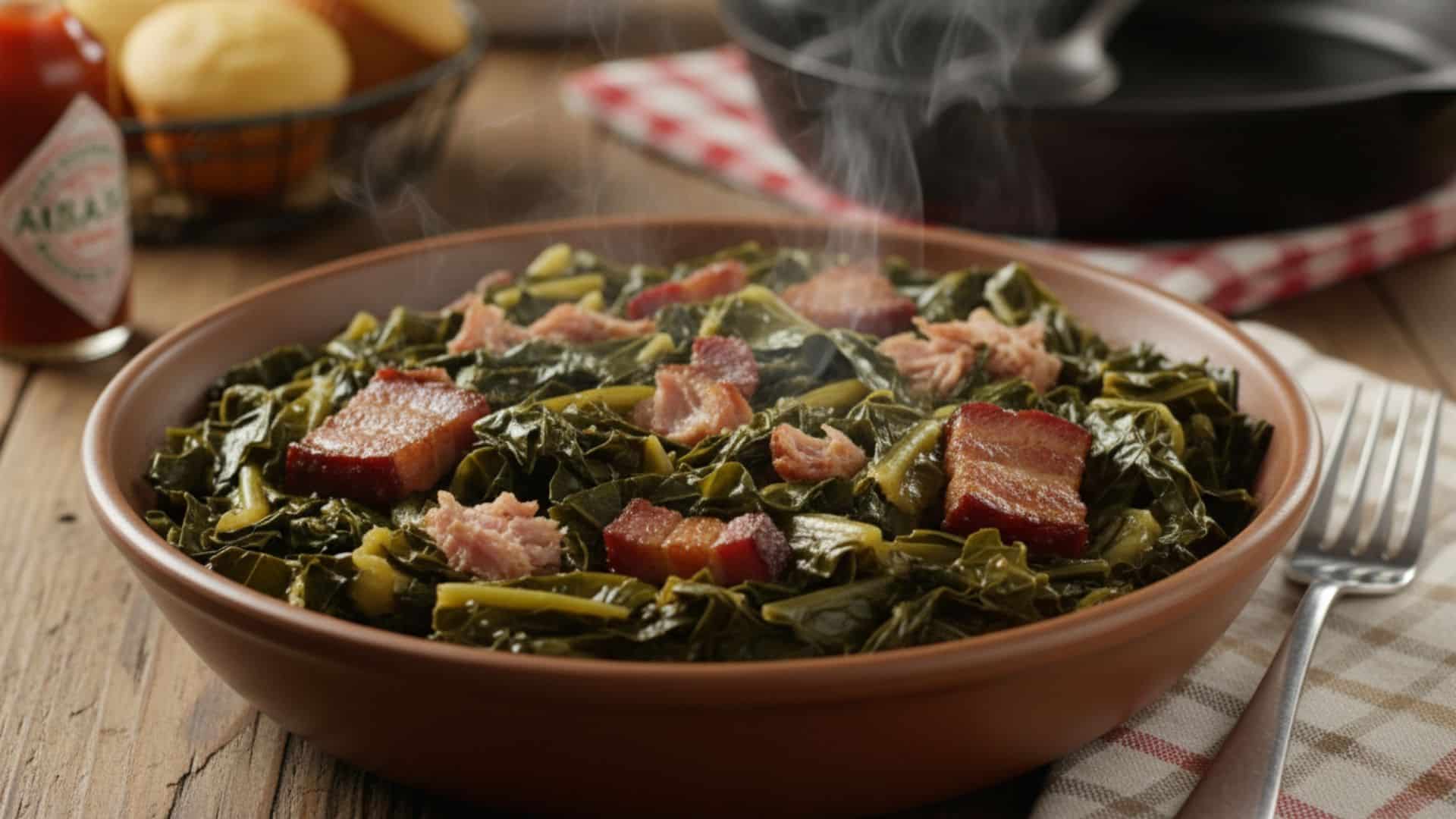
Collard greens are linked to cash because of their green color, making them popular on New Year’s Day tables. Pork adds richness and protein.
Southern cooks slow-cook the greens with ham hocks or bacon. The longer they simmer, the better the flavor becomes for this comfort food.
4. Pork and Sauerkraut
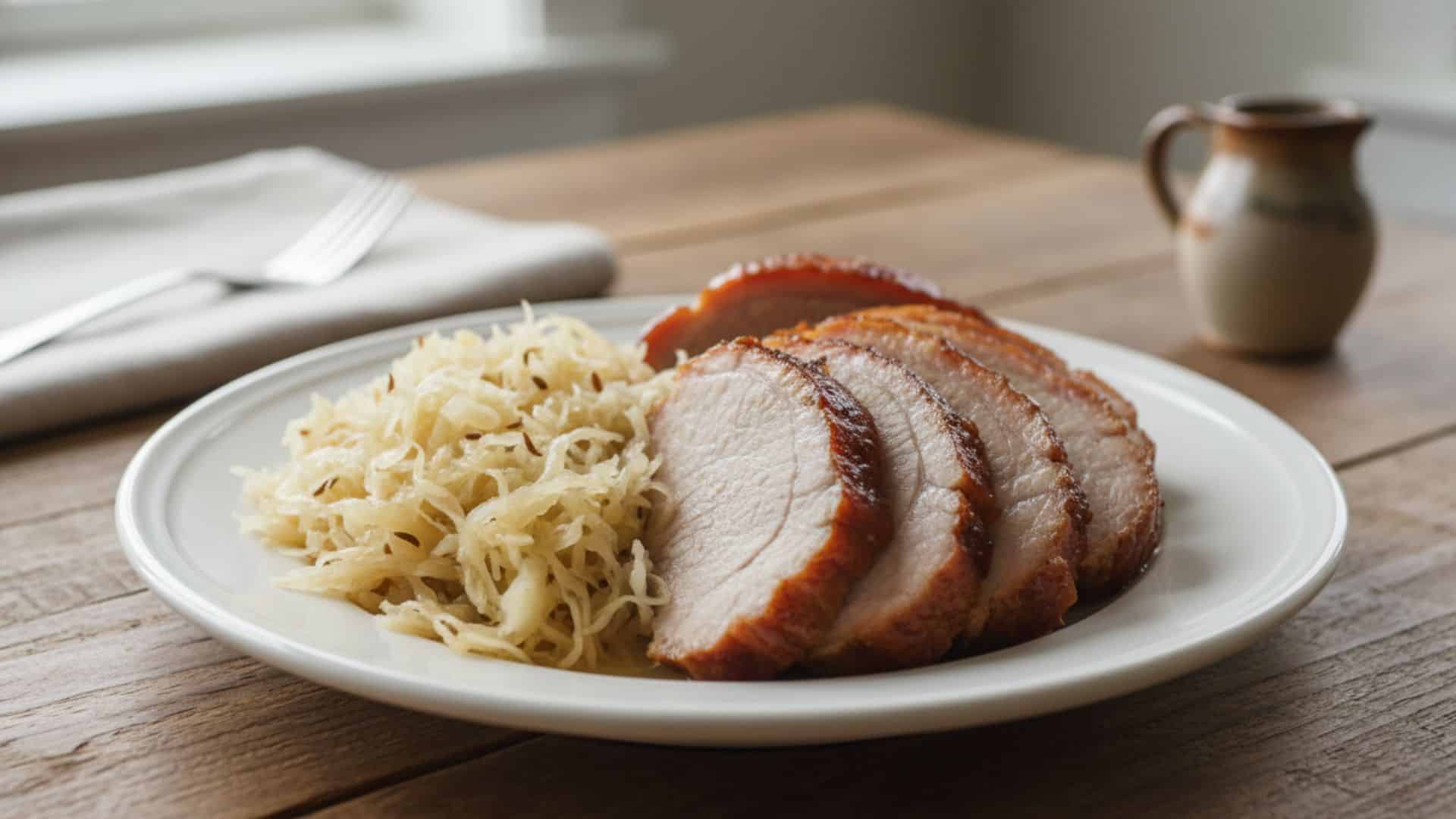
Pennsylvania Dutch families serve pork with tangy sauerkraut to bring good luck throughout the coming twelve months. Pigs root forward, symbolizing progress.
The fermented cabbage adds a sour contrast to the rich meat. This combination has been a regional tradition for over two centuries.
5. Cornbread
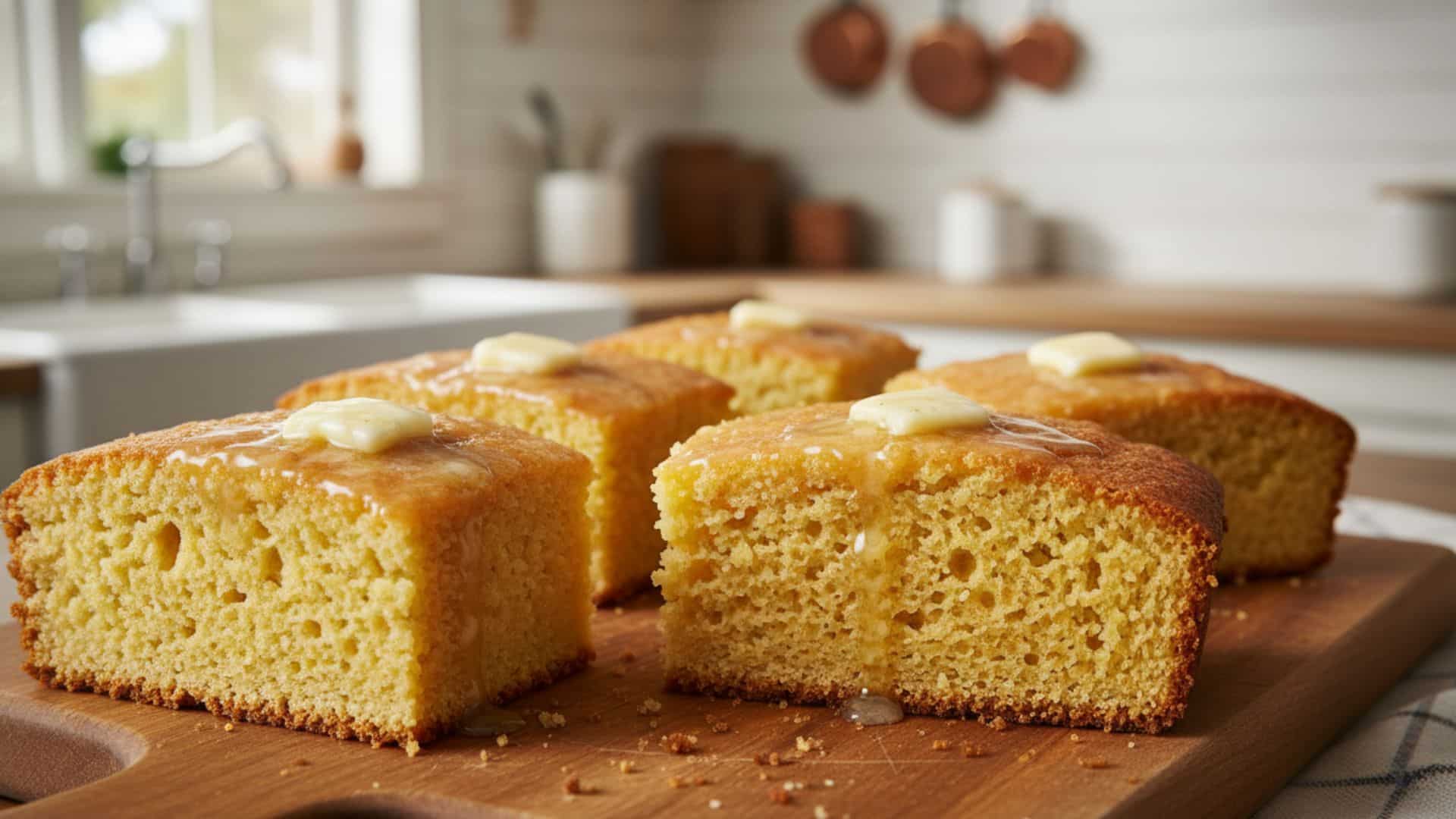
Golden cornbread represents wealth and prosperity because its color resembles gold coins passed down through American Southern cooking traditions. It pairs perfectly with greens.
The bread is best served warm with butter melting on top. Sweet or savory versions both work well for the celebration meal.
6. Cabbage and Sausage
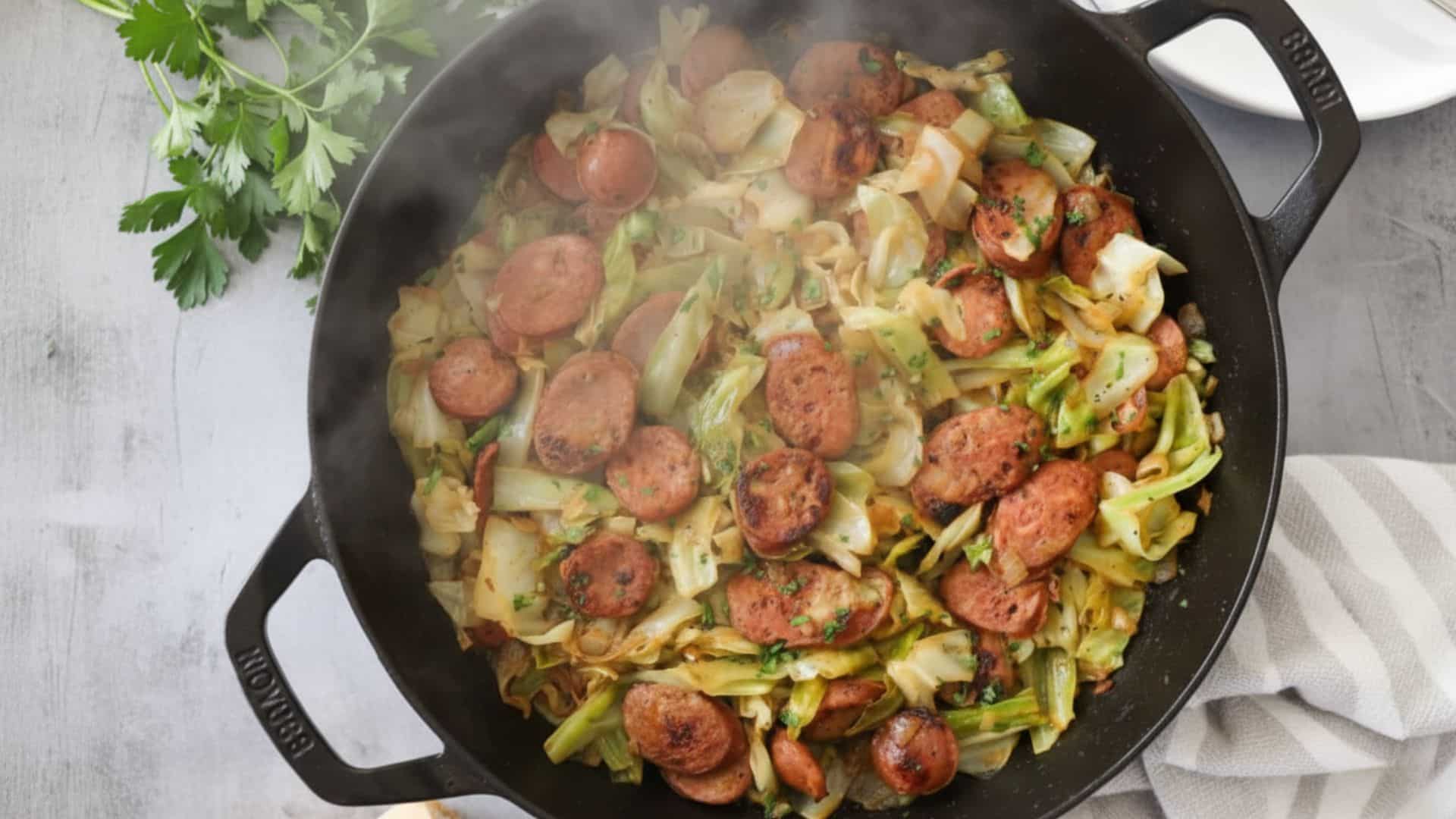
Irish and German families cook cabbage with sausage links to welcome the new year with hopes of financial gain ahead. Cabbage is commonly associated with money and savings.
The vegetables soften while absorbing the savory flavors from the meat. This one-pot meal is both filling and economical to prepare for crowds.
7. Lentil Soup
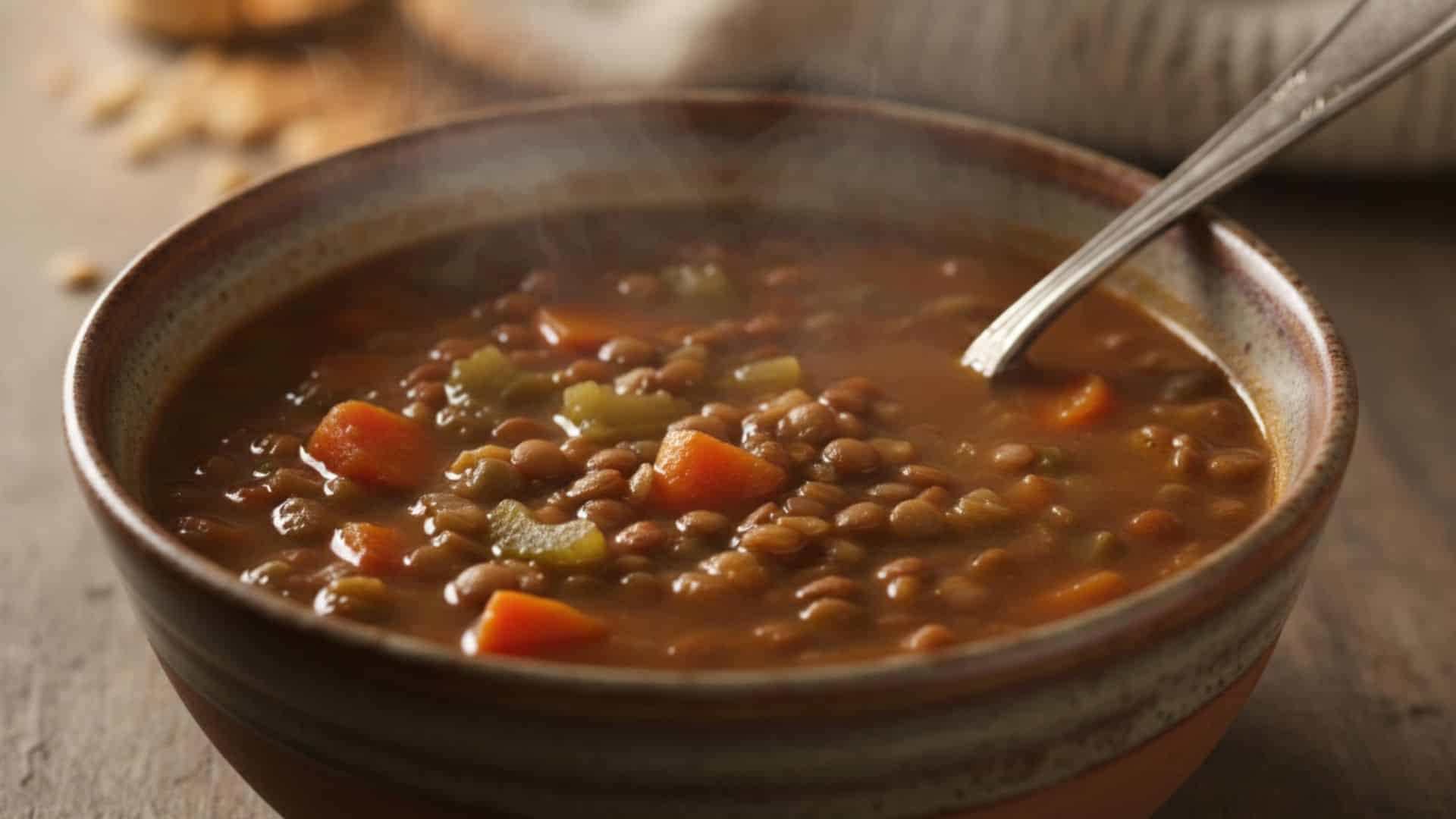
Italian households serve thick lentil soup on New Year’s Day because the small legumes resemble coins and suggest future gains. The soup warms you inside.
Carrots, celery, and tomatoes add color and nutrition to this hearty bowl. Many recipes include a ham bone for extra flavor depth.
8. Cotechino with Lentils
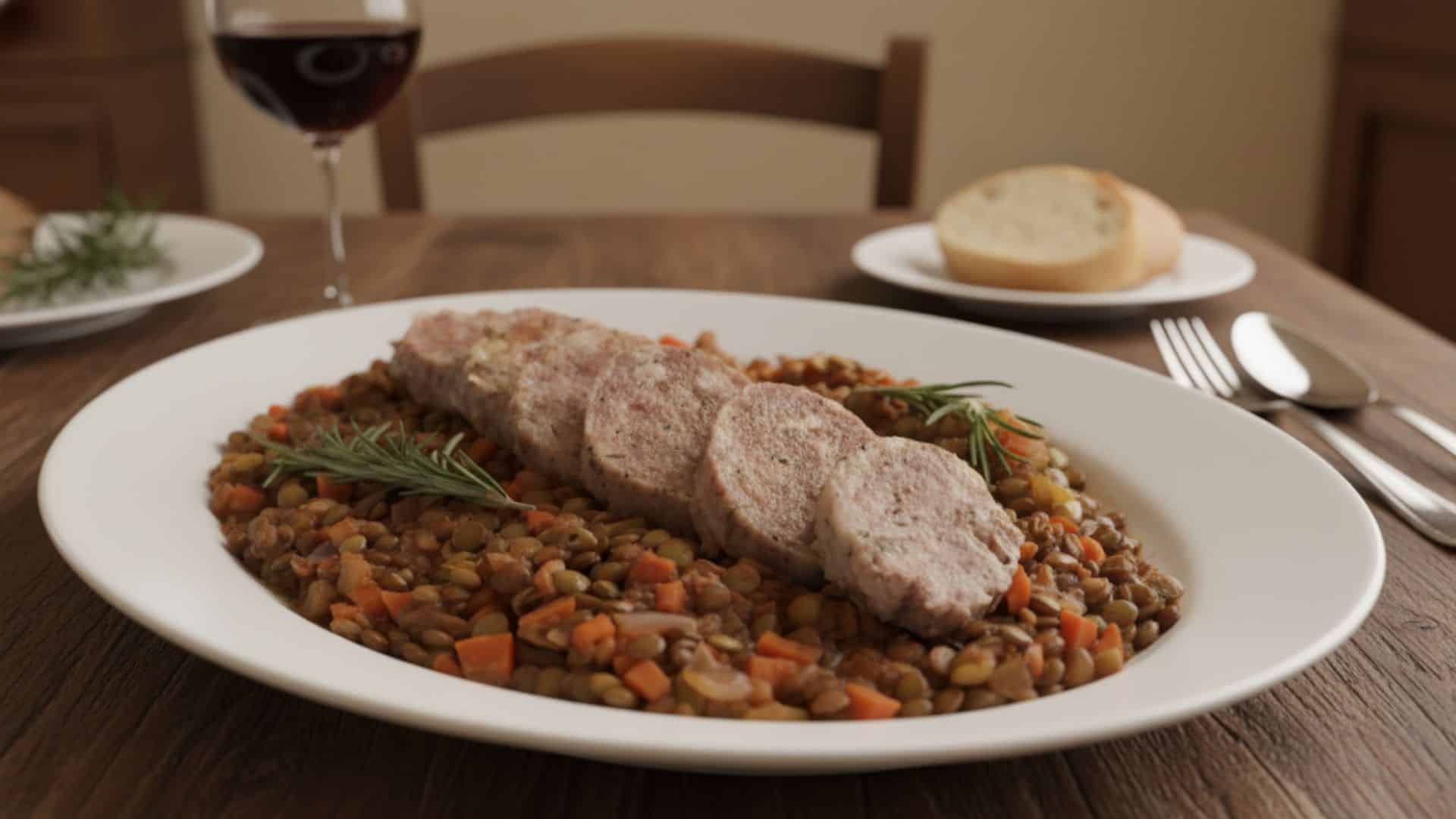
This Italian specialty pairs a large pork sausage with cooked lentils for a rich, satisfying New Year’s feast. The pairing carries meaning while also being fulfilling and prosperous.
Cotechino sausage requires slow cooking to become tender and flavorful. Served together, the meat and legumes represent prosperity and good fortune ahead.
9. Toshikoshi Soba
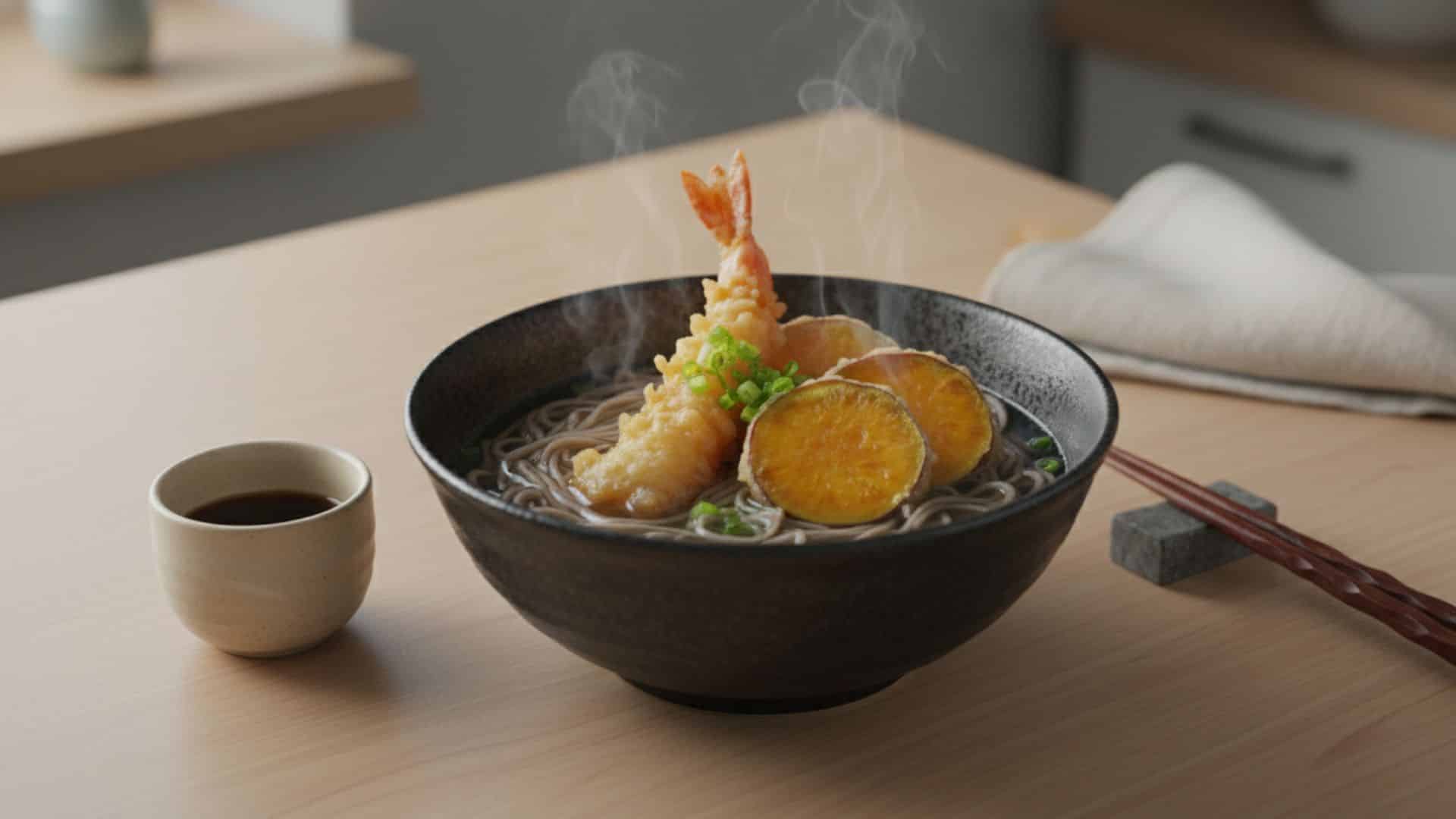
Japanese families eat these long buckwheat noodles on New Year’s Eve to symbolize a long life and let go of hardships. The tradition spans centuries.
The noodles must be slurped without breaking them for maximum luck. Hot broth with green onions and tempura makes this meal complete.
10. Osechi Ryori
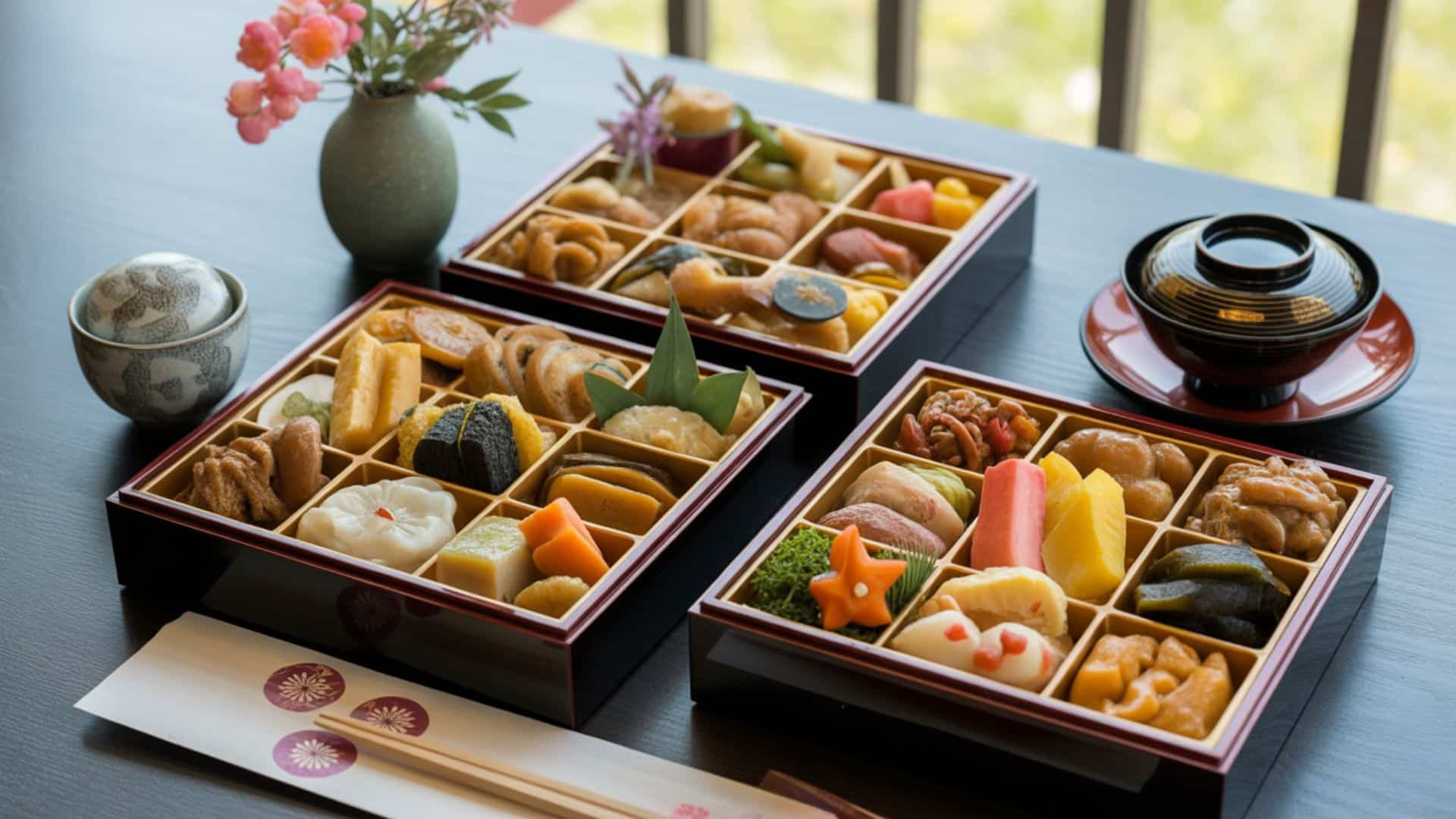
This elaborate Japanese feast includes various dishes packed in special lacquered boxes, each food carrying a specific meaning for the coming year. Preparation takes days.
Sweet black beans, fish cakes, and rolled omelet are standard items. Families display these beautiful boxes as centerpieces during New Year celebrations.
11. Tteokguk
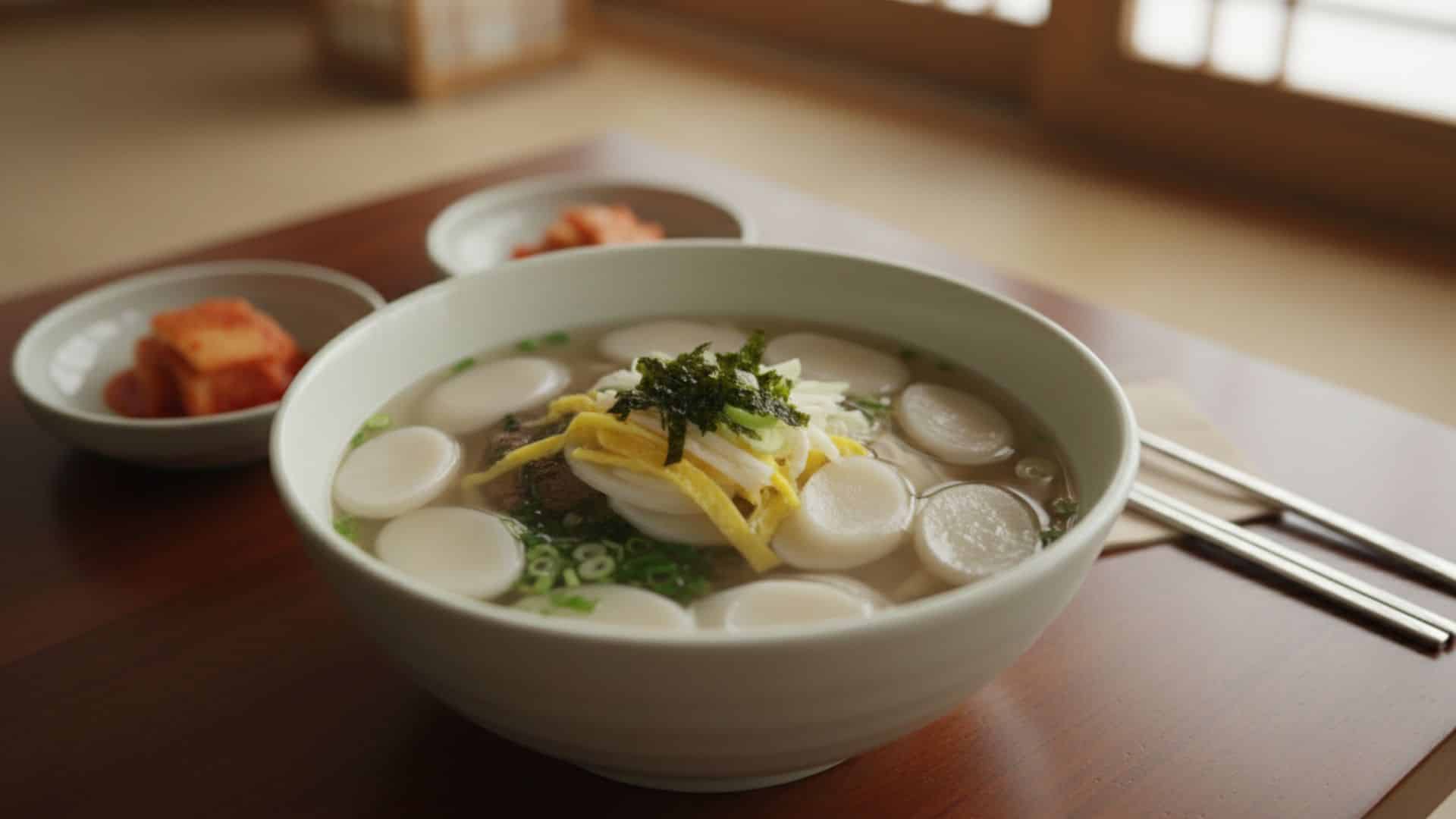
Korean families serve this rice cake soup to symbolize gaining another year of age and starting fresh on New Year’s Day. Clear broth is essential.
Thin-sliced rice cakes float in beef or anchovy broth. Egg, seaweed, and meat garnish the bowl for a complete, nourishing meal.
12. Chinese Dumplings (Jiaozi)
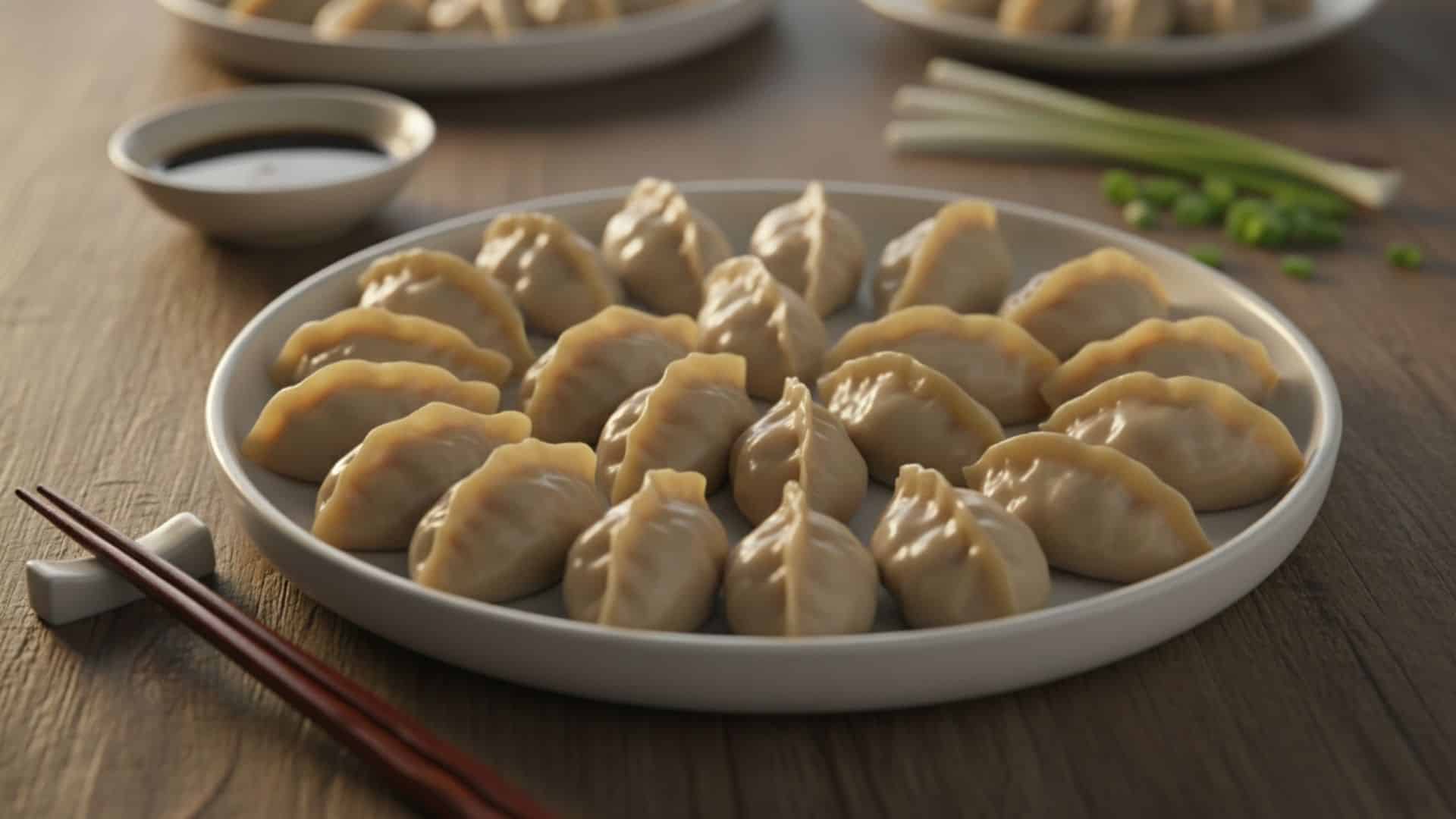
These filled dumplings, shaped like ancient gold ingots, promise wealth and prosperity during Chinese New Year celebrations across many countries. Families make hundreds together.
Pork and cabbage fill most dumplings, though variations exist. Boiled, steamed, or pan-fried versions all carry the same lucky symbolism for celebrants.
13. Longevity Noodles
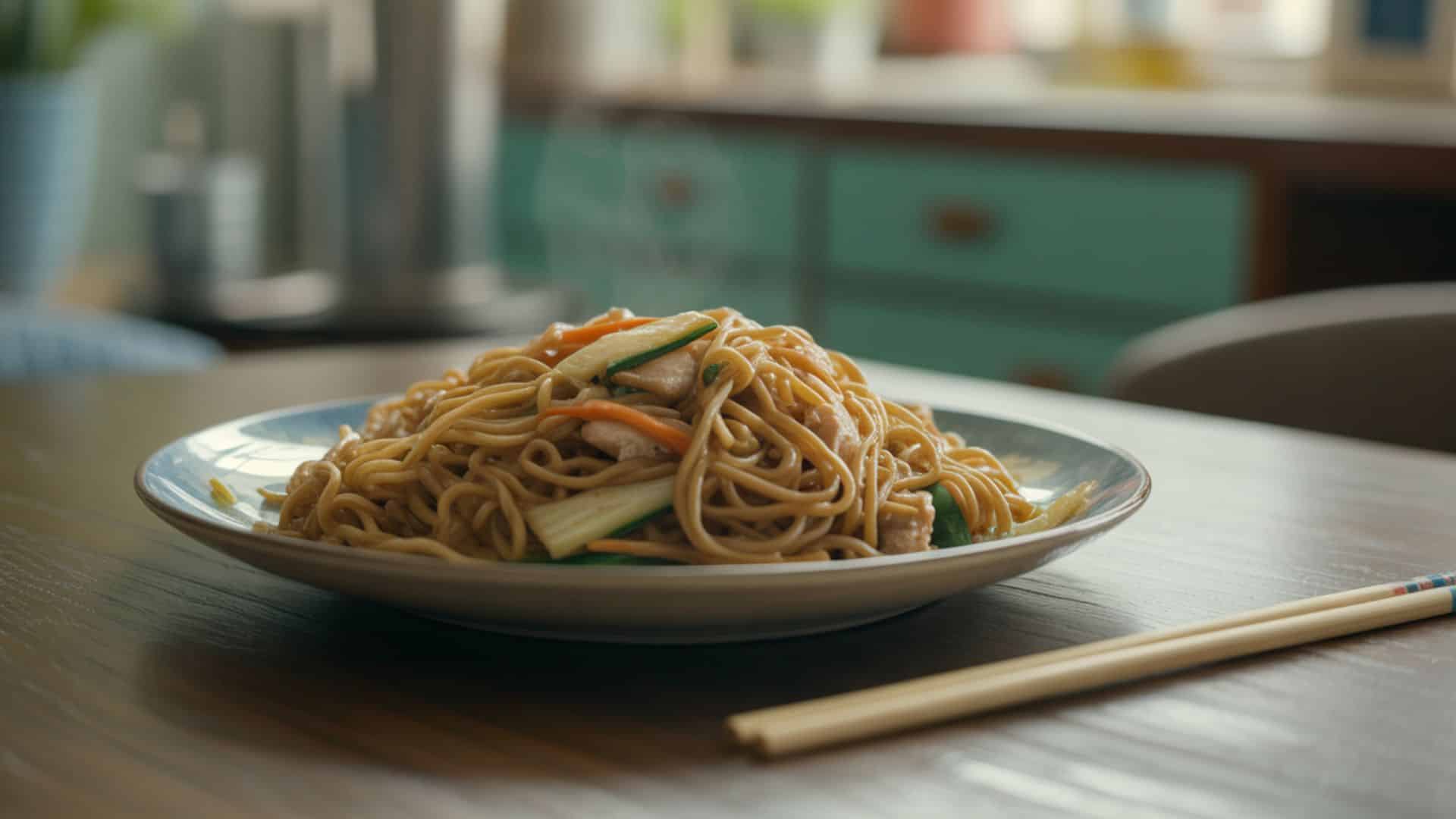
Long uncut noodles express a desire for many healthy years in Chinese culture, making them essential New Year food. Cutting them is believed to reduce their meaning.
Yi mein or other wheat noodles work well for this tradition. Stir-fried with vegetables and protein, they become a complete celebratory dish.
14. Nian Gao
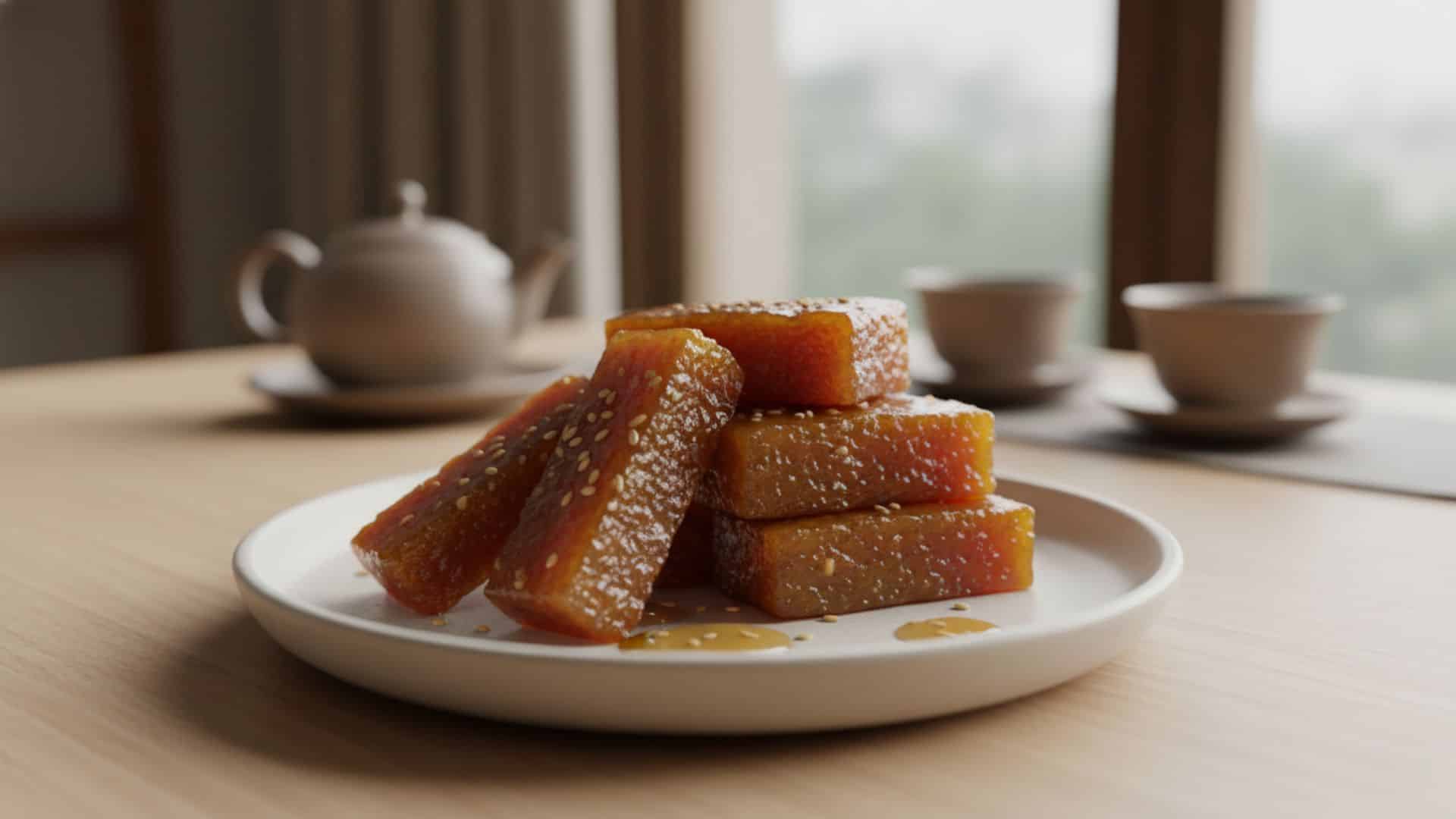
This sticky-sweet rice cake symbolizes growth and higher income in the coming year because its name sounds like “higher year” in Chinese. Children love it.
The cake can be steamed, pan-fried, or eaten plain. Its chewy texture and sweet flavor make it a favorite treat during celebrations.
15. Whole Steamed Fish
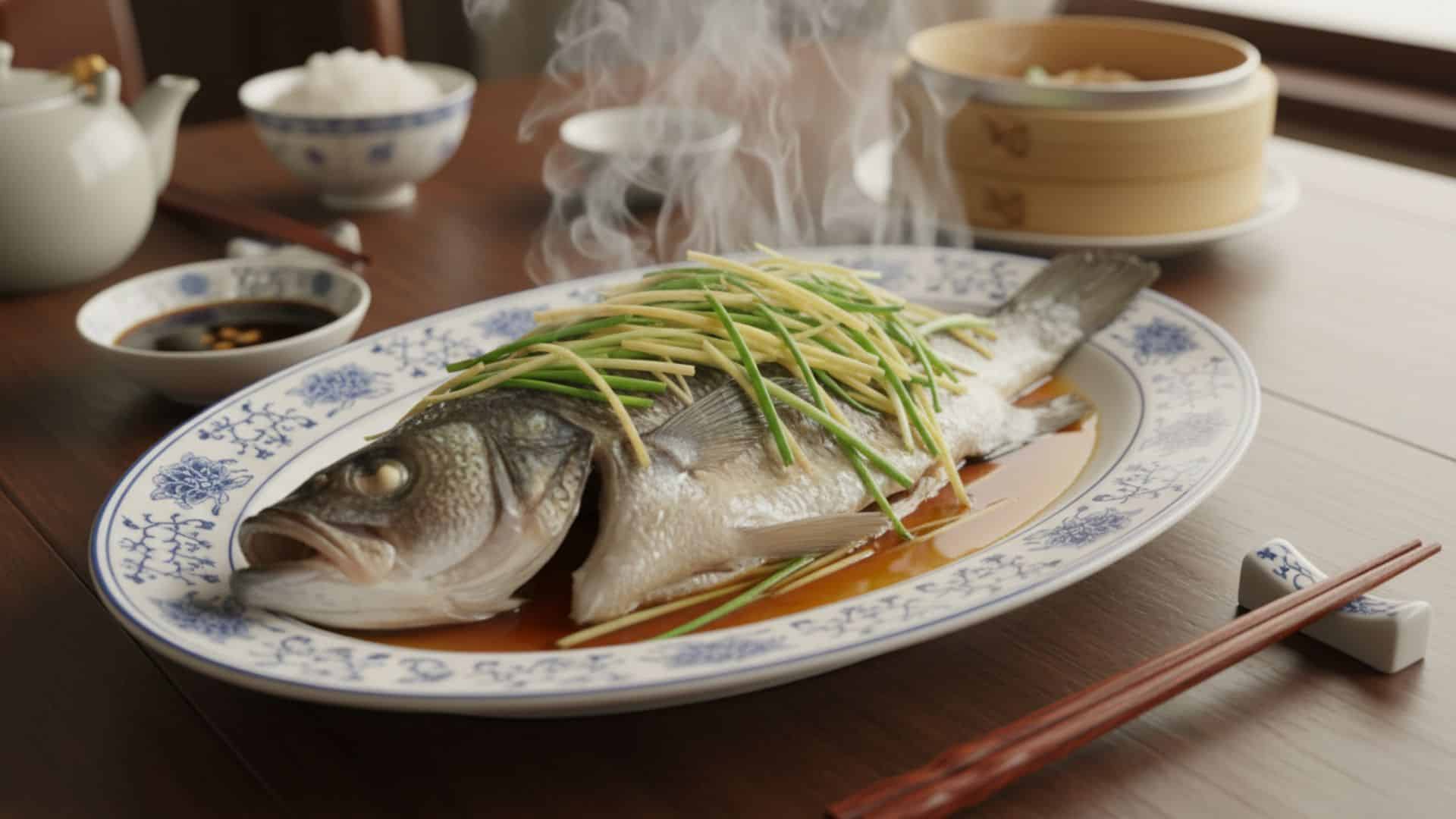
Chinese families serve a whole fish to represent abundance and surplus for the year ahead, never finishing it at dinner. Leftovers mean prosperity.
Steamed with ginger and scallions, the fish stays moist and tender. Its whole presentation symbolizes a complete and successful year coming.
16. Pickled Herring
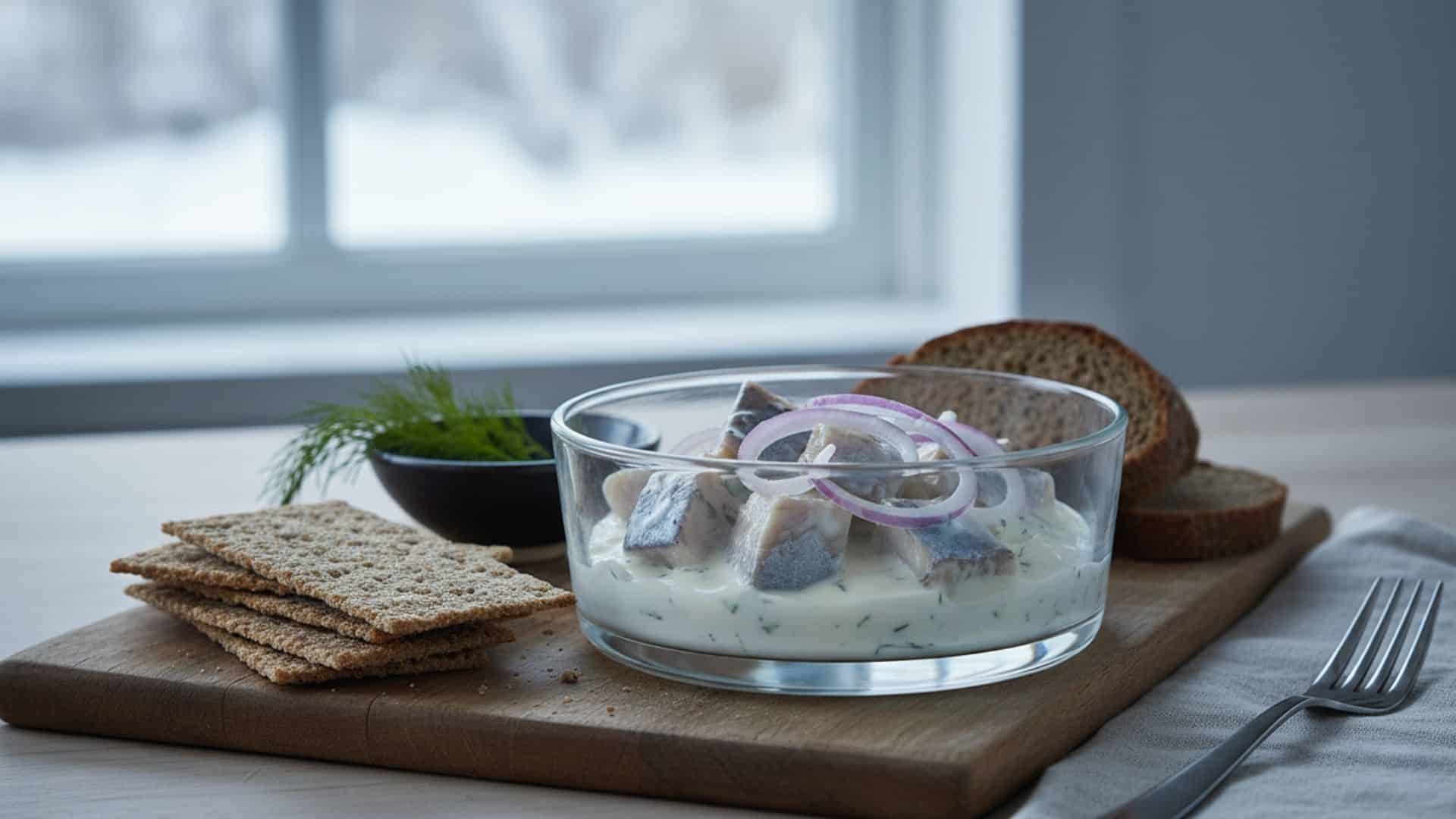
Scandinavian and German families eat pickled herring at midnight to ensure abundance because these silver fish resemble coins swimming in brine. It’s an acquired taste.
The fish comes prepared in cream sauce or vinegar with onions. Served cold on crackers, it starts the year with a traditional Baltic flavor.
17. Smoked Salmon on Bread
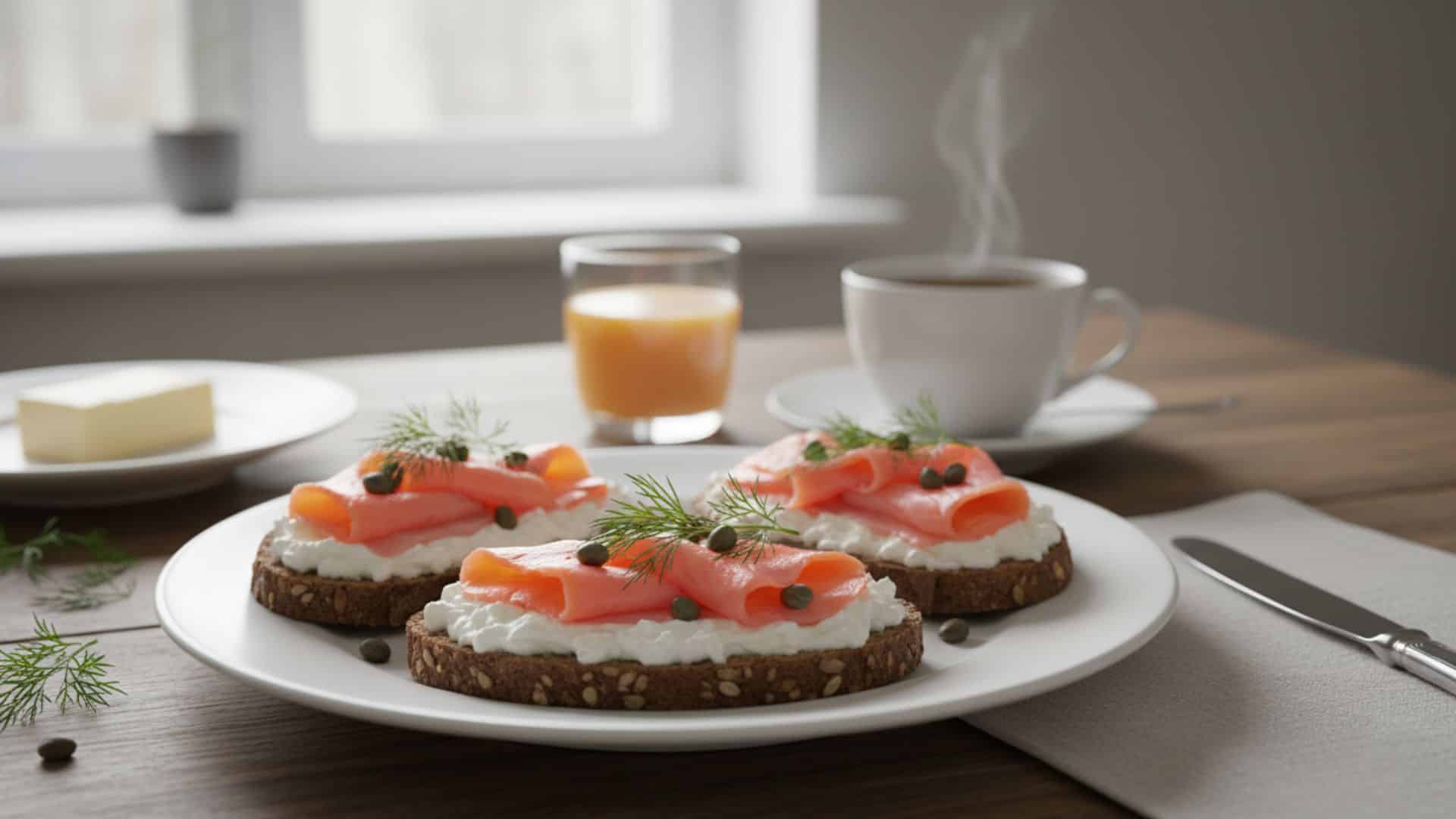
European households serve smoked salmon on dark rye bread as a sophisticated start to the new year with protein and healthy fats. It feels celebratory.
Cream cheese, capers, and dill complete this classic combination. The pink fish and dark bread create an appealing contrast on party platters.
18. Tamales
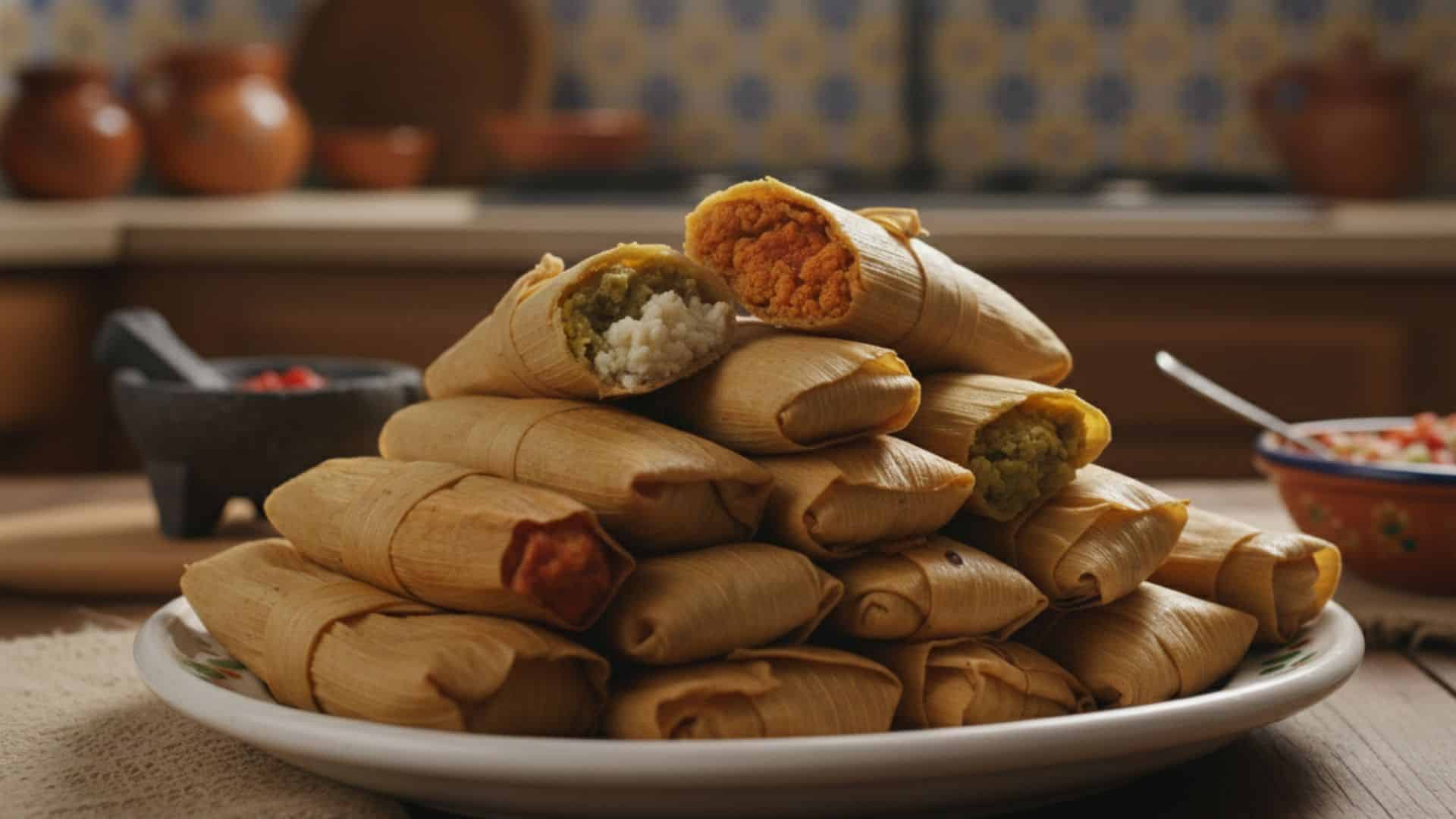
Mexican families spend days making these corn masa treats wrapped in husks for New Year gatherings that bring everyone together in celebration. Each family has recipes.
Fillings range from pork in red sauce to chicken in green salsa. Steaming dozens at once, tamales feed large groups during holiday festivities.
19. Rosca de Reyes
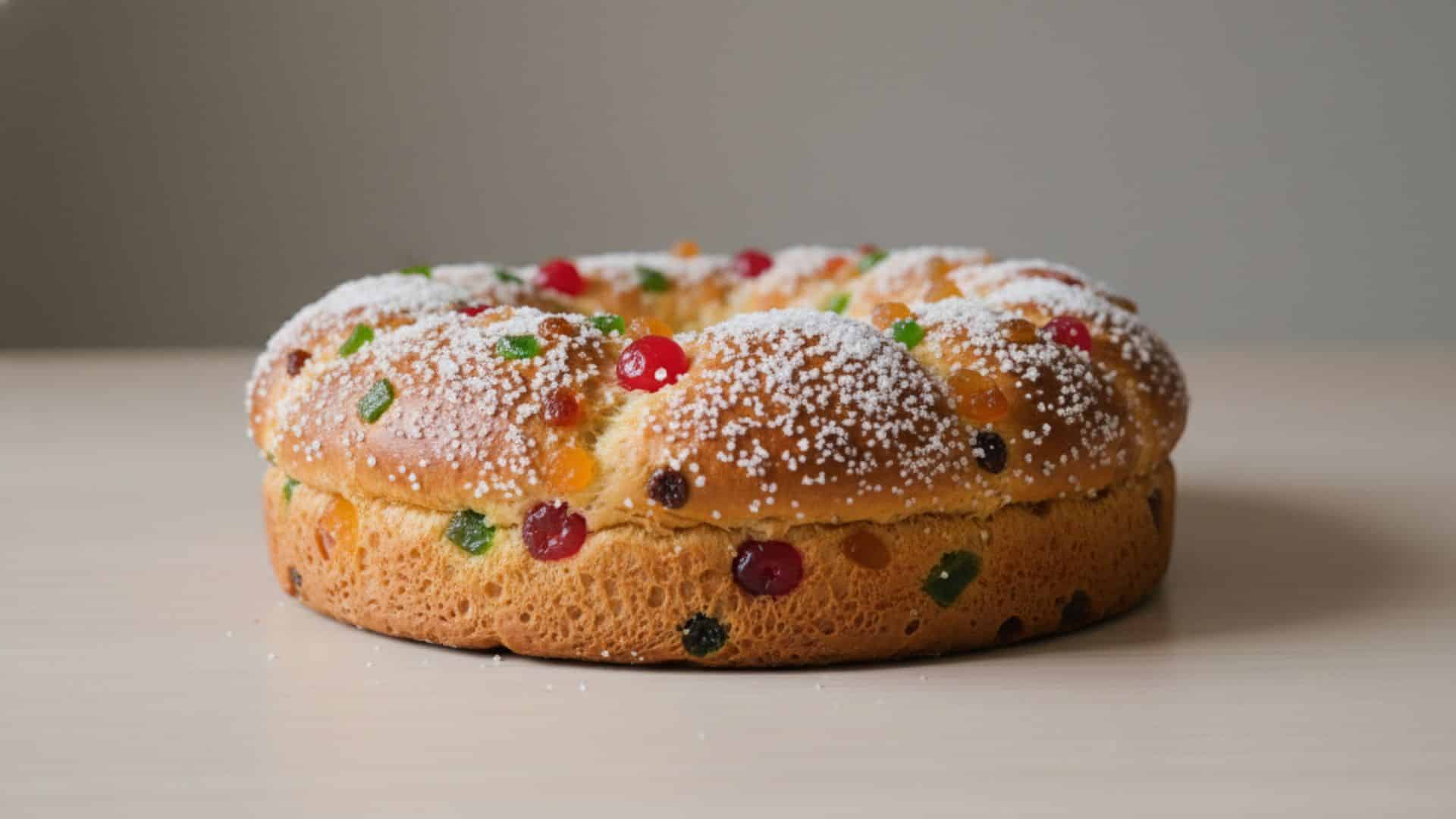
This sweet bread ring celebrates Three Kings Day on January 6th in Latin American countries, marking the end of holiday season festivities. A baby figurine hides inside.
Whoever finds the figurine must host the next party or buy tamales. Candied fruits and sugar decorate the top of this festive bread.
20. Vasilopita
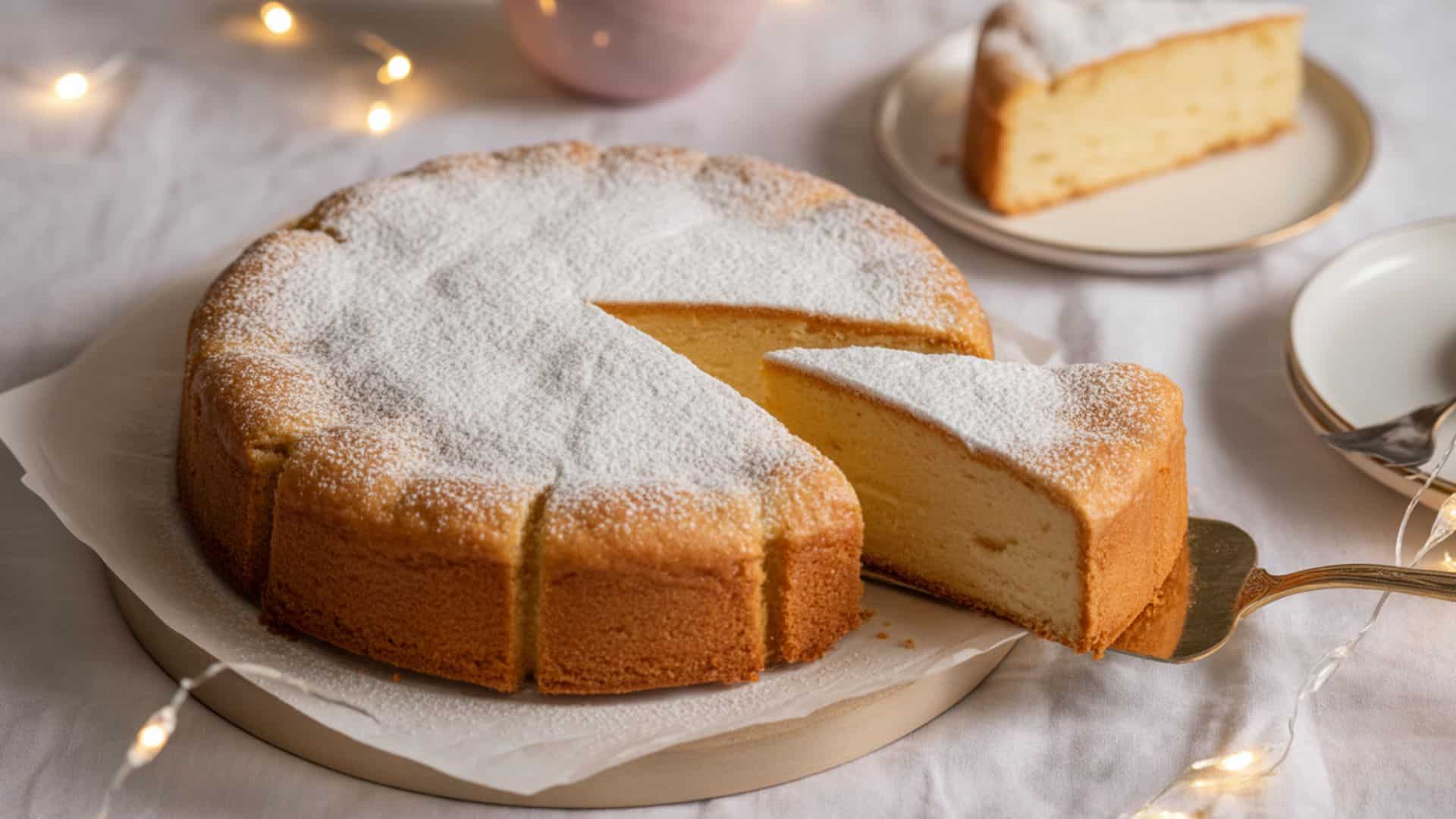
Greek families cut this sweet bread at midnight, with a coin baked inside for one lucky person to find and keep. It honors Saint Basil.
The person who gets the coin slice receives blessings for twelve months. Families number the slices for each member before cutting the loaf.
21. Feijoada
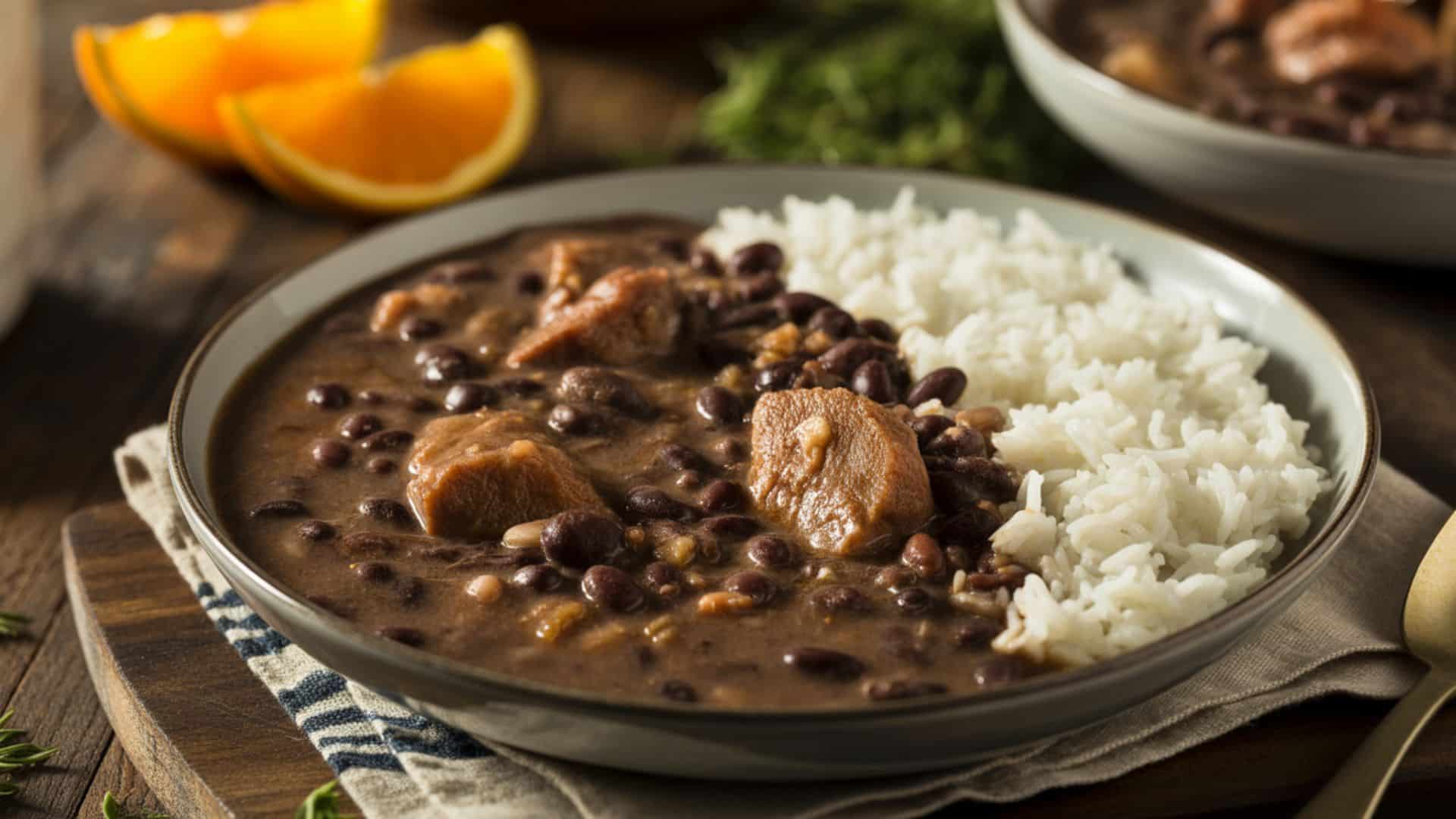
Brazilian families prepare this hearty black bean stew with various pork cuts to celebrate together on New Year’s Day with music and dancing. It takes hours.
Served over white rice with orange slices and farofa, it represents Brazilian culinary heritage. The rich stew brings people together in joyful celebration.
22. Black Bean Stew
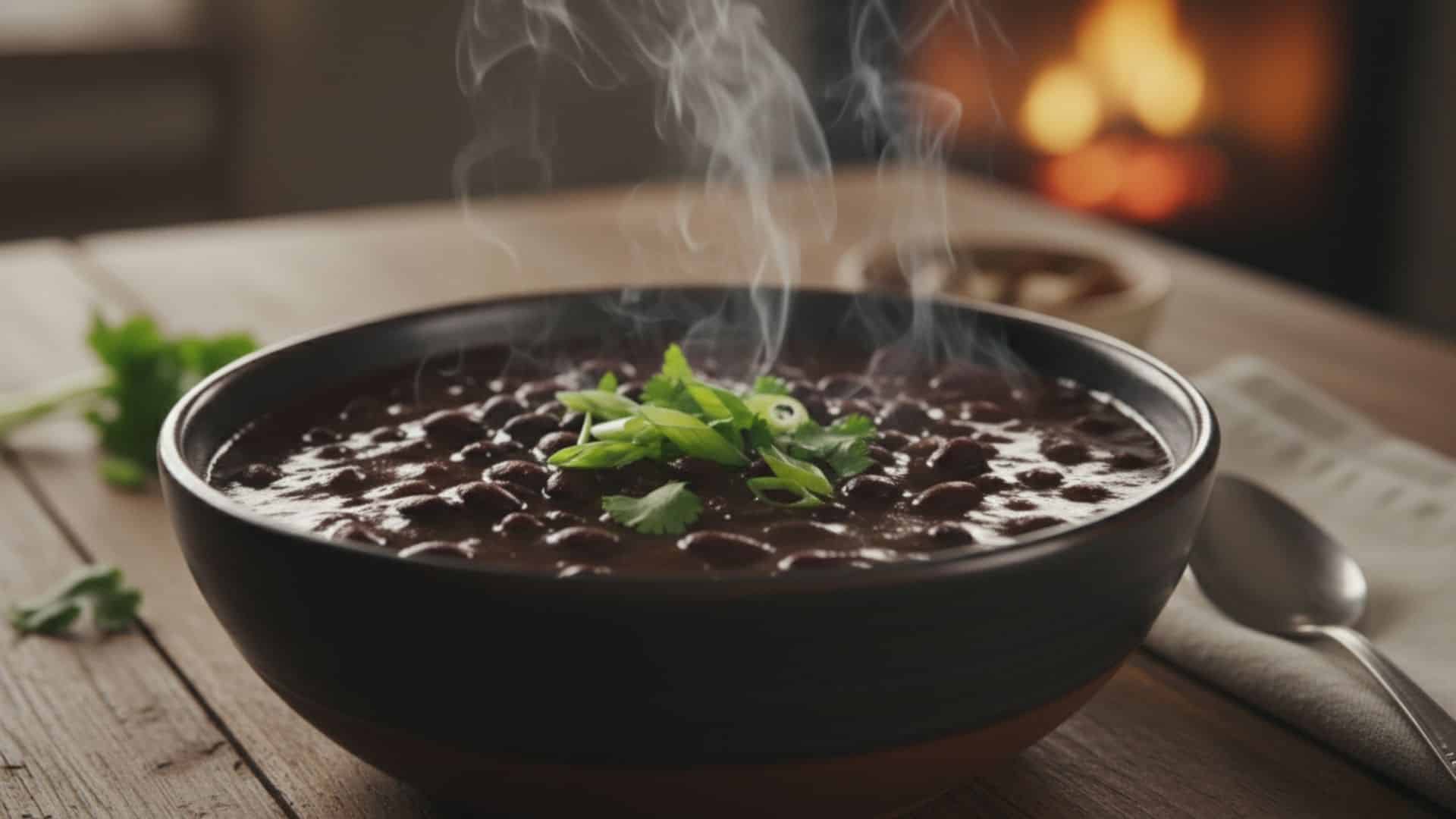
Latin American countries serve black bean stew because the dark legumes are linked to growth and positive expectations for the months ahead. Spices vary by region.
Slow cooking develops deep flavors in this protein-rich dish. Served with rice, it provides a filling meal for large family gatherings nationwide.
23. Red Beans and Rice
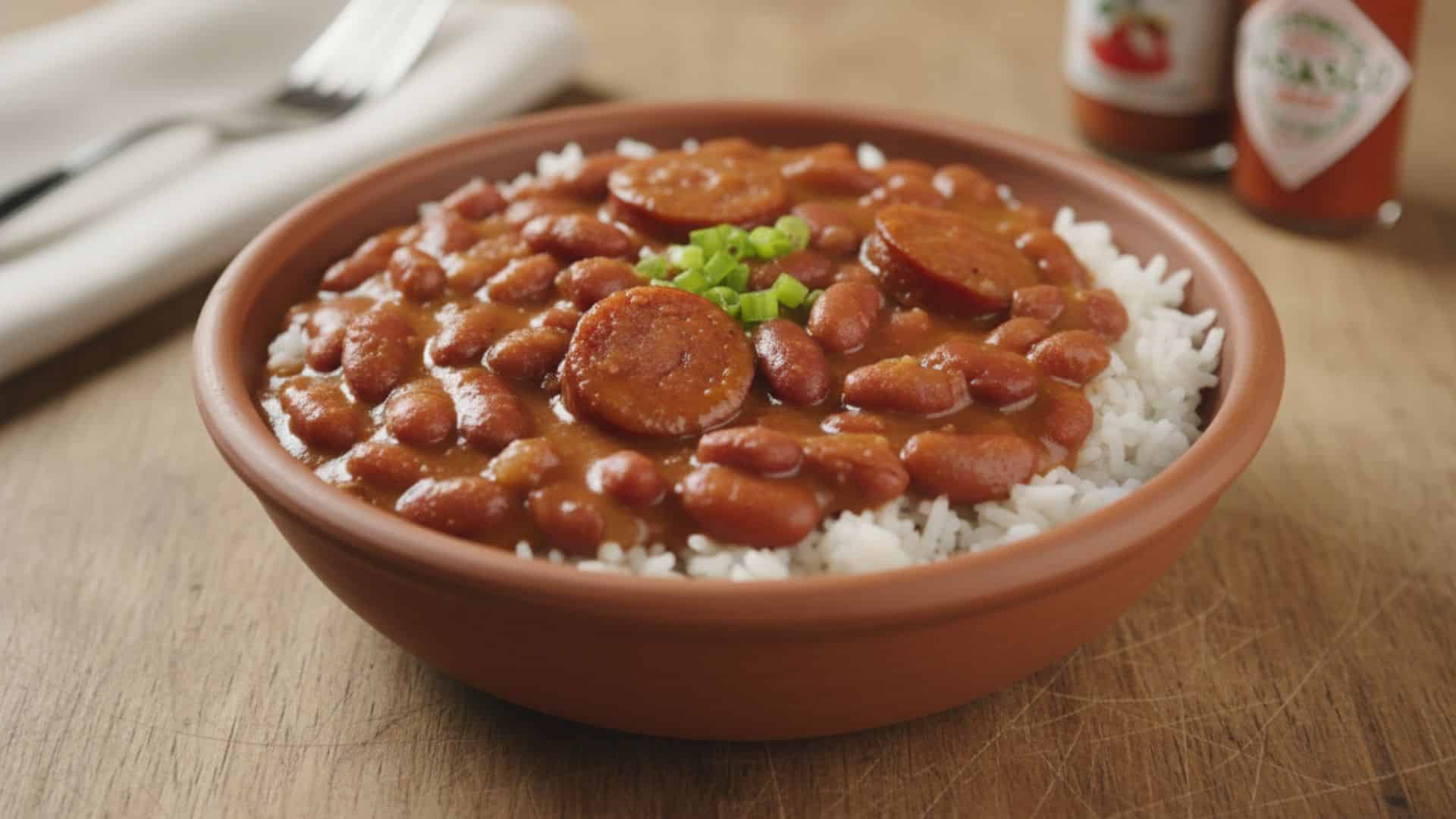
Louisiana Creole families cook red beans with rice, sausage, and spices for a flavorful New Year meal rooted in tradition. Monday was traditional bean day.
The dish uses ham hocks or andouille sausage for a smoky flavor. Served with hot sauce, it warms you up on a cold January day.
24. Pork Roast with Apples
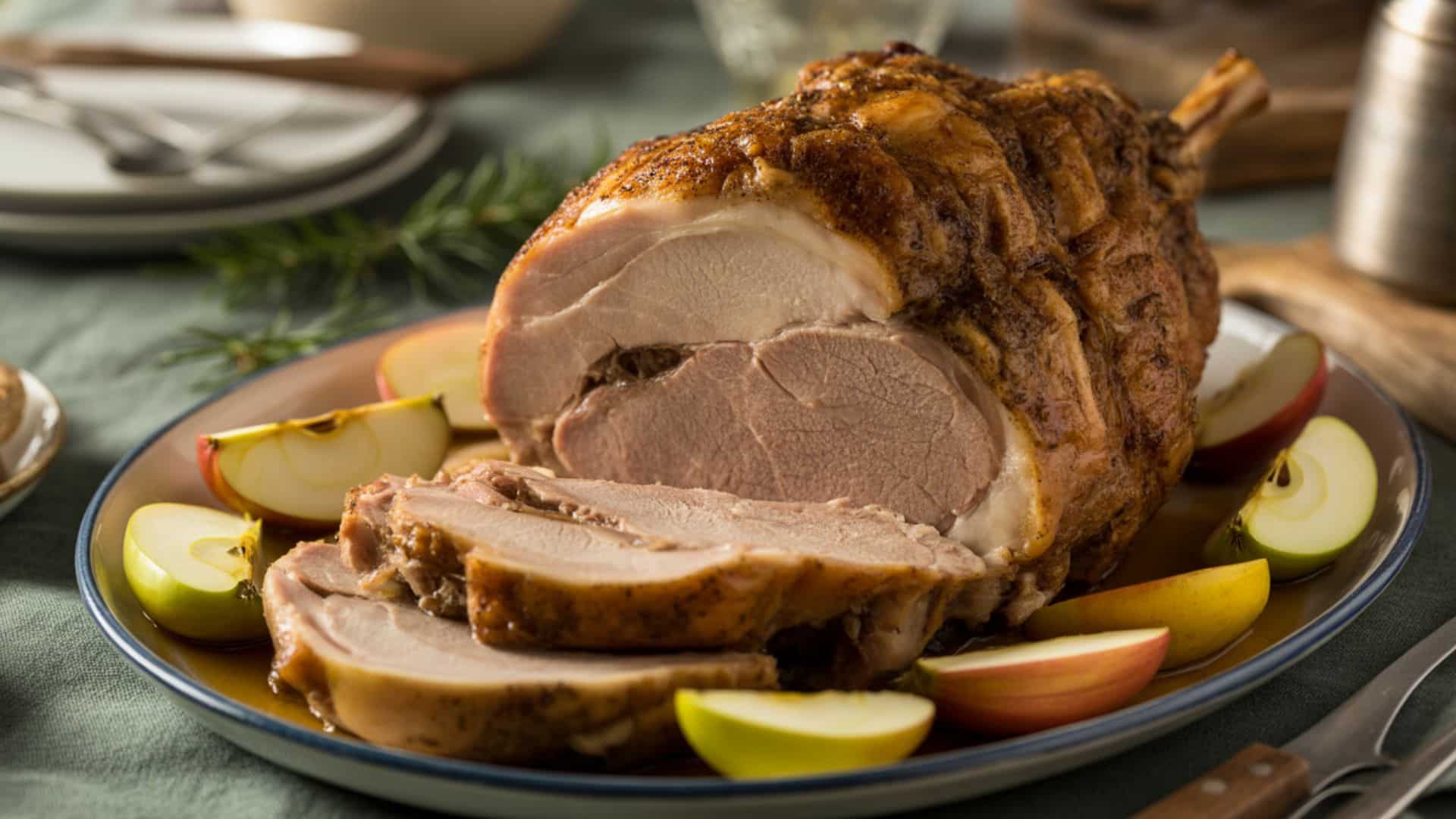
Central European families roast pork with apples and onions because pigs symbolize progress and prosperity when entering the new year with full bellies. The smell fills homes.
Apples add sweetness that balances the rich meat perfectly. Root vegetables roasted alongside create a complete meal for holiday gatherings.
25. Sausage and Lentils
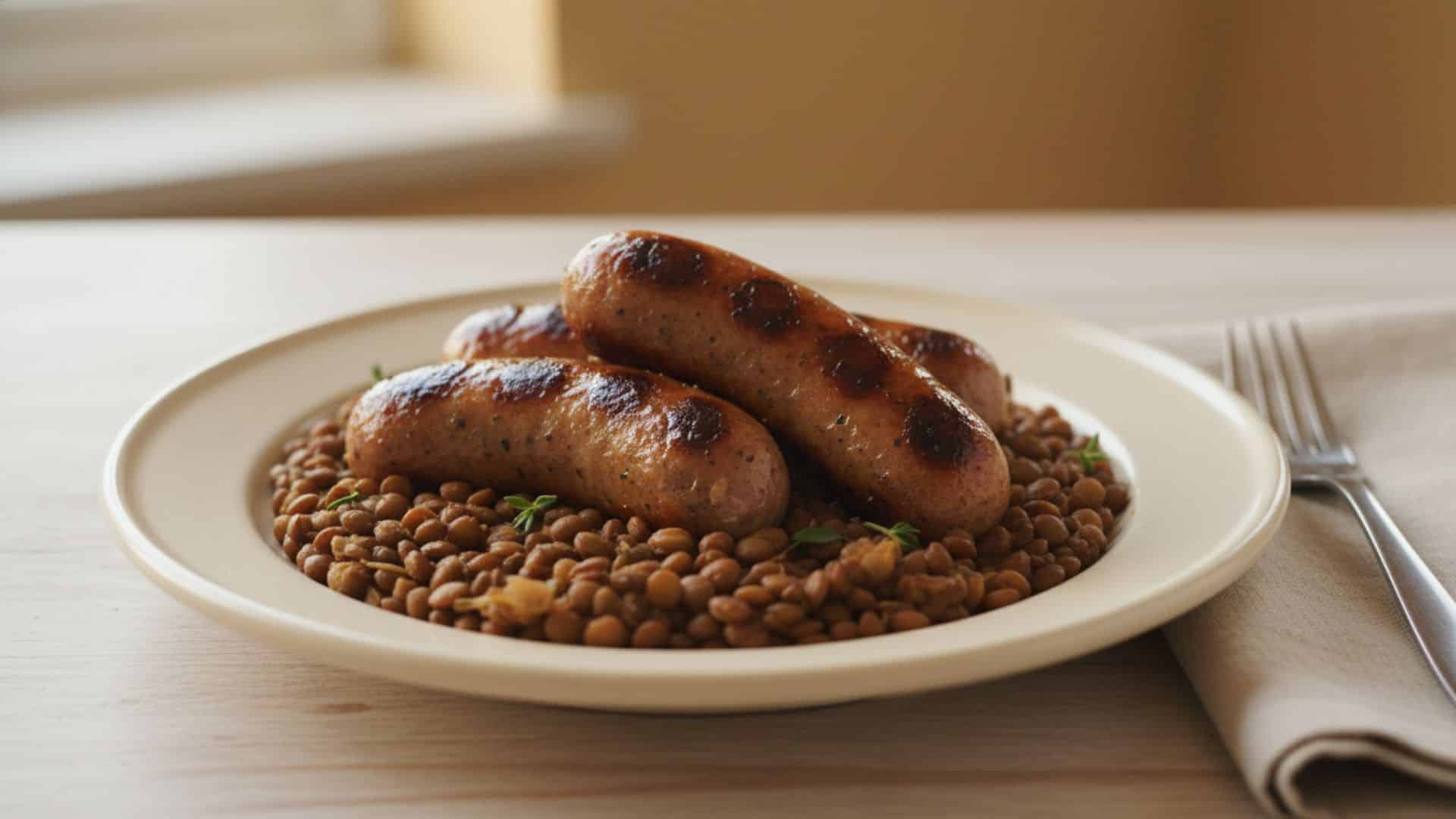
Italian and French cooks pair sausages with lentils for a rustic New Year feast that promises both good luck and satisfied appetites. Regional variations exist.
The lentils soak up flavors from the meat while cooking together. This humble combination has fed families for generations on special occasions.
26. Stuffed Cabbage Rolls
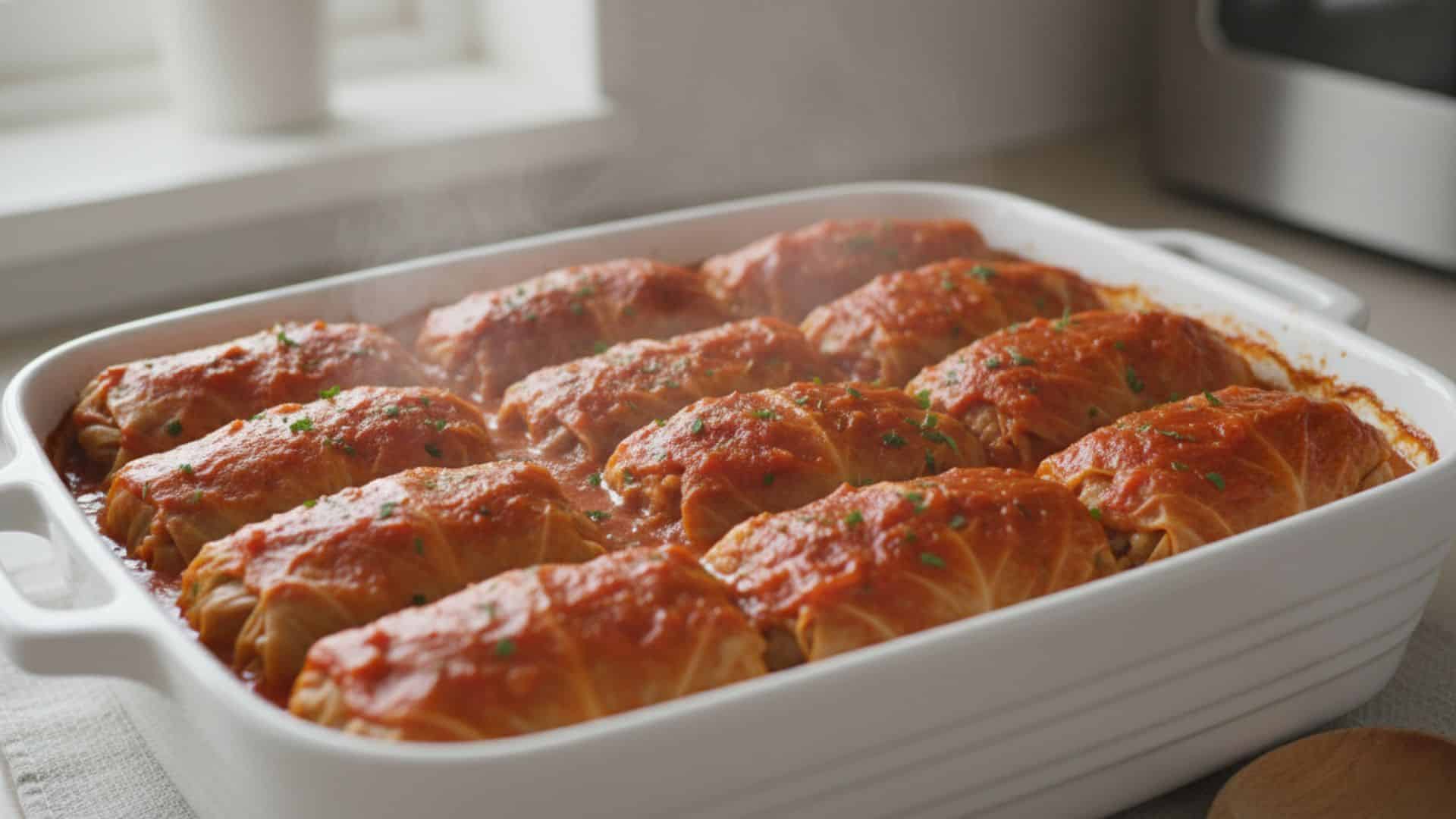
Eastern European families stuff cabbage leaves with meat and rice, then simmer them in tomato sauce for hours on New Year’s Day. The rolls look beautiful.
Each family guards their recipe closely, passing techniques down through generations. The tender cabbage wraps around seasoned filling in every comforting bite.
27. Boiled Beef with Root Vegetables
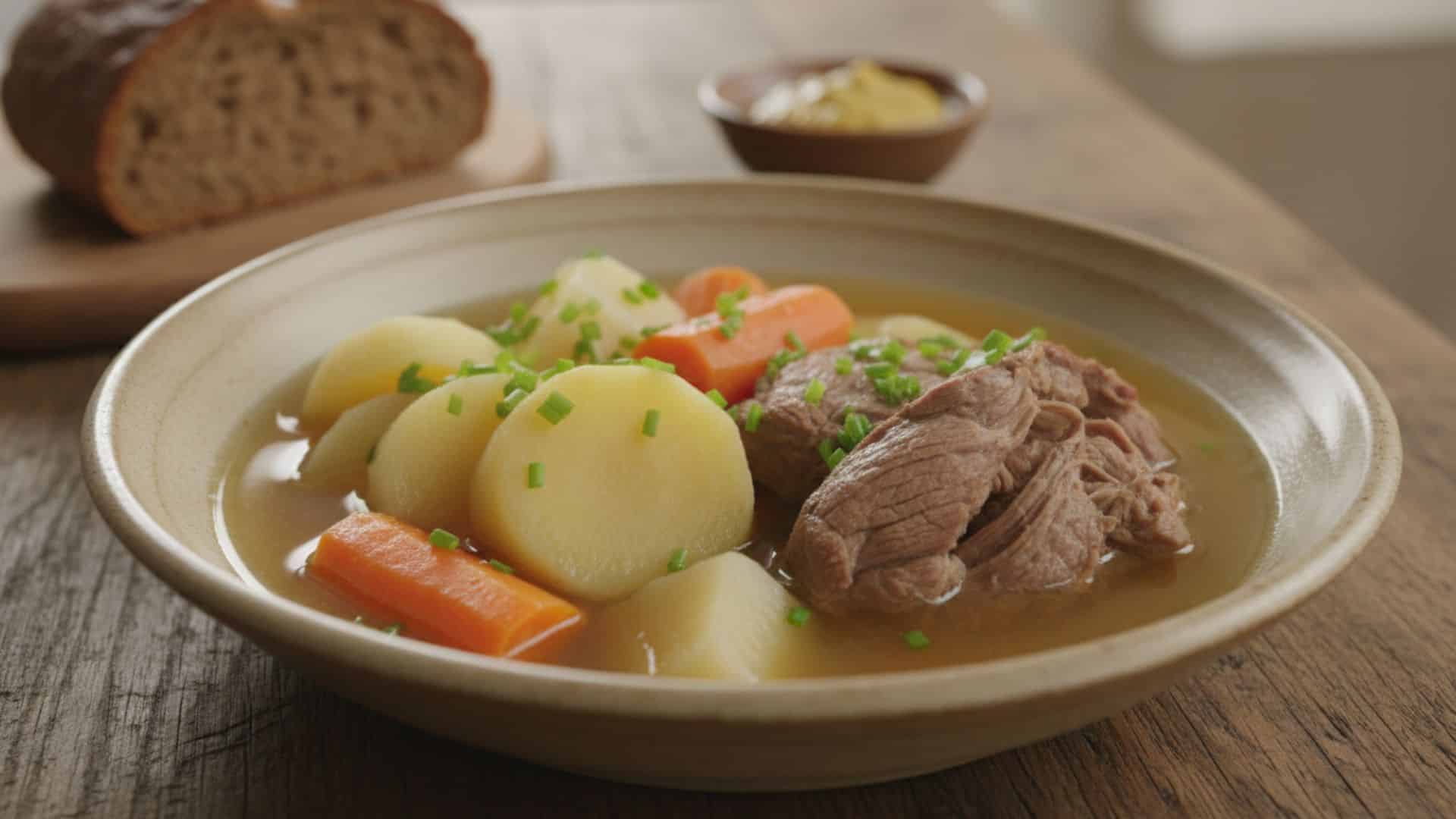
Austrian and German tables feature tender boiled beef with carrots, parsnips, and potatoes for a simple yet satisfying New Year’s meal. Horseradish adds bite.
The clear broth becomes flavorful as the meat and vegetables simmer together. This traditional dish represents honest, wholesome food for the year ahead.
28. Round New Year’s Bread
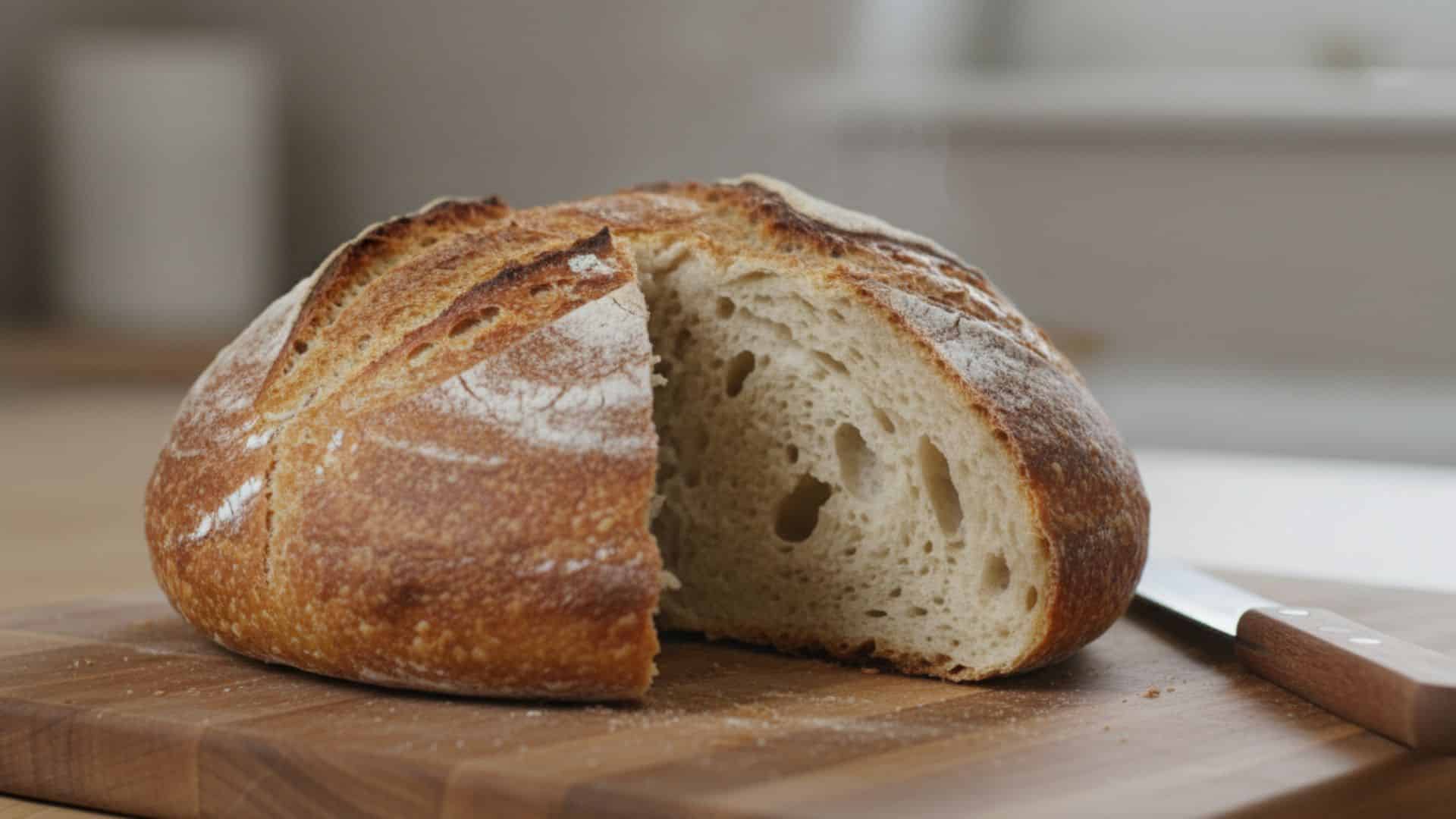
Many cultures bake round loaves because the shape symbolizes the year coming full circle and family unity during celebrations. Shapes carry meaning.
Some breads have coins or charms baked inside for luck. The golden crust and soft interior make this bread perfect for sharing.
29. Rice and Peas
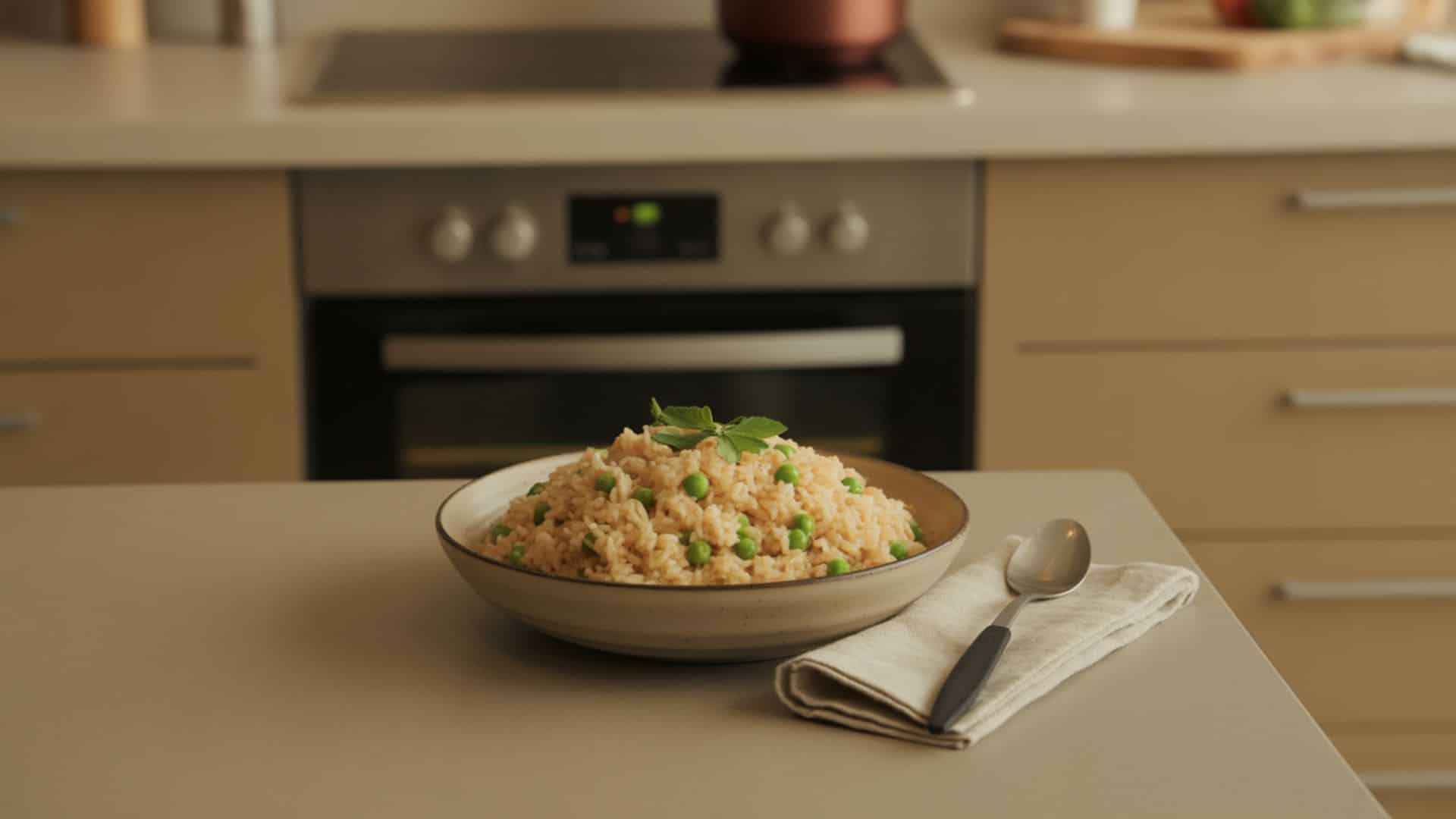
Caribbean families cook rice with pigeon peas and coconut milk for a creamy, flavorful side dish served at New Year celebrations. It’s comfort food.
Thyme and scotch bonnet peppers add authentic island flavor. This dish appears at nearly every special occasion throughout the year in Caribbean homes.
30. Chickpea Stew
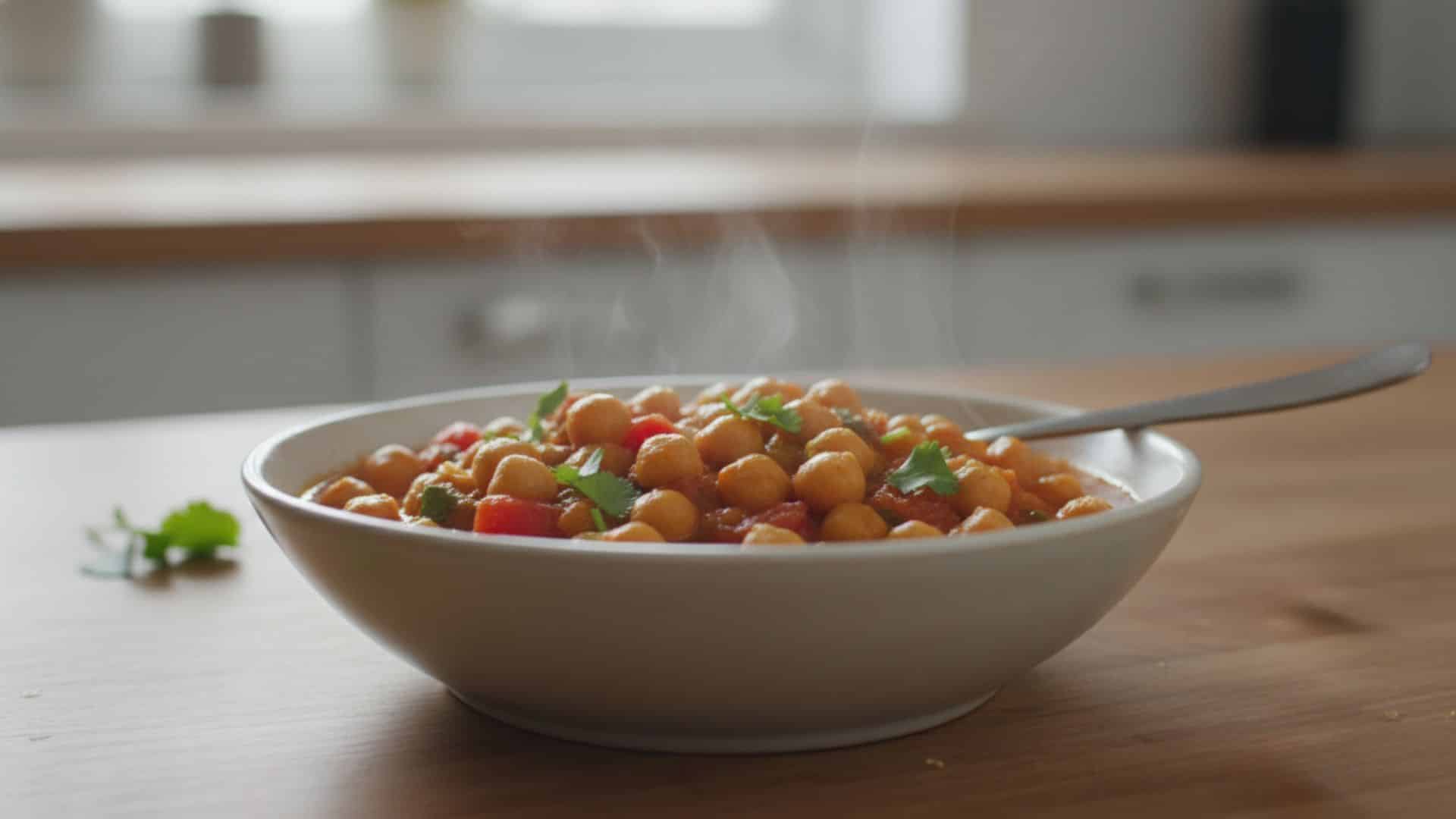
Mediterranean families simmer chickpeas with tomatoes, garlic, and spices to create a warming stew for cold January days and fresh starts. It’s naturally vegetarian.
The legumes provide protein and fiber in this healthy option. Served with crusty bread, it becomes a complete meal for any celebration.
31. Sweet Rice with Milk
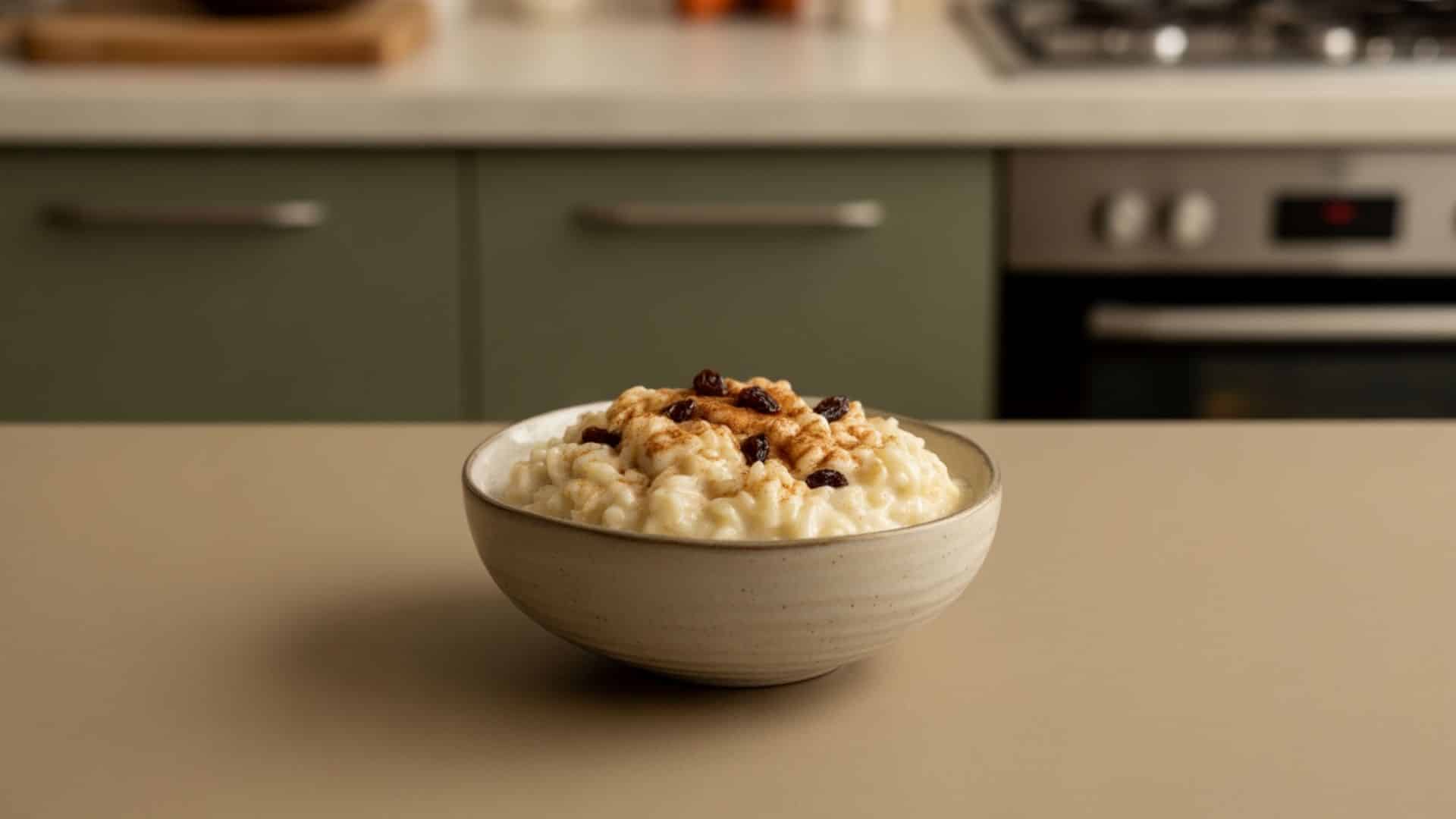
This creamy rice pudding appears on New Year tables across Latin America and Spain, sweetened with cinnamon and sugar for dessert. Children request it often.
Slow-cooked rice absorbs milk until thick and creamy. Raisins and vanilla add extra flavor to this comforting end to the festive meal.
Wrapping It Up
Now you know how different cultures celebrate the arrival of January with meaningful meals and age-old customs.
From black-eyed peas in the American South to tteokguk in Korea, each dish serves a purpose beyond satisfying hunger.
These recipes have survived centuries because they provide nourishment while reflecting expectations for improved times ahead.
Starting your year with one of these traditional meals connects you to millions of others who share the exact wishes.
Pick a meal that speaks to you, gather your loved ones, and create your own memories at the table.
The new year is here. How will you celebrate it through food? Let us know your plans!