I used to think getting healthy meant overhauling everything at once. New diet on Monday. Gym membership by Tuesday. Complete lifestyle transformation by the weekend.
Spoiler: that approach crashed and burned. Every. Single. Time.
What actually works? Tiny shifts that stick. One habit layered on another until you wake up one day and realize you feel genuinely good.
Not perfect. Just… good.
This isn’t another preachy wellness sermon. Consider it a practical chat about what actually moves the needle when you want more energy, more confidence, and fewer regrets about last night’s takeaway.
Food Without the Drama
Can we agree that nutrition advice has gotten ridiculous?
One expert swears by keto. Another insists carbs are essential. Someone on social media lost 30 kilos eating nothing but potatoes. Your coworker won’t shut up about celery juice.
It’s exhausting.
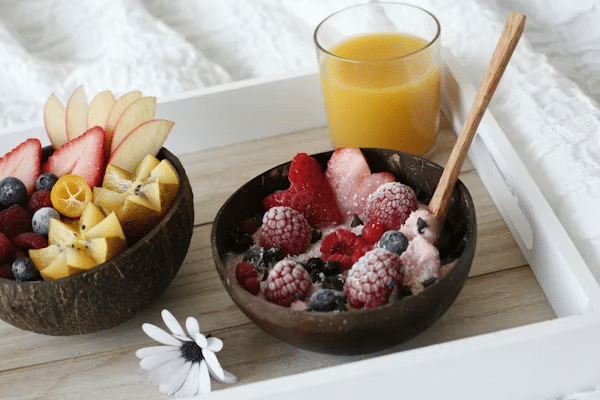
Here’s what most credible research agrees on: eat mostly whole foods, watch your portions, and stop treating every meal like a moral test.
That’s it. That’s the secret.
Now, if you’ve got weight to lose and want structure, there’s value in following a proven system. A good weight loss programme removes the guesswork and gives you a framework that’s been tested on real people.
The best ones don’t ask you to starve. They teach you why certain foods keep you full while others leave you raiding the pantry an hour later.
Protein keeps hunger at bay. Fiber does the same. Processed stuff spikes your blood sugar, then drops you off a cliff. Once you understand these basics, eating well stops feeling like punishment.
I’m not saying never eat pizza. Pizza is wonderful. But maybe not every night.
Consistency beats perfection. Always has, always will.
Why Cooking at Home Changes Everything
Restaurant food tastes amazing for a reason. Butter. Salt. More butter. Portion sizes designed to make you feel like you got your money’s worth.
None of that helps your waistline.
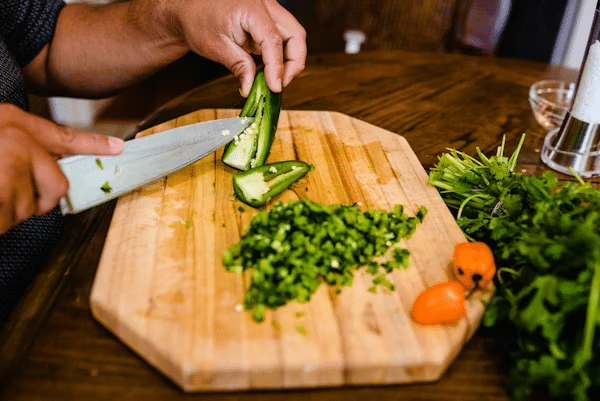
When you cook at home, you control what goes in. No mystery sauces. No hidden oils. Just ingredients you chose and prepared yourself.
Plus, there’s something satisfying about making your own meals. It connects you to what you’re eating in a way that ordering delivery never will.
You don’t need a fancy kitchen. A decent knife, a cutting board, a couple of pans. Maybe a reliable herb grinder if you like adding fresh flavors to your dishes.
Dried herbs lose their punch quickly once ground, so doing it yourself right before cooking makes a noticeable difference. Rosemary on roasted chicken. Oregano in pasta sauce. Thyme on vegetables.
Simple upgrades. Big flavor payoff.
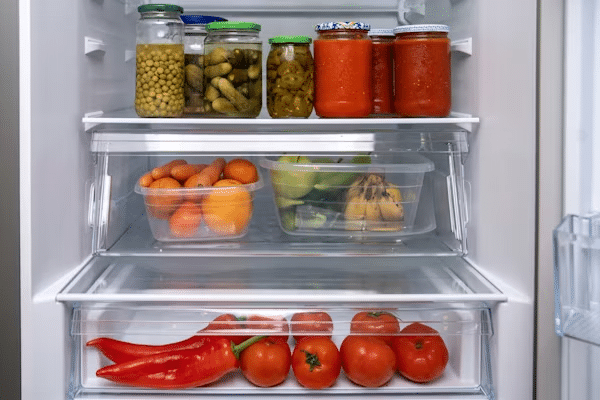
Try batch cooking on Sundays. Prep your proteins, chop your veg, make a sauce or two. When healthy food is already in the fridge, you’re way less likely to order greasy takeaway at 8pm.
Your wallet will thank you too. Those delivery fees add up fast.
Moving Your Body (Without Hating Every Second)
Exercise doesn’t have to mean suffering.
I know, I know. Fitness culture loves to glorify pain. No pain, no gain. Push through. Embrace the burn.
But here’s what nobody tells you: if you hate your workout, you’ll quit. Maybe not today. Maybe not next week. But eventually, you’ll find excuses.
The trick is finding movement you actually enjoy.
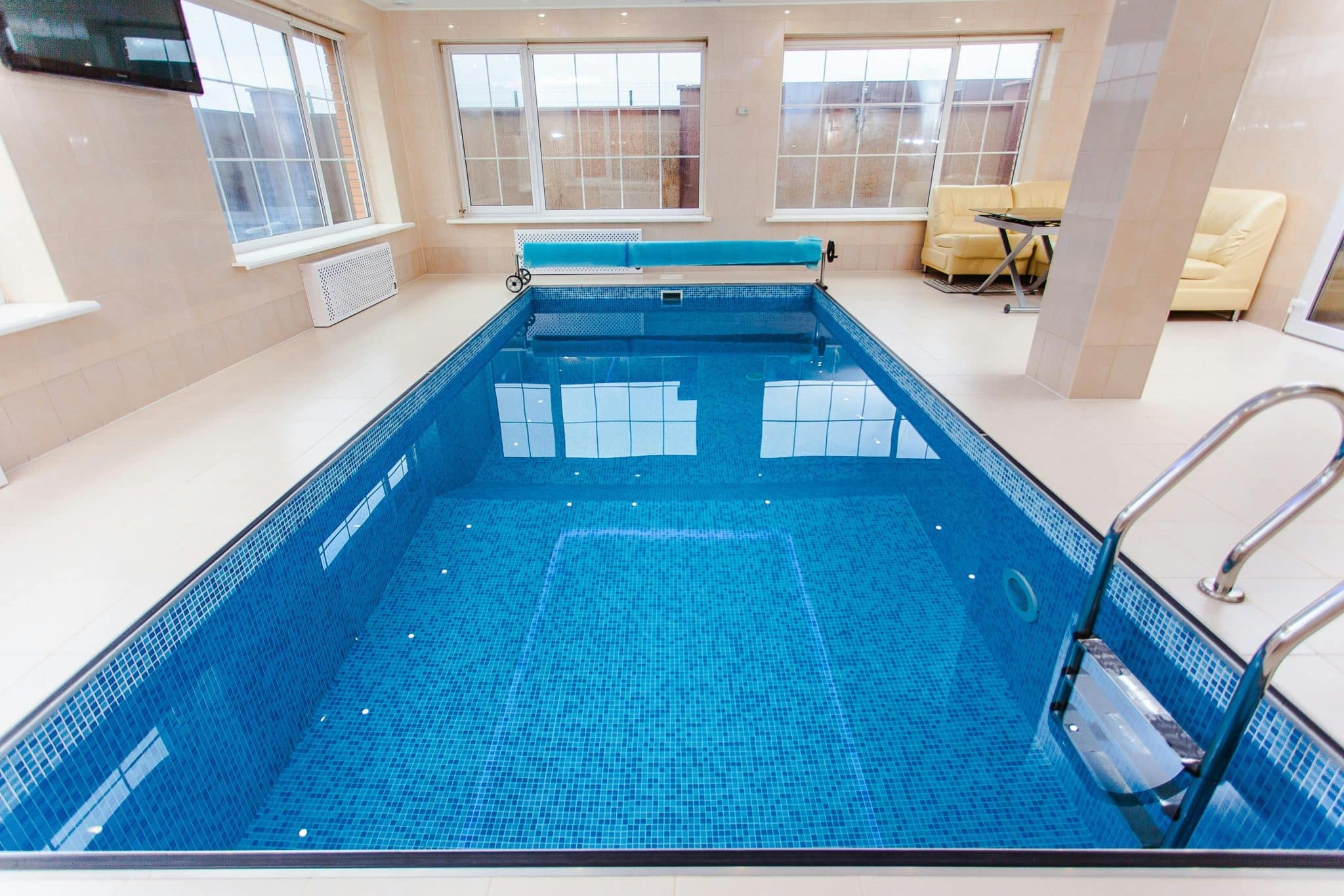
Hate running? Don’t run. Try swimming. Or cycling. Or a dance class where nobody cares if you have two left feet.
Despise the gym? Walk outside. Do yoga in your living room. Chase your kids around the park.
What matters is that you move regularly. The specific activity is way less important than showing up consistently.
Start small if you’re out of practice. Ten minutes counts. Fifteen is better. Build from there.
Your body adapts faster than you’d expect. What feels hard today becomes manageable in a few weeks. What’s manageable becomes easy. Then you push a little further.
Mix it up when you can. Some cardio for your heart. Some resistance works for your muscles and bones. Some stretching so you can still touch your toes at 60.
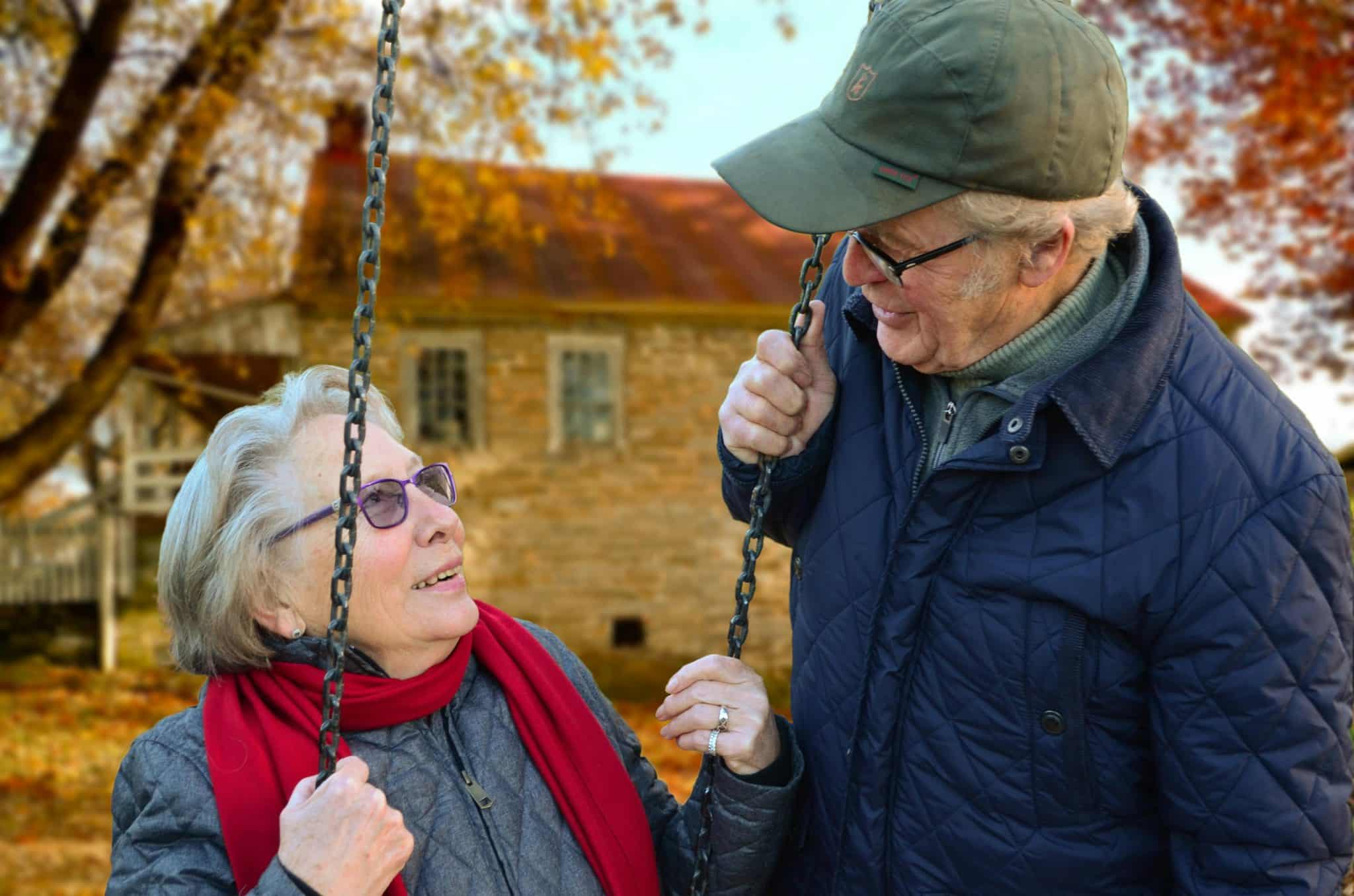
And thinking longer term, the habits you build now pay dividends well into retirement. Staying active and socially connected becomes even more important as you age. If you’re already exploring options for later life, choosing the right retirement community Perth has to offer can make a real difference, especially communities that prioritize wellness, movement, and an active lifestyle.
Sleep: The Thing Everyone Ignores
We brag about being busy. About surviving on five hours of sleep. About grinding while others rest.
It’s nonsense.
Sleep deprivation makes you hungrier, moodier, slower, and older looking. It undermines basically everything else you’re trying to accomplish.
Your body repairs itself during sleep. Your brain clears out waste. Hormones that control appetite and metabolism get regulated.
Skip sleep consistently, and you’re sabotaging yourself.
Most adults need seven to nine hours. Not five. Not six. Seven to nine.
Make your bedroom darker. Cooler. Quieter. Put your phone in another room if you have to.
Stick to a consistent schedule, even on weekends. Your body clock doesn’t know it’s Saturday.
Good sleep won’t fix everything. But bad sleep will break almost anything.
Stress: The Silent Saboteur
You can eat perfectly, exercise daily, sleep eight hours, and still feel terrible if stress runs your life.
Chronic stress dumps cortisol into your system. That messes with digestion, immunity, sleep, weight, mood… pretty much everything.
Finding ways to decompress isn’t optional. It’s maintenance.
What works varies person to person. Some people meditate. Others garden, read, paint, or play music. Long walks help. So does time with friends who make you laugh.
The point is regular release. Don’t wait until you’re at breaking point.
Build small pockets of calm into your days. Five minutes of deep breathing. A short walk at lunch. An evening without screens.
It adds up.

Looking Good, Feeling Better
Let’s be honest about something.
Appearance matters. Not in a shallow, superficial way. But feeling confident in your skin affects how you carry yourself, how you interact with others, how you show up in your own life.
There’s nothing wrong with wanting to look your best.
For some people, that means losing weight and building fitness. For others, it might mean addressing skin concerns or signs of aging that bother them when they look in the mirror.
The aesthetic medicine field has come a long way. Treatments are gentler now, more subtle, focused on enhancing what you have rather than changing who you are.
Dr Fresh aesthetic treatments in Melbourne represent this modern approach well. The goal isn’t to look like someone else. It’s to look like a refreshed, confident version of yourself.
If you’re curious about aesthetic options, do your homework first. Find practitioners with solid credentials. Ask to see their work. Make sure they listen to what you actually want rather than pushing their agenda.
Good providers never pressure you. They answer your questions, explain the process, and let you decide without rushing.
And remember: treatments work best alongside healthy habits. All the procedures in the world won’t compensate for poor sleep, constant stress, and a diet of processed junk.
Think of aesthetic care as the polish, not the foundation.
Putting It Together
None of this is complicated.
Eat real food, mostly. Move your body in ways you enjoy. Sleep enough. Manage stress. Take care of how you look if it matters to you.
Simple doesn’t mean easy, though. Life gets in the way. Old habits fight back. Some weeks, you’ll nail it. Others, you’ll barely hang on.
That’s normal.
What counts is general direction. Are you trending toward better, even if progress is slow and messy?
Perfect isn’t the goal. Progress is.
Pick one thing from this list. Just one. Focus there until it becomes automatic. Then add another.
Six months from now, you might not recognize how far you’ve come.
Or you could keep doing what you’re doing and wonder why nothing changes.
Your call.