There are pros and cons to using methanol as a replacement for traditional fossil fuels in the shipping industry.
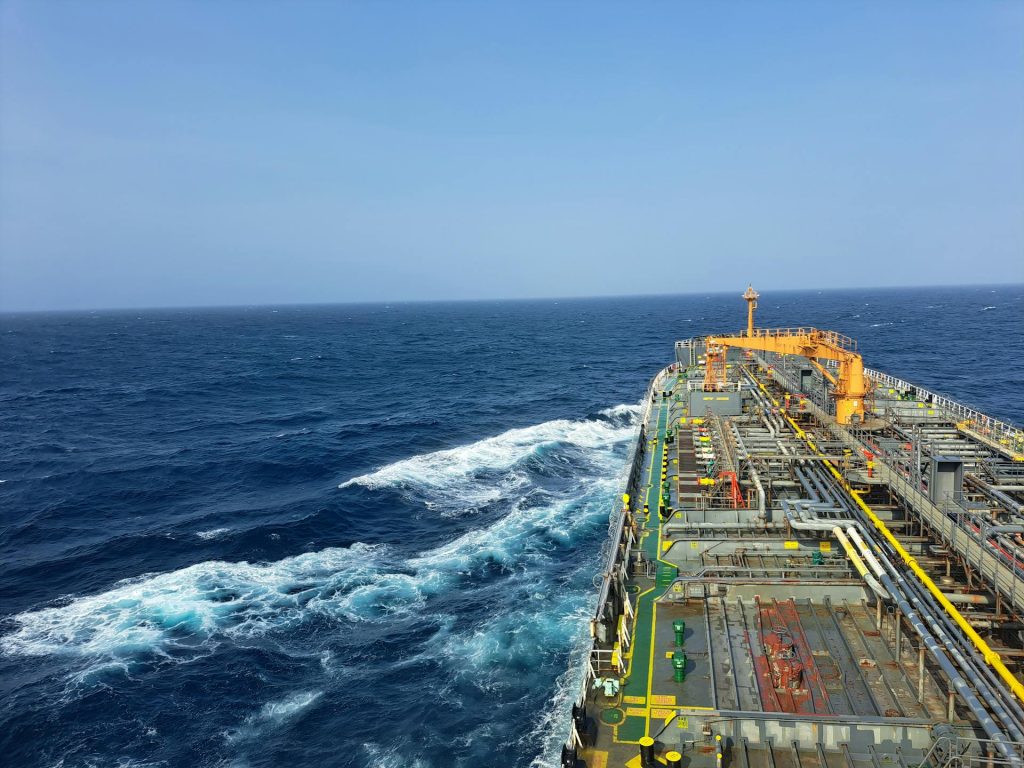
Bunkering which is the term used by shipping companies to describe the process of ‘filling the tank’ for use in the engine room and for other machinery, accounts for 230 million mt (metric tonne) of fuel per year. Burning this fuel equates to emissions of 716 million mt of CO2e (a standard metric for measuring the Global Warming Potential of all greenhouse gases).
A GWP (global warming potential) figure is attained by calculating a gases’ ability to trap heat and methane has a greater capacity to do this (a GWP of 28-30 over 100 years compared to CO2 which has a GWP of 1 over the same period), hence the warming effect is greater than that of carbon dioxide. To calculate the CO2e value for a certain gas, its mass is multiplied by its GWP.
There is a growing list of environmental factors and pressures to reduce Sox (sulphur oxides, produced mainly in shipping and in the power plants around the globe), Nox (nitrogen oxides, produced mainly in power plants, vehicles and industrial processes), particulate matter, CO2 and methane from being utilised in the world. Greater adherence to policies being ushered in around the planet, which will demand the use of low-to zero-carbon fuels, will make for a change in the type of industry we can support and therefore a change in emphasis on what constitutes a marine career, particularly in the propulsion departments.
One of those fuels is methanol although it is now known that the type of methanol now in use is similar in its pollutant capacity to fossil fuels themselves. To reduce its greenhouse gas emissions alternative ‘green’ methanol are being made available. These are e-methanol bio-methanol or blue methanol. Bunkering facilities are now available in 13 ports and are on the increase.
There are pros and cons with regard to the use of methanol with one of the pluses being that ‘green’ methanol offers near-zero greenhouse gas emissions. Retrofit (the process of adding a component to a device, that it hadn’t had before), is easier and less expensive with methanol too, compared to liquified natural gas.
In terms of handling, methanol scores well since it is biodegradable, miscible with water, (which means it forms a homogenous mixture when combined with H2O) and it is liquid at atmospheric pressure.
By contrast green methanol has half the energy of current fossil fuels and a flash point, (the temperature at which it gives off sufficient vapour to ignite) of only 12 degrees Celsius. Some issues are considerable enough to cause selected methanol projects to even be cancelled.
Singapore is expected to a announce a new technical reference standard for methanol, which will cover fuel transfer, quality and quantity measurements. Also included will be crew training as well as operational and safety instructions demanded by the changing nature of vessel propulsion.
So we have a product that can be produced renewably, has low lifecycle greenhouse gas emissions, but is toxic, has a corrosive nature and will require significant investment from many parties, most notably the industry itself, and will need keen scrutiny from Health and Safety agencies and governments to watch over the developments of the sector in the next 50 years.