
Can a celebrity’s past ever truly stay buried?
Mark Wahlberg is a household name today. He stars in major films and runs successful businesses worth millions.
But his teenage years in Boston hold a troubling history. Serious incidents from the 1980s continue to follow him despite decades passing.
The actor has addressed these events publicly multiple times over the years. Yet the controversy refuses to disappear from public conversations.
In this blog, I’ll show you the full picture of this ongoing debate. You’ll learn about the events that happened, their impact, and why this topic still matters in today’s world.
Who Is Mark Wahlberg?
Mark Wahlberg was born June 5, 1971, in Boston, Massachusetts. He grew up as the youngest of nine children in a working-class family.
He first gained fame as rapper Marky Mark in the early 1990s. His hit song “Good Vibrations” launched him into the spotlight.
Wahlberg transitioned to acting with films like Boogie Nights in 1997. He later starred in The Departed, earning an Oscar nomination in 2006.
Today, he produces films, runs Wahlburgers restaurants, and promotes fitness. He is a Catholic father of four with over $400 million in net worth.
What Hate Crimes Is Mark Wahlberg Linked To?
Wahlberg committed two racially motivated attacks during his teenage years in 1980s Boston. Both incidents were motivated by racial bias and took place in an area marked by social division.
At age 15, he attacked a group of Black schoolchildren. He and his friends threw rocks and shouted racial slurs at the students.
At 16, he assaulted two Vietnamese men while attempting to steal beer. He was under the influence of PCP at the time of the attack.
He used a large wooden stick to strike one victim. He also punched another victim in the face during the same incident.
These crimes showed a repeated pattern of violence shaped by prejudice and discriminatory beliefs. His behavior reflected the gang culture and bigotry that were common in his environment back then.
Who Were the Victims and What Happened to Them?
Wahlberg’s attacks affected multiple innocent people across two separate incidents. The victims endured physical harm along with emotional distress that continued long after the attacks.
The 1986 Victims: Black Fourth-Grade Students:
A group of Black children was on a school outing to Savin Hill Beach. They endured terrifying harassment that left them with minor physical injuries and deep psychological scars.
The verbal abuse and rock-throwing created lasting fear in the children. Many reported feeling unsafe in public spaces long after the incident occurred.
The 1988 Victims: Two Vietnamese Men:
Thanh Lam was knocked unconscious by a blow from a five-foot wooden stick. He suffered serious head injuries that required immediate medical treatment and left him with physical pain.
Hoa “Johnny” Trinh, a Vietnamese army veteran, was punched directly in the eye. The attack caused permanent vision loss in that eye, changing his life forever.
Trinh has publicly shared how the assault left him with ongoing resentment and feelings of injustice. Both men faced long-term harm that altered their daily lives and highlighted their lack of protection.
What Legal Consequences Did Mark Wahlberg Face?
Wahlberg faced serious legal action for both attacks. The consequences reflected the severity of his racially motivated violence.
1986 Incident Consequences:
✓ Civil lawsuit filed by the victims’ families
✓ Court-issued civil rights injunction to stop future harassment
✓ Warning of jail time if he violated the order
1988 Incident Consequences:
He was arrested and charged with attempted murder after the Vietnamese men were attacked. He later pleaded guilty to felony assault and violating the previous injunction.
Sentencing: The court sentenced him to two years at Deer Island House of Correction. However, he served only 45 days due to good behavior during his time there.
His criminal record included assault, battery, and contempt of court charges. These convictions stayed on file for decades and affected his early career opportunities.
Has Mark Wahlberg Apologized or Addressed the Past?
Wahlberg has acknowledged his past actions and expressed regret on several occasions. He has expressed regret publicly since the 1990s, when his acting career began.
Early Apologies:
He blamed his actions on youthful mistakes, drug use, and his troubled childhood. He called the incidents the result of poor choices during a difficult time.
2014 Pardon Request:
He applied for an official pardon from Massachusetts Governor Deval Patrick. He stated he was “deeply sorry” and met with Asian community leaders to discuss his past.
2016 Withdrawal:
He withdrew the pardon request after facing public backlash. He admitted it might reopen old wounds for the victims.
Current Stance:
He continues to speak about his past during interviews and public conversations. He now supports anti-racism causes and promotes diversity in Hollywood through his work.
However, victim Johnny Trinh has rejected his apologies as insincere. Trinh has demanded direct restitution instead of public statements.
Why the Hate Crime Controversy Still Gets Attention Today?

Wahlberg’s past crimes remain a hot topic because of his celebrity status. His past often resurfaces during national discussions about discrimination and public responsibility.
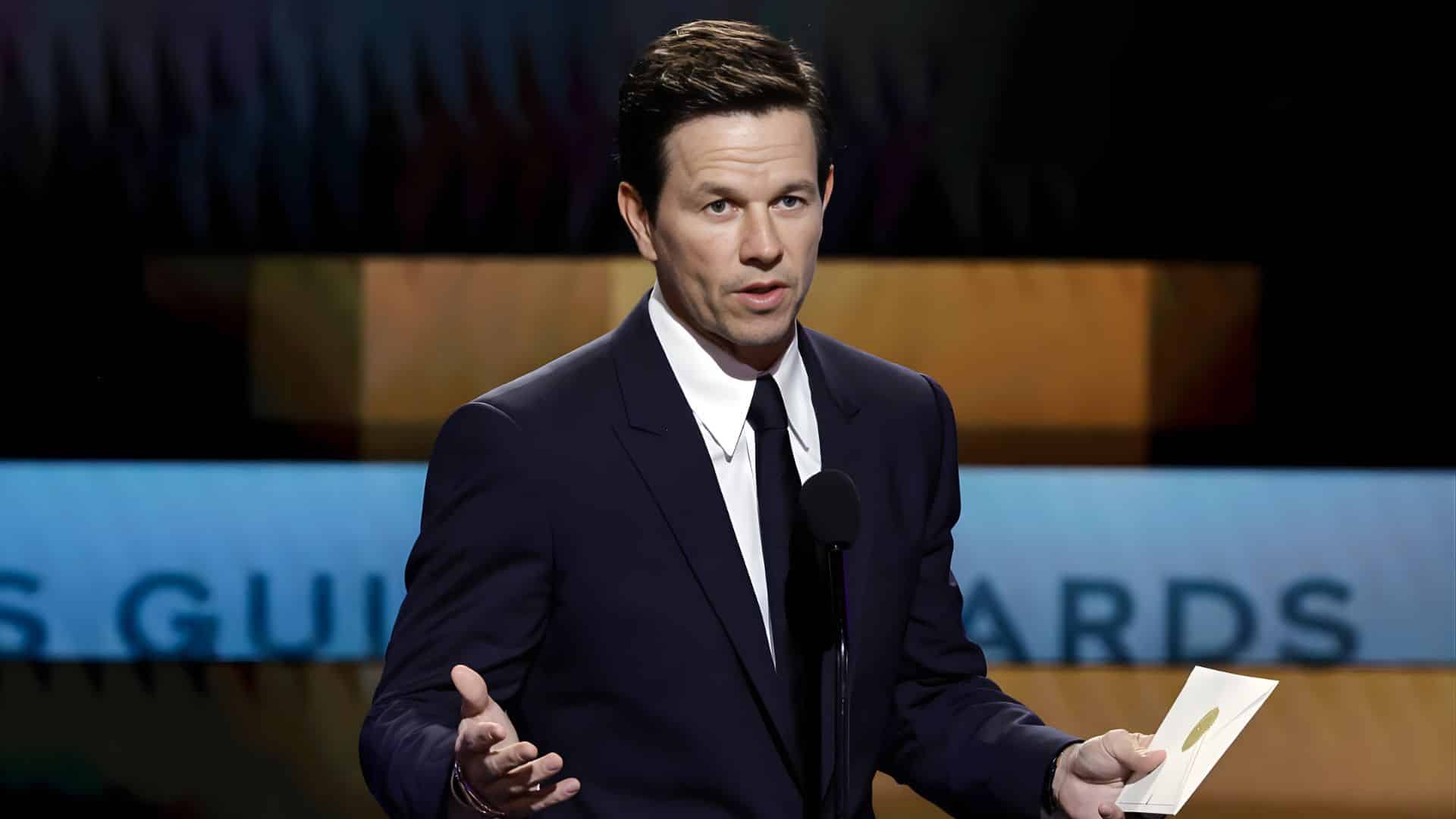
His 2023 SAG Awards appearance with the Asian cast of “Everything Everywhere All at Once” sparked online outrage. Critics called out the irony of his past.
The Black Lives Matter movement in 2020 renewed focus on his criminal record. Social media users often bring up his story during awards seasons and interviews.
Some view his success as an example of privilege in action. Others believe he has changed and earned a second chance in life.
Disclaimer: The information shared here is based on publicly available sources and current estimates. This content is for general informational purposes only and should not be taken as exact or official data.
Wrapping It Up
Wahlberg’s story raises difficult questions about second chances and accountability.
His teenage crimes caused lasting harm to real people whose lives were permanently affected. He has apologized and built a successful life since then.
But does saying sorry erase the harm caused?
Some victims feel his words lack real action. Meanwhile, his continued success keeps this conversation alive in public spaces.
Society now expects more from celebrities with troubled pasts than it did before. The debate between redemption and responsibility will likely continue as long as he remains famous.
What do you think? Can people truly change, or should past actions follow them forever? Share your thoughts below!