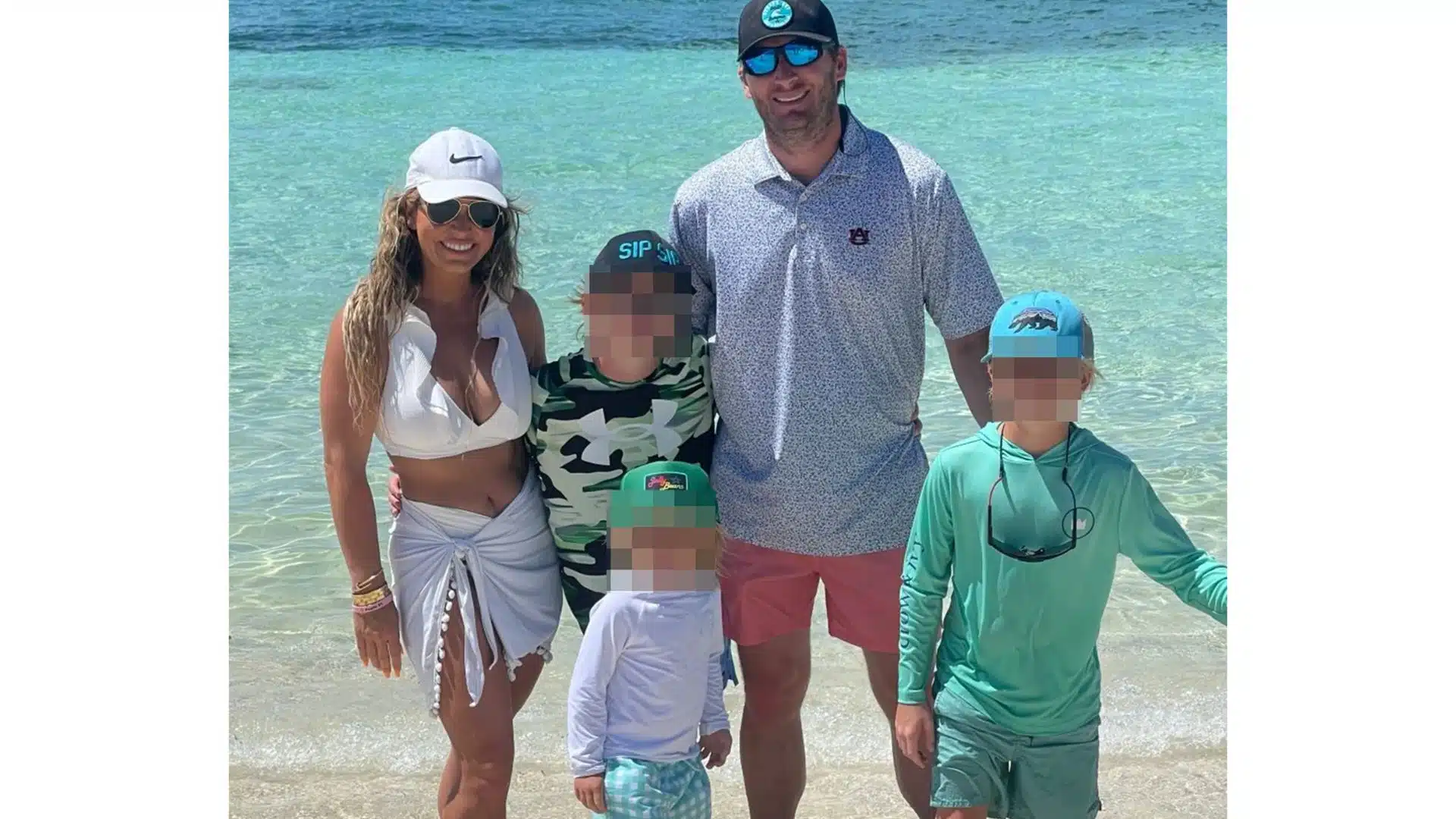
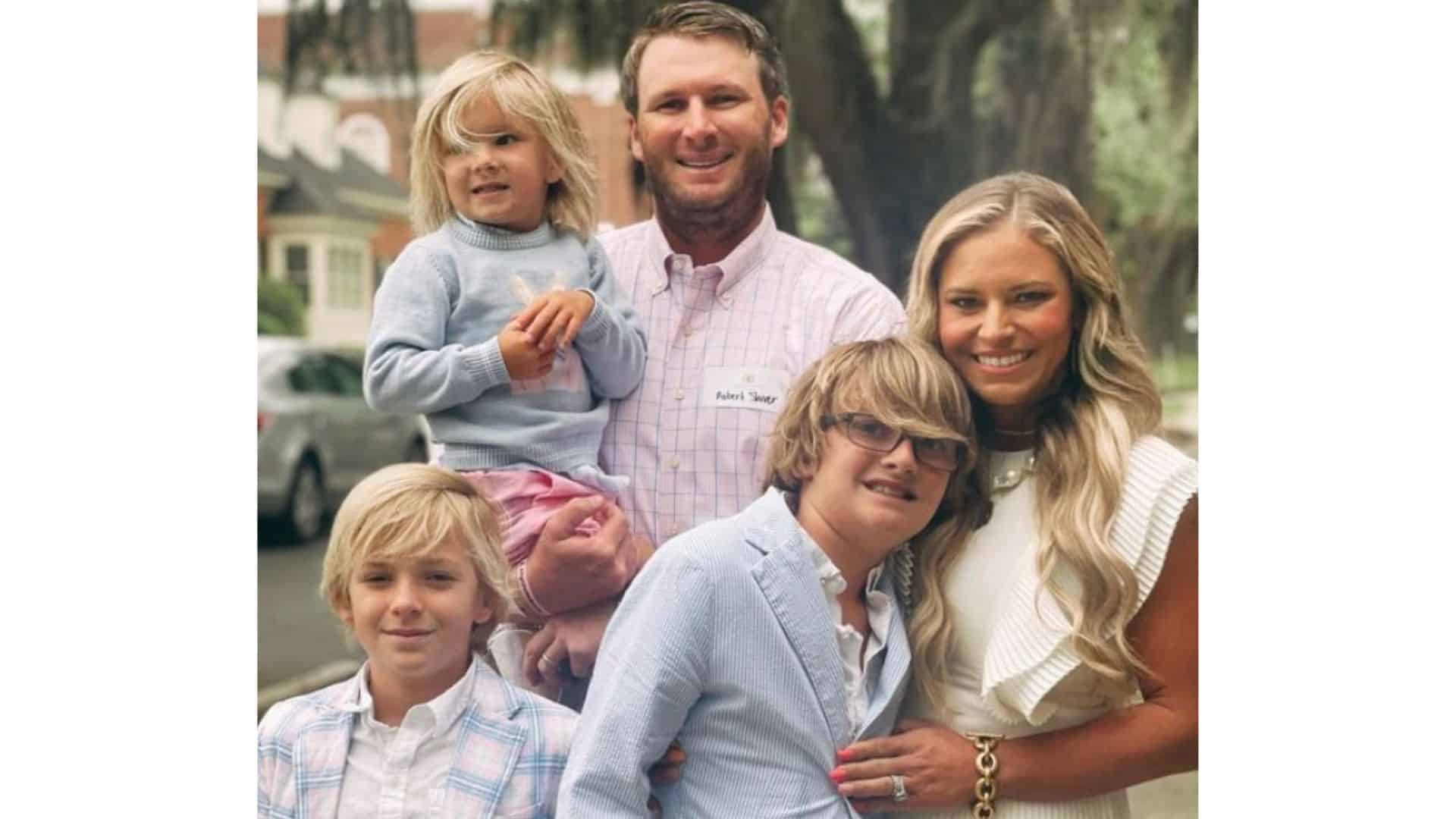
Three young boys. One mother is facing criminal charges. One father who says he fears for his safety.
The question of whether Lindsay Shiver can see her children has been one of the most painful parts of this entire case.
Since her arrest in the Bahamas in July 2023, Lindsay has had to fight in Bahamian courts and in Georgia family court just to stay in contact with her sons. The courts have said yes, then no, then yes again.
This blog walks through every major decision, what each side argued, and where things stand as of.
How It Started: Six Months With No In-Person Contact
When Lindsay was arrested in July 2023, she was released on $100,000 bail in August. But the conditions were strict.
She could not leave the Bahamas. Her passport was surrendered to the U.S. Embassy. Robert was back in Thomasville, Georgia, living in the family home with their three sons, Grayson, Landon, and Rhett.
For six full months, Lindsay had no in-person time with her boys.
There was one small window. According to the Thomasville Times-Enterprise, the court allowed Lindsay to speak with her sons by phone.
Those calls were set up through her mother, Cecilia Shirley, the children’s maternal grandmother.
That was the only contact she had.
Then, in December 2023, Lindsay asked the Bahamian court for permission to travel to the United States for Christmas. Robert appeared by video call at the hearing.
He told the judge he was “thankful to be alive” and asked the court to keep Lindsay away. He said he feared for his and his sons’ safety.
The judge ruled in Lindsay’s favor.
She was allowed to travel to Alabama, not Georgia, to stay with her parents. She had to keep her ankle monitor on at all times.
She could not enter Georgia at all, except for court hearings tied to the divorce or custody case. She also had to stay at least 100 feet away from Robert at all times.
The judge placed no restrictions on time with the children in Alabama. Those visits were unsupervised.
Robert’s Refusal: The January 2024 Court Motion
The court had cleared Lindsay for visits. Robert did not cooperate.
On January 3, 2024, Lindsay’s attorneys filed a motion in a Georgia court. The motion stated that Robert had not allowed Lindsay to see their sons even after she had returned to the United States as permitted.
Her attorneys said Robert had originally offered terms for supervised visits to be overseen by Lindsay’s parents. Then he changed his position entirely.
An email between the two legal teams, attached to the court motion, made his stance clear. Robert’s lawyer wrote: “Mr. Shiver is not agreeable to visitation.”
Lindsay’s attorneys went further in the motion. They alleged Robert had been keeping the children from her “long before any of the developments in the Bahamas.”
They claimed he had been moving money into accounts Lindsay could not access and had been taking the children away from her care well before the criminal case began.
Robert had filed for divorce in April 2023, months before the arrest, asking for primary physical custody of all three boys.
This back-and-forth is a clear example of how high-conflict divorces can turn child access into a weapon.
The charges against Lindsay only made that dynamic harder to untangle, and the fallout reached far beyond the courtroom.
And this custody fight also affected Robert’s relationship with Savannah Chrisley, in such a way that it ended on a bad note.
Bail Revoked: What Changed in October 2024
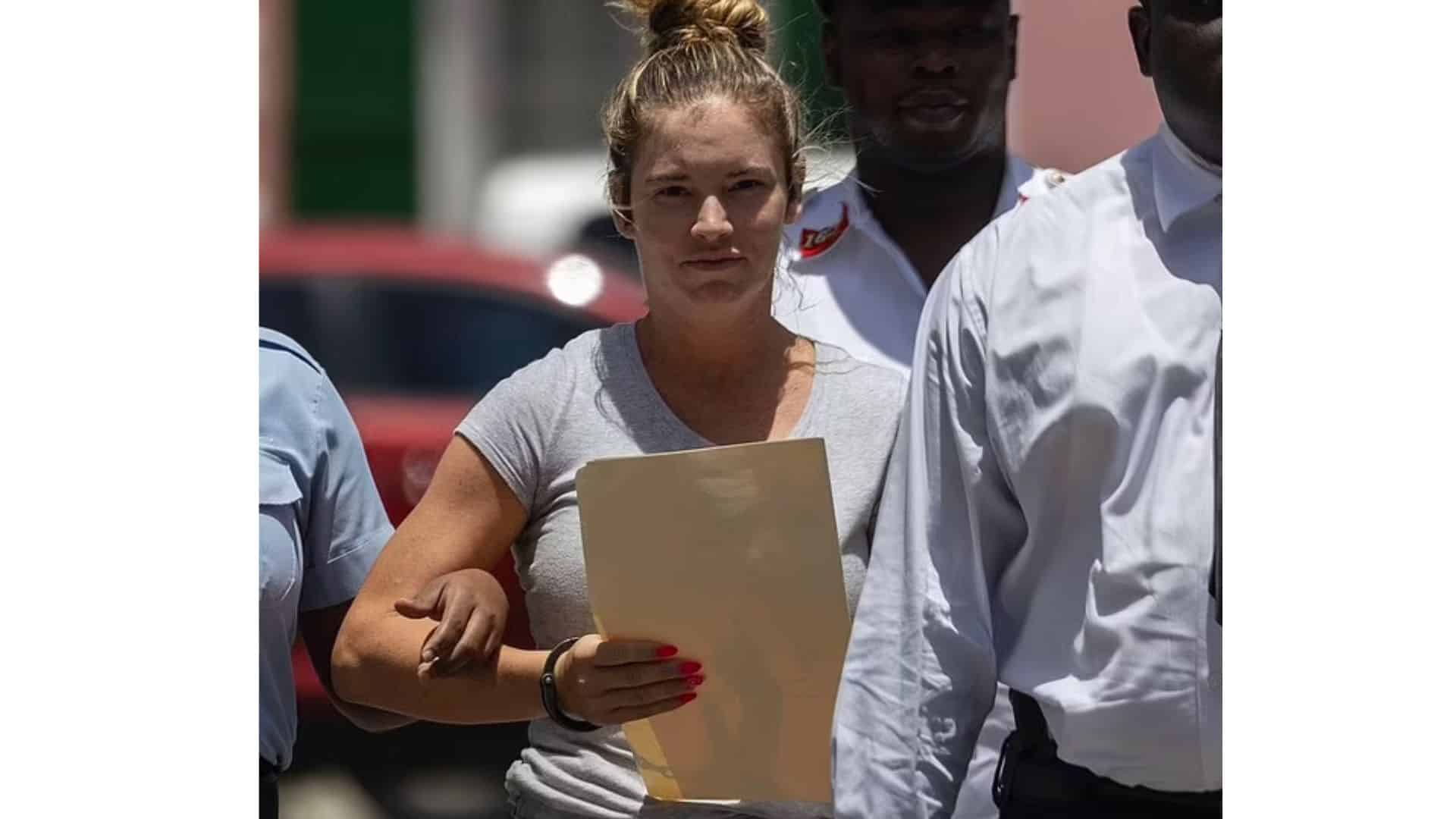
Lindsay’s situation changed again in October 2024.
She and her alleged co-conspirator, Terrance Bethel, had given TV interviews. They spoke on Good Morning America and Inside Edition, both of which claimed they were innocent.
The Bahamian judge ruled that those interviews violated the conditions of their bail. Both Lindsay and Bethel were sent back to Fox Hill Prison in Nassau.
Access to her children stopped again.
In February 2025, Lindsay’s bail was reinstated. Her attorney confirmed she would be released under the original bail conditions, meaning she could return to the United States. She went back to Alabama to live with her parents.
This time, the situation was different.
A WDHN report in August 2025 confirmed a significant update.
Lindsay is now allowed to travel to Georgia to visit her children. This is a major shift from the earlier conditions that had blocked her from entering the state entirely, except for court dates.
The full terms of those visits, including how often, how long, and whether they are supervised, have not been made public.
What is confirmed is that Lindsay currently has some level of in-person access to her sons. That access exists while the criminal trial is still pending. The trial is now set for March 2, 2026, in Nassau. It has been delayed four times.
If Lindsay is convicted of conspiracy to commit murder, a charge that carries up to 60 years in prison, everything about the custody arrangement will likely change.
A Georgia family court would almost certainly have to revisit Robert’s primary custody and Lindsay’s access to the boys from the ground up.
Every decision a parent makes during a custody dispute leaves a mark.
The custody battle mistakes seen in this case each had real consequences that extended well beyond the courtroom.
Conclusion
Lindsay Shiver’s path to seeing her children has been anything but simple.
Six months of separation. Phone calls arranged through a grandmother.
A court motion over withheld visits. A bail revocation that cut contact again. And now, finally, confirmed access to travel to Georgia and spend time with her sons.
Three boys, Grayson, Landon, and Rhett, have lived through all of it.
The Lindsay Shiver children’s custody situation will not be fully resolved until the criminal trial reaches a verdict.
The March 2, 2026, date in Nassau is the next major moment. What happens in that courtroom will shape what comes next for this family.
What do you think about how Lindsay’s access to her children has been handled? Share your thoughts in the comments.