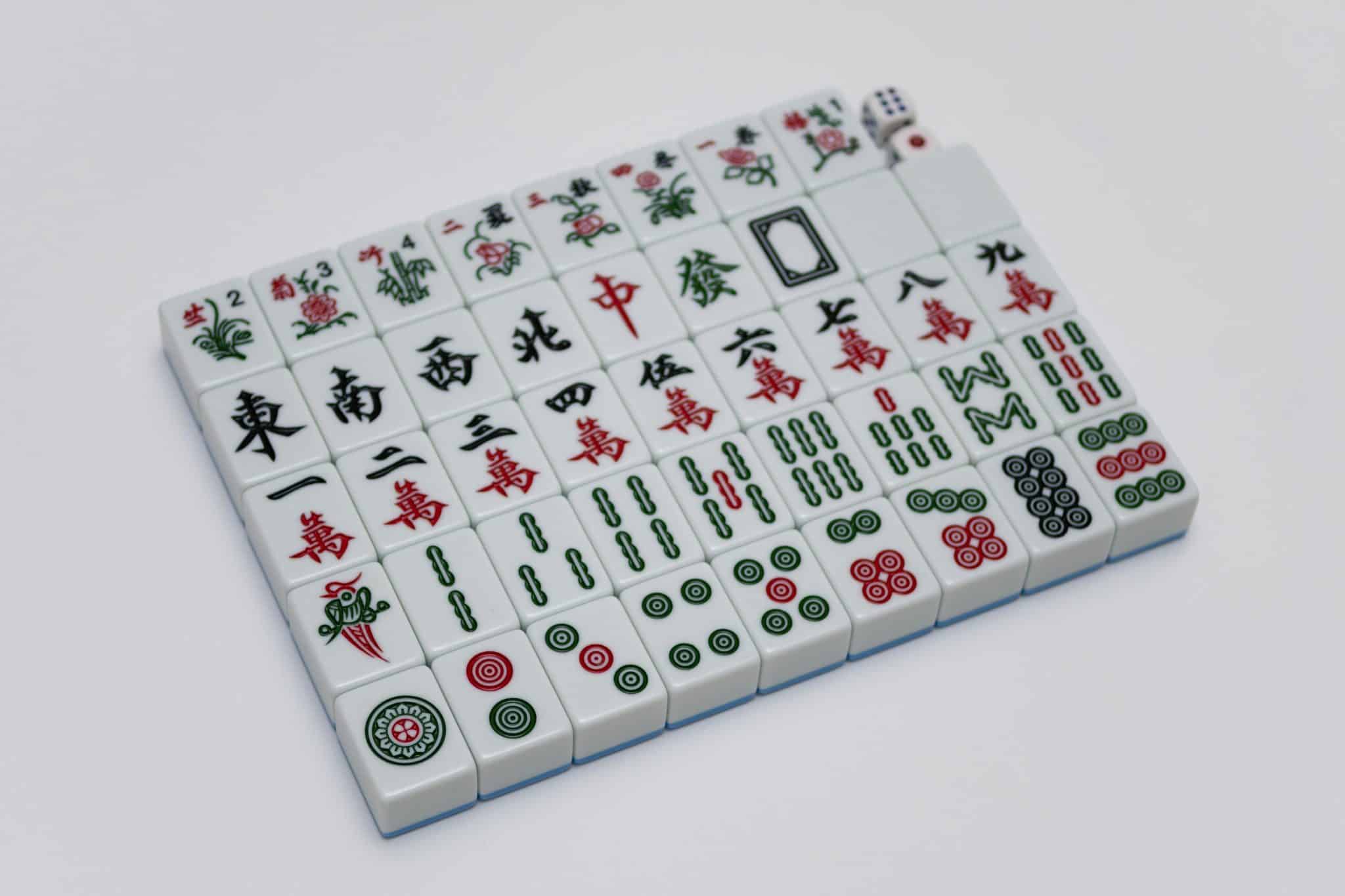

Simple games can sharpen the mind more than many expect. A 2022 study from the National Institutes of Health found that pattern-based games support attention control and visual processing. Tile matching fits this category well. It encourages players to slow down, notice details, and make thoughtful choices. This article explains how tile matching builds focus and awareness, showing how calm gameplay supports sharper thinking without pressure.
Many people experience these benefits through games like Mahjong, which relies on visual scanning and pattern recognition. Understanding how tile matching works helps explain why this type of play feels both engaging and mentally steady.
Visual Scanning Strengthens Attention Control
Tile matching requires constant visual scanning. Players move their eyes across the board to locate patterns and open paths. This action trains attention to stay active without rushing. Each scan reinforces patience and detail awareness.
Key attention skills developed include:
- Spotting subtle differences between tiles
- Tracking open and blocked positions
- Maintaining focus across changing layouts
These skills support sustained attention. Over time, players notice improved ability to stay present during tasks that require careful observation and steady pacing.
Pattern Recognition Builds Mental Flexibility
Pattern recognition sits at the heart of tile matching. Players learn to recognize relationships between shapes, symbols, or colors. This process encourages flexible thinking. The board changes with each match, which forces quick mental adjustment.
Mental flexibility improves as players adapt strategies. The brain learns to shift focus without frustration. This skill helps beyond gameplay. Everyday tasks that involve sorting, planning, or comparison feel easier. Pattern recognition strengthens awareness of structure and sequence in daily situations.
Decision Making Encourages Mindful Choices
Each move in tile matching involves a choice. Players pause to consider consequences before selecting tiles. This habit builds mindful decision-making.
A typical decision process includes:
- Observing available matches
- Predicting how choices affect future moves
- Selecting the option that preserves balance
This step-by-step thinking slows impulsive behavior. It encourages awareness of cause and effect. Over time, this mindset supports calmer decisions in work and daily routines.
Sustained Focus Grows Through Gentle Challenge
Tile matching challenges the mind without urgency. There are no timers forcing quick reactions. This gentle challenge supports sustained focus. Players remain engaged because progress feels achievable.
Sustained focus develops through repetition. Each completed match rewards attention rather than speed. This approach helps people practice concentration without stress. Many players notice improved ability to stay engaged with tasks that require patience. Games like Mahjong demonstrate how focus grows through calm persistence rather than pressure.
Emotional Awareness Improves With Steady Play
Emotional awareness grows alongside focus. Tile matching exposes players to small moments of success and setback. These moments encourage emotional regulation.
Players learn to:
- Accept missed opportunities calmly
- Reset attention after mistakes
- Continue playing without frustration
This emotional balance supports awareness of reactions. Over time, players respond to challenges with steadier emotions. This skill transfers to daily life, where patience and composure matter.
Mindful Engagement Supports Everyday Awareness
Mindful engagement emerges naturally during tile matching. The quiet pace encourages reflection. Players remain present with each move. This presence strengthens awareness of thought patterns and reactions.
Regular play reinforces attention habits. Many people use the tile game as a mental reset because it centers the mind. That awareness carries into daily activities. Tasks feel less scattered. Focus improves through repeated mindful engagement without external pressure.
Tile matching builds focus and awareness through steady practice and thoughtful play. Visual scanning sharpens attention. Pattern recognition improves flexibility. Mindful decisions slow impulsive habits. Gentle challenge supports sustained focus. Emotional awareness grows through calm responses. Games like Mahjong show how simple formats train the mind. With regular play, attention feels steadier, and awareness becomes part of everyday thinking rather than a forced effort.