Hair loss affects millions of individuals worldwide, impacting both self-confidence and quality of life. While traditional treatments like topical solutions or surgical hair transplants remain options, PRP hair injections have emerged as a scientifically supported, minimally invasive therapy that stimulates natural hair regrowth. This article provides a detailed overview of how PRP works, the treatment process, expected outcomes, and tips for achieving optimal results.
What is PRP and How Does It Stimulate Hair Growth?
Platelet-Rich Plasma (PRP) is a concentrated solution of platelets derived from a patient’s own blood. Beyond their essential role in clotting, platelets contain growth factors and bioactive proteins that facilitate tissue repair and regeneration. When applied to the scalp, these growth factors target dormant hair follicles, encouraging them to re-enter the active growth phase, known as the anagen phase.
Unlike topical medications that primarily slow hair loss, PRP works directly at the follicular level, promoting regeneration and strengthening of existing hair. For a more detailed explanation of the mechanisms behind this therapy, many clinical resources provide extensive insights into how platelet-derived growth factors stimulate follicular activity.
The PRP Hair Injection Procedure: Step by Step
A PRP hair treatment involves a precise, minimally invasive process designed to maximize efficacy:
- Blood Collection: A small sample of the patient’s blood is drawn, similar to a routine blood test.
- Centrifugation: The sample is processed in a centrifuge to separate plasma rich in platelets from other blood components.
- Scalp Preparation: Targeted areas are cleansed and numbed with a local anesthetic to minimize discomfort.
- PRP Injection: The concentrated plasma is injected into the scalp using fine needles, focusing on areas of thinning hair.
- Post-Treatment Care: Minor redness or tenderness may occur, but most patients resume daily activities immediately.
The treatment typically takes less than an hour and does not require general anesthesia. Patients generally experience minimal discomfort and are able to resume normal activities shortly after the procedure.
Candidate Suitability for PRP Hair Therapy
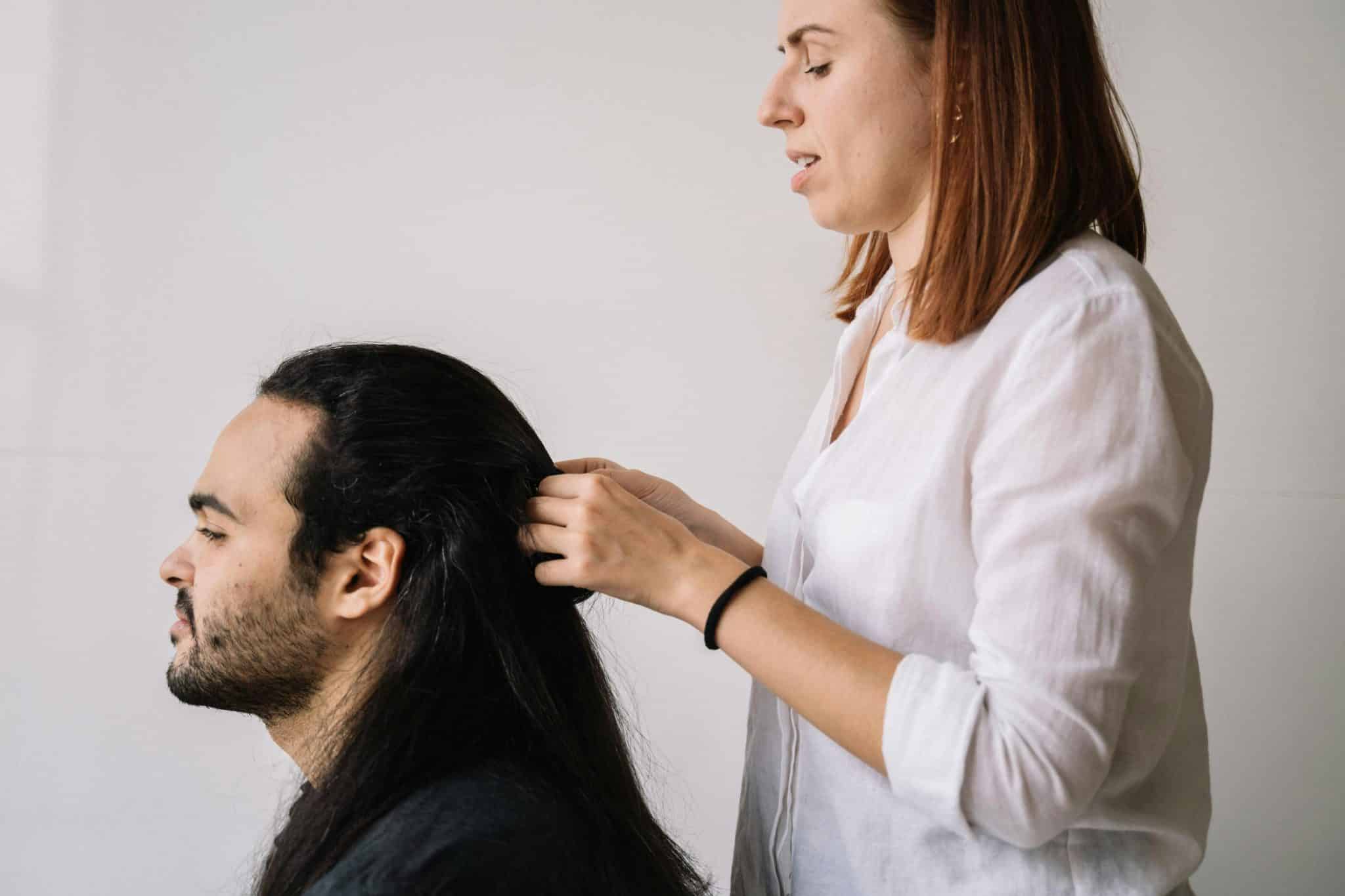
PRP is most effective for patients experiencing early-stage hair thinning or pattern baldness. Men and women can benefit, particularly when hair loss is linked to genetics, hormonal changes, or stress.
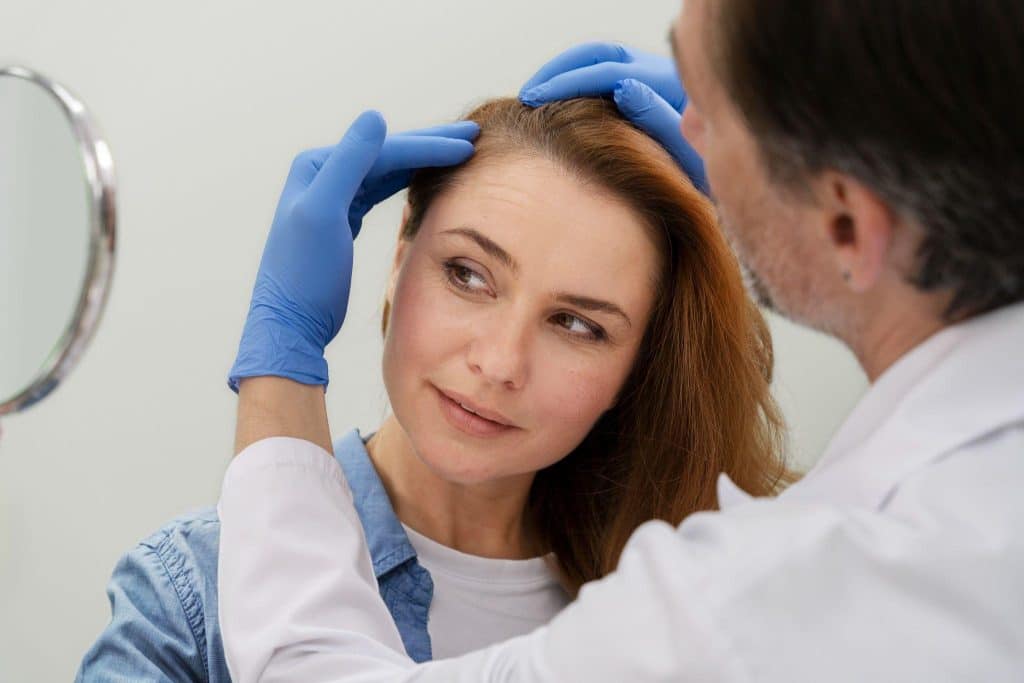
Patients with specific medical conditions, such as platelet disorders, severe anemia, or active scalp infections, may not be ideal candidates for PRP therapy. A comprehensive evaluation by a qualified clinician is essential to determine suitability and to design a personalized treatment plan that addresses the patient’s unique needs.
Expected Results and Treatment Timeline
PRP stimulates gradual follicular activation, and visible improvements typically appear within 3–6 months. Most practitioners recommend 3–6 initial sessions, spaced four to six weeks apart, followed by maintenance treatments every six to twelve months.
Expected outcomes include increased hair density, improved hair thickness, and reduced shedding. Individual results may vary based on factors such as age, genetics, and the severity of hair thinning. Combining PRP therapy with complementary hair-preserving strategies can help enhance and maintain long-term results.
Optimizing PRP Hair Regrowth Outcomes
PRP treatments are most effective when integrated with supportive hair care practices:
- Balanced Nutrition: Adequate protein, iron, and vitamins such as biotin and zinc support follicular health.
- Scalp Care: Avoid excessive heat, harsh chemicals, or tight hairstyles that place stress on the follicles.
- Stress Management: High stress levels can exacerbate hair loss; mindfulness and stress-reduction practices can support treatment.
- Treatment Adherence: Completing the recommended series of PRP sessions is critical for optimal outcomes.
- Complementary Therapies: Low-level laser therapy or topical solutions may further enhance follicle activation.
Safety Profile and Potential Side Effects
One of the primary advantages of PRP therapy is its autologous nature; using the patient’s own blood minimizes the risk of allergic reactions. Common side effects are mild and temporary, including:
- Scalp tenderness or sensitivity
- Redness or mild swelling at injection sites
- Minor bruising
Serious complications are rare, provided treatment is performed by a licensed, experienced clinician.
PRP vs. Traditional Hair Loss Treatments
PRP distinguishes itself from other treatments in several ways:
- Non-Surgical: Unlike hair transplants, PRP does not require incisions or extensive recovery.
- Minimally Invasive: PRP injections are relatively quick, with minimal discomfort.
- Natural Mechanism: It leverages the body’s own growth factors rather than synthetic chemicals.
While medications like minoxidil or finasteride may slow hair loss, PRP promotes actual follicular regeneration. Patients often choose PRP as an early intervention to preserve and strengthen existing hair before considering more invasive solutions.
Conclusion: Is PRP Hair Therapy Right for You?
PRP injections provide a scientifically supported, minimally invasive solution for individuals experiencing hair thinning. By stimulating dormant follicles and improving hair density, PRP offers a natural approach to hair regrowth.
Consulting a qualified provider is crucial to determining candidacy and developing a personalized treatment plan. When combined with healthy lifestyle practices and consistent hair care, PRP can deliver meaningful, long-term improvements in hair health.