Remote operations test planning in ways that office-based projects never do. Crews often arrive before roads are finished, utilities are available, or permanent structures exist. Supplies come in stages. Weather changes plans overnight. Even small oversights can ripple into lost hours, safety concerns, and rising costs.
Many teams try to solve these challenges piece by piece. One vendor handles housing. Another delivers sanitation. Food services arrive later. Each provider works on its own schedule. That lack of coordination creates gaps, especially during the first days on site when pressure is highest. Crews wait. Work slows. Frustration builds.
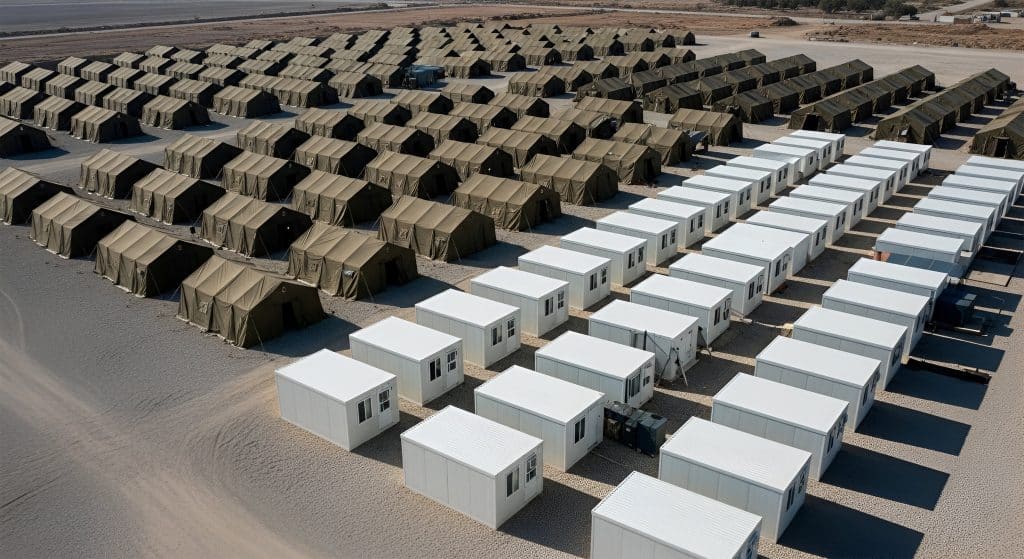
A turnkey base camp changes that dynamic. Instead of assembling support systems over time, teams arrive to a site that already functions. Housing, sanitation support, food services, and base camp support are aligned from the start. That early stability sets the tone for the entire operation and allows crews to focus on the work ahead rather than daily logistics.
Why Remote Operations Break Down Without a Turnkey Base Camp
Most remote sites struggle for the same reasons. Shelter arrives late. Restrooms are not ready. Food service does not match shift hours. Each issue alone may seem manageable. Together, they slow progress and raise safety concerns.
A turnkey base camp addresses these problems early. Housing, sanitation, food services, and operational spaces are planned as one system. Crews know what to expect from day one. That consistency reduces daily friction and keeps work moving. With fewer pieces to coordinate, teams avoid the stop-and-start pattern that often defines remote projects.
What Defines a True Turnkey Base Camp
A turnkey base camp is more than equipment delivered to a site. It is a specialized solution designed to operate as a complete system. Planning, transport, setup, and ongoing support are included from the start.
Turnkey base camp solutions provide a full range of services under one coordinated plan. Housing, sanitation support, food prep areas, and temporary warehouse storage are designed to work together. Because these elements are integrated, teams avoid the trial-and-error phase common with temporary setups. The camp functions as a working facility, even in isolated locations.
Speed Matters: Rapid Deployment in High-Pressure Situations
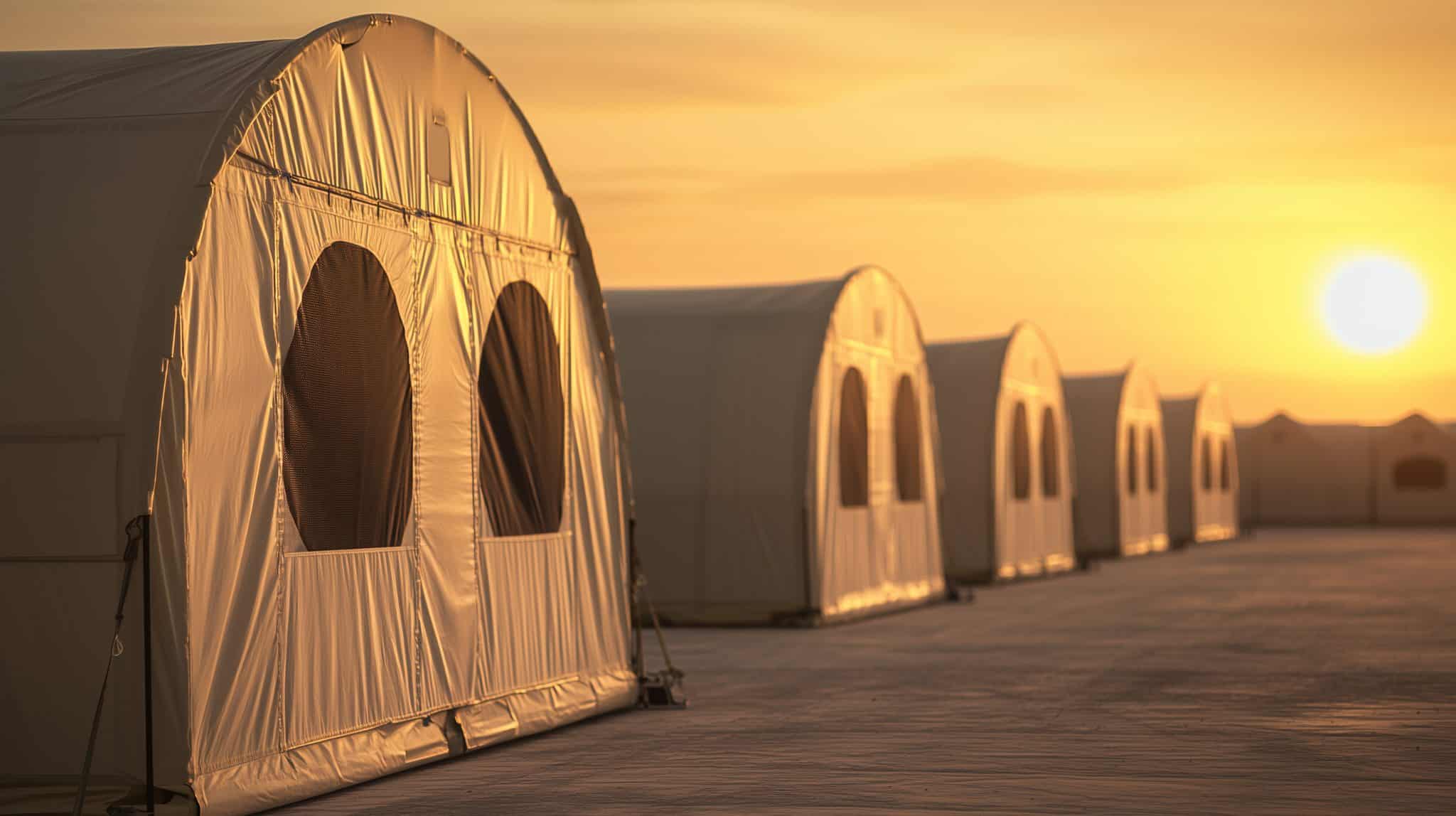
When timelines are tight, setup speed shapes everything that follows. Early momentum matters. Delays at the beginning often carry through the rest of the operation.
Rapid Deployment for Emergency and Disaster Response
Emergency response and disaster response efforts demand fast action. Crews cannot wait days for basic services. Rapid deployment places a turnkey base camp on site with systems ready to operate right away.
That speed supports response efforts during the most critical window. Teams can rest, clean up, and eat without delay. Work begins sooner and continues with fewer interruptions. Over time, fast deployment also reduces the need for temporary fixes that later require replacement.
Base Camp Support That Covers Daily Living and Work
Once operations are underway, daily support becomes the focus. Living and working conditions influence performance more than many teams expect.
Housing, Hygiene, and Climate Control
Billeting solutions give crews reliable places to rest between shifts. Clear layouts and proper spacing help reduce fatigue during long deployments. Shower trailers, laundry facilities, and mobile hygiene services support daily cleanliness and comfort.
Climate control plays a direct role as well. Cooling and heating systems help crews recover after demanding workdays, especially in today’s environments that are heavily affected by climate change. When rest improves, focus and output tend to follow. These details shape how well teams hold up over time.
Food Services and Operational Spaces
Food services need to align with real work schedules. Long shifts and rotating crews require flexible food prep areas and steady meal access. When meals are available on time, crews stay energized and focused.
Temporary warehouse storage supports daily efficiency. Tools, supplies, and materials stay organized and protected from the elements. That organization saves time and limits frustration during busy shifts.
Sanitation Support as an Operational Requirement
Sanitation affects safety, health, and uptime. It cannot be treated as a secondary concern. Portable restrooms sized for crew volume prevent bottlenecks during shift changes. Proper waste systems reduce health risks and site disruptions.
Clean facilities help limit illness across teams. Fewer sick days mean steadier staffing and smoother operations. When sanitation support is built into the base camp design, crews spend less time addressing issues and more time working.
Structures and Safety Systems That Scale
Operations change. Crew sizes shift. Missions expand or contract. Infrastructure must adapt without constant rebuilds.
Pole and frame tents provide that flexibility. They support housing, command areas, medical spaces, and staging zones. Layouts can adjust as needs change. Fire protection equipment integrated into camp planning adds another layer of safety. Clear access routes and protection systems help reduce risk across the site, especially during extended deployments.
One Specialized Solution Instead of Multiple Vendors
Managing several vendors creates complexity. One group handles housing. Another manages food services. A third covers sanitation. Gaps appear quickly when schedules do not align.
A turnkey base camp replaces that fragmentation with one specialized solution. Setup, maintenance, and support fall under a single provider. Communication becomes simpler. Responsibility stays clear. With fewer moving parts, operations face fewer delays and fewer surprises.
Built for Disaster Response and Remote Operations
Remote sites and disaster zones share similar challenges. Access is limited. Terrain can be unstable. Weather shifts without warning. Turnkey base camp solutions are designed with these conditions in mind.
Systems adapt as needs change. Camps expand or adjust without full teardown. That flexibility supports long-term response efforts while keeping infrastructure reliable. Teams remain focused even as conditions evolve.
Conclusion
Remote operations succeed when support systems work quietly in the background. Crews should not have to worry about where they will sleep, clean up, or eat after long shifts. Those needs must be handled consistently, day after day, even when conditions change.
A turnkey base camp provides that consistency. By combining housing, sanitation, food services, safety systems, and storage into one coordinated setup, it removes many of the risks that slow remote projects. Rapid deployment helps teams get started faster. Integrated support keeps operations steady over time. Clear responsibility reduces confusion when issues arise.
For disaster response, emergency response, and long-term remote work, reliability matters as much as speed. Turnkey base camp solutions offer both. They give organizations a practical way to support crews, protect productivity, and maintain control in environments where mistakes carry real consequences.