Relocating to a new home often comes with a mix of excitement and pressure, especially in a large, fast-moving city like Dallas. With its busy neighborhoods, growing suburbs, and constant traffic flow, moving here can feel more complicated than expected. Whether you’re relocating across town or settling into Dallas for the first time, the process involves more than just packing boxes and changing addresses.
Many homeowners assume moving will be straightforward if they stay organized. But once timelines tighten and unexpected issues pop up, small oversights can quickly turn into major stress points. From underestimating how long packing takes to forgetting to prepare the new space ahead of time, relocation mistakes are common and completely avoidable.
Understanding where things usually go wrong can help you plan smarter and protect both your belongings and your peace of mind. By learning from the mistakes others make, you can create a smoother transition and focus more on settling into your new home rather than fixing problems after the fact.
Underestimating the Complexity of a Move
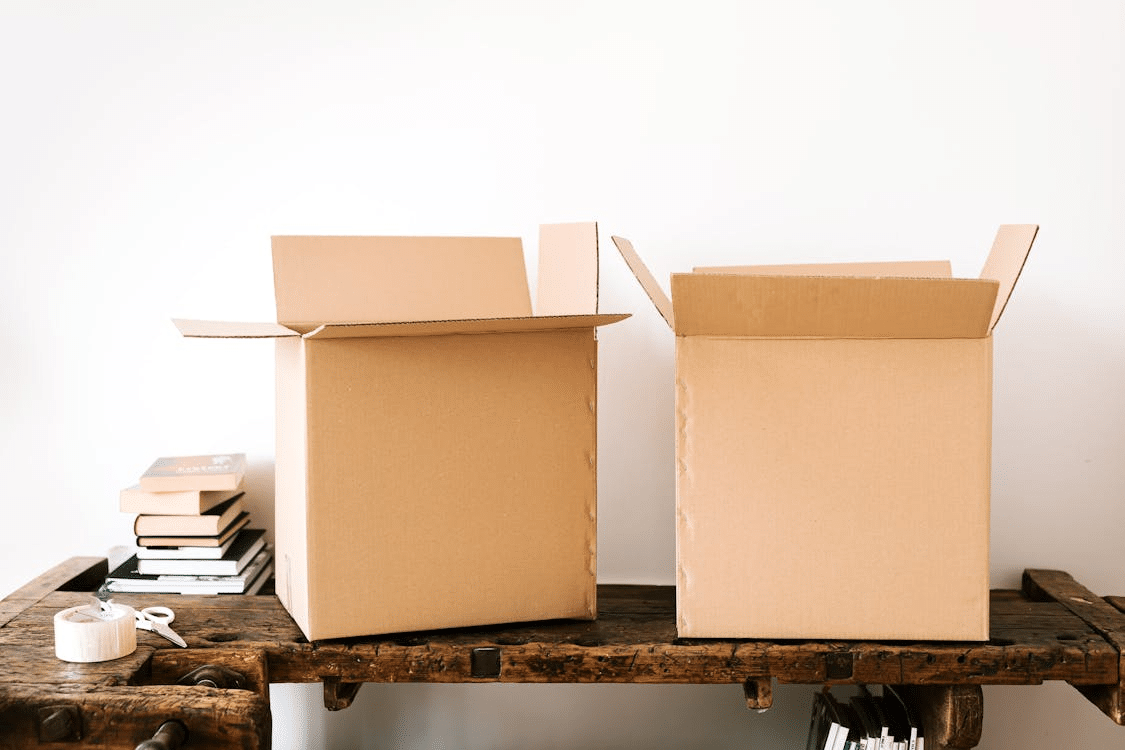
One of the most common mistakes homeowners make when relocating is assuming the move will be simple. At first glance, it seems manageable; you know your belongings, you have a few free days, and friends or family may offer help. But once moving day approaches, the reality sets in. Furniture is heavier than expected, packing takes longer, and coordinating everything becomes overwhelming.
In a city like Dallas, where traffic patterns, building access, and weather conditions can all affect timing, underestimating the scope of a move can lead to rushed decisions and unnecessary stress. This is often when homeowners realize that handling everything alone may not be the best approach. Many choose to work with professional movers in Dallas because experienced teams know how to plan, pack, and transport belongings efficiently while protecting floors, walls, and furniture along the way. Having skilled help allows you to stay focused on the transition itself instead of struggling with logistics.
Once you recognize that moving is more complex than it appears, it becomes easier to avoid other common mistakes that stem from poor planning.
Waiting Too Long to Plan and Pack
Procrastination is another issue that causes unnecessary problems during a move. It’s easy to push packing aside when daily life gets busy, but waiting too long creates pressure as moving day approaches. Rushed packing often leads to damaged items, misplaced essentials, and last-minute scrambling.
Starting early gives you time to pack carefully, label boxes clearly, and set aside items you’ll need right away. It also allows you to pace yourself instead of exhausting your energy all at once. When planning begins weeks in advance, the entire relocation feels more manageable and less chaotic.
Failing to Declutter Before Moving
Many homeowners move items they no longer need simply because it feels easier than sorting through them. However, packing and transporting unnecessary belongings adds time, effort, and cost to your move. It also makes unpacking more overwhelming once you arrive.
Decluttering before you pack helps you start fresh in your new home. Letting go of unused items reduces the number of boxes you need to move and makes it easier to organize your space later. This step not only simplifies the move itself but also makes settling in more enjoyable.
Not Protecting the Home During the Move
Damage to walls, floors, and door frames is a common relocation mistake. When homeowners focus only on protecting furniture, they often forget about the home itself. Tight hallways, staircases, and narrow doorways can easily suffer scuffs and dents during a move.
Taking steps to protect floors and corners before moving heavy items can prevent costly repairs. Using protective coverings and moving carefully through high-traffic areas helps keep both your old and new homes in good condition. Prevention is always easier than fixing damage after the fact.
Trying to Handle Everything Alone
It’s tempting to take on every part of a move yourself, especially if you want to save money or feel in control. But doing everything alone often leads to burnout, injuries, and unnecessary stress. Lifting heavy furniture, managing logistics, and keeping track of timelines is physically and mentally demanding.
Accepting help doesn’t mean giving up control. It means making smart choices. Whether it’s delegating tasks or bringing in experienced support, sharing the workload helps ensure the move stays on track. When you’re not exhausted, you can make better decisions and handle unexpected challenges more calmly.
Forgetting to Prepare the New Home in Advance
Another common mistake is waiting until after the move to prepare the new space. Cleaning, minor repairs, and utility setup are often overlooked until boxes are already piled inside. This makes unpacking more stressful and delays the feeling of being settled.
Preparing the new home before moving day creates a smoother transition. Making sure utilities are active, surfaces are clean, and basic needs are met allows you to focus on organizing rather than troubleshooting. A little preparation goes a long way in creating a welcoming start.
Poor Communication and Lack of Coordination
Moving involves multiple people, tasks, and timelines. When communication breaks down, confusion follows. Misunderstandings about arrival times, responsibilities, or access points can cause delays and frustration.
Clear communication helps everyone stay aligned. Whether you’re coordinating with helpers or managing your own schedule, having a plan reduces uncertainty. When everyone knows what to expect, the move flows more smoothly and fewer mistakes occur.
Overlooking the Emotional Side of Relocation
Relocation isn’t just a physical process. It’s an emotional one as well. Leaving behind a familiar space can bring feelings of stress, nostalgia, or uncertainty. Many homeowners overlook this aspect and expect the transition to feel easy right away.
Giving yourself time to adjust is important. Feeling unsettled at first is normal, especially when routines change. Acknowledging the emotional side of moving helps you stay patient with yourself and others during the transition.
Relocating doesn’t have to be overwhelming, but common mistakes can make it harder than it needs to be. Underestimating the complexity of a move, waiting too long to plan, skipping decluttering, and trying to do everything alone often lead to unnecessary stress.
By planning, protecting your space, and recognizing when extra support is helpful, you can avoid many of these issues. Thoughtful preparation allows you to focus less on problems and more on settling into your new home with confidence.
A smooth move isn’t about perfection. It’s about awareness. When you understand what to avoid, you give yourself the best chance at a calm, organized, and successful relocation.