
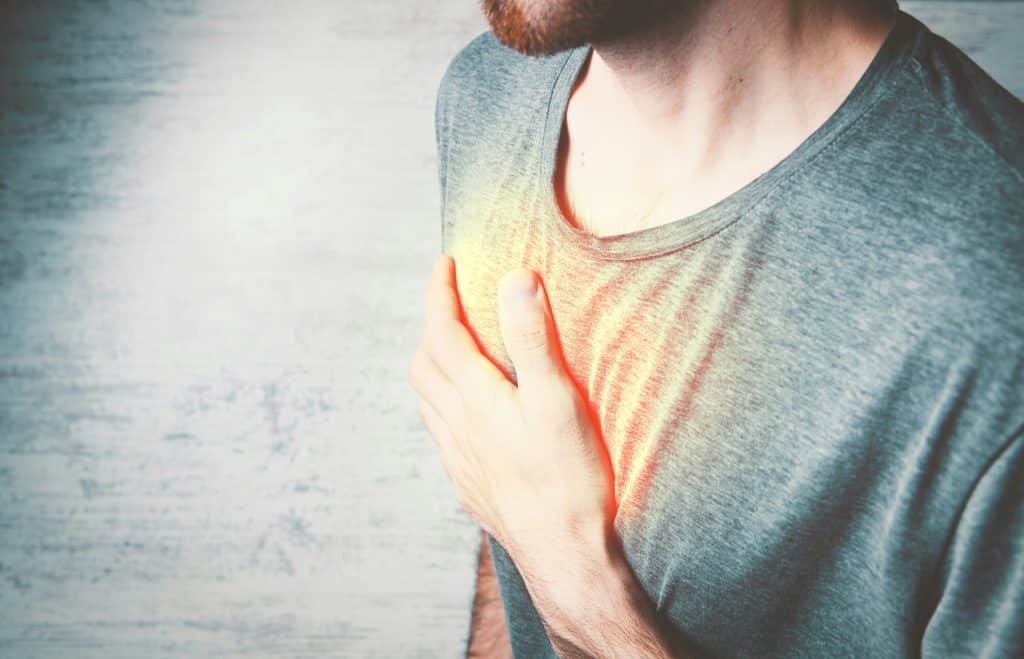
High cholesterol does not directly cause chest pain, but it can lead to a buildup of plaque in the arteries, narrowing them and reducing blood flow to the heart. When the heart doesn’t receive enough oxygen-rich blood, it can result in chest pain or discomfort, often signaling an underlying heart condition such as coronary artery disease. Understanding this connection is essential for preventing serious complications like heart attacks.
For worsening heart-related symptoms linked to high cholesterol, visiting the emergency room Lake Jackson, TX is recommended for prompt medical attention.
How High Cholesterol Leads to Chest Pain
High cholesterol can silently damage your arteries over time. Understanding how it contributes to chest pain can help you take steps to protect your heart.
1. Plaque Buildup in the Arteries
Excess LDL (“bad”) cholesterol attaches to the inner walls of your arteries, gradually forming fatty deposits called plaque. Over time, these plaques harden, narrowing the arteries and restricting blood flow to the heart. This buildup is a major factor in developing heart-related chest pain.
2. Reduced Oxygen Supply to the Heart
Narrowed arteries limit the flow of oxygen-rich blood to the heart muscle, especially during physical activity or stress when the heart needs more oxygen. When the heart does not receive enough blood, it can cause discomfort or a feeling of pressure in the chest. If these symptoms occur, it’s crucial to seek care at an emergency room near me immediately, as reduced oxygen supply is often the reason angina occurs in people with high cholesterol.
3. Chest Pain or Angina
Angina refers to chest pressure, tightness, or pain caused by reduced blood flow to the heart. It often signals underlying coronary artery disease and serves as a warning of potential heart complications. People with high cholesterol may experience angina during exertion or emotional stress.
4. Increased Risk of Heart Attack
Plaque in the arteries can rupture unexpectedly, leading to a complete blockage of blood flow to the heart. This sudden blockage causes severe chest pain and can trigger a heart attack. High cholesterol increases the likelihood of such events by contributing to plaque buildup over time.
Impacts High Cholesterol on Heart Health
Cholesterol is a waxy, fat-like substance found in the blood. While the body needs some cholesterol to function properly, excess LDL (bad cholesterol) can accumulate along artery walls. Over time, this buildup hardens and narrows the arteries, a condition known as atherosclerosis.
When arteries become restricted, the heart must work harder to pump blood, increasing the risk of chest pain, shortness of breath, and other cardiovascular symptoms.
Common Symptoms to Watch For
High cholesterol usually does not cause symptoms on its own, but it can contribute to heart-related issues that present noticeable warning signs. Recognizing these symptoms early can help prevent serious complications.
- Chest pain or pressure (angina)
- Shortness of breath
- Fatigue
- Pain in the arms, neck, jaw, or back
- Dizziness or nausea
Prevention and Heart Health Tips
Managing cholesterol levels is key to reducing the risk of chest pain and heart disease. Effective prevention strategies include:
- Eating a heart-healthy diet rich in fruits, vegetables, whole grains, and lean proteins
- Limiting saturated fats, trans fats, and processed foods
- Exercising regularly, at least 150 minutes per week
- Maintaining a healthy weight
- Avoiding smoking and limiting alcohol intake
- Getting regular cholesterol and heart health checkups
When to Seek Medical Help
If you experience chest pain, pressure, or tightness that is severe, persistent, or comes with other symptoms like shortness of breath, sweating, or dizziness, it’s important to seek medical attention immediately. Early evaluation can help prevent serious heart complications and ensure timely treatment.
Key Takeaways
- High cholesterol itself usually does not cause chest pain, but it can lead to plaque buildup in the arteries, reducing blood flow to the heart.
- Reduced blood flow can result in chest pain or angina, often signaling underlying heart disease.
- Risk factors for high cholesterol include poor diet, sedentary lifestyle, obesity, smoking, genetics, and certain medical conditions.
- Early detection through regular checkups and managing cholesterol with lifestyle changes can prevent serious complications like heart attacks.
- Seek prompt medical attention if you experience severe or persistent chest discomfort, as early intervention can save lives.