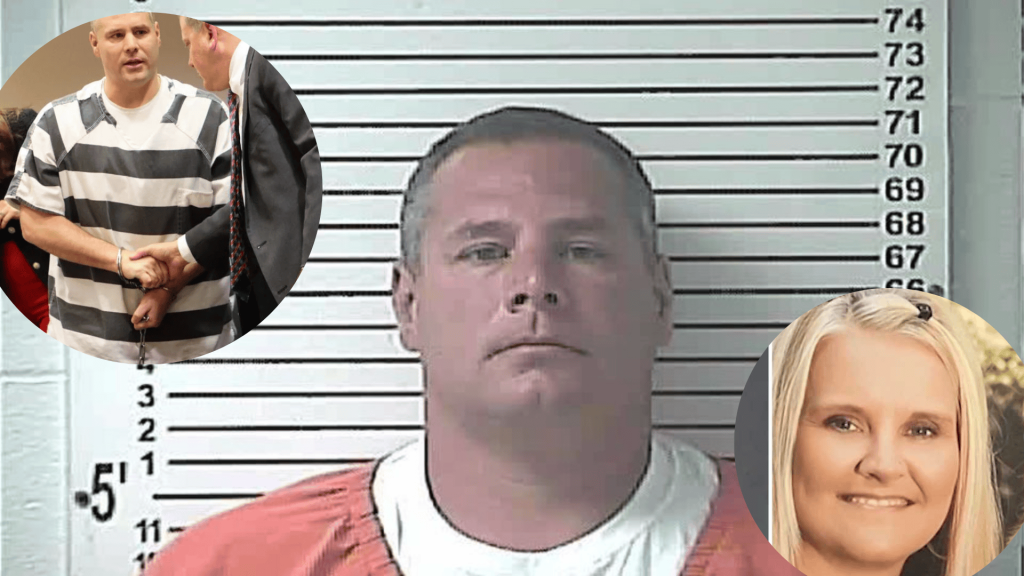
Brooks Houck is a Kentucky businessman who became the main suspect when his girlfriend vanished in 2015. Crystal Rogers disappeared without a trace, and her body has never been found.
The case turned into one of Kentucky’s most followed investigations. It took nearly a decade for the Brooks Houck trial to finally happen.
Prosecutors used digital evidence and witness testimony to build their case. People across the country searched for updates on Brooks Houck as the trial unfolded.
The verdict brought some answers to a family that had waited years for justice.
Brooks Houck on Trial: What He Was Accused Of?
The Brooks Houck trial put a decade-long mystery under the courtroom spotlight. Prosecutors accused Houck of murdering his girlfriend, Crystal Rogers, in July 2015.
They also charged Joseph Lawson with helping him hide the evidence. The case drew intense attention because Rogers’ body was never found.
Both men faced serious charges that could put them behind bars for life. The trial became a turning point for a community that had waited years for answers.
Brooks Houck: Recent Developments After Trial
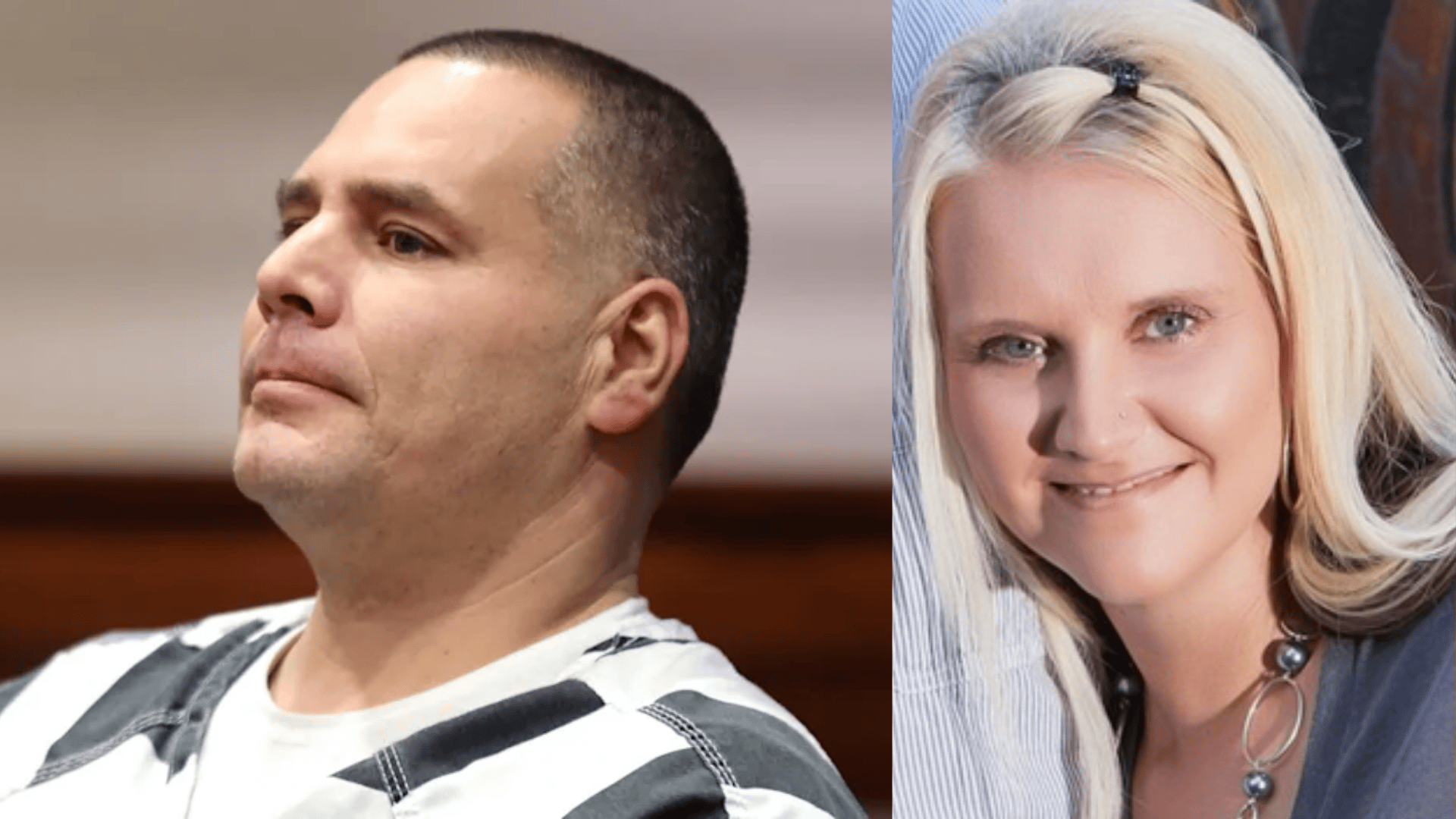
The trial’s conclusion marked the beginning of new legal battles. Both Houck and Lawson received their sentences, but the case is far from over. Appeals are now in motion, and civil lawsuits continue to move forward.
Recent Post-Trial Developments
Sentencing Completed:
Brooks Houck received life in prison plus five additional years for tampering with evidence. Joseph Lawson received a total of 25 years for conspiracy and evidence tampering. The judge handed down these sentences after hearing emotional victim impact statements from Rogers’ family.
Asset Freeze Ordered:
A judge blocked Houck from selling or transferring any of his assets. This order stays in place during the wrongful-death lawsuit filed by Crystal Rogers’ family. The freeze protects potential compensation if the family wins their civil case.
Appeals Filed:
Both defendants filed appeals challenging the trial court’s rulings. They questioned how certain evidence was allowed in court. They also raised concerns about procedural decisions made during the proceedings. These appeals could take months or even years to resolve.
What Happens Next?
The appeals courts will review motions and hold hearings to examine the trial record. Civil litigation moves forward on a separate track from the criminal appeals.
If investigators find new leads or information, they may share updates with the public. Rogers’ family continues to push for more answers about what happened to her.
Background of the Crystal Rogers Case
Crystal Rogers vanished without a trace on July 3, 2015. The 35-year-old mother of five was last seen at the home she shared with her boyfriend, Brooks Houck.
Her red Chevrolet Impala was found abandoned the next day along the Bluegrass Parkway. Her purse, keys, and phone were inside the car. But Rogers was nowhere to be found.
Early Investigation
- Rogers was last seen with Brooks Houck. He was the last person known to have contact with her before she disappeared.
- Multiple searches targeted the Houck family farm and surrounding areas. State police and volunteers combed fields, barns, and properties associated with the Houck family.
- Community efforts kept the case in the public eye. Bardstown residents organized vigils and search parties. They shared information on social media. They printed flyers and put up billboards. The community refused to let Crystal be forgotten.
- The FBI took over in 2020. Federal agents brought in advanced equipment and forensic technology. They conducted extensive searches at multiple locations. Their involvement signaled a fresh push to solve the case.
How Joseph Lawson Became Connected
Lawson’s name surfaced years after Rogers disappeared. Digital evidence showed his phone was active near key locations on the night she vanished.
Witness statements placed him with Houck during critical hours. Text messages and call records suggested he was aware of efforts to hide evidence. These findings led prosecutors to charge him with conspiracy and evidence tampering.
Key Evidence That Led to Brooks Houck’s Conviction
Prosecutors spent years building a case without the most critical piece of evidence: Crystal Rogers’ body. They relied on digital forensics, surveillance footage, and witness accounts to prove what happened. The trial revealed how modern technology can solve crimes even when physical evidence is missing.
Key Evidence Presented
Cell Phone Data:
Houck’s phone showed strange gaps and shutdown periods on the night Rogers disappeared. Rogers’ phone went silent at key moments and never turned back on.
Investigators used cell-tower data to build a timeline of events. The data showed both phones were in the same location before Rogers’ phone stopped transmitting.
Surveillance Footage:
Cameras captured vehicles leaving and returning to the Houck property at unusual hours. The footage showed activity during the time Rogers went missing.
Prosecutors used this video to cross-check digital records and witness statements. The timing matched other evidence in the case.
Voice Recordings:
Recorded conversations between Houck and his mother became crucial evidence. They discussed moving or hiding items that investigators believed were connected to the case.
The tone and content of these recordings suggested knowledge of wrongdoing. Prosecutors argued these conversations showed consciousness of guilt.
Forensic & Digital Analysis:
Experts analyzed soil samples from multiple locations. GPS routes from vehicles were reconstructed.
Metadata from phones and computers was examined in detail. Each piece added to the overall picture of what happened that night.
Witness Testimony:
Friends described Rogers’ final day and her plans. Investigators outlined inconsistencies in Houck’s various statements over the years. Testimony connected Lawson to key locations at critical times.
Witnesses painted a picture of suspicious behavior and attempts to cover up evidence.
Defense Strategy & Why the Jury Convicted
Defense attorneys argued the case was built on speculation, not facts. They emphasized that no body or murder weapon was ever found.
They challenged how prosecutors interpreted cell phone and surveillance data. The defense claimed the evidence was circumstantial and didn’t prove guilt beyond a reasonable doubt.
But jurors saw it differently. They found a clear pattern in the digital timeline, witness accounts, and recorded conversations.
Houck’s inconsistent statements and suspicious behavior convinced them of his guilt. Even without a body, the jury found the combined evidence sufficient to convict.
Sentencing Outcomes for Houck and Lawson
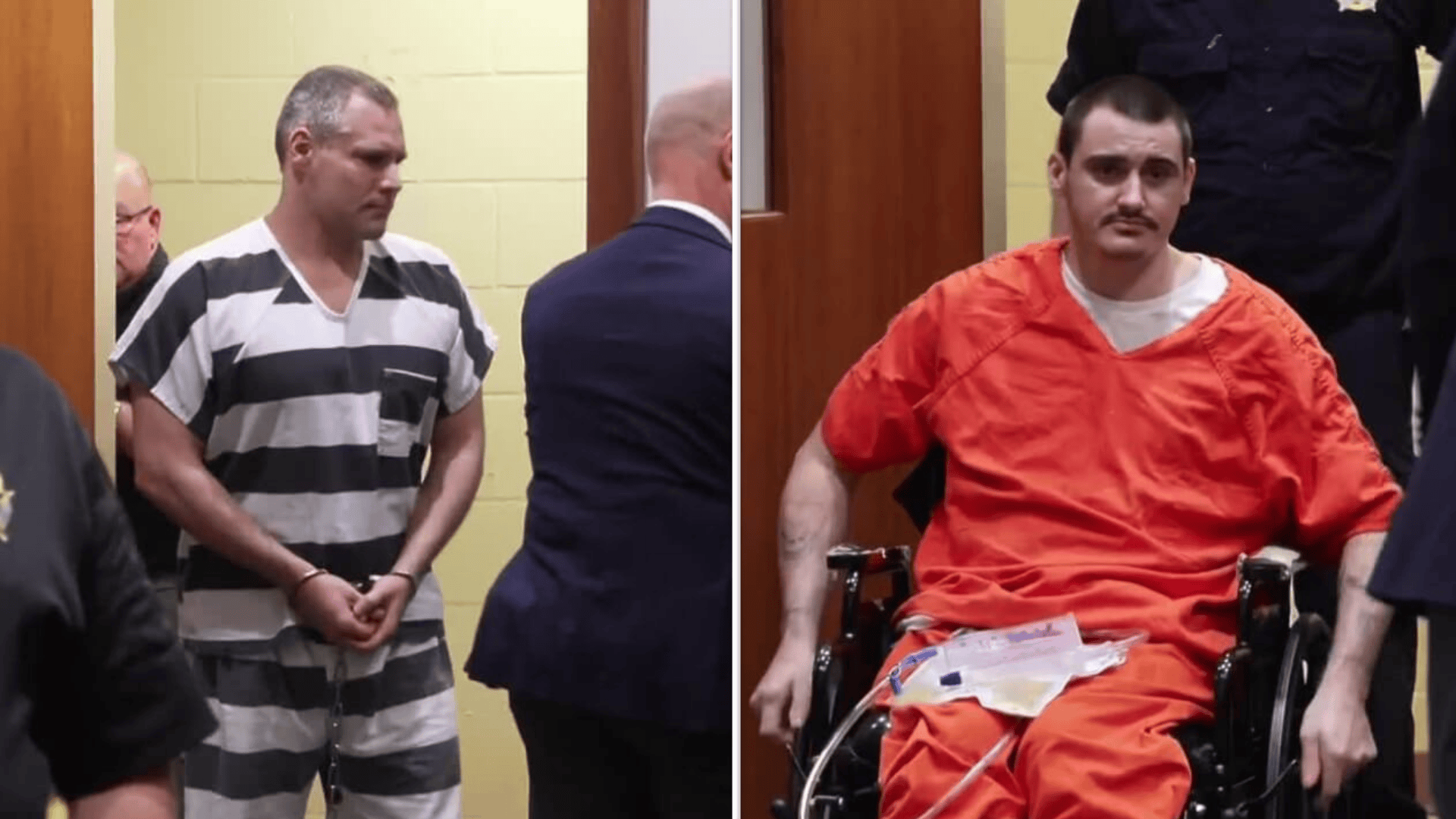
The courtroom fell silent as the judge handed down sentences that would lock both men away for decades. The verdicts brought some closure to a family that had waited nearly ten years for justice.
Sentencing:
| Defendant | Charges | Sentence |
|---|---|---|
| Brooks Houck | Murder + evidence tampering | Life in prison + 5 years |
| Joseph Lawson | Conspiracy + evidence tampering | 25 years total |
Victim Impact Statements & Legal Steps That Follow Sentencing
Crystal Rogers’ family spoke directly to the court about their pain and loss. They described losing a daughter, sister, and mother. They talked about children growing up without their mom.
The judge acknowledged the community’s long wait for answers and the seriousness of the decade-long investigation. Both defendants have now filed formal appeals challenging their convictions.
Appellate court hearings will be scheduled in the coming months. Meanwhile, the wrongful-death lawsuit filed by Rogers’ family continues separately.
These civil proceedings could result in financial damages beyond the criminal sentences.
How the Media Covered the Brooks Houck Trial
The Brooks Houck trial captured national attention and became one of the most-watched cases in recent Kentucky history. News crews, true-crime fans, and legal experts followed every moment from jury selection to sentencing.
How News Outlets Covered the Case
- Local Kentucky news streams the trial live. WDRB and other regional stations provided gavel-to-gavel coverage so the community could watch in real time.
- National outlets highlighted the unusual “no-body” conviction. Major networks featured the case because convictions without a body are rare and legally complex.
- True-crime platforms produced multi-episode coverage. Podcasts and YouTube channels created detailed series examining the evidence and timeline of Rogers’ disappearance.
- Social media amplified key courtroom moments. Users shared clips, reactions, and expert commentary across Twitter, Facebook, and TikTok. The case trended multiple times during the trial.
Final Thoughts
The Brooks Houck trial marked a major turning point in the Crystal Rogers case.
After nearly ten years of investigation, Houck received a life sentence for murder. Joseph Lawson got 25 years for his role in covering up the crime.
The verdict brought some relief to Rogers’ family and the Bardstown community. Yet the search for Crystal’s remains continues.
Appeals are now moving through the courts, and civil lawsuits remain active. This case shows how digital evidence can solve crimes even in the absence of a body.
What are your thoughts on this case? Share your comments below and let us know if you’ve been following the Brooks Houck updates.