A love of training can turn into a real career, and the job is more than counting reps. Personal training mixes coaching, planning, and people skills, with a steady focus on safety.
Start With The Real Job, Not The Vibe
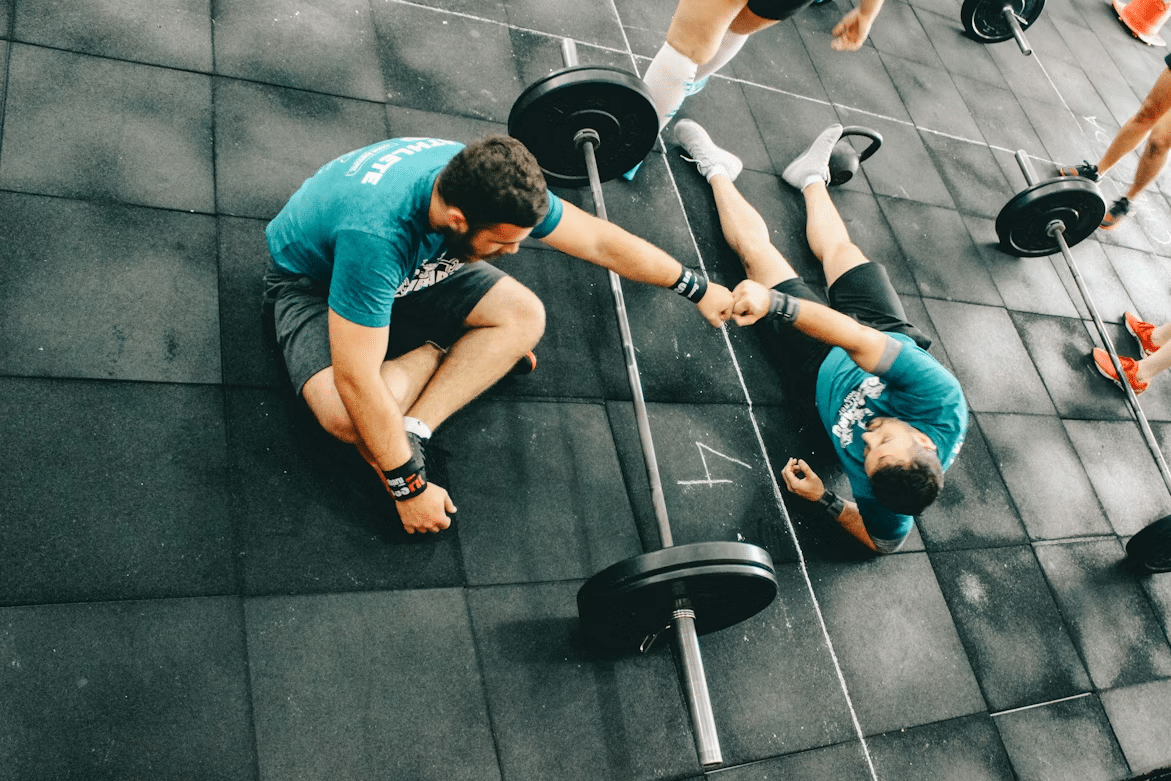
Personal trainers lead workouts, teach technique, and adjust plans when life happens. You spend a lot of time listening: goals, injuries, schedules, motivation, and confidence all shape the plan.
Many new trainers are surprised by how much of the job is communication, not just exercise selection.
Pay varies by location, setting, and client type, so it helps to look at a big-picture benchmark. The U.S. Bureau of Labor Statistics lists a 2024 median pay of $46,180 for fitness trainers and instructors. Use that number as a reality check when you compare gyms, studios, and independent work.
The work week can look uneven. Plan for early mornings and late evenings.
Build A Strong Knowledge Base
Great sessions start long before a client touches a dumbbell. You can map your study with courses, books, and services like the Brookbush Institute that help organize key topics. Pair that knowledge with simple tracking and clear coaching cues.
Train your own eye, too. Practice spotting common form errors, then learn a few cues that fix them fast. When you can explain the same idea in 3 ways, more clients will click with it.
Keep a short library of go-to moves for each pattern: squat, hinge, push, pull, carry, and core work. Write down 2 regressions and 2 progressions for each one. That tiny reference makes it easier to coach calmly when a client shows up tired or sore.
Choose A Certification Path That Fits Your Goals
A certification is often your entry ticket, and it signals that you take the work seriously. Look for clear standards, strong exam prep, and content that matches how you want to coach day to day. Think about your setting first: big gym, small studio, sports, or online coaching.
Many programs ask for basic prerequisites before you test. One guide on NASM certification notes that applicants typically need a diploma plus CPR/AED certification. Planning for those requirements early keeps your timeline smooth.
Study style matters as much as the syllabus. Pick materials that match how you learn, then block time on your calendar like a real appointment. After you pass, choose 1 specialty to start, then build your early programs around that focus.
Get Your First Clients Without Burning Out
Your first clients often come from proximity: the gym floor, a class you assist, friends, or referrals from staff. Treat each early client like a case study and keep notes on what worked, what failed, and what felt unclear. The goal is repeatable systems, not heroic effort.
End each session with 1 clear next step. A simple plan keeps momentum when motivation dips. A simple intake process saves time and builds trust. Here is a practical checklist to use for new clients:
- Goals and timeline in plain language
- Health history and current pain points
- Movement screen or basic baseline tests
- Schedule, budget, and session frequency
- First 2 weeks plan with clear homework
Set boundaries early. Keep sessions tight, schedule admin time, and protect 1 full rest day each week when possible. Burnout sneaks in when every free hour turns into unpaid prep.
Run The Numbers Like A Small Business
If you work for a gym, you are managing a mini business: time, energy, and results. Track how many sessions you can deliver each week without your quality dropping. Then build pricing and packages around that capacity.
Costs add up fast: insurance, continuing education, equipment, software, and taxes. Make a simple monthly budget and check it weekly, when it feels boring. A calm money plan gives you room to coach better.
Retention drives income. Improve 1 thing that helps clients show up, like clearer homework or a better weekly check-in. Small upgrades can raise results without adding extra hours.
Stay Current And Keep People Safe
Safety is not just about form. It is screening, smart progressions, and knowing when to refer out. Keep your CPR current and log what you change in each program so you can trace what caused pain or success.
Demand for coaching is real, and clients are using trainers in measurable numbers. The Health & Fitness Association reported that nearly 23% of fitness facility members used a personal trainer in 2024.
That points to steady interest, plus a chance for trainers who communicate well and deliver consistent results.
Protect your reputation by staying inside your scope. Talk about nutrition in habit terms, then refer clients to qualified pros for medical issues and detailed meal plans. When progress feels realistic and safe, clients stay longer and talk about you without being asked.
Personal training works best as a craft: learn, practice, reflect, repeat. Build strong habits for your clients, then build strong habits for yourself. When passion meets structure, the work can grow into a career that lasts.