
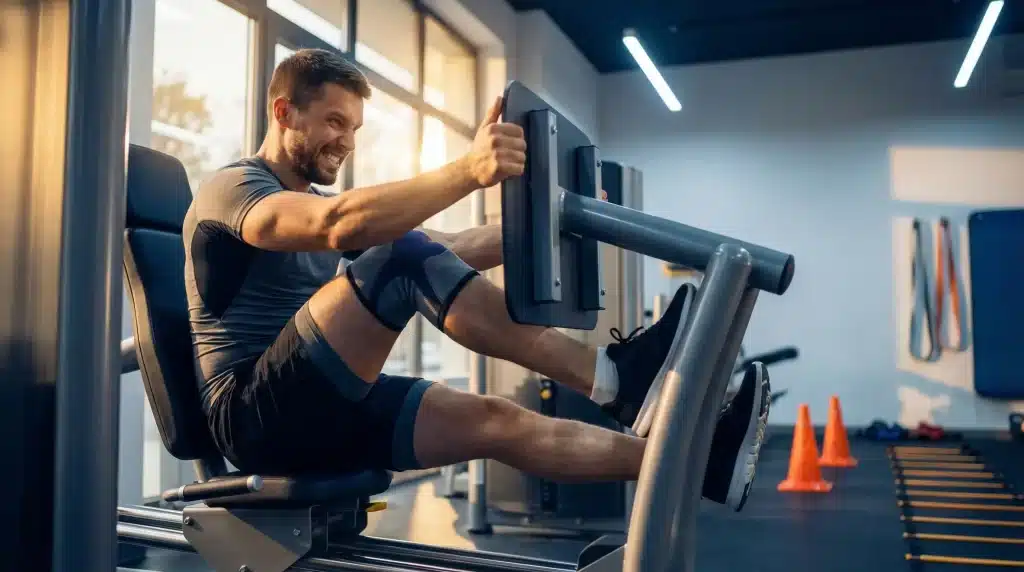
The hardest part of any injury is not the pain. It is the waiting. You feel better, so you want to play. Your teammates need you. Your coach is asking when you will be back. But feeling better and being ready are not the same thing. A return to sport plan built on real benchmarks, not just desire, is the difference between coming back strong and ending up hurt again. Rushing it is the most common mistake athletes make.
Understanding the Sports Rehab Phases
Recovery is not one long stretch of doing the same exercises. It moves through clear sports rehab phases, and each one has a purpose. Skipping a phase to save time almost always costs more time later.
Phase One: Control Pain and Restore Range
The first phase is about calming things down. Swelling drops. Pain fades. You start regaining basic range of motion in the injured area. This phase feels slow because the work is small and the progress is hard to see. But the tissue is healing underneath, and pushing too hard here sets back the entire rehab timeline. Patience in this phase pays off in every phase that follows.
Phase Two: Rebuild Strength and Stability
Once range of motion returns, the focus shifts to loading the tissue. Light resistance at first, then gradually more. The goal is to build strength symmetry between the injured side and the healthy side. An athlete who returns with one leg significantly weaker than the other is asking for trouble. This phase takes the longest, and cutting it short is where most reinjuries begin.
Why Strength Symmetry Matters More Than You Think
Your body compensates. If one side is weak, the other side picks up extra work. That imbalance changes how you run, cut, land, and jump. Over weeks of playing on an imbalance, the healthy side wears down too.
Testing the Gap Between Sides
A good rehab program measures the difference between your injured side and your healthy side using objective tests. Single-leg press, hop tests, and force plate readings all give real numbers. Most return to sport guidelines want you within 10 percent of your uninjured side before you go back to full activity. Guessing is not enough. Numbers keep you honest.
Mobility Tests and Progressive Loading Build Real Readiness
Strength alone does not clear you for sport. You need to move well under speed and load. That is where mobility tests and progressive loading come in.
Mobility Under Fatigue
It is easy to move well when you are fresh. The real question is how you move when you are tired. A good return to sport plan tests your movement quality after effort, not just at the start of a session. If your knee caves in on a landing after 20 minutes of drills, you are not ready for 60 minutes of game play.
Building Load Over Time
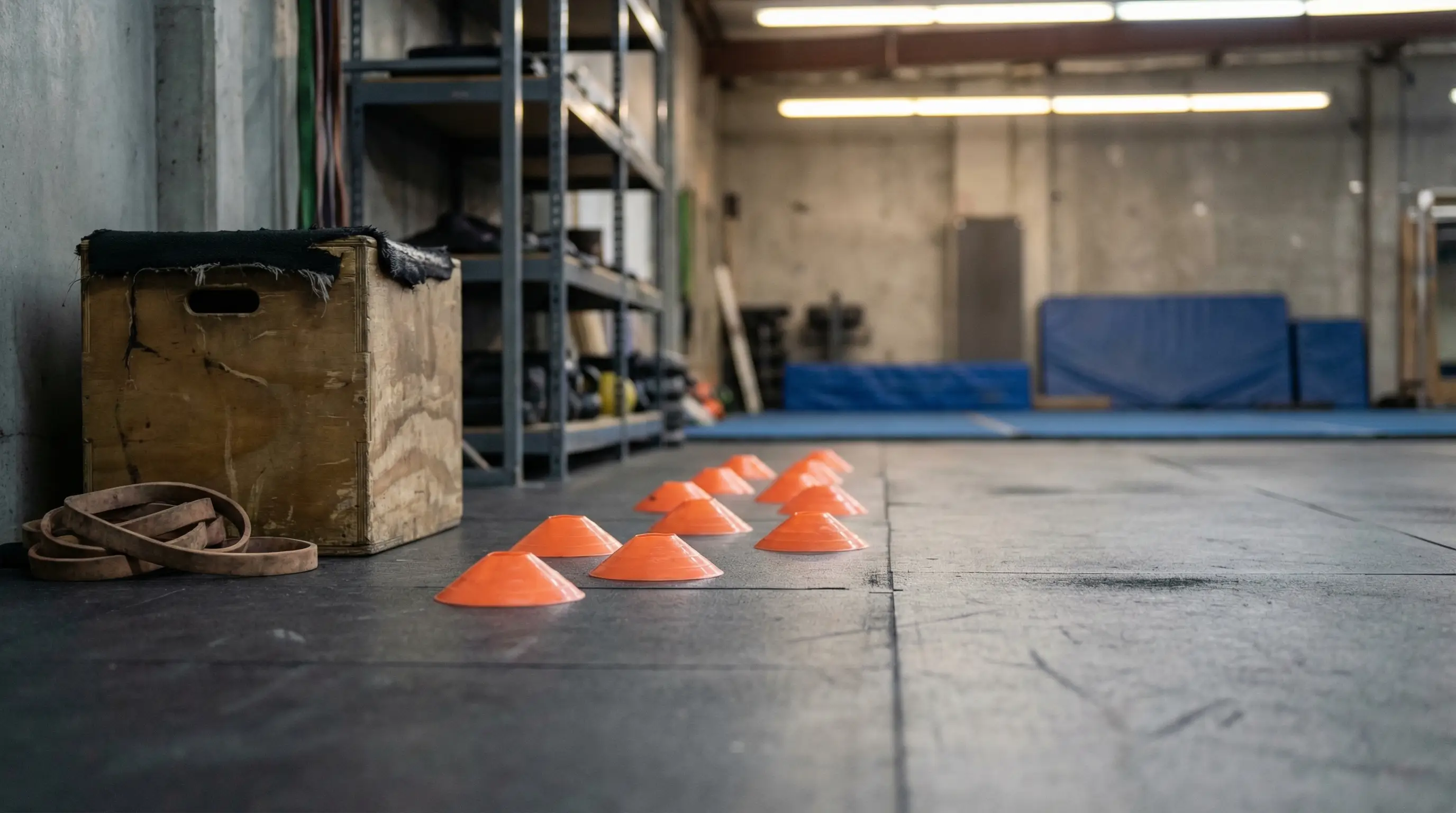
Progressive loading means adding stress to the body in a controlled way. You do not go from leg press to full sprints in a week. You build through jogging, then tempo runs, then change of direction, then sport-specific drills at full speed. Each step earns the next. Athletes working through this process with a sports injury physical therapy provider tend to progress faster because the loading is precise and adjusted in real time.
The Athlete Mindset Can Help or Hurt Recovery
The same drive that makes a good athlete can work against them in rehab. Pushing through pain is rewarded in sport. In recovery, it causes setbacks.
Fear of Reinjury Is Normal
Coming back after a serious injury changes how your brain sees risk. A torn ACL, a broken bone, or a bad ankle sprain leaves a mark beyond the physical. Some athletes hesitate on cuts they used to make without thinking. Others avoid contact or pull back at full speed. This is not weakness. It is a protective response, and it needs to be addressed just like any other part of rehab.
Trusting the Process Takes Practice
Confidence returns through repeated exposure, not through a pep talk. The more an athlete successfully completes demanding drills without pain or failure, the more the brain lets go of the fear. Structured progression builds that trust one rep at a time. Skipping steps to prove toughness usually backfires.
Preventing Injury Recurrence After You Return
Getting back on the field is not the finish line. The first few months after return carry the highest risk of injury recurrence. Your body is adapted to rehab, not to the chaos of live play.
Keep up your strength work after you return. Most athletes drop their exercises the moment they are cleared. That is a mistake. The maintenance work that got you back is the same work that keeps you there. Monitor how you feel after games and practices. Track soreness, stiffness, and any changes in how you move. Small warning signs caught early stay small. Ignored, they become the next injury. A smart return to sport plan does not end when you step back on the field. It ends when staying healthy becomes the routine, not the exception.