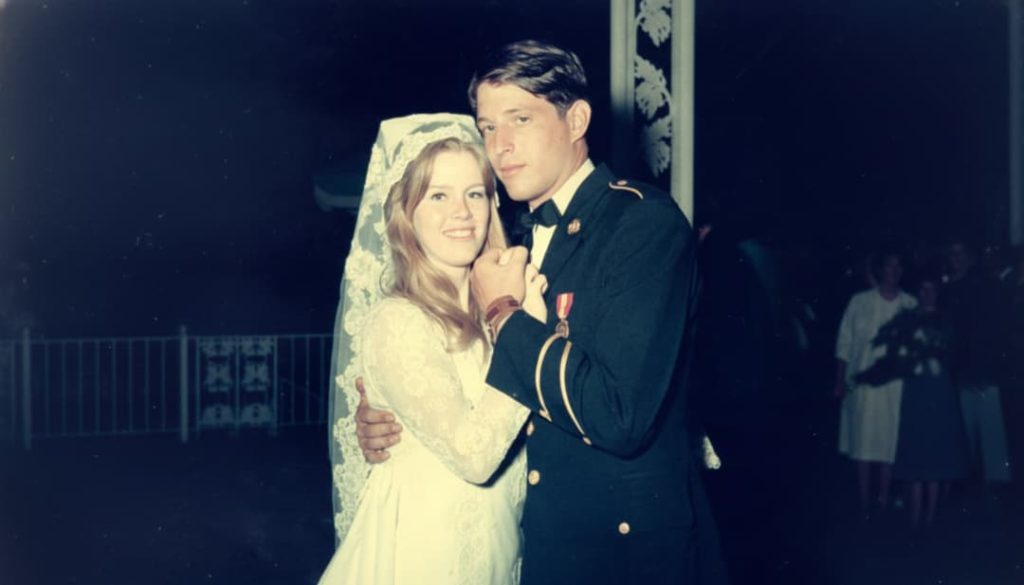
April 3, 1989, started as a regular family outing for the Gores. Senator Al Gore, his wife Tipper, and their four children attended the Baltimore Orioles’ opening day game at Memorial Stadium.
It was supposed to be a fun afternoon of baseball and family time. Instead, it became the day that nearly took their son’s life.
What happened outside that stadium changed the Gore family forever and shifted Al Gore’s entire perspective on what truly matters.
What Happened on April 3, 1989?
The Gore family was leaving Memorial Stadium after watching the Orioles’ season opener. Al and Tipper walked with their three daughters, Karenna (15), Kristin (11), and Sarah (10), and their youngest child, 6-year-old Albert Gore III.
As they crossed the street outside the stadium, young Albert spotted a friend on the other side. He broke away from his parents and ran across the busy road.
A car struck him before anyone could react.
The impact threw Albert 30 feet through the air. His small body then scraped along the pavement for another 20 feet. Al Gore ran to his son’s side immediately.
Years later, he recalled the horrifying moment: “I ran to his side and held him and called his name, but he was motionless, limp and still, without breath or pulse.”
Gore continued, “His eyes were open with the nothingness stare of death, and we prayed, the two of us, there in the gutter, with only my voice.”
Two nurses who happened to be at the scene provided immediate care. The driver was not speeding, and police filed no charges. But none of that mattered to the parents watching their child fight for his life.
Albert Gore III’s Injuries and Hospital Stay
The injuries Albert suffered were severe and life-threatening. Doctors at Johns Hopkins Children’s Center worked quickly to stabilize him.
The full list of injuries included:
- Broken left thighbone
- Broken collarbone
- Broken ribs
- Ruptured spleen
- Bruised lung
- Bruised kidney
- Bruised pancreas
- Severe concussion
Surgeons removed about 60% of Albert’s spleen shortly after the accident. They also had to insert a pin to stabilize his broken thighbone. The 6-year-old remained at Johns Hopkins for nearly a month, from April 3 to April 26, 1989.
When Albert finally went home, he wore a full body cast. He had to keep the cast on for three weeks. On April 26, doctors performed a final operation to remove the stabilizing pin from his leg.
But the ordeal wasn’t over yet.
The accident caused nerve damage in Albert’s right arm and shoulder. He had limited movement because of a stretch injury to his brachial plexus, a complex network of nerves in the shoulder area.
In July 1989, Albert had to return to the hospital. This time, he went to Ochsner Foundation Hospital in New Orleans for more tests and possible nerve graft surgery. Doctors grafted a sensory nerve from his leg into his arm to restore function.
Physical therapy continued for months to help Albert regain full movement in his right arm.
How Tipper and Al Gore Responded to the Crisis
Al and Tipper Gore never left their son’s side during those first 30 days. They stayed at the hospital around the clock, sleeping in chairs and taking turns watching over Albert.
“Our lives were consumed with the struggle to restore his body and spirit,” Al Gore later said.
The accident tested the family in ways they never imagined. But it also brought them closer together. “It’s drawn us closer as a family,” Tipper Gore shared with reporters during Albert’s recovery.
She showed remarkable strength throughout the crisis, supporting both her injured son and her three daughters, who were dealing with the trauma of seeing their brother so badly hurt.
Tipper Gore’s resilience during this difficult time was evident to everyone around them. She balanced caring for Albert with making sure Karenna, Kristin, and Sarah felt safe and supported.
The Gore family received thousands of messages from friends, colleagues, and strangers. “We are grateful to all those who have sent their good wishes and especially their prayers to Albert and to our family,” Al Gore said in a statement.
“At such a very difficult time, it’s made a big difference for us to know that there are so many friends thinking of us.”
Despite the positive thoughts, the reality was harsh. “Albert faces a long, tough road before he’s back to his old self, but he has a strong spirit, and we have faith in God’s healing grace,” Gore added.
The Long-Term Impact on the Gore Family
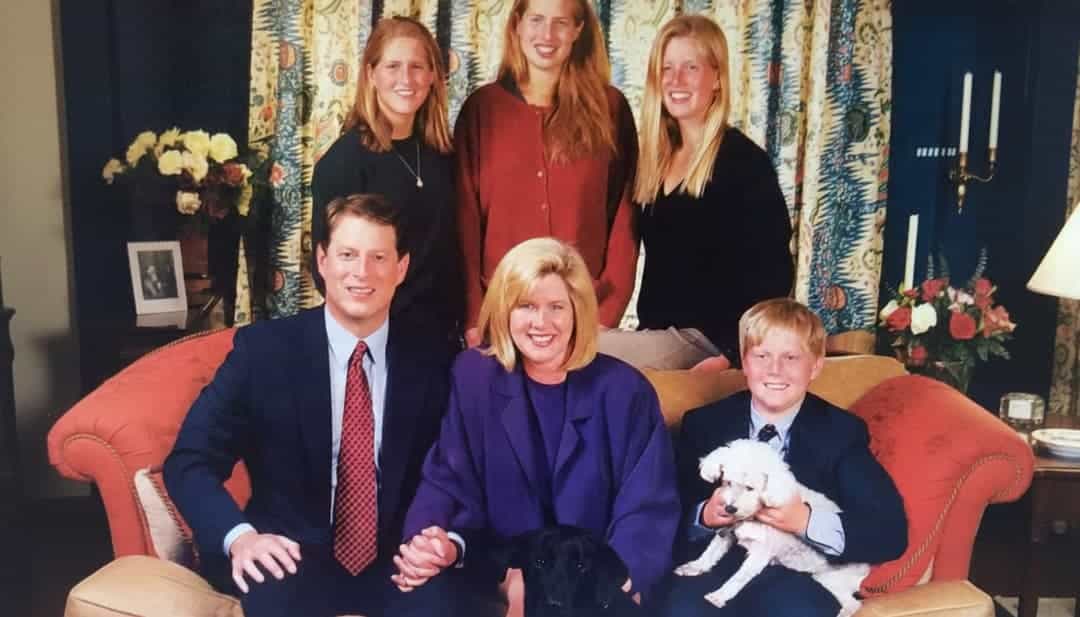
The accident fundamentally changed Al Gore’s priorities and worldview.
In August 1991, Gore announced he would not run for president in 1992. His son’s accident played a major role in that decision. “I would like to be President,” Gore stated. “But I am also a father, and I feel deeply about my responsibility to my children. I didn’t feel right about tearing myself away from my family to the extent that is necessary in a Presidential campaign.”
During those long days and nights at the hospital, Gore began writing his book “Earth in the Balance.” The book became a bestseller and was the first book by a sitting U.S. Senator to appear on The New York Times Best Seller list since John F. Kennedy’s “Profiles in Courage.”
Gore later described the accident as “a trauma so shattering that [he] views it as a moment of personal rebirth.” He called it “a key moment in his life” that “changed everything.”
“When you’ve seen your 6-year-old son fighting for his life, you realize that some things matter more than winning,” Gore reflected. “And you lose patience with the lazy assumption of so many in politics that we can always just muddle through.”
He added, “When you’ve seen your reflection in the empty stare of a boy waiting for a second breath of life, you realize that we weren’t put here on Earth to look out for our needs alone. We’re part of something much larger than ourselves.”
Albert eventually made a full recovery. The experience shaped not only Al Gore’s personal life but also the meaningful work he chose to pursue in the years that followed.
Conclusion
The Al Gore family tragedy of 1989 serves as a reminder of how quickly life can change. One moment of distraction outside a baseball stadium nearly cost the Gore family their youngest child.
The accident left Albert Gore III with serious injuries that required months of recovery and multiple surgeries.
But the family’s response to the crisis showed their strength and unity. Al and Tipper stayed by their son’s side, put their careers on hold, and focused on what truly mattered: their children’s well-being.
The experience reshaped Al Gore’s priorities and influenced his decision-making for years to come.
Today, Albert has fully recovered from his injuries. The Gore family’s story reminds us that some experiences test us in ways we never expect, but they can also help us see what’s truly important in life.
What do you think about how the Gore family handled this crisis? Share your thoughts in the comments below.