Homeowners who live near the San Francisco Bay suffer a secret chemical problem despite the beautiful scenery and gentle, moderate climate. Salt and moisture, often found in the very air that cools you on a hot summer day, ceaselessly accelerate electrical corrosion. While these environmental factors are a natural part of coastal life, they significantly shorten the electrical component lifespan of outdoor panels, light fixtures, and HVAC units. If you are noticing rust or flickering lights, you can see details here to understand how professional teams like Fuse Service help local residents fight back against the “salt fog” effect.
Fundamentals of Corrosion in Electrical Systems
Fundamentally, corrosion is an electrochemical process that restores metal to its oxidized, native form. Silver-plated connections and copper wire in a typical home are made to last for many years. However, electrons can transfer between different metal components when an electrolyte, such as water, is added. The metal eventually loses its ability to conduct electricity efficiently as a result of pitting and flaking. An electrical system’s resistance can be increased by even small levels of corrosion, raising the possibility of overheating and fire.
Characteristics of the Bay Area Microclimate
Because of the Bay Area’s well-known distinct microclimates, the weather in downtown San Jose and San Francisco’s Sunset District can vary significantly. The “marine layer,” a concentration of chilly, humid air that comes from the Pacific, controls the local climate. This air not only has lower temperatures but also an aerosolized blend of sea salt and humidity. Because the Bay is a semi-enclosed body of water, confined by the surrounding hills, this salty mist often lasts for miles inland, creating a high-salinity environment.
How Salt Air Acts as a Corrosion Catalyst
Salt air is significantly more destructive than pure moisture. NaCl ($NaCl$) is the main component of sea salt. Salt particles that land on copper wires or aluminum cooling fins absorb moisture from the atmosphere, even on days without rain.
Usually, metals like aluminum form protective oxide coatings that the salt’s chloride ions break down. In comparison to a dry, inland environment like the Central Valley, this enables the corrosion to enter deeper and more quickly. Homes within five miles of the Bay experience oxidation rates up to ten times higher than those further inland.
The Role of Fog in Delivering Moisture and Salt
Fog is essentially a low-lying cloud that acts as a delivery vehicle for contaminants. In contrast to rain, which has the ability to remove salt, fog is made up of microscopic droplets that remain in the atmosphere. These drops are sufficiently thin to float into an outdoor outlet box’s seams or the tiny vents of an electrical panel. A concentrated residue of salt and minerals is left on the delicate electronics when the fog evaporates during the day.
Synergistic Acceleration: Combined Effects of Fog and Salt
The true danger to home electrical issues lies in the cycle of wetting and drying. By “wetting” the salt deposits and starting the electrochemical reaction, the fog enters during the night. The water evaporates when the sun comes out, leaving behind a salt crust that draws in more liquid the next night. This synergistic effect means that the metal never truly has a chance to stay dry or clean, leading to a rapid decline in the electrical component lifespan of any exposed metal.
Specific Impacts on Electrical Components and Systems
Corrosion doesn’t just look ugly; it changes how electricity behaves.
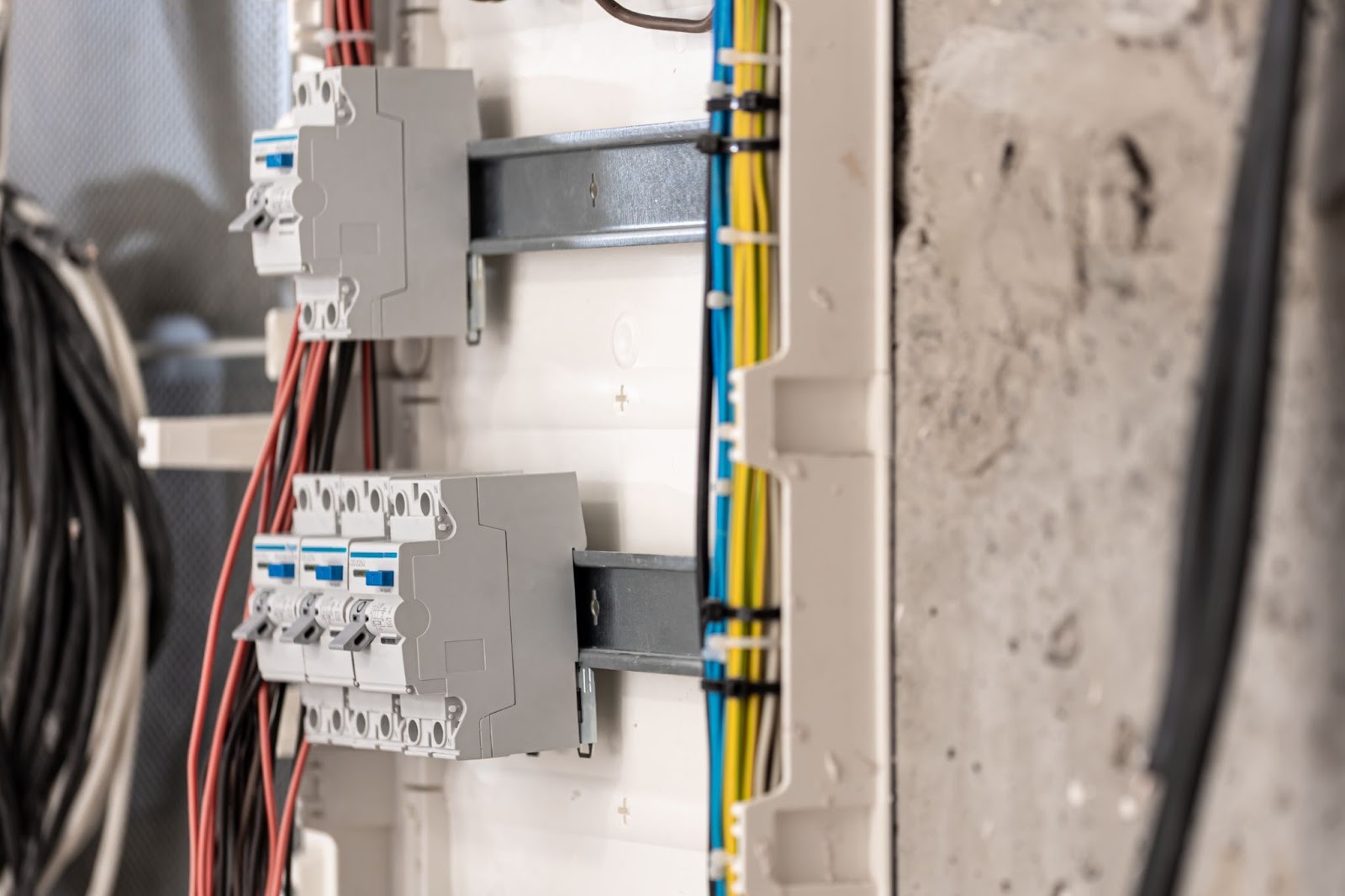
- Circuit Breakers: Salt can creep into the internal mechanisms, causing them to “stick.” A stuck breaker may fail to trip during an overload, creating a major safety risk.
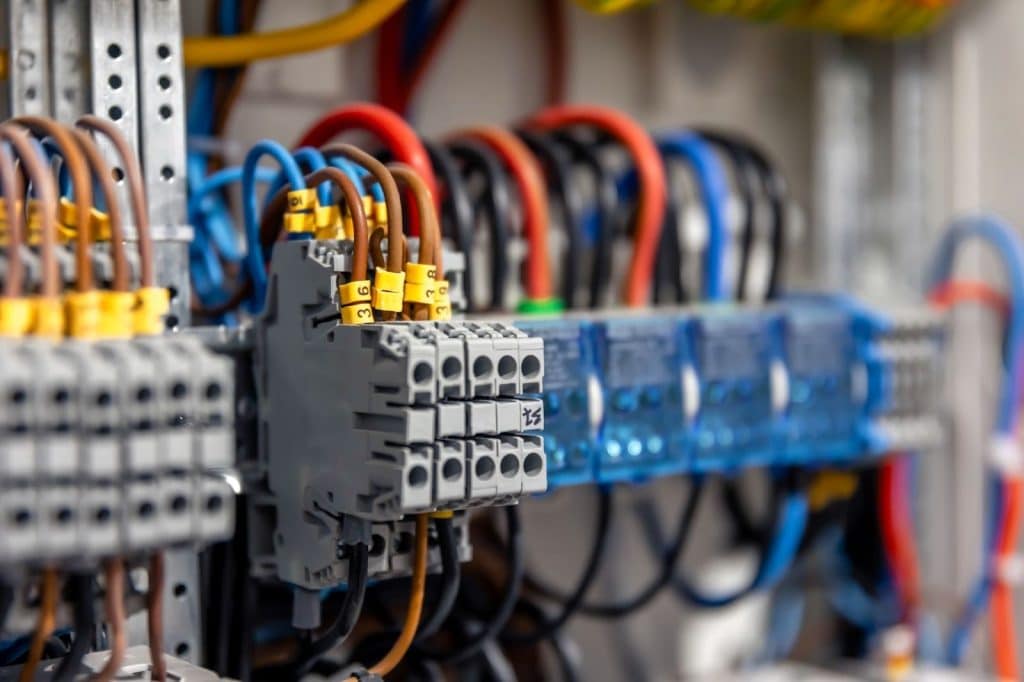
- Terminal Lugs: High-resistance points are produced when the connection between a wire and a lug corrodes. The temperatures in these areas can rise to the point that plastic insulation melts.
- HVAC Coils: The thin metal fins on your outside air conditioner often fail first, preventing the unit from efficiently transferring heat.
Prevention and Mitigation Strategies
It’s crucial to keep in mind that even if you can’t change the weather, you can still protect your home.
- Evaluation of Enclosures: For outdoor equipment, use enclosures that are designed specifically to resist electrical corrosion and salt spray.
- An dielectric Grease: Applying a non-conductive, moisture-repelling grease to terminal connections will keep salt air from ever getting into touch with the metal.
- Frequent Rinsing: Although it may seem counterintuitive, you may get rid of the salt crust before it causes irreversible harm by gently rinsing your outdoor HVAC system with fresh water once a month.
- Tinned Copper Wiring: Using tinned copper, which has a tiny film of tin applied to each strand, offers an additional layer of protection against oxidation for coastal buildings.
In conclusion
The coastal charm of the Bay Area comes with a hidden maintenance cost. The persistent fog and salt air create a dangerous condition for the infrastructure of your house. You can guarantee that the Pacific wind continues to be a benefit rather than a risk to your electrical safety by comprehending the physics underlying these interactions and taking proactive measures to protect your equipment.