Assisted living communities are residential environments for people who may require assistance with activities of daily living. The level of care in these homes varies, and their design caters to specific physical and emotional needs. Knowledge of choices helps families make meaningful decisions and nurture the well-being of those they care about. Residents will enjoy comfort, dignity, and safety whether their visit is for a night or months.
Personal Care Assistance
Centers providing assisted living in Prescott, AZ, prioritize personal care services. With assistance available for bathing, grooming, and dressing, residents can maintain their morning and night routines with ease. Kind caregivers partner with people, encouraging as much self-sufficiency as possible. It preserves personhood and promotes a sense of self-worth through respectful support.
Medical Support Services
Certain individuals require additional support through various care options in their daily lives. Communities exist that offer essential medical services, accommodating residents who need help with medication management and those whose health conditions necessitate regular monitoring. Licensed professionals oversee personalized care plans, ensuring necessary medication adjustments and facilitating communication with healthcare providers. Sometimes, minor health problems can evolve into diseases, and timely interventions prevent such scenarios from escalating. For people who want to age independently but occasionally need medical care, this arrangement is a blessing.
Memory Care Programs
Memory care programs are suited for people whose cognitive functioning, such as memory or sense of confusion, has changed. Staff are trained in reducing anxiety by following a set routine in serene environments. Good, secure spaces eliminate wandering and keep the elderly safe. Activities emphasize cognitive activity and preserving social contact. Families can rest assured that their loved ones are getting personalized attention.
Social Engagement Opportunities
Having a sense of belonging influences overall happiness. Many assisted living residences organize extensive social calendars, providing group activities, classes, and outings. Sharing meals, games, and celebrations promotes friendships and, in turn, combats loneliness. Engaged residents typically experience happiness and a stronger sense of belonging to their community. Everyone present experiences a lively, groovy feel thanks to social opportunities.
Rehabilitation and Therapy Services
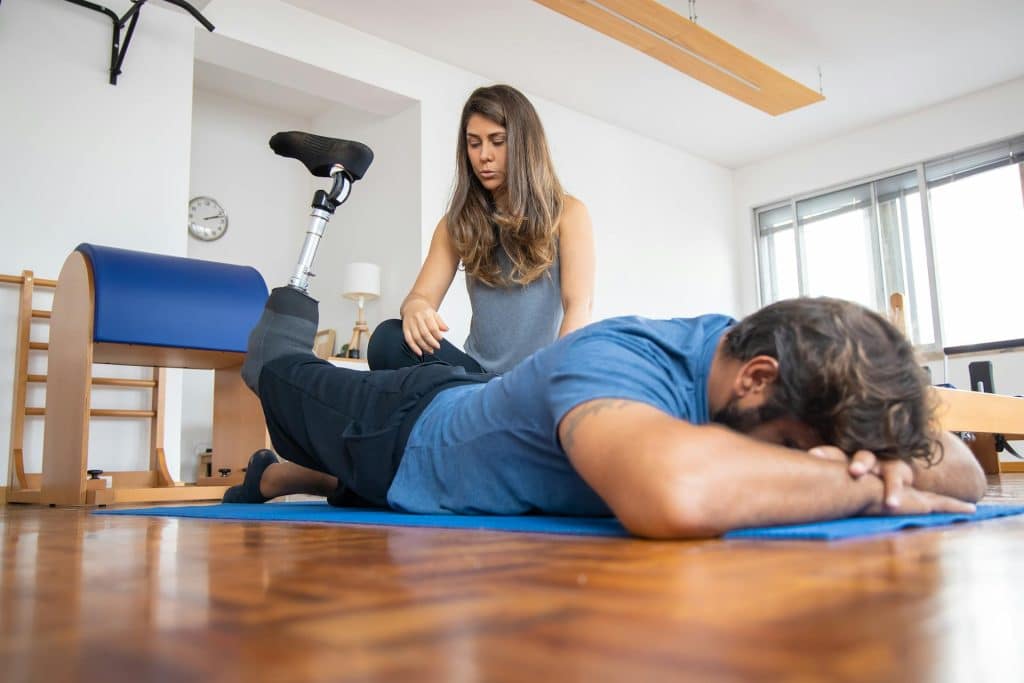
Rehabilitation services are aimed at those recovering from illness, injury, or surgery. Physiatrists and physical, occupational, and speech therapists create individualized programs to help you regain strength and function. Residents can regain independence while learning to adapt to new challenges with ongoing therapy. Being on-site, these services also ensure there are no interruptions to the process, and things keep moving ahead without any hitches. Rehabilitation options are available to anyone seeking either short-term or long-term support.
Respite and Short-Term Stays
Family caregivers need some short relief from time to time. Respite care offers caregivers a much-needed break by providing a temporary stay for their loved ones in an assisted living environment, ensuring everyone can recharge and find peace. With this solution, caregivers can relax knowing that their patients are in a safe and comfortable environment. Temporary residents participate in every activity happening in the community and experience the same level of care as long-term residents.
Specialized Nutrition and Dining
Nutrition is important at every age. Many assisted living residences have dining programs designed to accommodate individual dietary needs. Their menus are balanced by professional chefs and nutritionists, including individual preferences and health needs. When residents sit down to eat, they have the opportunity to socialize while also experiencing flavors and nutrients together. Custom-made dining plans improve health and wellness.
Mobility and Accessibility Support
Mobility challenges can significantly impact an individual’s everyday life and self-sufficiency. Accessible layouts, adaptive equipment, and transportation are typical amenities of assisted living communities. Staff help with transferring, walking, and accessing public spaces. This support allows residents to engage with their community and live a life of leisure. Accessible environments reduce risks and instill confidence.
Emotional and Spiritual Support
Well-being is a multidimensional concept that extends beyond physical health. Geriatric care options also frequently include counseling, support groups, and spiritual services. Compassionate staff listen and help residents process their emotions. Religious services and meditation sessions promote inner peace and introspection.
Conclusion
Choosing an assisted living arrangement requires you to consider both immediate and long-term needs. Communities offer an array of services to provide you with comfort, safety, and joy. By exploring these choices, families can pair individual care solutions with the specific needs of their loved ones. Careful planning will ultimately lead to a better quality of life.