Collecting used to be treated like a hobby you outgrow, something tied to childhood shelves and nostalgia. That thinking misses the bigger picture. Certain collections do more than sit there looking interesting, they hold real financial weight and can grow quietly in the background while traditional investments get all the attention. The difference between clutter and capital comes down to what you collect, how you care for it, and knowing when the moment is right to turn passion into profit. This is not about chasing fads or pretending every old object is a gold mine. It is about understanding which collections have staying power, why buyers keep showing up, and how to cash in without getting fleeced or rushed into bad decisions.
Art That Holds Its Ground Over Time
Fine art has been one of the most consistent collectible assets for decades, but only when approached with a clear head. Blue chip artists with established auction histories tend to behave more like long term stores of value than speculative plays. Paintings, prints, and sculpture by recognized names often track wealth cycles rather than trends, which is why they keep finding buyers even during market pullbacks. Condition, provenance, and proper documentation matter more than personal taste, and storage is not optional. Art that is damaged or poorly kept loses leverage fast. Cashing in usually works best through reputable auction houses or private dealers who already have buyers lined up, not through rushed online listings where pricing power disappears.
Coins That Stay Liquid When Markets Shift
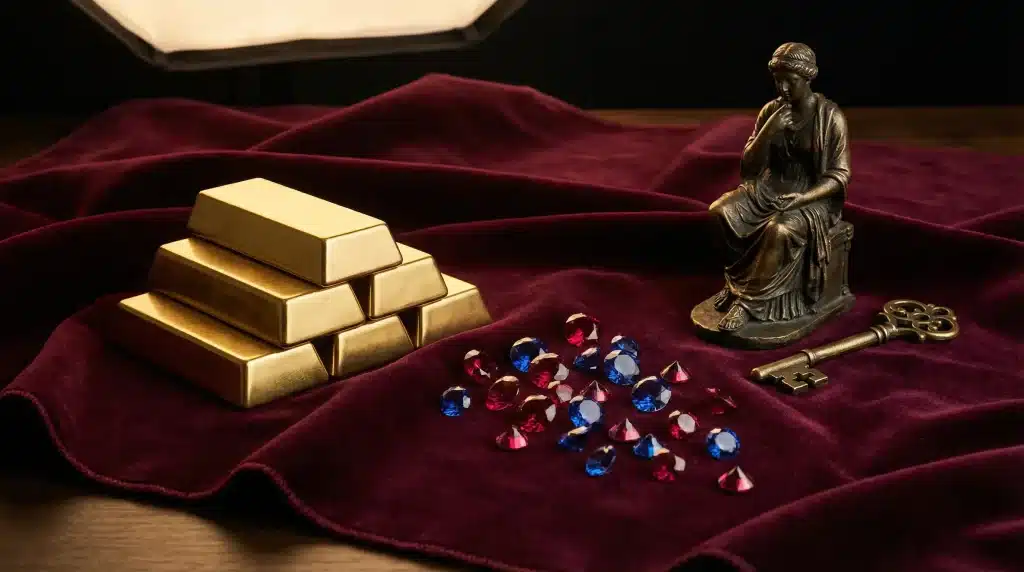
Rare coins sit in a sweet spot between tangible assets and financial instruments. They are portable, historically resilient, and surprisingly liquid when handled correctly. The reason rare coins are always a win is because collectors and investors value scarcity, condition, and verified authenticity over hype. Coins graded by recognized authorities hold their value better and are easier to sell without prolonged negotiation. Gold and silver content adds an extra layer of downside protection, especially during inflationary periods. Many high net worth collectors coordinate sales with wealth management firms, using advisors to time dispositions alongside broader portfolio moves rather than treating coin sales as isolated transactions. That approach keeps taxes, liquidity needs, and market timing working together instead of at odds.
Vintage Watches With Mechanical Credibility
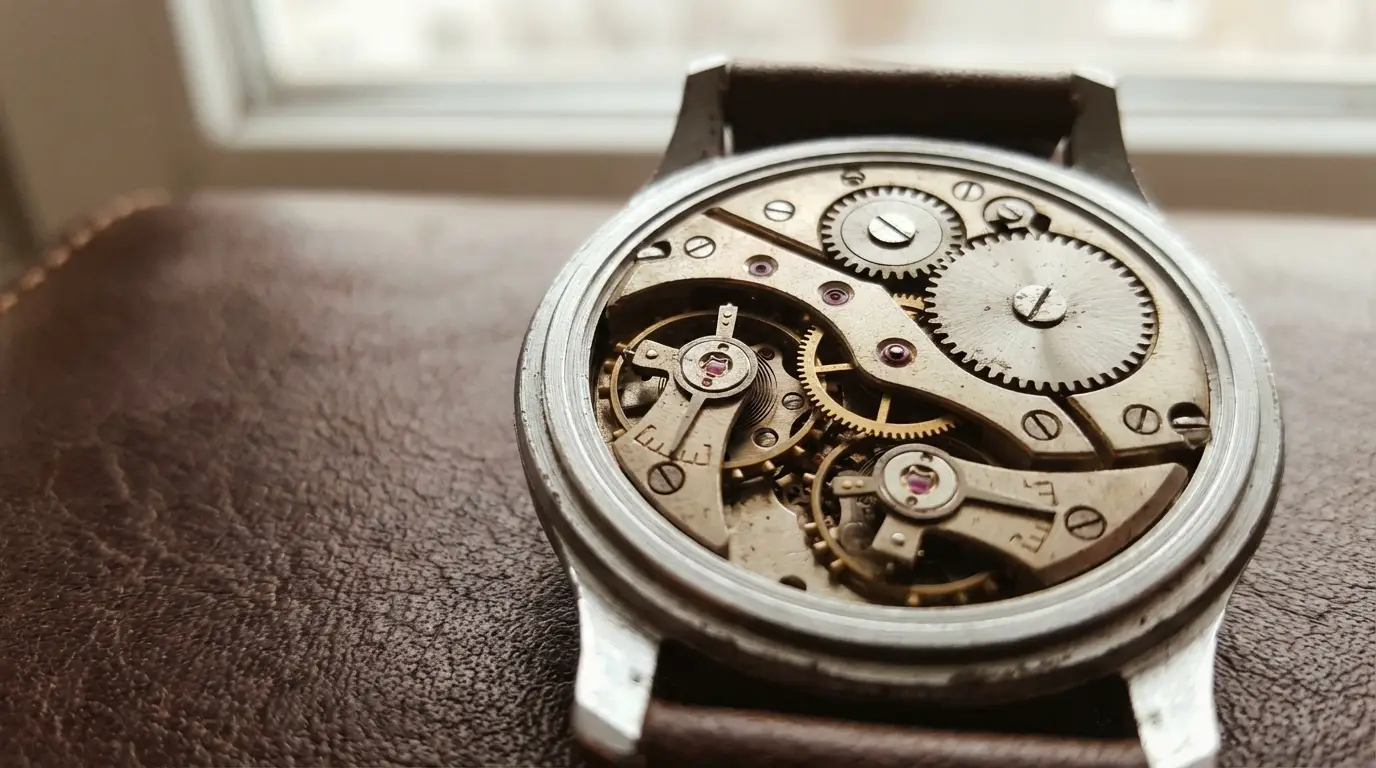
Luxury watches are no longer just status symbols. Certain vintage models from established Swiss makers have become serious financial assets, driven by limited supply and mechanical craftsmanship that modern production cannot replicate. Original parts, documented service history, and untouched dials carry enormous weight. Over polished cases and replacement components can slash value quickly. The strongest appreciation tends to come from watches tied to milestone designs or discontinued movements. Selling is most effective through specialized dealers or major watch auctions, where buyers understand nuance and are willing to pay for originality rather than cosmetic perfection.
Classic Cars That Reward Patience
Collector cars can be profitable, but only for buyers who respect the long game. Rarity, originality, and historical significance matter far more than flash or raw horsepower. Cars with documented ownership history, factory correct restorations, and limited production runs consistently outperform modified or trend driven models. Storage, maintenance, and insurance costs eat into returns, so this category works best for collectors who enjoy the asset while they hold it. When it is time to sell, top tier auctions provide global exposure and credibility, while private sales through marque specialists often deliver cleaner transactions with fewer surprises.
Luxury Jewelry With Resale Gravity
High end jewelry often gets underestimated as an investment because it straddles emotional and financial value. Certain pieces, especially those featuring untreated gemstones or iconic designs from heritage houses, hold resale strength that rivals other collectibles. Signed pieces, original packaging, and laboratory reports matter more than carat size alone. Trends come and go, but craftsmanship and rarity keep demand steady. Selling through established jewelers or auction houses protects value and avoids the steep discounts common in pawn style transactions.
Books, Manuscripts, and Paper With Provenance
Rare books and manuscripts appeal to a narrower audience, but that audience is serious and well funded. First editions, signed copies, and historically significant documents maintain value when condition and authenticity are beyond question. Storage is critical, since paper is unforgiving. Exposure to light, humidity, or improper handling can erase decades of appreciation. Dealers who specialize in literary or historical material offer better pricing transparency and access to institutional buyers, which is where premium sales often happen.
Knowing When and How to Cash In
The biggest mistake collectors make is selling in a rush. Timing matters, but so does preparation. Proper appraisals, updated documentation, and understanding tax implications protect more value than trying to squeeze out an extra percentage point at auction. Many experienced collectors coordinate sales during periods of strong demand or when related markets are already active. Working with advisors, dealers, or auction specialists turns selling into a process rather than a gamble. Liquidity improves when buyers trust what they are buying and when sellers are not visibly desperate.
Collections that make real money are built on patience, knowledge, and restraint. They reward people who buy with intention and sell with discipline. The financial upside is real, but it is rarely loud or fast. The quiet collections that compound over time tend to be the ones rooted in scarcity, quality, and enduring demand. When treated with the same respect as any serious asset, they can turn personal interest into lasting financial return without sacrificing enjoyment along the way.