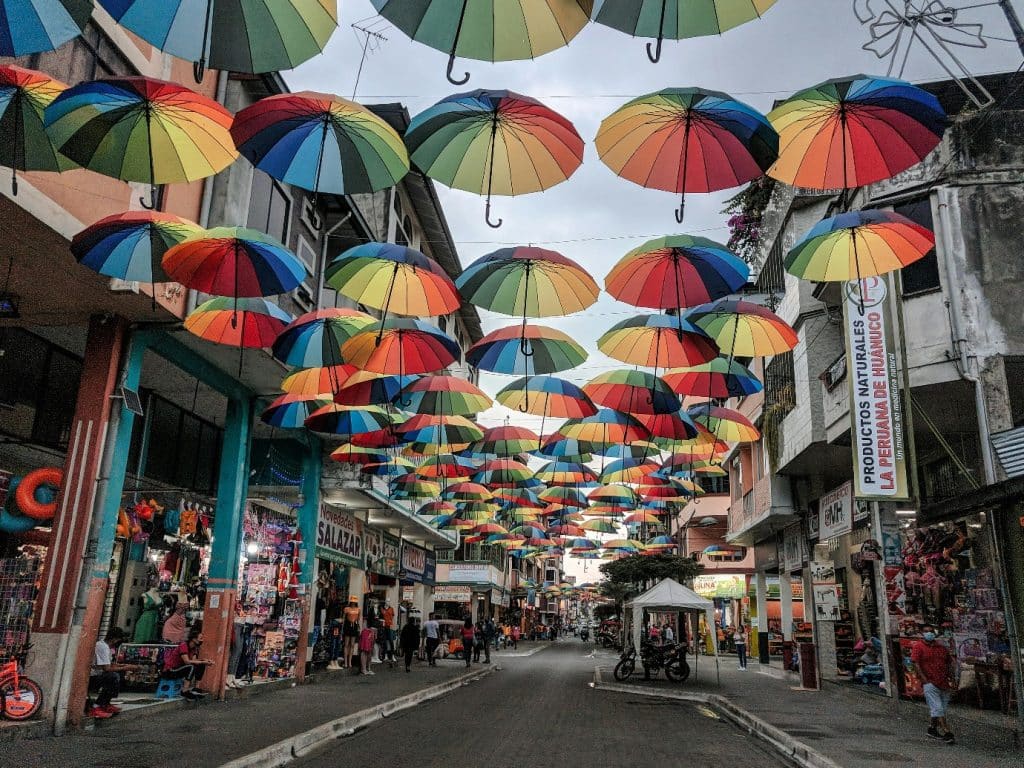
Culture has always made an impact on fashion, as consumers opinions are a living reflection of what is around them and their own personal interests. From the reflection of their music taste to their art and sporting interests, to the community they are in. Every shade, graphic, and silhouette carries influence from the streets that inspire it. In this article, we explore how street culture shapes our color palettes and design direction, and why that cultural connection matters more than ever in today’s fashion landscape.
Street Culture as a Creative Foundation
Street culture has self-expression rooted into it. From graffiti walls in cities like New York City to skate parks in Los Angeles, urban communities have long used visual language to communicate identity. In fashion everyday streetwear essentials are highly influenced by Hip hop, skateboarding, basketball courts, underground art scenes, and grassroots movements and they all contribute to what we see on the streets.
According to a report by Statista, the global streetwear market has been valued in the hundreds of billions and continues to grow steadily each year. This growth reflects more than demand for clothing. It reflects demand for culture driven design.
For us, street culture is not a trend to borrow from. It is a constant source of inspiration that informs how we think about color, graphics, and storytelling.
The Psychology of Color in Urban Expression
Color is emotional. In street culture, it is also symbolic.
Bold reds often communicate power, urgency, or rebellion.
Deep blue’s suggest loyalty and calm confidence.
Neon tones echo nightlife energy and underground music scenes.
Earthy tones connect to workwear roots and everyday city life.
Research in color psychology shows that people form subconscious judgments about products within seconds, and color plays a major role in those first impressions. When designing a collection, we consider how a color will make someone feel before we consider how it will look on a rack.
Street culture teaches us that color is communication. Graffiti artists choose high contrast palettes to stand out against concrete. Basketball teams use striking colorways to build identity. Musicians use visual branding to create a recognizable presence. We take these cues and translate them into wearable pieces that feel intentional and expressive.
Music and Visual Identity
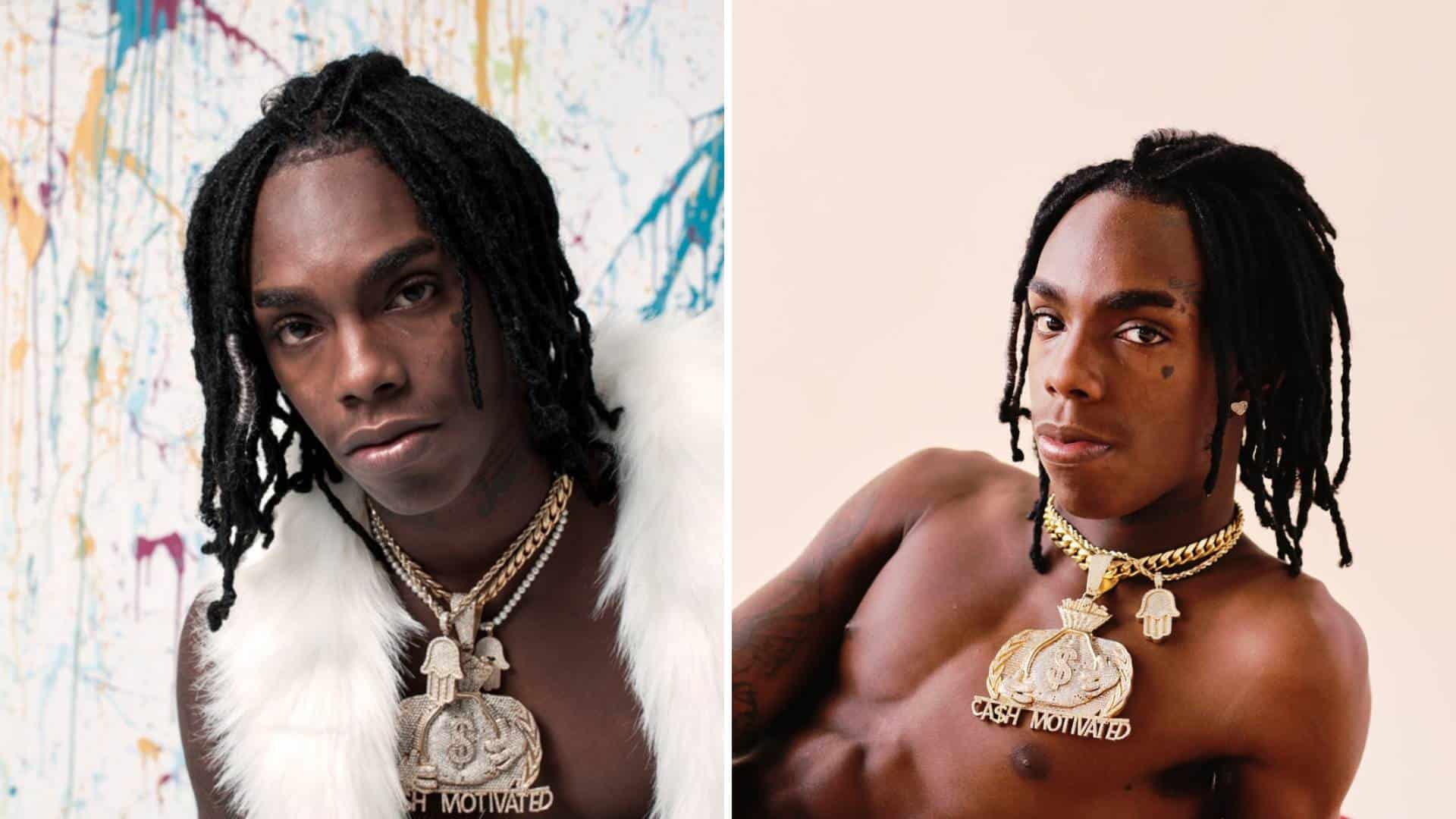
Music has always been intertwined with streetwear. The rise of hip hop in the late twentieth century shaped baggy silhouettes, bold logos, and high contrast color combinations. Today, artists continue to influence design direction through album artwork, stage visuals, and personal style.
Brands such as Supreme built their identity by aligning closely with skate culture and underground scenes. Luxury houses like Louis Vuitton have collaborated with street influenced designers, proving that cultural authenticity drives global appeal.
When we build a color story, we often begin by asking what soundtrack fits this collection. Is it gritty and raw, inspired by underground rap? Is it vibrant and energetic, echoing dance and electronic scenes? The mood of music often translates directly into our color direction.
The Influence of Graffiti and Public Art
Walk through any major city and you will see how public art shapes the environment. Graffiti is layered, textured, and unapologetically bold. It combines unexpected color pairings that traditional design might avoid.
Street artists frequently use high saturation colors to command attention. They paint over grey concrete, turning neutral city backdrops into dynamic canvases. This contrast inspires us to experiment with bold graphics on muted garments or vibrant details on understated silhouettes.
Our design process often mirrors this layering approach. We combine textures, overlays, and unexpected accents to create depth. Just as a mural tells a story through symbols and color, each piece in our collection carries layered meaning.
Social Movements and Symbolic Design
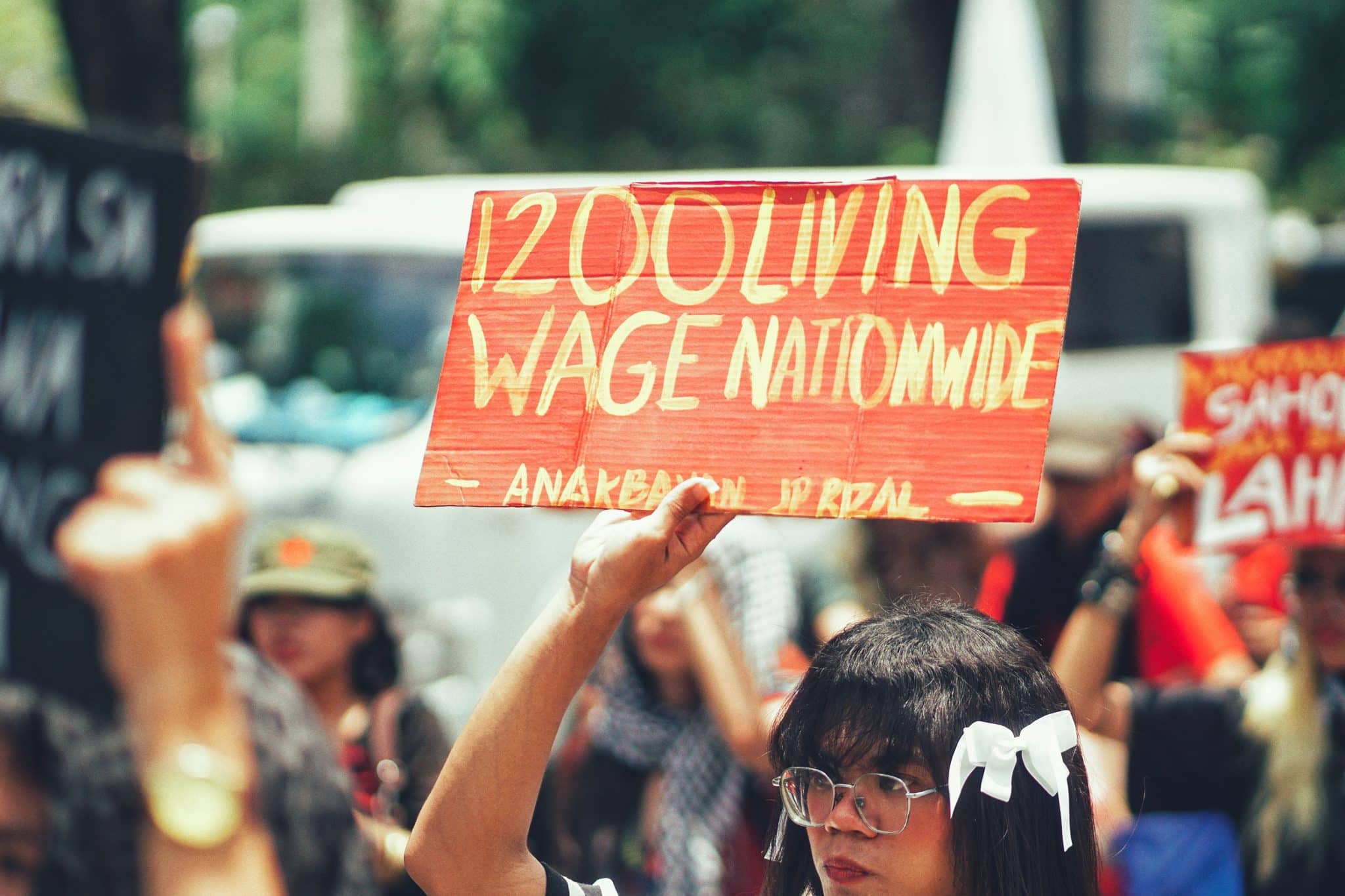
Street culture has always been connected to activism. From illustrative graphics to symbolic colors worn in solidarity, fashion on the streets often communicates social messages.
Historically, certain colors have represented unity, resistance, or cultural pride. Designers who stay connected to their communities understand that these choices are not random. They are deliberate expressions of shared values.
We approach design with awareness and respect. When cultural moments shape public conversation, we listen. Our color and design direction reflects not just aesthetics but also emotion, identity, and lived experience.
Global Cities as Color References
Urban landscapes influence our palettes in subtle but powerful ways. The steel greys of skyscrapers. The warm browns of brick buildings. The neon glow of late-night storefronts. The faded tones of sun washed billboards.
Cities like Tokyo are known for blending futuristic neon with minimal monochrome fashion. London street style often combines heritage tones with bold contemporary graphics. Each location carries its own rhythm and visual language.
When developing a collection, we study these environments. We photograph streets, signage, transport systems, and local art. Those references shape the final color story in ways that feel authentic rather than forced.
Data Meets Culture in Modern Streetwear
While creativity drives our design, data helps us refine it. Consumer research shows that younger generations value authenticity and cultural relevance when choosing brands. A report from McKinsey & Company highlights that Gen Z consumers are particularly drawn to brands that reflect their identity and social values.
This insight reinforces what street culture has always taught us. People want to wear pieces that mean something. They want colorways that feel connected to their world.
We analyze engagement patterns, community feedback, and seasonal shifts in demand. However, numbers never replace culture. They simply help us understand how to serve our community more effectively.
From Inspiration to Final Collection
Our process begins with immersion. We explore neighbourhoods, follow emerging artists, study music visuals, and observe how people actually dress in their daily lives. We build mood boards filled with street photography, art references, and texture samples.
Next, we refine the palette. We limit colors to ensure cohesion while allowing enough contrast for impact. Each shade must support the overall narrative of the collection.
Finally, we test combinations in real environments. Clothing must work in daylight, under city lights, and in motion. Streetwear lives outside, so our design direction always considers how color interacts with real urban settings.
Why Street Culture Will Always Shape Our Direction
Street culture evolves constantly. New music genres emerge. Art styles shift. Social conversations change. Yet the core values remain the same. Authenticity, creativity, and community drive everything.
By staying connected to the streets, we ensure our color and design direction never feels disconnected or artificial. Every collection becomes more than a drop. It becomes a snapshot of a cultural moment.
Streetwear is not just worn. It is lived in. And as long as the streets continue to create, we will continue to listen, observe, and translate that energy into color and design that feels real, expressive, and true to our roots.