
The three essential tools helping seniors live at home longer are GPS-enabled tracking watches for safety, home oxygen concentrators for respiratory support, and smart remote monitoring systems.
These technologies bridge the gap between independence and risk, allowing older adults to age in place with dignity. Families gain necessary peace of mind without resorting to intrusive 24/7 supervision.
According to a 2025 report by AARP and the Consumer Technology Association, 80% of older Americans currently own at least one type of tech that enables aging at home. That powerful desire to “age in place” reflects a need for autonomy and cherished routines formed over decades. Modern assistive technology now exists to help caregivers balance independence with day-to-day safety.
1. The GPS-Enabled Senior Tracking Watch
Problem to Solve
For millions living with cognitive decline, wandering poses a very real threat. Add potential falls or medical events, and it is easy to see why strict “stay inside” rules can feel stifling. Families often struggle to balance the need for physical safety with the emotional need for freedom.
A Dignified Solution
A discreet, fashionable senior GPS-enabled tracking watch from Tranquil offers a middle ground between supervision and autonomy. Modern devices hide robust safety features inside designs that resemble standard timepieces rather than medical monitors.
Caregivers receive real-time GPS location updates in a companion app, while customizable “safe-zone” alerts trigger if a loved one exits the backyard unexpectedly.
What Makes It Stand Out
- Durability: Water-resistant ratings allow for safe showering or gardening.
- Extended battery life: Long-lasting capacity removes nightly charging stress.
- Tamper-proof strap: Prevents accidental removal by those with cognitive confusion.
- Automatic SOS calling: Initiates an intelligent, multi-contact sequence during emergencies.
- Two-way voice communication: Auto-answer features assist if the wearer cannot press buttons.
Mini-Case Snapshot
Consider Evelyn, who loves her morning walks but occasionally forgets her route. One Tuesday, the watch’s Bluetooth “home-exit” beacon signaled to her daughter that Evelyn had left without her cane. A quick two-way call confirmed she was fine but disoriented, allowing her daughter to guide her home safely.
Bottom Line
Wearable senior safety technology preserves freedom for the wearer while restoring caregiver peace of mind. If wandering or falls are a primary concern, implementing a GPS-enabled watch is an effective first step.
|
Key Insight: The most effective safety device is one your loved one will actually wear. Modern designs prioritize dignity, ensuring seniors feel accessorized rather than monitored. |
|---|
2. Home Oxygen Concentrators for Daily Comfort
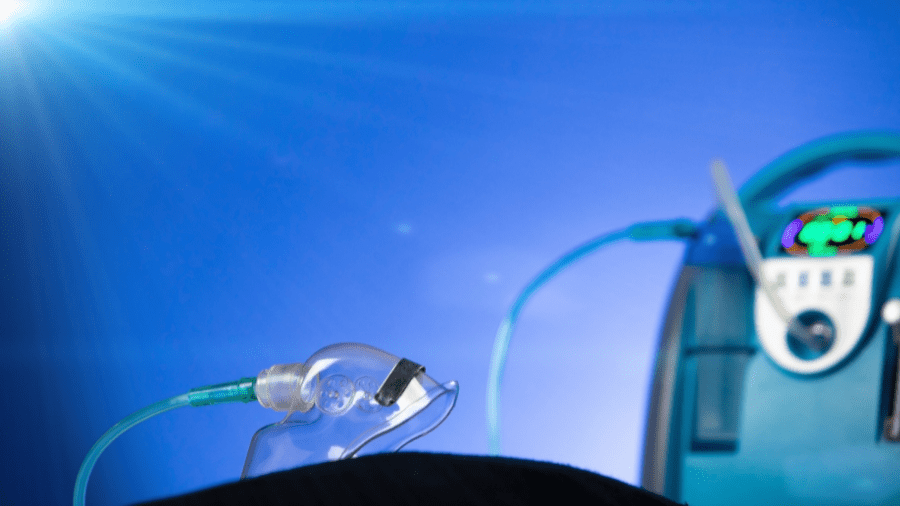
Image from RespShop
Alt text: Oxygen mask and concentrator machine.
Why Oxygen Therapy Matters
Respiratory conditions are common among older adults, yet many don’t realize oxygen therapy can be delivered unobtrusively at home.
Modern concentrators draw ambient air, filter out nitrogen, and deliver purified oxygen. This allows users to nap, read, or watch TV without the logistical challenges of bulky tanks.
Choosing the Right Device
Portable units can weigh under six pounds for grocery trips, while stationary models quietly run beside a recliner. Experts and therapists at providers of RespShop’s medical-grade home oxygen concentrators help families compare continuous-flow versus pulse-dose delivery.
They can also assist with evaluating battery runtime and noise ratings from trusted medical brands.
Everyday Benefits
- Reduced breathlessness: Makes chores and phone conversations less taxing.
- Better sleep quality: Keeps oxygen saturation stable overnight.
- Greater confidence: Encourages social interaction and family visits.
Safety First
Always consult a physician before starting or changing oxygen flow. It is critical to keep tubing clear of trip hazards and install smoke detectors in the home.
Soft Next Step
For those curious whether oxygen could assist a loved one, seeking clinician-backed guidance ensures the right equipment is selected. Fast shipping options can help get the necessary equipment in place quickly.
|
Important: Oxygen significantly increases fire risk. Never smoke nearby, keep tubing clear of open flames or heaters, and ensure working smoke detectors are installed in every room where the device is used. |
|---|
3. Smart Remote Monitoring Tools That Keep Everyone Connected
What They Are
Remote monitoring tools combine sensors, voice assistants, and data analytics so families can “check in” without hovering.
They are designed to supplement human caregiving rather than replace it. These tools provide data points that help predict health changes before they become emergencies.
Popular Entry Points
- Smart Displays: Devices allow for setting medication reminders and using video for instant face-to-face chats.
- Motion Sensors: Systems can be paired with fall-detection sensors to alert caregivers if motion ceases unexpectedly.
- Behavioral Analytics: Platforms analyze walking speed or meal prep frequency, flagging subtle health declines.
Layer in Extras
Smart plugs on space heaters, motion-activated nightlights, or a Wi-Fi video doorbell can all feed into a unified dashboard. For seniors in colder climates, heated gloves paired with voice-controlled smart plugs keep arthritic hands warm.
Energy-efficient mobility scooters can also provide short-range independence without the complexity of a vehicle.
Respecting Privacy
Always discuss camera placement and alert settings with the resident first. Many platforms allow “activity only” data sharing to ensure seniors decide when live video is appropriate.
|
Pro Tip: Preserve trust by using “activity only” settings rather than 24/7 video. This provides caregivers with necessary safety data without making seniors feel like they are under constant surveillance. |
|---|
The Path Forward
Technology alone isn’t the answer, but thoughtfully chosen devices can help loved ones stay home longer. Reviewing the options, talking with healthcare professionals, and considering protections like discreet GPS tracking watches can make a significant difference.
With the right blend of compassion and innovation, aging in place can shift from a hopeful wish to a daily reality.