Communities must install durable infrastructure to boost safer outdoor play environments. Strategic adjustments address safety concerns while reclaiming the benefits of unstructured recreation for children. These updates help neighborhoods compete with digital entertainment by offering engaging physical alternatives.
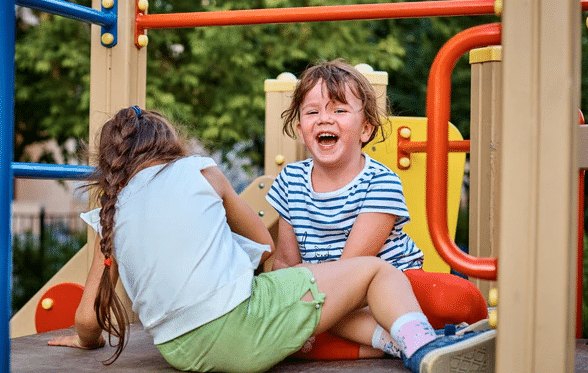
Outdoor play acts as a fundamental necessity for public health rather than a mere pastime. Outdoor play is associated with increased moderate-to-vigorous physical activity in children, with research indicating that regular outdoor engagement supports children’s physical fitness and activity levels compared to more sedentary alternatives.
Yet, safety remains a primary obstacle for administrators and parents. By focusing on three specific infrastructure upgrades, neighborhoods can jump-start community recreation.
1. Install Durable, Inclusive Playground Equipment
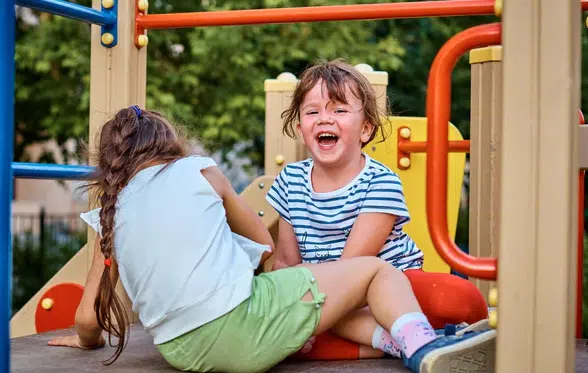
Modern play structures serve a critical role in child development, offering more than simple entertainment. However, more than 200,000 children are injured and require medical attention from playground injuries each year across the US.
Slides, climbers, and sensory panels help children build gross-motor strength while fostering cooperative play habits.
Falls account for over 75% of all playground-related injuries, emphasizing the need for proper impact-absorbing surfacing. When municipalities prioritize installing WillyGoat’s safe playground equipment, they effectively reduce long-term liability. This approach ensures accessibility for children of all physical abilities while meeting ADA guidelines.
|
Pro Tip: Opt for modular playground designs to manage budget constraints effectively. This approach allows communities to install essential structures now and expand with additional components as future funding becomes available. |
|---|
2. Create Designated Riding Areas for Youth Dirt Bikes
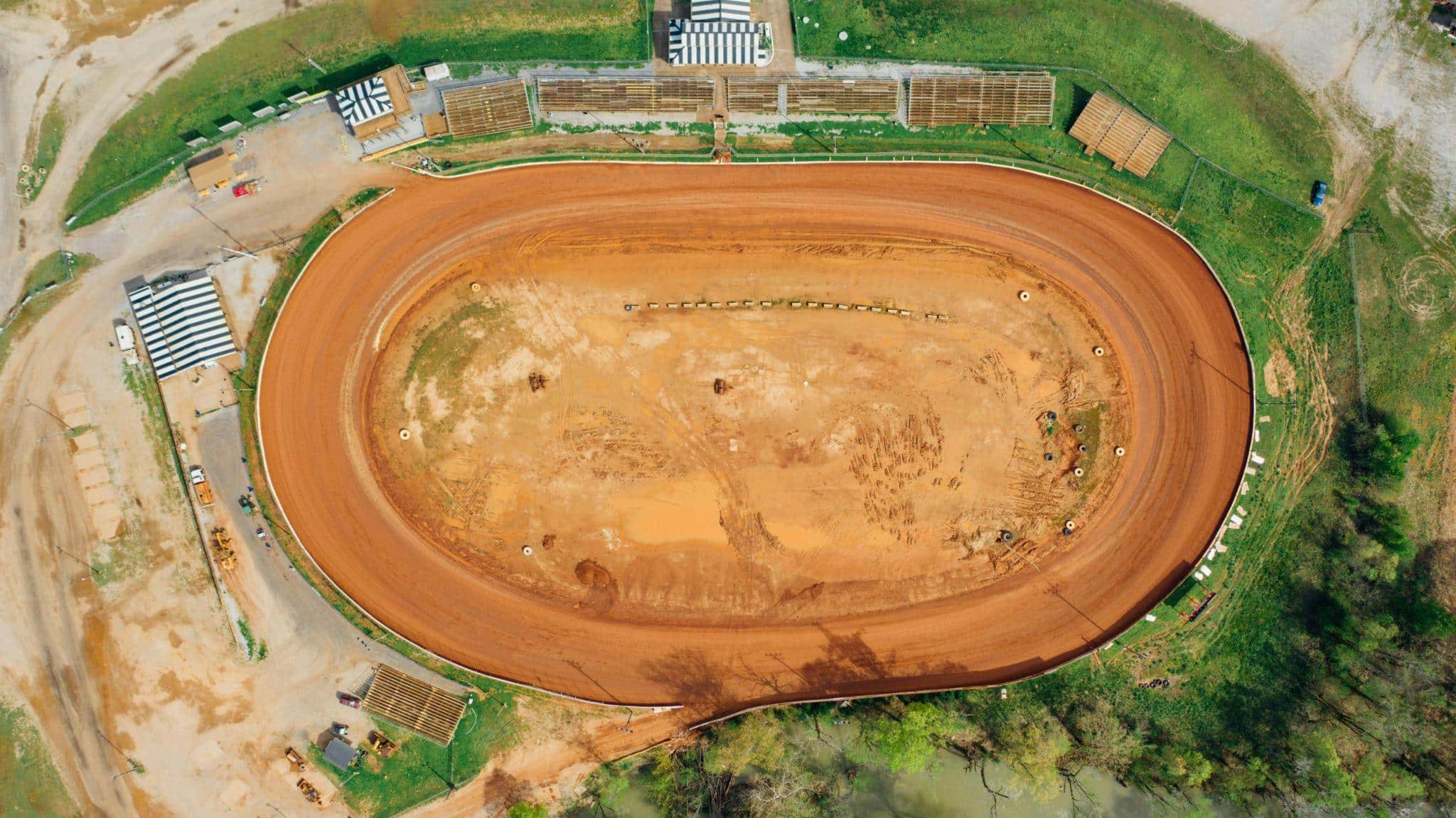
Image by Kelly from Pexels
Alt text: Aerial view of oval dirt track.
Children transitioning into their tween and teen years often outgrow traditional jungle gyms yet still require physical outlets. Establishing organized tracks for NTX Powersports’ 110 cc dirt bikes for kids keeps thrill-seeking youth engaged and off of busy streets.
These designated zones provide a controlled environment where safety protocols can be strictly enforced.
Successful riding sites feature fenced perimeters and one-way track flows to prevent collisions. Community leaders can enhance these areas by partnering with certified coaches to teach throttle control and trail etiquette.
Adding simple amenities like bleachers transforms these high-energy zones into community gathering spots.
|
Important: Never overlook strict safety protocols in riding zones. Essential measures include fenced perimeters, mandatory protective gear, and one-way track designs to prevent collisions and keep thrill-seeking youth off dangerous public streets. |
|---|
3. Develop Structured Multi-Use Recreation Zones
A multi-use recreation zone adapts to different needs throughout the day, maximizing the utility of available land. A single plaza might host a yoga class at dawn and facilitate basketball games in the afternoon.
Surfaces in these zones often include synthetic turf that accommodates various sports like pickleball or small-sided soccer.
The success of these zones relies on smart design considerations such as resilient materials and LED lighting. To manage the space effectively, communities can use simple scheduling apps to rotate youth leagues and adult fitness classes. Funding for these adaptable spaces is frequently available through state grants.
|
Key Insight: Multi-use zones maximize land utility by adapting to diverse demographics throughout the day. Furthermore, these adaptable spaces often qualify for state safety grants, significantly offsetting initial construction and lighting costs. |
|---|
The Path Forward
Getting started requires a survey of local needs and available land, such as underused fields or vacant lots. Forming a task force of educators, parents, and parks staff ensures that all perspectives are considered. This collaboration is essential before consulting suppliers or applying for grants.
Communities can pilot small programs first to gather feedback and refine their approach. This process helps turn empty spaces into hubs of activity and lifelong healthy habits. Taking these initial steps lays the groundwork for a safer, more active future.