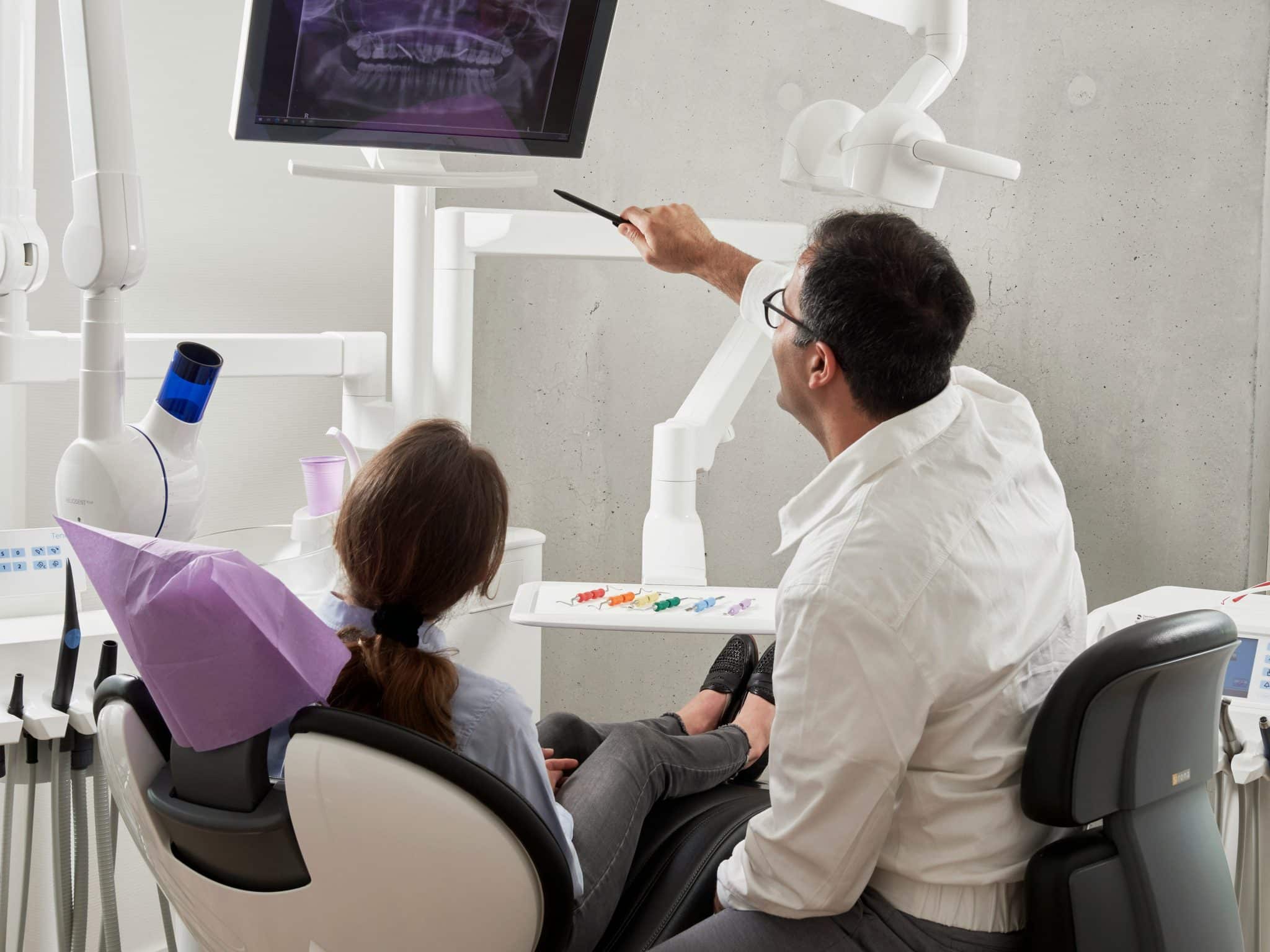
Jaw discomfort can affect more than just your mouth. It may cause tension, headaches, or even ear pain during the day. Many people in Ann Arbor feel tightness or soreness without knowing the cause. These symptoms could point to an issue with the temporomandibular joint.
A dentist Ann Arbor can identify symptoms linked to TMJ early. The joint that connects the jaw to the skull helps with motion. When the joint becomes strained, it may affect basic tasks. Early signs give important clues before the issue grows worse.
Signs That Suggest TMJ Is Present
A common sign is soreness along the side of the face. The pain may grow during the day or after eating. Clicking or popping sounds might also occur during jaw movement. These noises can be harmless but may indicate joint stress.
Some people in Ann Arbor find it hard to open their mouths fully. The jaw may feel locked, tight, or slightly uneven when in motion. Strain during meals or speech is also common with TMJ. If symptoms continue, an exam helps confirm the cause.
How TMJ Affects More Than the Jaw
TMJ may affect the head, neck, or ear without a clear cause. Some feel pressure, ringing, or aches near the ear canal. These signs sometimes seem unrelated to the jaw at first. The pain may move or return in cycles depending on activity.
Stiffness can appear in the morning from clenching during sleep. Tension might lead to soreness across the neck or upper back. Headaches that start near the temple may follow jaw use. These connected signs point toward a joint and muscle concern.
Common Triggers That May Worsen TMJ
Certain movements and habits may place stress on the jaw. Chewing gum, biting nails, or leaning forward during work can add strain. Teeth grinding at night may also pressure the joint over time. These small actions may become daily triggers for flare-ups.
Posture and head position may also affect the way the joint functions. Sitting with the neck extended or tilted adds muscle stress. Over time, these patterns may raise sensitivity near the jaw. Being aware of these triggers helps reduce extra strain.
What Kind of Care Helps Manage TMJ Discomfort Safely?
TMJ-related pain sometimes needs more than basic home relief. While warm compresses or soft foods may help temporarily, long-term care should involve clinical guidance. Dentists trained in joint function can offer targeted evaluations and recommend proper steps. Their focus is on reducing strain while protecting jaw movement.
Some care plans include monitoring bite alignment and limiting joint stress. Dentists may suggest small changes in daily habits or provide stabilization devices. These solutions are designed to reduce muscle tension and protect the joint. A steady care plan improves comfort without overcomplicating the process.
When to Visit a Dental Office in Ann Arbor
A dentist in Ann Arbor can assess how the joint moves and feels. They may ask about bite changes, sounds, or tension while chewing. The exam usually includes muscle checks and simple motion tests. From there, they guide the next steps based on need.
Jaw pain that doesn’t ease should be reviewed sooner rather than later. Clicking, stiffness, or uneven bite changes are early signs to catch. Professional care can ease pressure and help limit future discomfort. A visit brings helpful answers and long-term support when needed.