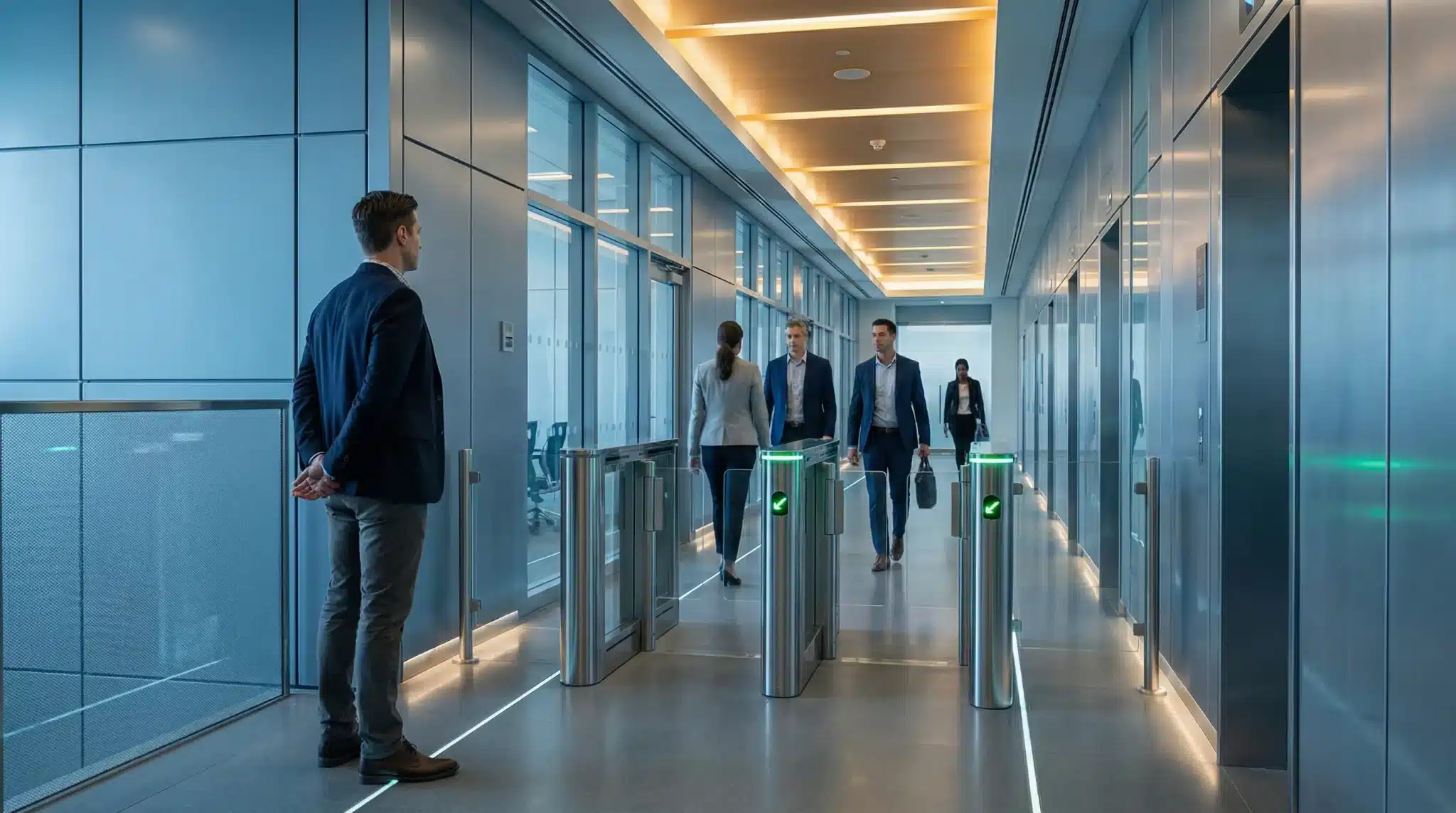
The modern office has undergone a radical transformation in the past few decades. As businesses adapt to the demands of the global marketplace, the notion of office space has shifted, challenging conventional designs and expectations. No longer just a place to churn out reports, make calls, or host meetings, the office has become a focal point for innovation, creativity, and employee well-being. While ergonomic furniture once stood as the pinnacle of thoughtful office design, today’s workplaces demand far more.
The Death of Traditional Boundaries
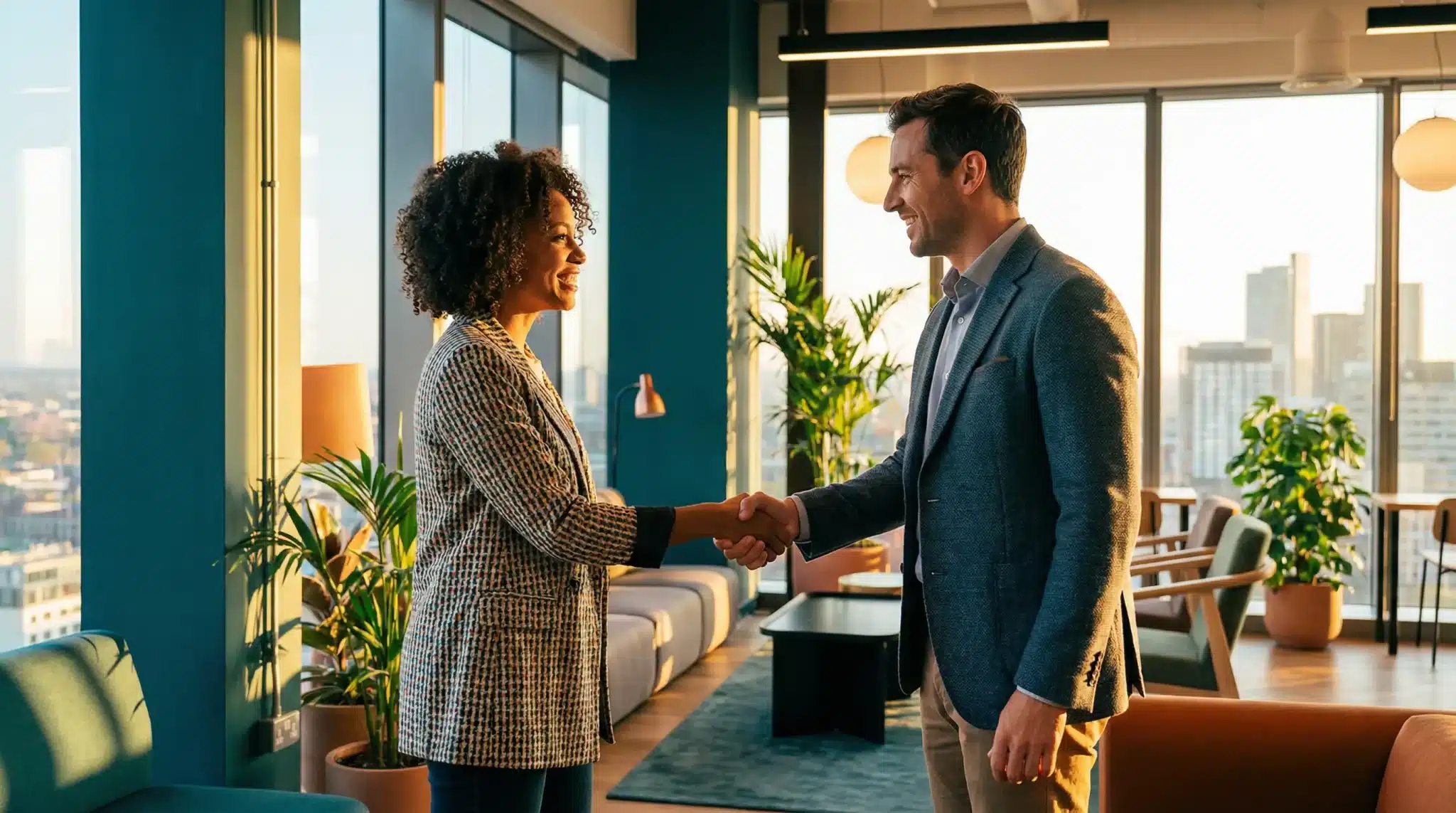
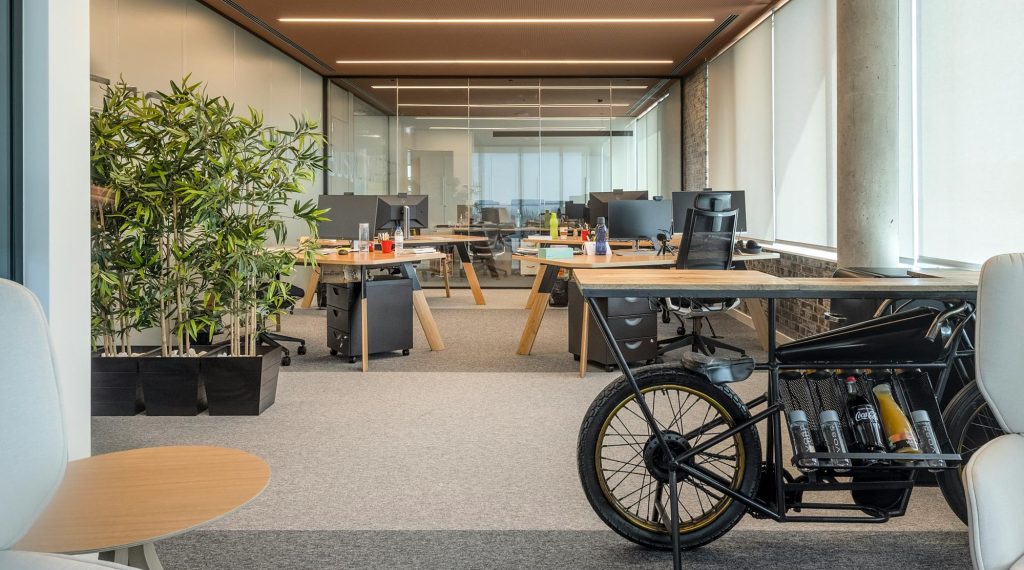
Office spaces used to be defined by clear partitions, cubicles, and designated workstations. Walls demarcated status, with the corner office often serving as a symbol of power. This layout, however, is now a relic of the past. The open-plan office, although popularized decades ago, has reached a new level, fostering collaboration and blurring hierarchical structures. This approach, despite its fair share of critiques regarding noise and privacy, has undeniably reshaped the social dynamics of the workplace. It encourages spontaneous interactions that can propel businesses forward.
The journey away from traditional boundaries doesn’t merely focus on spatial rearrangements; it reflects a broader shift in workplace mentality. Organizations are now great believers in the collective spirit, shifting away from a “me” mindset to a “we” culture. This immersion in shared experiences and knowledge equips employees to approach challenges with diverse perspectives, leading to creative problem-solving and effective teamwork. As hierarchy blurs, the hierarchy of ideas takes precedence, driving collaboration to newer dimensions.
A Focus on Flexibility and Comfort
Tethered desks and rigid seating arrangements have been replaced by flexible workstations. Employees now enjoy the freedom to choose their preferred working environment, whether that’s a standing desk, a cozy sofa, or a casual huddle in a beanbag chair. This flexibility is paramount not only for productivity but for nurturing a happier workforce. Mobility within the office has become a standard requirement, enabling staff to work in ways that suit them best.
Flexibility is paramount not only in where employees choose to work but also in when they choose to work. The rise of hybrid work models reinforces trust between employers and their teams, empowering them to balance personal commitments and professional obligations. Companies are learning the value of offering more fluid work schedules, creating environments that adapt to the unique lives of their workforce while still fostering a sense of collective ambition.
To complement this flexibility, advances in office amenities are just as crucial. For instance, understanding the importance of staying hydrated during a busy workday, many offices are integrating KUPA Hydration Station systems. These stations offer employees customized and eco-friendly hydration options that contribute to personal well-being and environmental sustainability, perfectly aligning with modern workplace values.
The Environmental Imperative
The responsibility to protect the environment has wormed its way into every corner of society, including office spaces. Choices in materials, energy consumption, and waste management are at the forefront of corporate accountability. Green building certifications have become not only fashionable but necessary for corporations looking to reduce their carbon footprint. In this way, embracing sustainable practices is transforming office culture, laying the groundwork for a future where business prowess is measured in deeds served to the planet.
Technological Integration
Technology has become an invisible but foundational component of the office space. Integrated tech solutions allow for seamless communication and streamline daily operations. The shift towards digital nomadism and remote work has required offices to be ready for virtual meetings, cloud-based projects, and real-time updates. Yet, while technology brings unparalleled convenience, it also presents challenges as organizations strive to protect data and ensure cybersecurity.
Balancing technology with human interaction has become a priority. While digital tools drive efficiency, they can’t replace the value of personal connections. Forward-thinking companies aim to strike a balance, using technology to facilitate more meaningful interactions. Whether through virtual coffee breaks or team-building apps, maintaining the human touch is vital in an increasingly connected world.
Spaces for Well-being
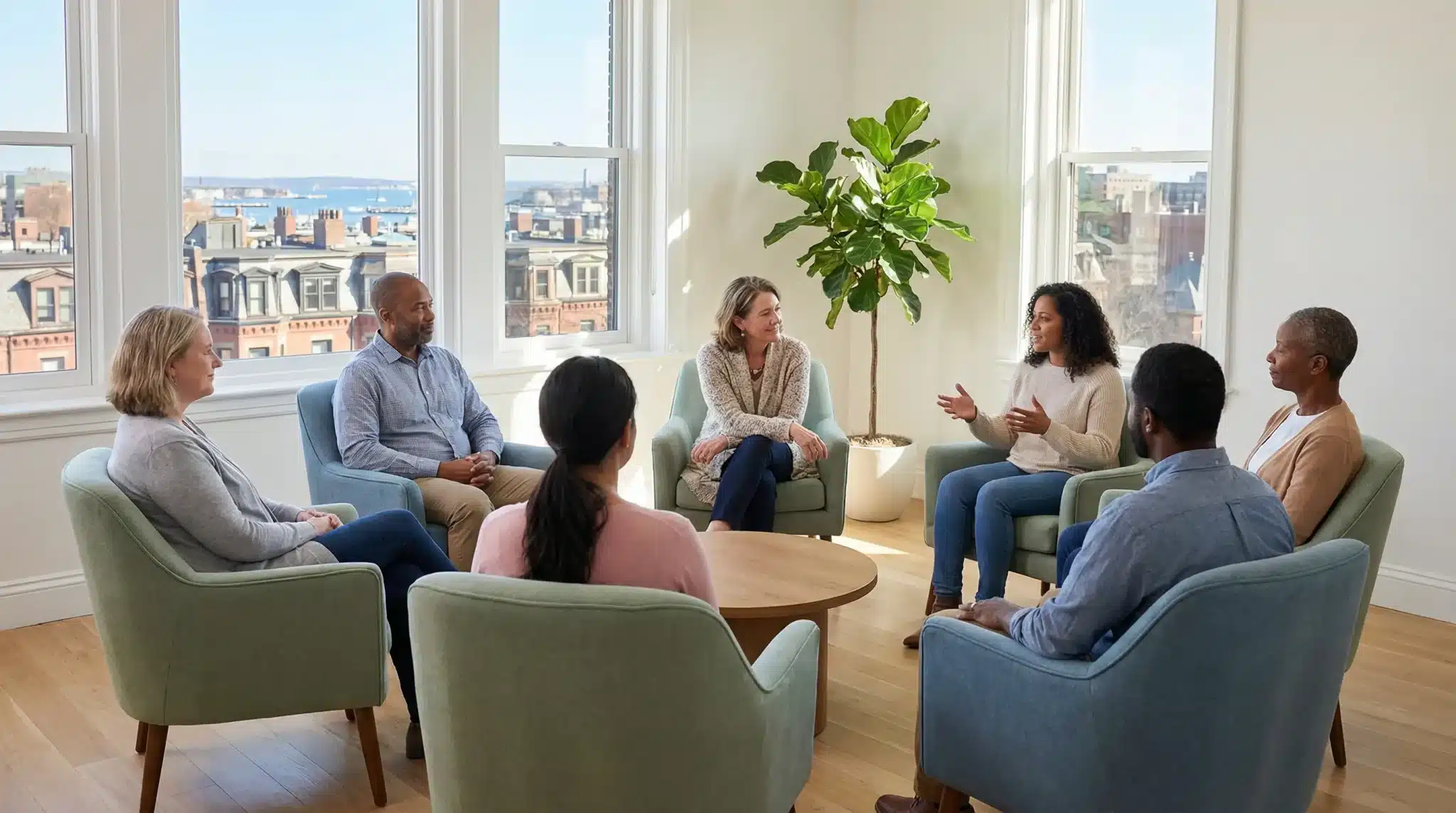
Today’s enlightened employers recognize that the mental and physical health of employees is vital. As such, wellness spaces have become integral to office design. From meditation zones and yoga rooms to on-site gyms and cafeterias offering healthy options, employers are no longer just paying lip service to employee well-being. Instead, they are investing in their most important asset: the people who form the bedrock of their operations. This holistic approach to office space design seeks to prevent burnout and nurture a balanced work-life experience.
Stress management is increasingly being prioritized, with some companies offering workshops or dedicated sessions led by professionals to help employees cope with pressures and maintain productivity. Alongside physical wellness areas, attention is given to creating nurturing social environments. The emphasis is on intentional design, using colors and materials that evoke tranquility and comfort, making the office feel like a serene second home.
Key Takeaways
The modern office space challenges us to rethink what it means to work and how spaces can shape that work. The office as a mere hub of economic activity is passé. In its place stands a malleable, tech-infused, socially-conscious setting where productivity and personal priorities harmonize. Beyond ergonomics, today’s office is an ecosystem that, if designed thoughtfully, can be a catalyst for innovation and employee satisfaction.