Probability Isn’t Just a Mathematical Concept—it’s the Engine Behind Every Major Economic Decision, from Global Investments to The Odds You See on Betting Slips.
It Quietly Drives how Markets Behave, how Risk Is Priced, and Why Some Decisions Pay Off While Others End in Losses.
This Article Reveals how Probability Shapes the World of Finance, Insurance, and Trading—informing Billion-Dollar Bets and Everyday Choices Alike.
If You Want to Understand Risk and Reward at A Deeper Level, Getting Comfortable with Probability Is Essential. Let’s Explore how It Powers Decision-Making Where Stakes Are Highest.
How Probability Shapes Outcomes in Sports Betting and Financial Markets
Probability Analysis Is the Invisible Engine Powering Both Global Betting Markets and Modern Financial Exchanges.
In Sports Betting, Every Set of Odds You See Represents a Bookmaker’s Estimate of How Likely an Outcome Is to Occur, with A Margin Built in For Profit. Skilled Bettors Hunt for What’s Known as “value”—those Rare Moments when A Bookmaker Underestimates the True Chance of An Event Happening.
The Same Principle Applies in Trading, Where Market Prices Constantly Shift as New Information Updates the Perceived Probabilities of Gains or Losses. for Example, in Live Football Betting or Currency Trading, Odds and Prices Respond Within Seconds to Goals Scored or Economic News—demonstrating Probability’s Real-Time Impact on Value.
If You’ve Explored International Platforms Like Top Asian Bookmakers, You’ll Notice Sharper Odds and Greater Liquidity than Many Western Sites Offer. This Attracts Serious Bettors and Arbitrage Traders Seeking Efficiency and Lower Margins.
Success on These Platforms Hinges on Understanding Both Raw Probability and How Markets Reflect Public Sentiment. Sometimes Crowd Bias Skews Prices, Presenting Unique Opportunities for Those Who Can Calculate True Probabilities More Accurately than The Majority.
Whether Your Interest Lies in Sports, Stocks, or Cryptocurrencies, Mastering Probability Analysis Isn’t Optional—it’s What Separates Casual Players from Those Who Consistently Find Long-Term Value in Dynamic Marketplaces.
The Role of Probability in Risk Management and Pricing
Probability Analysis Is the Engine that Drives Risk Management Strategies Across Insurance, Banking, and Financial Services.
Organizations Constantly Face Uncertainty—whether It’s a Natural Disaster, Loan Default, or Market Downturn.
By Applying Predictive Models Built on Probability Theory, They Forecast Potential Losses and Price Products in A Way that Keeps Both Profits and Solvency Intact.
This Isn’t Just About Minimizing Downside.
It’s Also how Firms Spot Lucrative Opportunities Hidden in The Noise of Uncertain Markets.
From Setting an Insurance Premium to Constructing a Balanced Investment Portfolio, These Decisions Rest on The Ability to Quantify Risk and Predict Outcomes with As Much Accuracy as Possible.
How Insurers Use Probability to Price Policies
Insurance Companies Rely Heavily on Probability Models to Evaluate Risk for Every Policy They Write.
Actuaries Feed Enormous Amounts of Data—from Health Records to Climate Patterns—into Algorithms that Estimate the Likelihood of Different Events Occurring for Each Customer Profile.
This Process Is Far More Sophisticated than Traditional Manual Underwriting. Today’s Leading Insurers Are Embracing Ai-Powered Predictive Modeling, Allowing Them to Refine Risk Estimates at An Individual Level While Maintaining Consistency Across Portfolios.
The Swiss Re Institute’s 2023 Ai in Underwriting Report found that Advanced Machine Learning Models Significantly Reduced Uncertainty Around Claims and Led to More Accurate Premium Pricing.
This Matters for Customers Too—better Predictions Mean Fairer Rates and Fewer Surprises when It Comes Time to Make a Claim. in My Experience, Both Sides Value Transparency and Precision in An Industry Built on Trust.
Probability in Portfolio Construction
Building an Investment Portfolio Isn’t Just About Picking Winners—it’s About Balancing Returns Against Risks Using Probability as Your Compass.
Managers Use Historical Data, Probability Distributions, and Simulation Techniques to Assess how Different Assets Might Behave Together Under Various Market Conditions. This Helps Them Design Allocations that Can Weather Shocks While Capturing Upside Potential.
The Cfa Institute 2024 Monte Carlo Portfolio Study highlighted how Monte Carlo Simulations Have Become Essential for Modern Portfolio Theory. These Simulations Generate Thousands of Hypothetical Market Scenarios, Providing Managers with A Clearer Sense of Worst-Case Outcomes and Optimal Diversification Strategies.
I’ve Seen Firsthand how This Approach Leads to Smarter Allocation Decisions—even in Volatile or Uncertain Markets—helping Investors Manage Their Expectations While Reducing the Chance of Costly Surprises Down the Line.
Behavioral Economics: Why We Misjudge Probability
No Matter how Advanced Our Models Get, Human Psychology Finds a Way to Trip Us Up.
Cognitive Biases and Mental Shortcuts Shape the Way People Judge Risk and Reward—often with Costly Consequences for Betting, Investing, and Everyday Decision-Making.
In Practice, It’s Not Just About Crunching Numbers. Understanding Why We Misjudge Probability Can Make the Difference Between Smart Strategy and Repeated Mistakes.
The Gambler’s Fallacy and Overconfidence
I’ve Watched Seasoned Bettors Fall Into the Same Traps as Beginners—expecting “due” Outcomes After a Streak or Believing Their Intuition Will Spot Value Others Miss.
The Gambler’s Fallacy Makes People Think Past Results Affect Future Odds, Even when Events Are Independent. Overconfidence Can Lead to Risky Bets or Overtrading in Markets Because We Trust Our Predictive Skills Too Much.
According to The Psychological Science 2023 Bias Review, These Cognitive Errors Persist Not only Among Novices but Also Experts, Showing that Experience Doesn’t Always Guard Against Flawed Thinking.
Framing Effects and Perceived Value
The Way Choices Are Presented Has a Bigger Impact than Most Realize.
If You Frame a Lottery as A Chance to Win Big versus The Small Likelihood of Losing, People React Differently—even when The Math Is Identical. the Same Applies in Finance: Investment Products Pitched as “loss Protection” Can Seem Safer than Those Described by Potential Gains or Losses.
Research Summarized in Harvard Business Review 2024: Framing and Investments shows Financial Framing Sways Consumer Behavior and Even Shapes Professional Investor Decisions. This Psychological Nudge Can Alter Both Risk Appetite and Perceived Value in Subtle but Powerful Ways.
Bridging the Gap: Education and Technology
The Good News Is There Are More Tools than Ever to Help People Sharpen Their Probabilistic Thinking.
Apps that Simulate Real-World Scenarios, Gamified Learning Platforms, and Bite-Sized Mobile Lessons Give Adults Practical Ways to Challenge Their Biases and Grasp Statistical Realities Before Money Is on The Line.
The Oecd 2023 Probability Literacy Initiative reported Measurable Gains in Probability Understanding for Adults Using These Mobile Tools—proof that Tech-Driven Education Is Narrowing the Gap Between Intuition and Rational Decision-Making Across All Walks of Life.
How Emerging Technologies Are Reshaping Probability Analysis
Probability Analysis Isn’t Stuck in The Realm of Chalkboards and Spreadsheets Anymore.
Ai, Blockchain, and Big Data Have Shifted how We Measure Risk, Forecast Outcomes, and Spot New Market Opportunities.
These Tools Are Now Essential for Organizations that Want to Handle Complex Uncertainty with Speed and Accuracy.
Ai-Driven Predictive Analytics
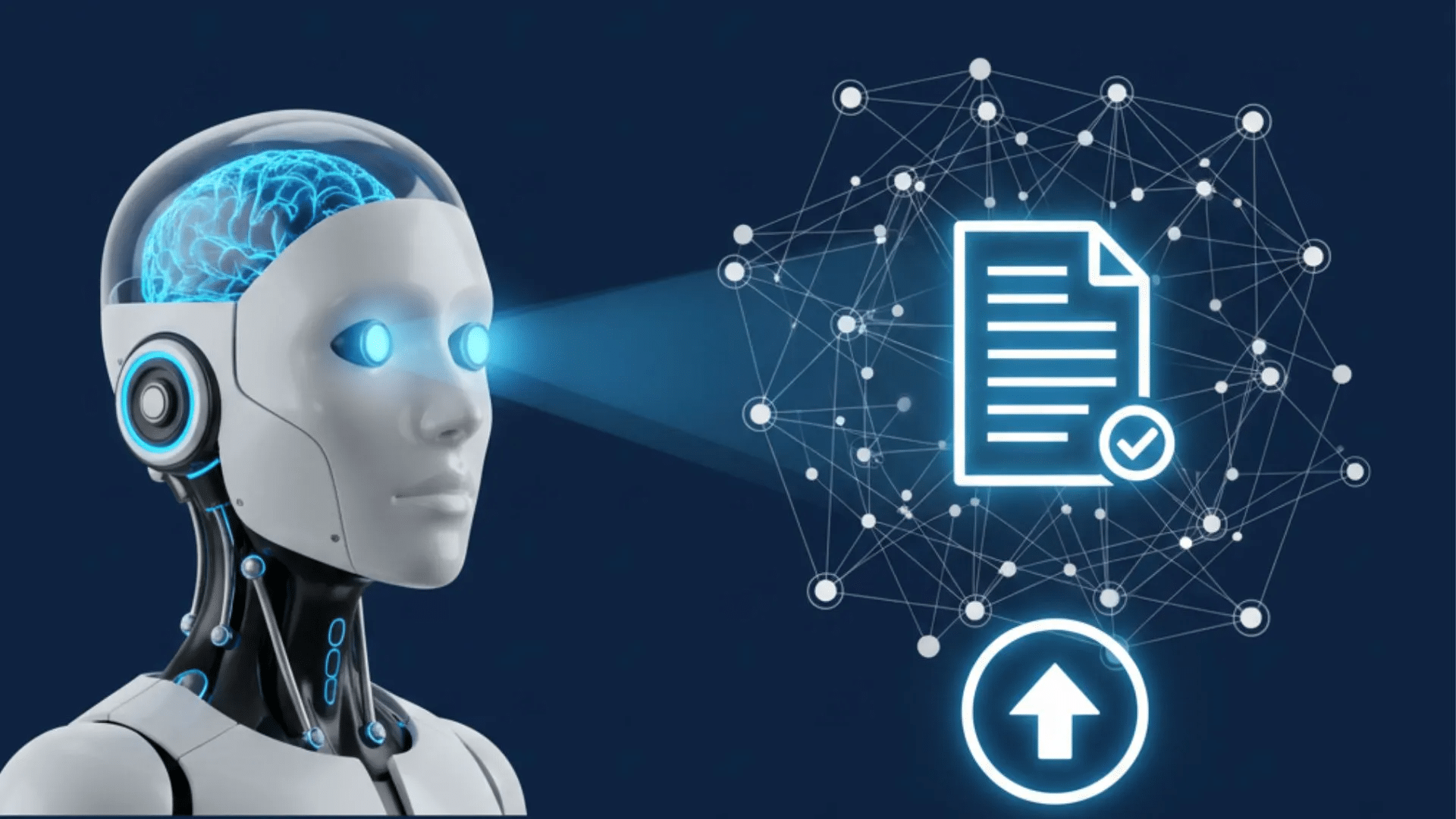
The Latest Ai Systems Use Probability Models to Crunch Millions of Data Points in Real Time.
This Lets Companies Predict Sales Trends, Detect Fraud Before It Happens, and Fine-Tune Everything from Supply Chains to Customer Offers.
One Thing I’ve Noticed: Even the Biggest Global Firms Trust These Algorithms with High-Stakes Decisions. the Mc Kinsey 2023 Ai and Forecasting Report showed that Fortune 500 Companies Using Ai-Enabled Analytics Improved Their Revenue Forecasting Accuracy by 20 Percent Over Traditional Methods.
This Edge Can Mean Millions Saved or Earned when Markets Shift Overnight.
Smart Contracts and Decentralized Risk
Blockchain Technology Brings Probability Analysis to The Heart of Financial Agreements Through Smart Contracts and Decentralized Prediction Markets.
Instead of Relying on A Middleman, Transactions Execute Automatically when Certain Conditions Are Met—removing Bias While Boosting Speed and Transparency.
The Rise of Crypto-Based Betting Platforms Shows how These Systems Apply Mathematical Probability to Determine Fair Odds and Payouts. According to Coin Desk 2024: Decentralized Prediction Markets, Growth in These Markets Is Tied Directly to How They Use Real-Time Probability Calculations to Keep Everything Honest and Efficient for Users Worldwide.
The Future: Quantum Probability and Market Dynamics
The Next Leap Is Already Underway with Quantum Computing Entering the Field of Probability Analysis.
This Technology Can Process Probabilities at Scales Classical Computers Simply Can’t Match, Making It Possible to Tackle Problems Like Portfolio Optimization or Cryptographic Security with New Precision.
A Nature 2024: Quantum Finance Models paper Highlighted Breakthroughs Where Quantum-Enhanced Models Pushed Past Old Forecasting Barriers in Finance—unlocking Insights Previously out Of Reach for Even the Largest Investment Firms.
If You’re Betting Your Business on Big Decisions, Keeping an Eye on These Advances Is No Longer Optional—it’s Critical for Staying Ahead of The Pack.
Conclusion
Probability Analysis Isn’t Just a Mathematical Exercise—it’s the Engine Behind Smarter Decisions, Fairer Pricing, and New Economic Possibilities.
As Industries Turn to Ai, Big Data, and Blockchain, the Ability to Interpret Probability Will Separate Those Who Seize Opportunities from Those Who Fall Behind.
Whether You’re Managing Risk, Building a Portfolio, or Simply Making Day-To-Day Choices, a Strong Grasp of Probability Equips You to Navigate Uncertainty with Confidence and Clarity.
The more technology advances, the more valuable this mindset becomes for anyone facing high-stakes decisions in an unpredictable world.