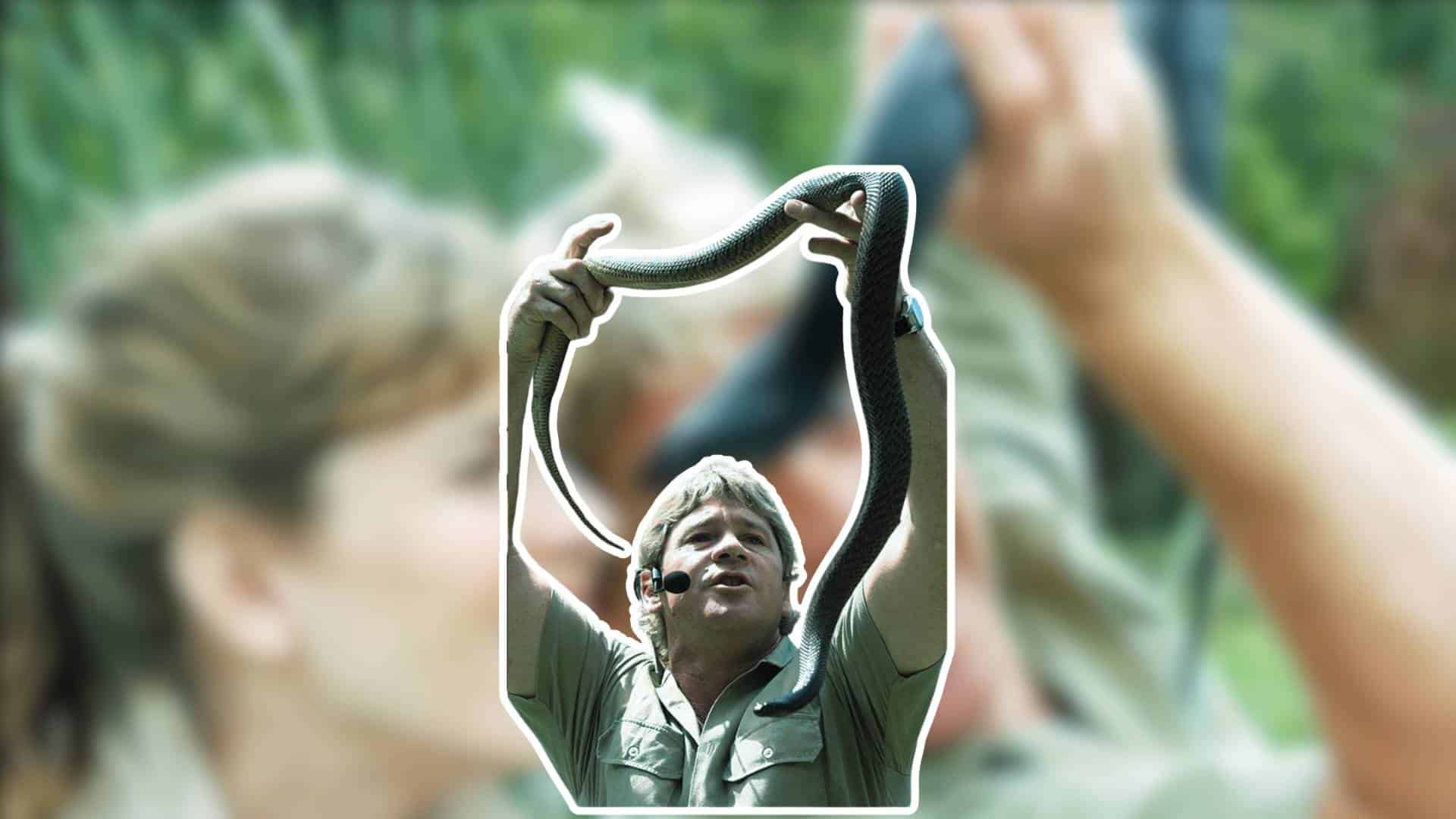
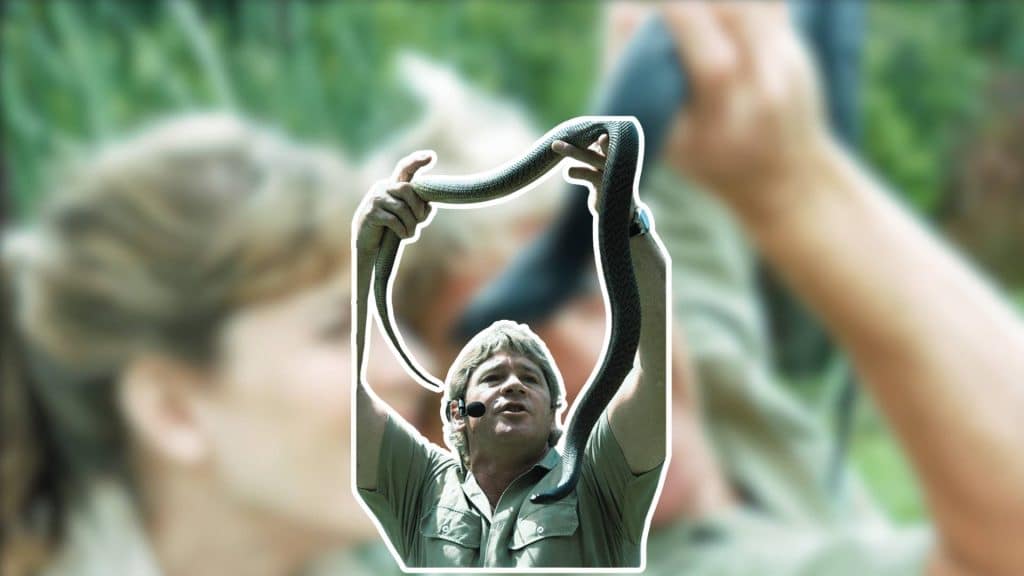
Steve Irwin survived thousands of encounters with deadly animals. He handled venomous snakes, grabbed crocodiles, and got up close with creatures most people fear. So when he died, many assumed venom was involved. It wasn’t.
His death on September 4, 2006,came from a stingray barb that struck his heart directly. That single injury caused massive internal bleeding. He was gone within minutes.
But the question around Steve Irwin and antivenom still comes up. Could antivenom have saved him? Does antivenom even exist for stingray stings?
This article breaks down the full picture, from how stingray venom works to when antivenom is actually used, and why it would not have changed anything on that day.
What Is Antivenom and How Does It Work?
Antivenom is a medical treatment used to counter the effects of animal venom. Doctors use it after bites or stings from snakes, spiders, scorpions, and some marine animals.
It works by introducing antibodies into the patient’s bloodstream. Those antibodies bind to venom toxins, preventing them from causing further damage. It works best when given quickly after a bite or sting.
Antivenom is produced by injecting small amounts of venom into horses or sheep. Their immune systems create antibodies. Those antibodies are then collected and refined into the treatment.
Not every venomous animal has a corresponding antivenom. Developing one takes years of research and testing. Many rare or less-studied species do not have one available at all.
Does Antivenom Exist for Stingray Stings?
No specific antivenom exists for stingray venom. This is a key fact when discussing Steve Irwin and antivenom.
Stingray venom contains a mix of proteins and enzymes. It causes sharp pain, tissue damage, swelling, and nausea. In some cases, it leads to muscle cramps or low blood pressure. The symptoms are serious but rarely fatal on their own.
Because stingray stings are rarely deadly, developing a dedicated antivenom has never been a medical priority. Treatment usually focuses on pain relief, wound care, and infection prevention. Hot water immersion is a common first-response method because heat breaks down the venom proteins.
So even if Steve had received immediate medical care, there was no stingray antivenom to give him.
Why Antivenom Could Not Have Saved Steve Irwin
This point matters most. Steve Irwin did not die from stingray venom. He died from a physical wound to his heart.
The barb from the short-tailed stingray punctured his chest cavity and tore through his heart. This severed his aorta. The result was rapid, massive internal bleeding.
No antivenom treats a torn heart. No injection stops blood loss from cardiac trauma. The injury itself was the cause of death, not any toxin in his system.
Cameraman Justin Lyons performed CPR on the boat immediately. Even with that fast response, nothing could repair the damage. Steve briefly said, “I’m dying,” before losing consciousness. He was pronounced dead at the scene.
The focus on antivenom in this case reflects a common misunderstanding. People assume that because stingrays are venomous, the venom killed him. The actual cause was the mechanical force of the barb striking a vital organ.
When Is Antivenom Used in Real Wildlife Cases?
Antivenom plays a critical role in many other animal encounters. Steve Irwin himself worked with animals that do have effective antivenoms available.
Common cases where antivenom is used:
- Snakebites: Australia has some of the most venomous snakes in the world. Antivenoms are available for species such as the Eastern Brown Snake, Tiger Snake, and Taipan.
- Funnel-web spider bites: Australian funnel-web spiders are highly dangerous. An effective antivenom has been available since 1980.
- Box jellyfish stings: Box jellyfish venom can cause cardiac arrest. Antivenom exists and can be life-saving when administered quickly.
- Stonefish stings: Stonefish are among the most venomous fish. A stonefish antivenom is available and used in Australia.
Steve regularly handled snakes at Australia Zoo. In those encounters, antivenom would have been on standby. His team understood that certain bites posed a real risk of venom, and they prepared accordingly.
Rare Cases Where Antivenom Changed the Outcome
There are documented cases where antivenom saved lives in dramatic circumstances.
In 2007, a zookeeper in the United States was bitten by a Gaboon viper. The snake’s fangs are among the longest of any species. Without rapid access to antivenom flown in from another facility, doctors said he would not have survived.
In Australia, lifeguards and paramedics are trained to carry box jellyfish antivenom during peak season. Several children stung in shallow coastal waters have survived because of fast antivenom administration.
Steve Irwin knew these risks well. He often spoke about the importance of having antivenom on-site during wildlife shoots. Australia Zoo maintained a medical kit that included antivenoms for the snakes and spiders on site.
His death, however, was a different type of tragedy entirely. It was not a venom case. It was a freak accident involving a physical impact on a vital organ.
What This Means for Wildlife Safety
Steve’s death prompted new safety conversations in the wildlife filming industry. Queensland introduced stricter safety protocols for productions involving dangerous animals after 2006.
Those changes focused on risk assessments, emergency response training, and equipment requirements. They did not focus on antivenom access for stingray encounters because stingrays are not venomous in most cases.
The lesson from Steve Irwin and antivenom is simpler than most expect. Venom was not the problem. The problem was proximity to a startled animal in a vulnerable position. Understanding that distinction matters for anyone working around wildlife.
Steve built his career on reading animal behavior. That day, conditions aligned in the worst possible way, and no treatment could have changed the outcome.
Conclusion
Steve Irwin and antivenom became a linked topic because of how he died. But the facts are clear. There is no antivenom for stingray venom. And even if there were, it would not have helped him. The barb struck his heart directly. That was the injury that took his life.
Antivenom remains one of the most important tools in wildlife medicine. It saves lives every year in encounters with snakes, spiders, and jellyfish. Steve understood its value better than most.
His legacy lives on through the work of his family at Australia Zoo and Wildlife Warriors.