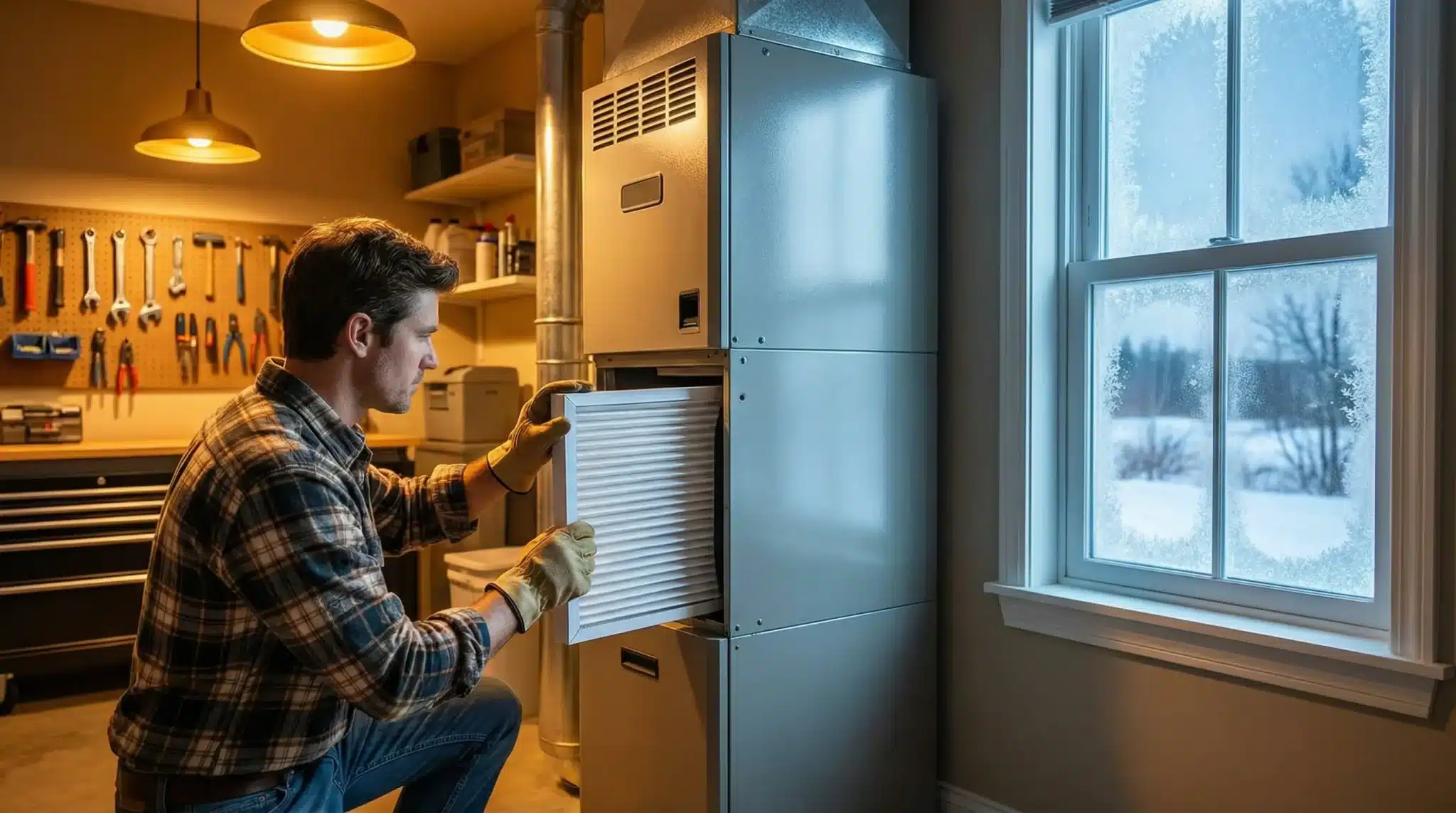
Storm prep is the best way to keep your house safe from high winds and rising water. Severe weather can hit at any time, leaving little room for last minute fixes. Taking action now means you can avoid the stress of a looming disaster. Early steps often make the difference between a minor cleanup and a total loss.
Every year brings new risks to homeowners across the country. One government report found that 18 named storms in 2024 led to 437 deaths and caused $130 billion in damage. This massive figure shows why early planning is a smart move for your family and your finances. Staying informed helps you stay ahead of the curve.
Protecting Your Windows
High winds can turn small debris into dangerous projectiles. Many people believe that certain DIY fixes will keep their glass from shattering. It’s important that you do not tape windows during a storm because it provides no real structural support. A popular insurance blog recently warned that taping glass doors or windows is a mistake to avoid. Relying on tape can actually create larger, more dangerous shards of glass if the window breaks.
Impact-resistant windows or sturdy shutters are the only way to go. These tools are built to withstand the pressure of a major hurricane. They keep the wind from entering your home and blowing the roof off from the inside. Proper installation is key to making sure these barriers work when you need them.
Managing Rising Flood Waters
Water can cause just as much harm as wind. Moving your most expensive items to higher ground is a good first step. Look at how your home is built to handle water flow. This prevents expensive furniture and electronics from being ruined by a few inches of rain.
A recent guide on flood resilience suggested that homeowners should place electrical outlets and switches above the expected flood level. This simple change can prevent electrical fires and total system failure. It makes the cleanup process much easier if water does get inside. Keeping your power grid dry is a top priority for safety.
Strengthening the Building Envelope
The outer shell of your house is your first line of defense. Small gaps in siding or trim can let in moisture that leads to rot. Checking these areas once a year helps you find problems before they grow. A strong exterior keeps the elements where they belong – outside.
- Seal cracks in the foundation
- Clear all gutters and downspouts
- Trim trees away from the roofline
- Check for loose shingles or tiles
Improving Indoor Safety
Staying safe inside means having the right setup for an emergency. Keep a kit with water, food, and batteries in a spot everyone can reach. Think about your flooring choices in areas prone to leaks. Hard surfaces like tile or vinyl handle moisture much better than carpet.
Having a clear plan for your family is just as important as the physical prep. Know where you will go if you have to leave quickly. Practice your exit routes so everyone knows what to do in the dark. This reduces panic when the power goes out.
Investing in Long Term Safety
Some upgrades cost money upfront but save you a fortune later. Better roofing materials and reinforced garage doors are great examples. A global study recently found that every $1 invested in prevention can stop $10 or more in future losses. This type of spending pays for itself the first time a storm hits your area.
Spending a little now prevents a huge headache after the clouds clear. Think of these tasks as an investment in your peace of mind. Your home is likely your biggest asset, so it makes sense to protect it. High quality materials last longer and perform better under pressure.
Dealing With External Pressure
Wind puts an incredible amount of stress on a structure. Vents are a smart way to manage this pressure in low areas of the house. According to a flood risk guide, vents let water flow through a crawlspace instead of pooling against the walls. This prevents the pressure from causing a total structural collapse.
When water is allowed to move, it does less damage to the foundation. This design concept is used in many coastal areas to save buildings from being pushed off their bases. It might seem odd to let water in, but it is better than a broken wall.
Finding Professional Help
Some jobs are too big for a weekend project. If you need to install heavy shutters or move gas lines, call a pro. A guide for hurricane readiness recently suggested identifying reputable contractors and suppliers before a storm actually hits. This saves you from the stress of a last minute search.
Having these names ready means you won’t be stuck at the bottom of a long waiting list. You can get your repairs done quickly and correctly. Pros have the right tools to make sure your home meets local building codes.
Tracking Insurance Costs
The cost of storms is rising for everyone. This includes the price of monthly premiums and the cost of building materials. One report from a global firm noted that the average annual loss for insurers reached $146 billion between 2017 and 2024. These numbers impact how much you pay for coverage.
Reviewing Your Policy
Check your policy to see if you have flood insurance. Many standard plans do not cover water damage from a rising tide or overflowing river. Adding this coverage can be a lifesaver if you live in a low-lying area. Talk to your agent about the specific risks for your zip code.
Documenting Your Belongings
Take photos of every room in your house before storm season starts. This proof makes the claims process go much faster. Keep these files in the cloud so you can get to them from anywhere. It is hard to remember everything you own when you are under stress.
Dealing With Storm Surge
A storm surge is a wall of water pushed toward the shore by strong winds. It can destroy the lower level of a home in minutes. A restoration blog mentioned that water infiltration and mold growth are clear signs of lasting damage from a surge. This type of flooding often carries salt and debris that ruins everything it touches.
Cleaning up after a surge requires specialized equipment. You have to dry out the walls quickly to stop mold from spreading. This is why having a plan for immediate repairs is so helpful. The faster you act, the more of your home you can save.
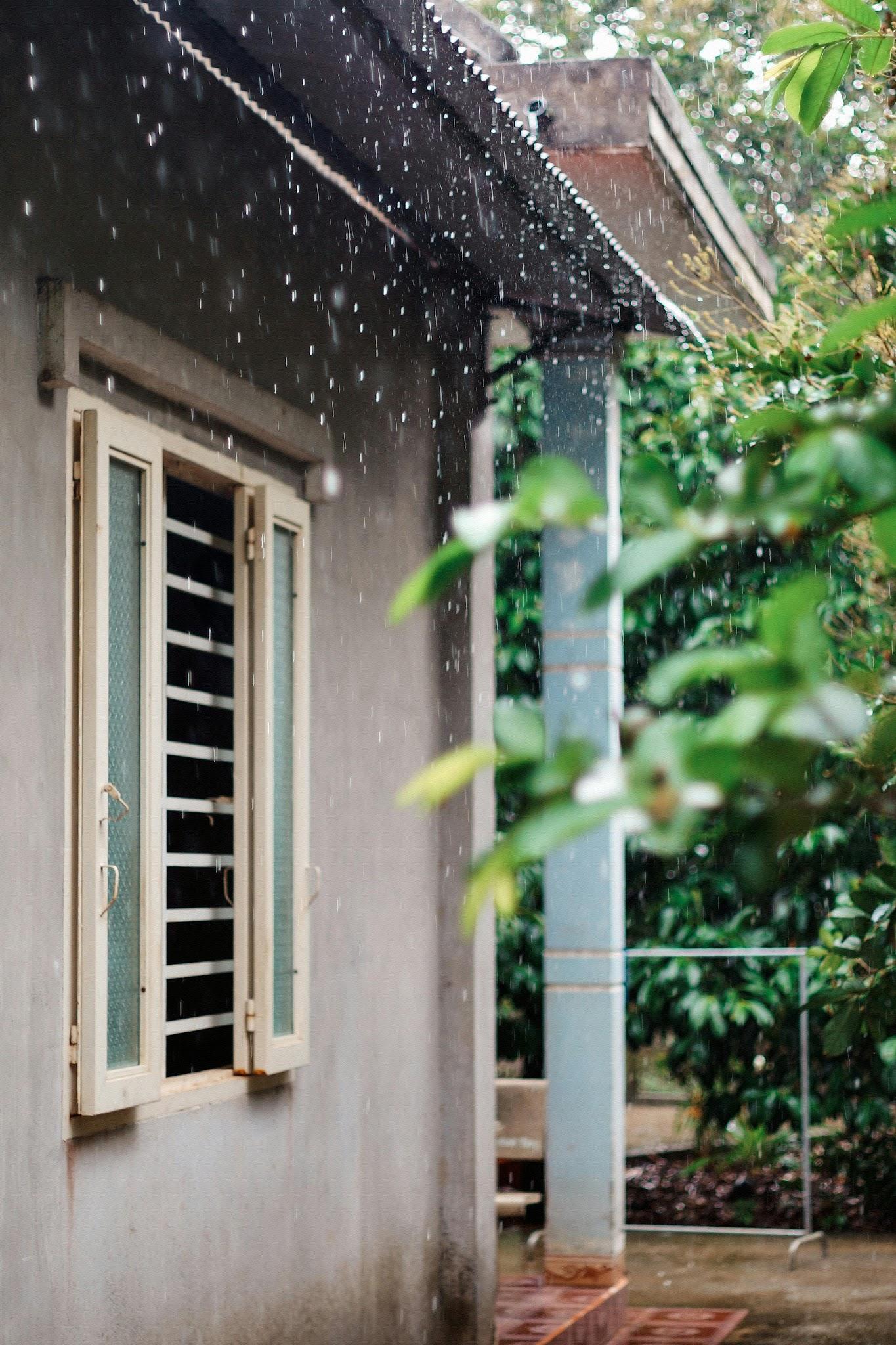
Prepping your property is about being ready for the worst while hoping for the best. These steps reduce the chance of losing your home to wind or water. Start your checklist today so you can rest easy when the wind starts to pick up. Staying ahead of the weather is the only way to keep your property truly safe. Your efforts today will protect your home for years to come.