

Open a sports betting app or online casino, and the platform checks one thing before much else: where you actually are. It’s matching your device to a real place before it decides whether access is allowed.
That location check separates a legal, licensed product from an instant block. In the US, online gambling rules are written state by state, so a user’s physical location becomes part of basic compliance.
A single signal isn’t enough for these systems. They combine several inputs to confirm where a device is sitting right then, and they also look for gaps or conflicts that suggest someone is trying to fake it.
GPS, IP Checks, and Wi-Fi Triangulation Work Together
Most platforms build a location profile from a handful of familiar signals. Each one answers a slightly different question.
- GPS (Global Positioning System): Uses satellites to estimate your location, often within a few meters.
- IP address: Suggests where your internet connection is routed from, based on your provider.
- Wi-Fi data: Compares nearby network identifiers to known, mapped locations.
GPS usually comes first, but it’s easy enough to manipulate with spoofing tools. That’s why operators compare it with other signals instead of trusting it on its own.
Say your phone reports Nevada through GPS while your IP address routes through Utah. That kind of mismatch will usually trigger a block.
Wi-Fi adds a separate check. Even if you never join every nearby network, your device can still detect them, and those identifiers can be matched against large location databases. The same kind of cross-checking shows up in cybersecurity basics, where conflicting device and network signals can point to tampering.
Some systems also incorporate cellular tower triangulation, which estimates position based on how a device connects to nearby cell towers.
State Borders Create Hard Stops for Betting Apps
Geofencing is the software rule that creates a digital border around a real place. If a device falls outside the approved area, access gets denied.
Near a state line, that can feel sudden. The software only cares which side of the border the device is on at that moment.
For example:
- In places like Primm, Nevada, stepping over into California can instantly cut off access because California has not legalized online sports betting.
- Along the New Jersey–Pennsylvania border, both states allow online gambling, but operators must be licensed separately in each state.
So a New Jersey-approved account may stop working in Pennsylvania, even if the person using it is only a short drive away. The geolocation system applies those licensing boundaries automatically.
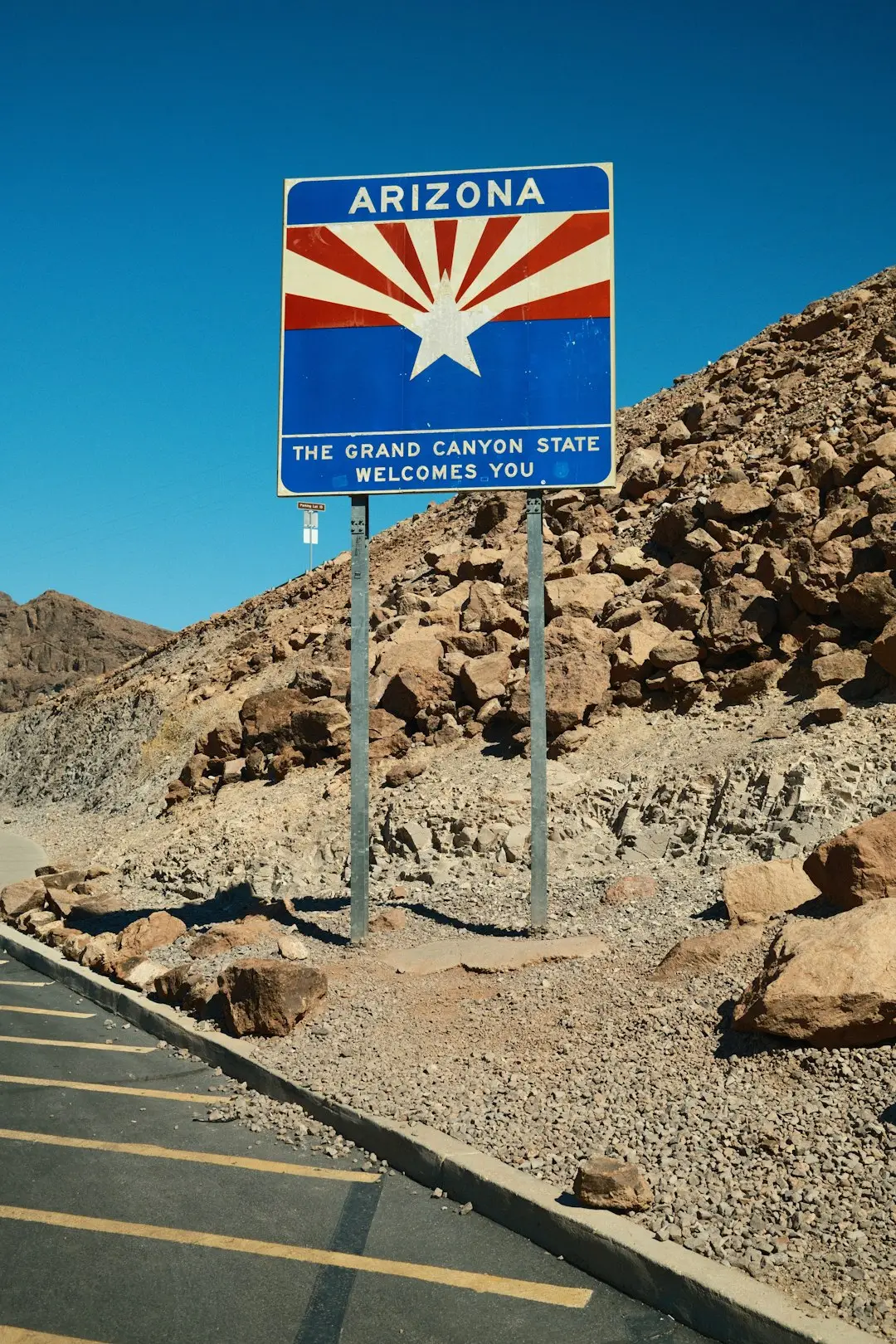
Caption: State borders can change app access instantly, even along the same road.
Location Spoofing Violates State and Federal Laws
Some users try to get around geofencing with VPNs or GPS spoofing apps. That usually breaks a platform’s terms, and it can create legal problems too.
At the federal level, the Federal Wire Act restricts certain gambling-related transmissions across state lines. If someone uses tools to appear in a legal state while physically sitting somewhere else, they may be creating the same kind of interstate issue these rules were written to prevent.
States take location fraud seriously as well. Regulators can pursue cases where a player intentionally misrepresents where they are to reach gambling products that are not allowed in that location. Depending on the facts, that can lead to account closure, forfeiture of funds, and fines.
Operators face their own exposure. Regulators such as the Nevada Gaming Control Board require “commercially reasonable” controls, and geolocation sits near the center of that requirement.
If an operator cannot reliably block out-of-state access, the result can be fines or licensing action.
Why These Rules Matter for Players and Operators
This all comes back to one basic fact: states regulate online gambling separately.
After the Supreme Court’s 2018 decision in Murphy v. NCAA, states had clearer authority to legalize sports betting within their own borders. That authority stops at the state line, so platforms need technical controls that can follow those lines closely.
For players, that explains why access can change so sharply between neighboring states. Someone looking into whether poker is allowed online in Washington is running into the same issue. Washington takes a stricter approach than many states, and location checks help enforce it. That’s why guides such as online poker Washington state spend so much time on what is allowed, what is not, and how state borders affect access.
For operators, location verification protects licenses and keeps compliance teams out of trouble. It also explains why platforms keep adding new signals. Newer systems may use device sensors and pattern checks, and some vendors apply machine learning models to spot structured interference and other signs of manipulation.
Conclusion
Geolocation tools work as a gatekeeper for online gambling in the US. By combining GPS, IP, Wi-Fi, and sometimes cellular data, platforms can draw tight borders around where their products are legally allowed.
For readers, the useful takeaway is fairly simple: access problems usually are not random glitches. More often, they are state licensing rules being enforced in real time. As more states expand or restrict online gambling, these location checks will keep shaping how apps work, especially near state lines and in stricter jurisdictions.