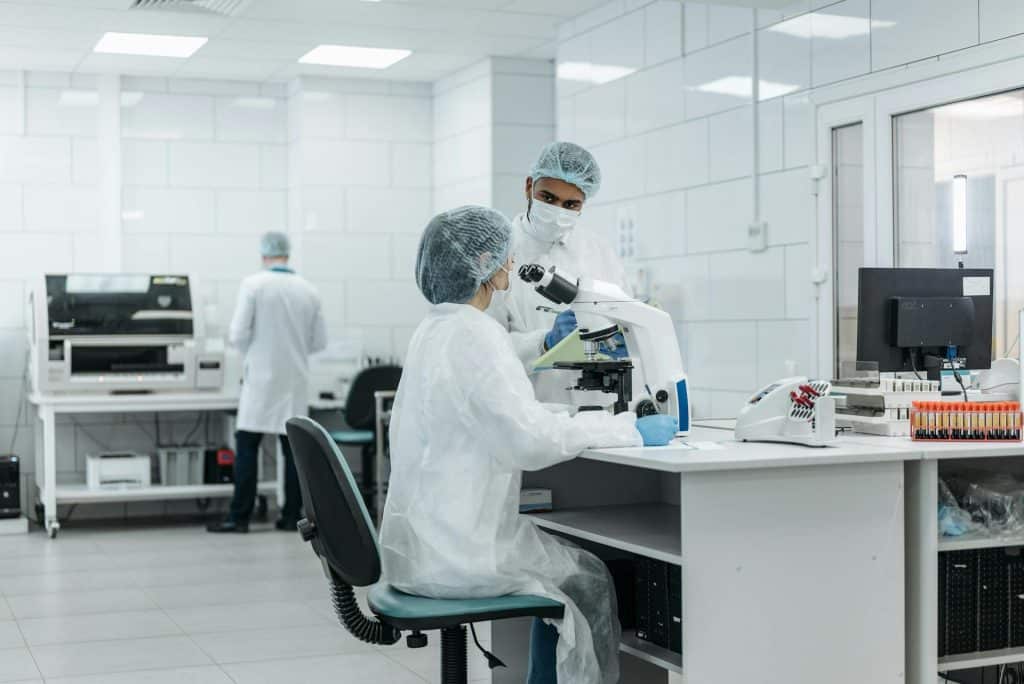
Biotechnology has quietly reshaped how we understand disease, develop treatments, and deliver care to patients. What once took decades of trial and error can now happen in years or even months, thanks to advances in genetics, data analysis, and lab technologies. These breakthroughs are not just happening in research facilities. They are directly influencing diagnostics, personalized medicine, and the way patients experience healthcare.
For professionals working in health, research, or adjacent fields, keeping up with these changes is less about chasing trends and more about understanding how foundational technologies are evolving. Let’s discover some key biotech advances that are shaping both medical research and patient care.
Clonal DNA and Its Role in Advancing Medical Research
At the core of many biotech breakthroughs is the ability to work with highly precise genetic material. Clonal DNA plays a critical role in this process, serving as a reliable and reproducible genetic template for research and development. This type of DNA is produced and used to support consistency in experiments, diagnostics, and therapeutic development.
Clonal DNA refers to identical copies of a specific DNA sequence that have been replicated from a single source. This uniformity is essential in research settings where variability can skew results or slow progress. By working with clonal DNA, scientists can study gene function, protein expression, and mutation effects with far greater confidence.
In practical terms, clonal DNA supports advances in areas such as gene therapy, vaccine development, and molecular diagnostics. It allows researchers to isolate variables and focus on cause-and-effect relationships at the genetic level. This precision not only accelerates discovery but also improves safety, since therapies developed using consistent genetic material are easier to validate and reproduce.
Artificial Intelligence in Healthcare and What it Means for Patients
While genetics drives innovation at the molecular level, artificial intelligence is reshaping how medical data is interpreted and applied. AI is no longer just a research tool. It is becoming part of everyday patient care.
AI systems in medicine are now used to analyze imaging scans, identify patterns in patient data, and support clinical decision-making. In diagnostics, machine learning models can detect early signs of disease that might be missed by the human eye, particularly in areas like radiology, pathology, and cardiology.
For patients, this can mean earlier diagnoses, more accurate risk assessments, and treatment plans that are tailored to individual profiles. At the same time, it raises important questions around transparency, data privacy, and how much decision-making should be automated versus clinician-led.
The most effective AI applications in healthcare are those that support, rather than replace, medical professionals. When combined with human expertise, AI helps reduce cognitive overload and allows clinicians to focus more on patient interaction and complex judgment calls.
Gene Editing and Precision Therapies
Another major biotech advancement transforming research and care is gene editing. Technologies such as CRISPR have made it possible to modify specific genes with remarkable accuracy. This capability has opened new doors in treating genetic disorders that were once considered untreatable.
In research, gene editing allows scientists to model diseases by introducing or correcting mutations in cells. This accelerates the study of disease progression and drug response. In clinical settings, early gene therapies are already being used to treat certain inherited conditions, with many more in development.
Precision therapies based on genetic insights aim to address the root cause of disease rather than just managing symptoms. While ethical and regulatory considerations remain important, the momentum behind gene editing reflects a broader shift toward more targeted and durable treatments.
Biomanufacturing and the Scalability of Innovation
Breakthroughs in research only matter if they can be translated into real-world treatments at scale. Biomanufacturing has evolved to meet this challenge, using automation, advanced cell culture techniques, and quality control systems to produce biologics efficiently and safely.
Modern biomanufacturing supports the production of vaccines, monoclonal antibodies, and gene therapies at volumes that make widespread patient access possible. Improvements in this area have been especially visible in recent years, as global health needs demanded rapid and reliable production.
For patient care, scalable biomanufacturing means faster access to treatments and more consistent quality. For researchers, it closes the gap between discovery and delivery.
Integrating Biotech Innovation Into Patient-Centered Care
As biotech advances continue to accelerate, one of the most important considerations is how they are integrated into patient care in a way that feels ethical, accessible, and human. Technology alone does not improve outcomes unless it aligns with patient needs and clinical realities.
This integration requires collaboration between researchers, clinicians, technologists, and patients themselves. Education plays a key role, helping patients understand new tools and therapies so they can make informed decisions about their care. When biotech innovation is paired with clear communication and thoughtful implementation, it has the potential to not only extend life but also improve quality of life.