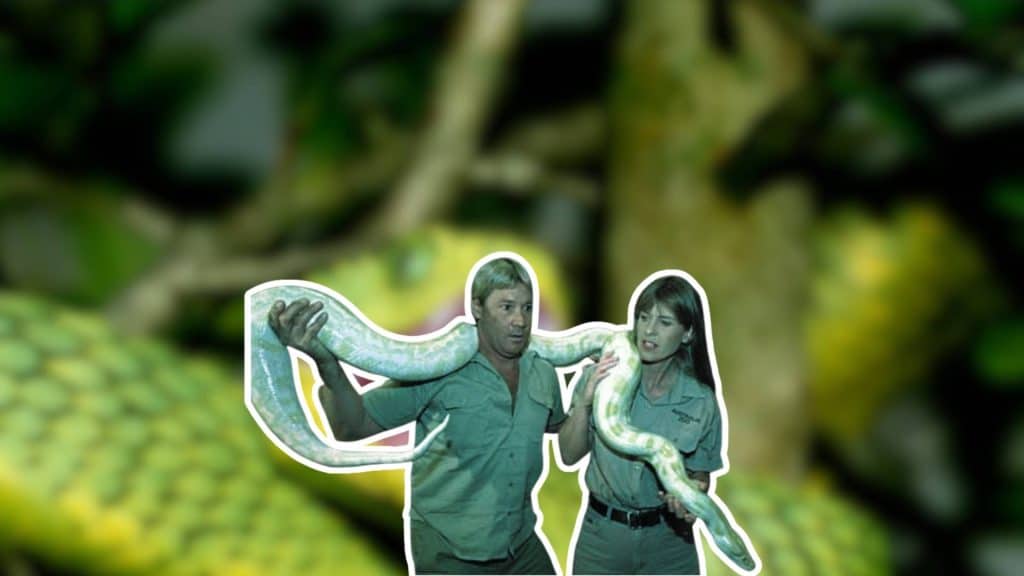
Steve Irwin spent over 30 years working with some of the most dangerous animals on the planet. He caught crocodiles with his bare hands. He picked up venomous spiders on camera. And he handled hundreds of snakes, including some of the deadliest species in Australia.
So did Steve Irwin ever get bitten by a venomous snake? Yes. He was bitten multiple times over the course of his career. He treated it as part of the job.
What makes his story remarkable is not just that he survived those encounters. It’s how he responded to them. Calm. Focused. Always more interested in the animal than in his own pain. It is worth noting that snakes were never what claimed his life.
He died from a stingray barbto the heart during a filming expedition in 2006.
This article examines what we know about Steve Irwin and venomous snake bites, which species he regularly handled, and what those close calls reveal about the man.
Steve Irwin’s Relationship With Snakes
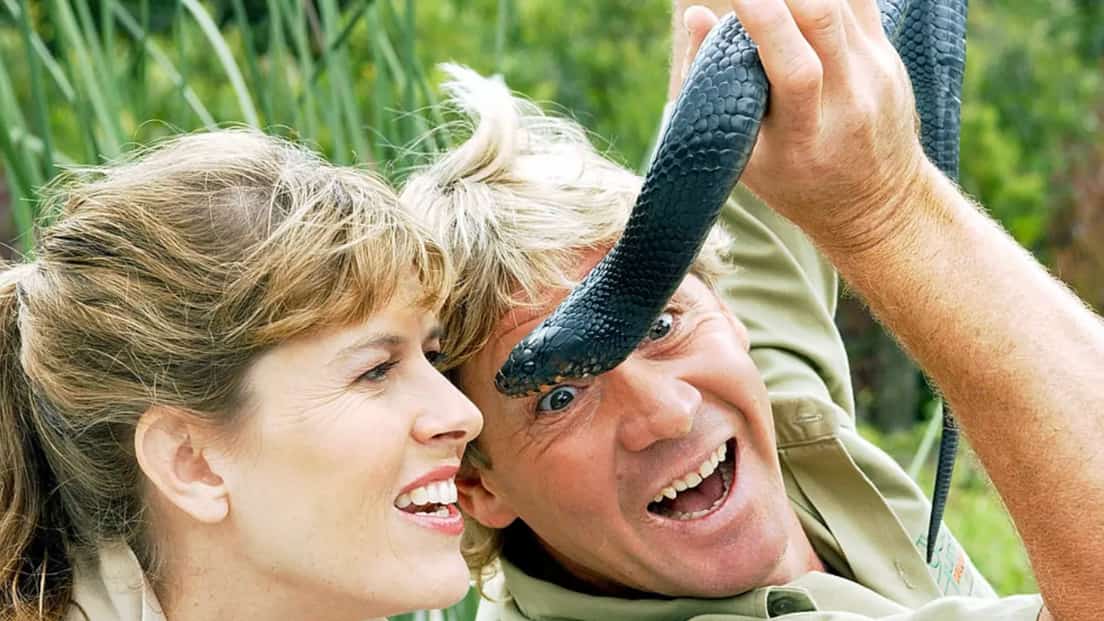
Snakes were part of Steve’s life from childhood. His parents ran a reptile park in Queensland. Steve was handling snakes before most children his age were riding bicycles.
By the time he started filming The Crocodile Hunter, he had years of hands-on experience with Australia’s most venomous species. He knew their behavior. He understood how they moved and when they were likely to strike.
Australia is home to many of the world’s most venomous snakes. The Eastern Brown Snake, the Inland Taipan, and the Tiger Snake are all found there. Steve handled all of these species at various points in his career.
His approach was always about respect. He never handled a snake carelessly. He moved slowly and deliberately. He understood that bites happened not because snakes were aggressive, but because they felt threatened.
Did a Venomous Snake Ever bite Steve Irwin?
Yes. Steve confirmed in interviews that he had been bitten by snakes multiple times. He treated this openly rather than hiding it.
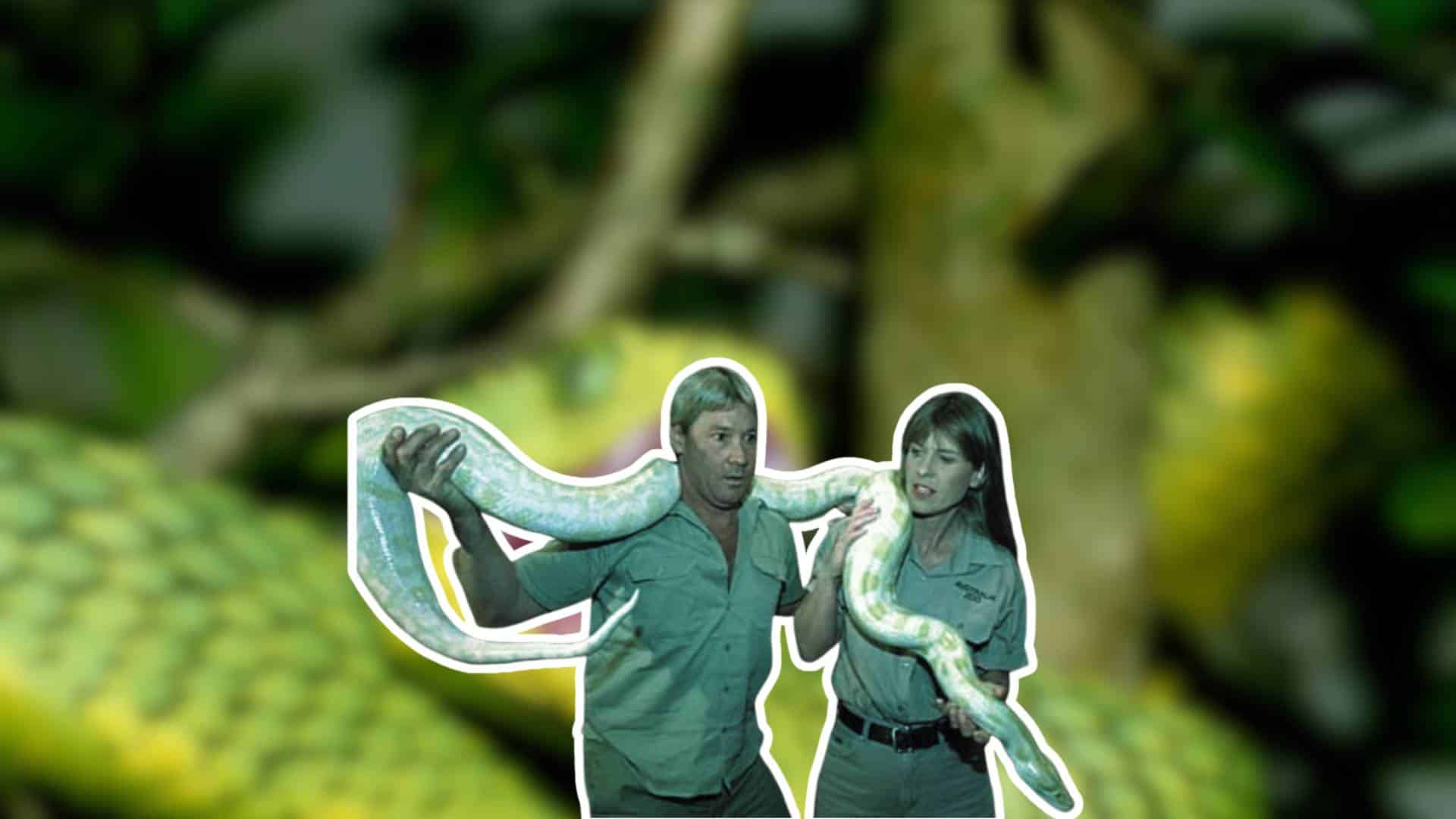
In one documented case, Steve was bitten by a python during filming. Pythons are not venomous, but they are powerful constrictors with sharp teeth. That bite drew blood and required wound care.
Steve also acknowledged being bitten by smaller venomous species over the years. He described these experiences as part of learning. He said that every bite taught him something about the animal’s behavior and his own positioning.
He was never bitten by one of Australia’s top-tier deadly species in a way that required emergency hospitalization, based on publicly available information. But he was not immune to bites. He prepared carefully and responded calmly when they happened.
Which Venomous Snakes Did Steve Handle Most Often?
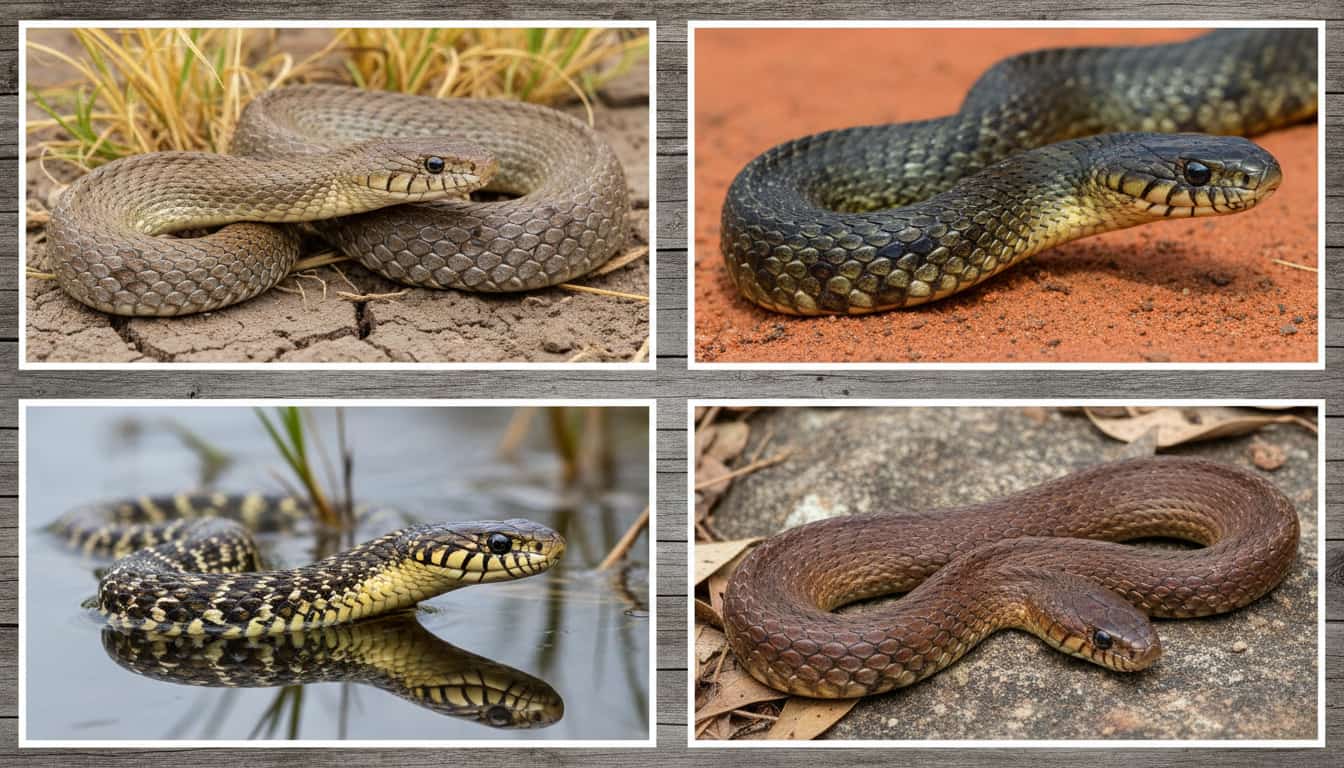
Steve worked with a wide range of venomous snakes throughout his career. Some of the most notable include:
- Eastern Brown Snake: One of the most venomous land snakes in the world. A single bite can cause rapid failure of the blood clotting system. Steve handled these regularly at Australia Zoo and on location shoots.
- Taipan: The Coastal Taipan and Inland Taipan both appear in Steve’s documented work. The Inland Taipan is considered the most toxic snake species by venom potency. Steve handled it on multiple occasions.
- Tiger Snake: Common in southern Australia, the Tiger Snake has powerful neurotoxic venom. Steve demonstrated safe handling techniques with this species on camera on multiple occasions.
- King Brown Snake (Mulga Snake): Despite the name, this is not closely related to the Eastern Brown. It delivers large amounts of venom in a single bite. Steve handled these in the wild during filming expeditions.
Each encounter required steady hands and a clear read of the animal’s behavior. One wrong move with any of these species could have ended his career or his life.
How Did Steve Stay Safe During Snake Handling?
Steve followed a consistent set of principles when working with venomous snakes. These were not rules he read in a textbook. They came from decades of direct experience.
- Read the animal first. Before touching a snake, Steve observed its body language. A coiled posture, a flattened neck, or rapid tongue movement all signaled an alert state. He waited until the animal showed less tension before moving in.
- Control the head. The bite comes from the head. Steve always secured the head first when handling a venomous snake. His grip was firm but not rough. He avoided squeezing, which could cause the snake to panic and strike harder.
- Work fast but not rushed. Steve moved with speed and confidence. Hesitation makes animals nervous. A calm, decisive approach gave the snake less reason to feel threatened.
- Keep antivenom close. For venomous species, his team always had the appropriate antivenom on hand. Australia Zoo maintained a full medical supply. Film crews carried emergency kits during location shoots.
These habits kept him safe through thousands of encounters. The one time his preparation could not help him, it was not a snake that took his life.
What Happened When Things Went Wrong?
Steve acknowledged that even experienced handlers get bitten. He spoke about this honestly in interviews and on camera.
He described his reaction to bites as focused rather than panicked. His first step was always to stay calm, which slowed his heart rate and reduced venom circulation. His second step was to assess the bite, identify the species if possible, and get medical help if needed.
His team was trained to respond quickly. Bystanders or crew members were briefed on emergency procedures. This preparation reduced the window between a bite and treatment.
Steve also wore protective clothing in certain situations. Long boots and thick gloves provided some protection during high-risk fieldwork. But in many filmed segments, he worked bare-handed because heavy gloves reduced his sensitivity and control.
The Broader Picture of Snake Safety
Steve Irwin used every close call as a teaching moment. He wanted his audience to understand that venomous snakes are not monsters. They are animals responding to their environment.
Most snake bites happen because humans panic or provoke the animal. Steve’s method was the opposite. Slow down. Respect the space. Let the snake show you what it needs before you act.
He trained staff at Australia Zoo in these same techniques. The zoo has one of the most experienced reptile teams in Australia. That knowledge came directly from Steve’s hands-on work and his willingness to share what he learned.
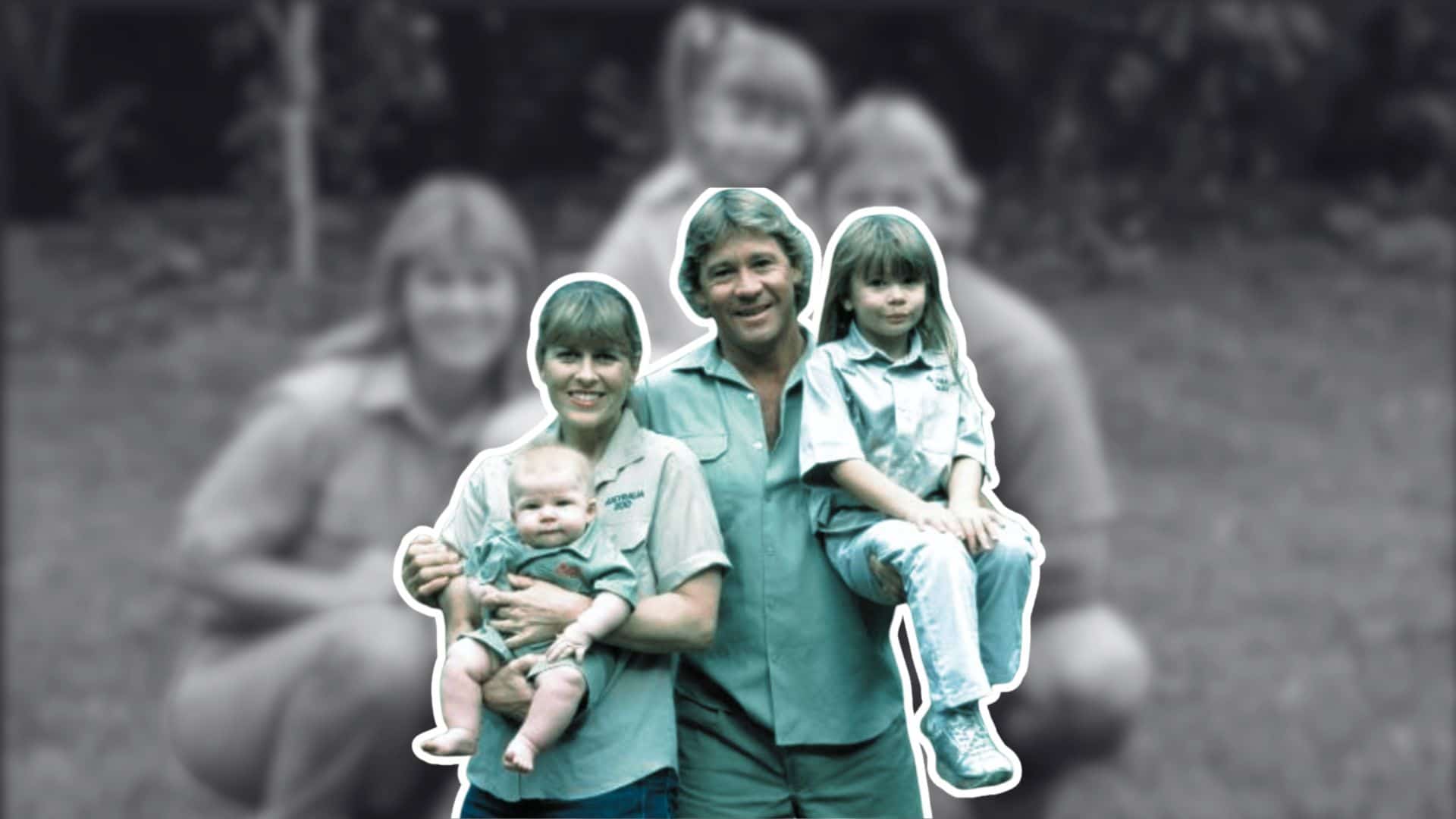
His daughter, Bindi, and son, Robert, have both continued working with snakes. Robert, in particular, handles them on camera regularly and uses the same calm approach that defined his father’s work.
Conclusion
Did Steve Irwin ever get bitten by a venomous snake? Yes, and he spoke openly about it. Those experiences shaped how he understood animals and how he taught others to approach them.
Snake bites were a risk he accepted. He managed that risk through preparation, skill, and respect for every animal he encountered. His methods and the care taken around venomous species at Australia Zoo are a direct part of his legacy.
His team always kept antivenom on standbyduring snake handling sessions. That preparation was a core part of how Steve worked safely for so many years.