
Personal safety is no longer a topic reserved only for law enforcement. More civilians are asking serious questions about protection, and body armor is part of that conversation.
Understanding what the law actually says, what different armor types protect against, and which products meet federal standards is now practical knowledge for everyday Americans.
Is It Legal for Civilians to Own Body Armor?
Under federal law, most law-abiding civilians can legally purchase and wear body armor in the United States. The key restriction is that convicted felons are prohibited from owning it.
State-level rules vary. California (as of January 2024) extended purchase restrictions to anyone barred from firearm ownership. Connecticut requires all sales to be completed in person. New York limits purchases to approved professions.
Before buying, always verify your state’s current statutes. The legal landscape has been evolving, and compliance is the buyer’s responsibility.
NIJ Ratings Explained: What Protection Level Do You Need?
The National Institute of Justice (NIJ) sets the standard for body armor certification in the United States. A product’s NIJ rating tells you exactly what threats it is tested to stop.
According to the NIJ, ballistic-resistant soft body armor has saved the lives of more than 3,000 police officers over the past three decades. The same technology is now widely available to civilians.
|
NIJ Level |
Armor Type |
Stops |
Best For |
|---|---|---|---|
|
Level II |
Soft |
9mm, .357 Magnum |
Low-risk, lightweight daily use |
|
Level IIIA |
Soft |
.44 Magnum, .357 SIG, 9mm |
Civilian EDC, law enforcement |
|
Level III |
Hard plate |
7.62mm FMJ rifle rounds |
Tactical, high-risk roles |
|
Level IV |
Hard plate |
.30 caliber armor-piercing |
Military, active combat zones |
For most civilians and off-duty professionals, NIJ Level IIIA soft armor provides practical, everyday protection without sacrificing comfort or mobility.
What Experts Are Saying
“NIJ ratings give buyers a baseline of trust. Without them, armor marketing would be the Wild West.”
U.S. Armor Corporation, body armor manufacturer and NIJ-certified testing specialist
“It is 100% legal for law-abiding civilians to wear, purchase, and own body armor. Many believe otherwise because some companies restrict sales by policy, not by law.”
Safe Life Defense, NIJ-certified body armor manufacturer
Soft Armor vs. Hard Armor: A Side-by-Side Comparison
|
Feature |
Soft Body Armor |
Hard Body Armor |
|---|---|---|
|
Weight |
Lightweight (1-3 lbs) |
Heavy (6-16+ lbs) |
|
Concealability |
Worn under clothing |
External plate carrier |
|
Threat Rating |
NIJ Level II to IIIA |
NIJ Level III to IV |
|
Threats Stopped |
Handgun rounds |
Rifle rounds |
|
Best For |
Daily civilian use |
Tactical/military roles |
|
Mobility |
High |
Restricted |
|
Lifespan |
5 years avg. |
5-10 years |
Soft armor wins for most non-tactical civilian applications. It is discreet, wearable all day, and protects against the most statistically common threats faced in urban environments.
Video: Body Armor Explained for Civilians
This overview from Safe Life Defense covers armor types, NIJ levels, and how to choose the right protection for your lifestyle.
Watch: Safe Life Defense Body Armor Overview (YouTube)
5 Things to Check Before You Buy
1. NIJ certification — Only buy armor that has been independently certified by a NIJ-accredited ballistics laboratory.
2. State law compliance — Verify your state’s current rules before purchasing, especially if you have any prior convictions.
3. Threat level match — Choose your protection rating based on realistic threat assessment, not the highest number available.
4. Fit and comfort — Armor that does not fit correctly will not protect you correctly. Always measure and consult sizing guides.
5. Manufacturer reputation — Products with published ballistic test results from third-party labs are the only credible option.
A Trusted Option Worth Knowing About
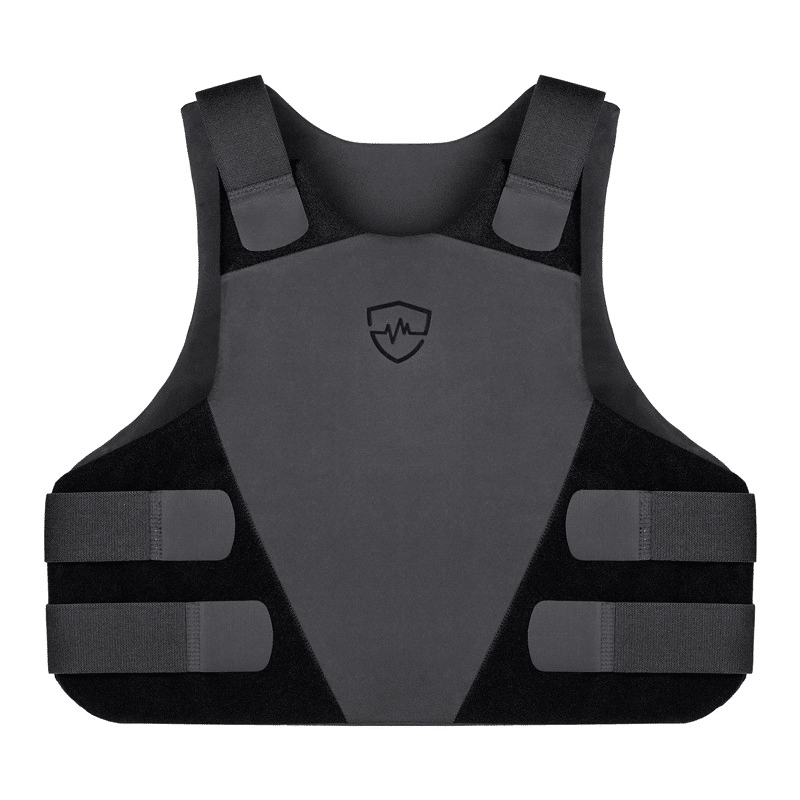
For civilians, security professionals, and law enforcement looking for NIJ-certified protection, Safe Life Defense is one of the most recognized names in soft body armor. Their products are tested at an NIJ-accredited lab and ballistic results are published publicly on each product page.
Their IIIA and IIIA+ armor lines cover everything from standard handgun threats to armor-piercing rounds and stab resistance, making them a versatile choice for a wide range of users.
Related Reading on Concord P2C
Understanding Gun Laws in America
Law and Personal Protection: What Every Citizen Should Know
Frequently Asked Questions
Can anyone legally buy body armor in the US?
Yes, in most states. Federal law permits law-abiding, non-felon civilians to own body armor. State laws add restrictions in some jurisdictions, including California, Connecticut, and New York. Always verify local statutes before purchasing.
What is the best NIJ level for everyday civilian use?
NIJ Level IIIA soft armor is the most practical choice for most civilians. It stops the majority of common handgun threats and is light enough for all-day wear under clothing.
How long does body armor last?
Most soft body armor has a manufacturer-recommended lifespan of five years. Hard armor plates can last five to ten years depending on the material and usage. Always follow manufacturer guidance and inspect regularly.
Is body armor the same as a bulletproof vest?
The term bulletproof is technically inaccurate. No armor stops all threats. Body armor is ballistic-resistant, designed to reduce injury by absorbing and dispersing impact energy from specific rounds at specific velocities.
Do I need a background check to buy body armor?
Federal law does not currently require a background check for body armor purchases. However, California (as of 2024) now requires retailers to conduct background checks before completing a sale.
Knowing the law, understanding your options, and choosing certified gear are the three steps that separate smart preparation from guesswork.