With energy costs steadily rising, homeowners are seeking more reliable and cost-effective ways to manage expenses. One of the best investments for long-term savings is upgrading older heating systems to more efficient technology. Modern heating solutions use less energy, last longer, and make homes more comfortable. Knowing when and how to upgrade is key to maximizing both savings and comfort, especially in regions with significant seasonal temperature swings.
Early planning and professional assistance are essential for getting the most out of your heating upgrade. Homeowners in warmer climates, like Arizona, can also benefit from choosing the right system for their environment. For those considering a furnace replacement in Phoenix, AZ, it’s important to understand the available options and what to expect in terms of energy savings and installation.
Understanding Energy-Efficient Heating Systems
Energy-efficient heating systems are designed to deliver the same or improved levels of comfort while using less fuel or electricity. Heat pumps are among the most efficient options on the market, using technology that transfers heat rather than generating it from scratch. This method can reduce energy use by up to 50 percent compared to traditional furnaces, according to the U.S. Department of Energy. These units are not only more efficient but also tend to require less maintenance and provide cooling during summer months, in addition to heating in winter.
Other options include high-efficiency gas furnaces, which feature variable-speed blowers and advanced heat exchangers to extract more heat from the same amount of fuel. These systems are ideal for climates where heat is frequently needed and can be paired with smart thermostats to further improve efficiency in daily use.
Financial Benefits of Upgrading Your Heating System
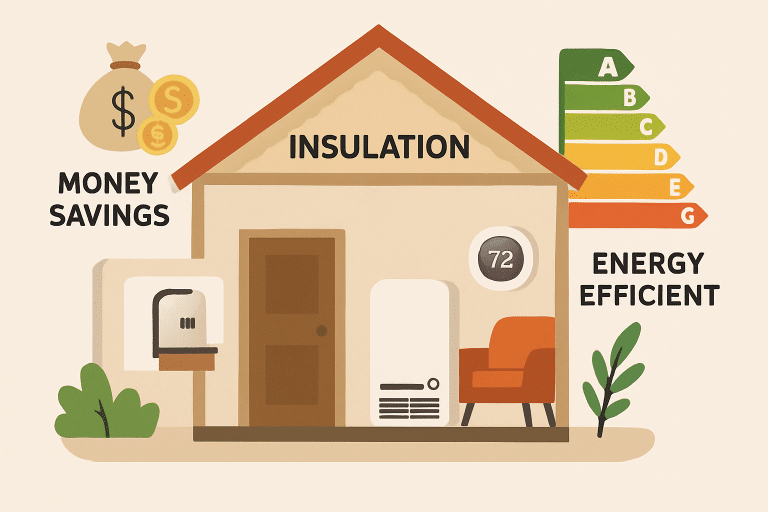
Financial savings are a major factor in why many homeowners decide to upgrade their home heating systems. Studies and case reports show that investing in an energy-efficient heating solution can dramatically reduce monthly bills. For instance, after installing new insulation and sealing ducts, a homeowner in Chicago cut her heating bill by over 50 percent and saved more than $100 each month. Aside from direct monthly savings, these upgrades can reduce the long-term costs associated with equipment repairs and add tangible value to your home during resale.
Investing in a new, efficient heating system is also likely to improve indoor air quality and reduce the likelihood of breakdowns during periods of heavy use. Many modern systems include built-in diagnostics that help homeowners address issues before they become costly.
Government Incentives, Rebates, and Tax Credits
To encourage energy conservation, federal and local governments offer a range of rebates, incentives, and tax credits to help offset the cost of efficient heating installations. For example, the Inflation Reduction Act allows homeowners to claim a 30 percent tax credit, up to $2,000, for eligible heat pump installations. Many municipalities and energy providers offer additional financial rebates as part of broader energy-saving initiatives. In San Francisco, residents who upgrade to high-efficiency heat pump water heaters can access up to $1,200 in bill credits. These programs are constantly evolving, so homeowners are encouraged to research the latest opportunities prior to making a purchase.
Additional Energy-Saving Measures
Upgrading a heating system is just one piece of the puzzle for homeowners hoping to reduce energy costs. Several complementary actions can drive even more savings. Properly sealing air leaks around windows, doors, and vents using caulk or weatherstripping is a highly effective method to minimize heat loss. Similarly, adding new or upgraded insulation in attics, walls, and floors can lead to annual savings of ten to forty-five percent on total heating and cooling expenses.
- Seal Air Leaks: Prevents drafts and retains heat in living spaces, reducing the need for the furnace to run as often.
- Upgrade Insulation: Reduces the workload on your heating system, leading to significant energy and cost savings over time.
- Install a Smart Thermostat: Adjusts your home’s heating schedule automatically for optimal comfort and energy savings, using advanced controls and predictive algorithms.
Choosing the Right Heating System for Your Home
The ideal heating system for your home depends on key factors, including regional climate, home size, insulation quality, and existing infrastructure. For instance, homes in colder climates may require more robust solutions, such as high-efficiency gas furnaces, while those in temperate or warmer regions may benefit most from a well-designed heat pump system. Engaging with a qualified HVAC professional will help you evaluate options tailored to your unique needs, budget, and any features important to your family’s comfort and safety.
Professionals can also assist with load calculations, installation requirements, and ensure that all work is performed in accordance with local codes and standards. They can help you make the most of the rebates and incentives available in your area.
Conclusion
Upgrading your home’s heating system to a modern, energy-efficient model is one of the smartest and most effective steps you can take as a homeowner. Not only do you benefit from lower monthly energy costs and a more comfortable living space, but you are also contributing to broader environmental goals through reduced energy consumption. When paired with other efficiency improvements and by taking advantage of available tax credits and incentives, a new heating system delivers significant benefits today and for years to come.