Commercial buildings must operate efficiently to support productivity, safety, and long-term value. As systems age and usage demands increase, performance can decline without strategic upgrades and professional oversight. Addressing core operational areas helps property owners maintain consistent functionality while reducing unexpected disruptions.
Improving building performance is not about a single fix but a coordinated approach across structural, mechanical, and operational systems. When these elements work together, buildings remain reliable, adaptable, and better equipped to meet tenant and regulatory expectations.
Building Automation And Control Systems
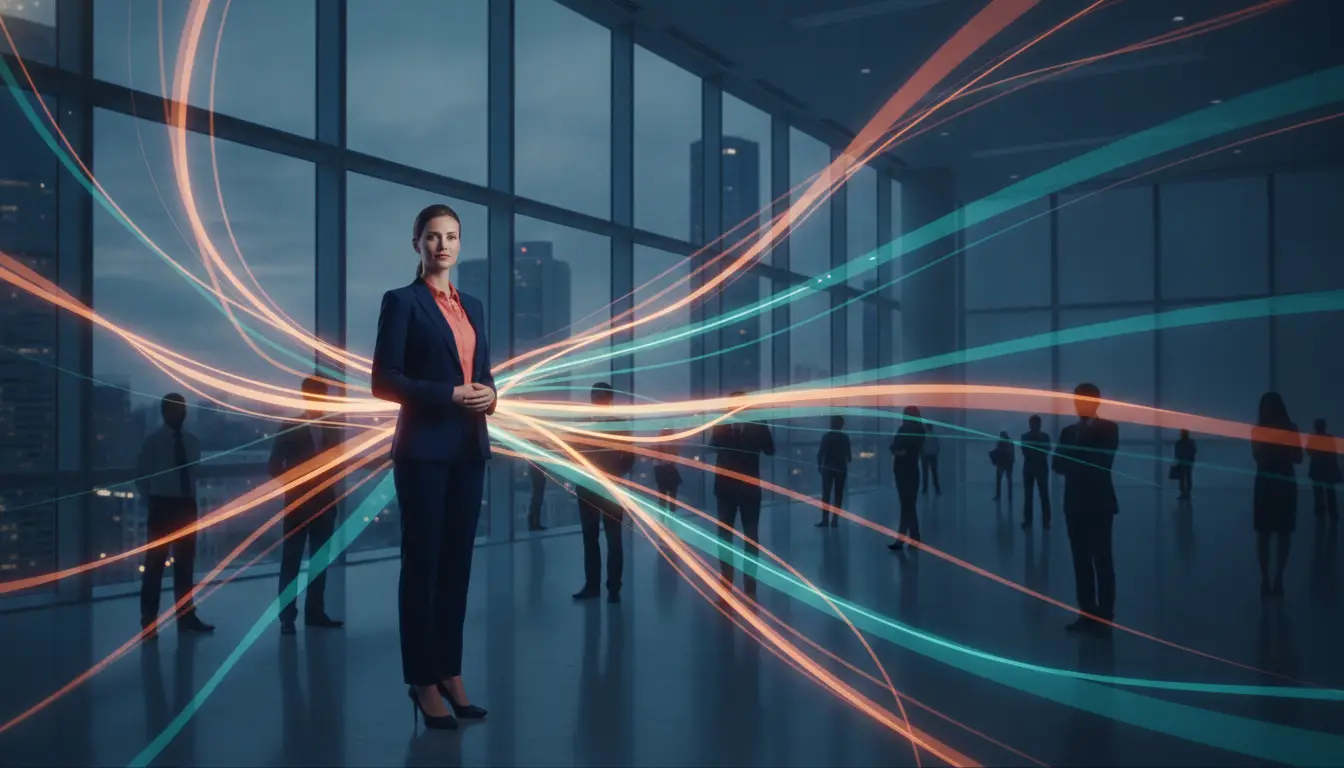
Modern building automation systems allow centralized control over lighting, HVAC, and energy usage. These systems adjust performance based on occupancy and time of day, limiting waste while maintaining comfort. Automation reduces reliance on manual adjustments and improves consistency across the property.
Data collected through automation platforms helps facility managers identify inefficiencies early. Trends in energy use or equipment behavior reveal where adjustments or maintenance may be needed. This proactive insight supports better planning and resource allocation.
Automated controls extend equipment lifespan by preventing overuse and improper operation. Balanced system performance reduces strain on individual components, contributing to smoother daily operations and fewer service interruptions.
Vertical Transportation And Mobility Solutions
Elevators and mobility systems play a direct role in daily building efficiency in multi-story properties. Reliable operation supports smooth traffic flow and minimizes delays that disrupt routines. Performance issues in these systems quickly affect occupant satisfaction.
Professional support, including Elevator services in Austin, Texas, helps ensure elevators meet safety standards and operate consistently. Routine servicing addresses wear, alignment, and control responsiveness, reducing the likelihood of unexpected shutdowns.
Modernization options further improve performance by updating controls, motors, and safety features. These improvements enhance ride quality, reduce energy use, and extend the service life of existing equipment.
HVAC Optimization And Preventive Maintenance
Heating and cooling systems significantly influence indoor comfort and energy consumption. Regular inspections, filter replacements, and calibration keep HVAC equipment operating within intended parameters. Preventive maintenance minimizes performance drops caused by wear or debris buildup.
Efficient HVAC systems respond more accurately to temperature demands. Zoned controls and updated thermostats allow different areas of a building to maintain appropriate conditions without overcompensating elsewhere. This targeted approach improves comfort and lowers operating costs.
Consistent HVAC performance supports indoor air quality. Proper ventilation and humidity control help maintain healthier environments, which is increasingly important in commercial settings with high occupancy levels.
Electrical Infrastructure And Load Management
A reliable electrical system supports every operational function within a commercial building. Upgraded panels, wiring, and distribution systems handle modern equipment demands more safely and efficiently. Proper load management reduces the risk of outages and equipment damage.
Energy monitoring tools provide insight into usage patterns across departments or floors. This visibility allows adjustments that balance loads and prevent unnecessary strain during peak periods. Strategic upgrades ensure capacity aligns with current and future needs.
Well-maintained electrical systems improve safety compliance. Regular testing and inspections identify potential hazards before they escalate, protecting occupants and assets.
Building Envelope And Structural Efficiency
The building envelope plays a critical role in energy retention, moisture control, and structural durability. Properly sealed walls, roofs, and windows prevent air leakage, reduce temperature fluctuations, and create a stable interior environment. By identifying and addressing weak points, building owners can maintain thermal efficiency throughout the year and protect occupants from uncomfortable drafts or inconsistent temperatures.
Regular inspections and material upgrades are critical to prevent weather-related deterioration. Early detection of cracks, water intrusion, or insulation gaps can stop minor issues from escalating into costly repairs. Routine upkeep preserves the aesthetic appeal and functional integrity of the structure.
A well-maintained envelope lightens the load on internal systems, including HVAC, lighting, and climate controls. Stable interior conditions reduce energy consumption, enhance operational efficiency, and contribute to long-term sustainability.
Maintenance Planning And Performance Monitoring
Structured maintenance programs align service schedules with actual building needs. Rather than reacting to failures, planned maintenance focuses on preventing them. This approach supports uninterrupted operations and predictable budgeting.
Performance monitoring tools track system behavior. Data from sensors and inspections highlights gradual changes that might otherwise go unnoticed. Addressing these changes early prevents performance decline.
Clear documentation and reporting support compliance and long-term planning. Maintenance histories guide future upgrades and help owners prioritize investments that deliver measurable improvements.

Improving commercial building performance requires attention to interconnected systems rather than isolated upgrades. Automation, mechanical efficiency, electrical reliability, and structural integrity each contribute to stable daily operations. When managed together, these solutions support long-term functionality and adaptability.
A proactive approach ensures buildings remain responsive to evolving demands. By investing in important commercial solutions and ongoing maintenance, property owners create environments that operate efficiently, support occupants, and retain value.